
Advantages of Installing a Fire Suppression System
In the bustling urban core of Houston, safeguarding lives and property is paramount. A fire suppression system is an integral component of safety strategies for any building. These systems are designed to detect and suppress fires automatically, minimizing damage and offering peace of mind. Innovative technologies available today ensure rapid response to heat and smoke, effectively controlling potential hazards.
One cannot overstate the importance of maintaining a reliable Fire Suppression System Downtown Houston TX. The enhanced protection offered by these systems can significantly reduce the risk of large-scale fires. Furthermore, they can also lower insurance premiums, as insurers often recognize the preventative measures in place.
Employing such systems in places like office buildings, apartments, and public establishments ensures not just compliance with local fire codes but also contributes to a safer environment for everyone.
Key Components of a Fire Suppression System
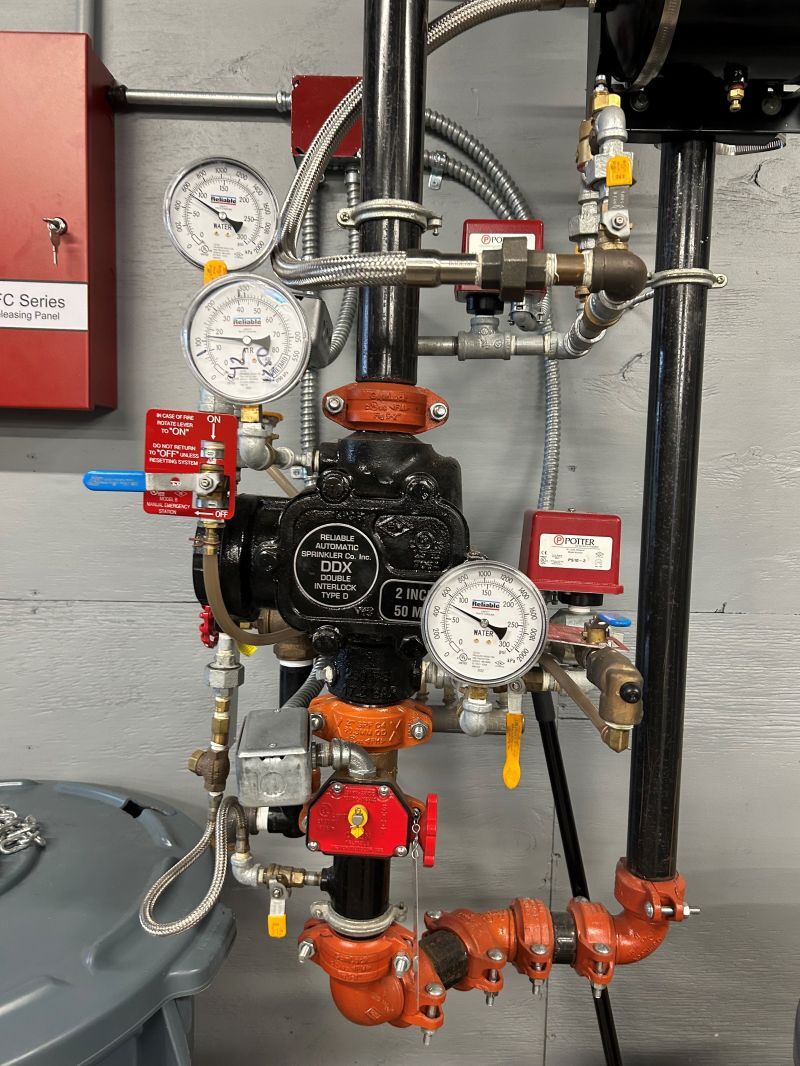
Every Fire Suppression System Downtown Houston TX is comprised of several critical components that work together seamlessly:
- Detection Elements: These include smoke detectors and heat sensors capable of discerning a fire’s presence.
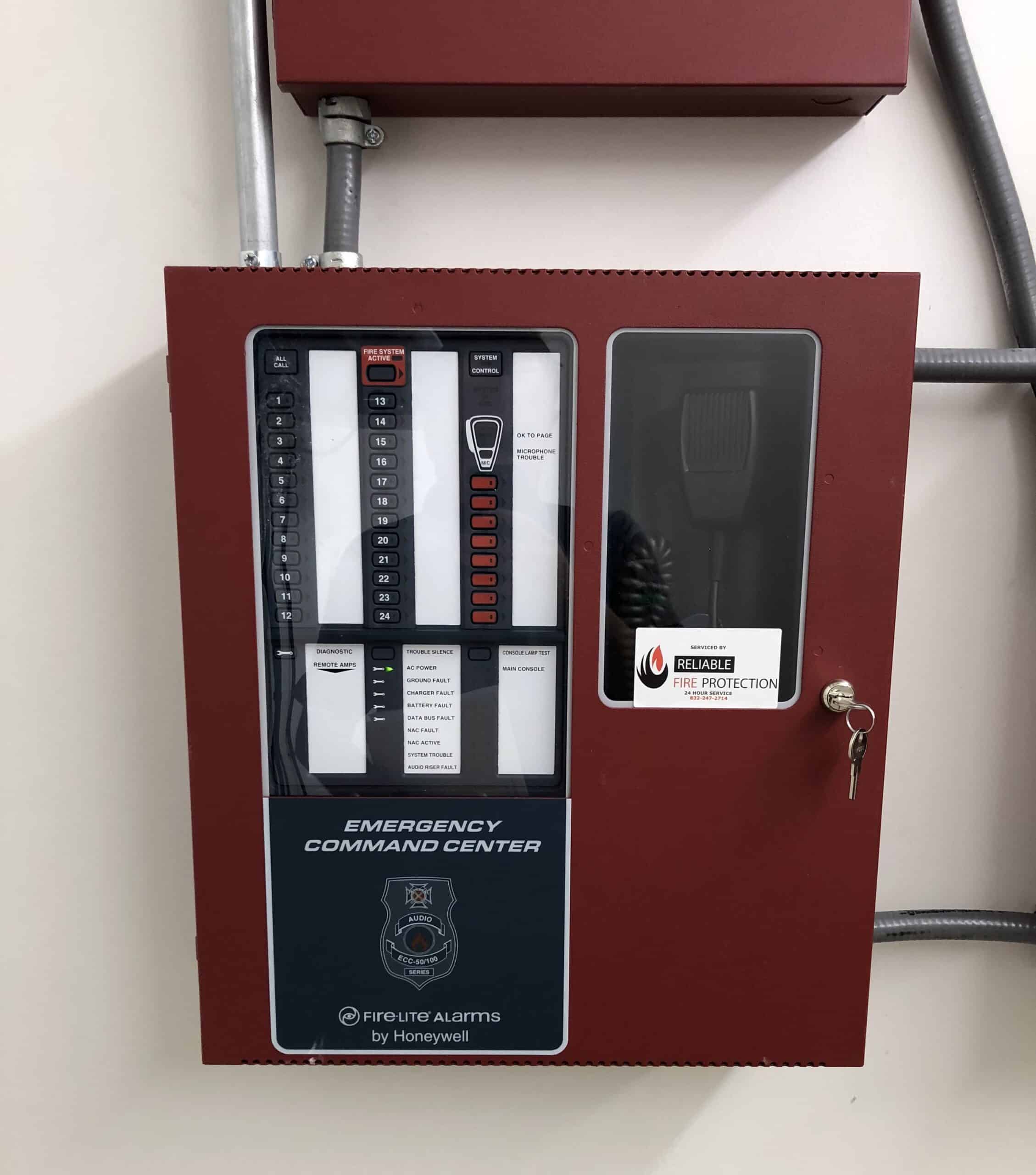
- Control Panel: This hub sends signals to activate the suppression mechanisms once a fire is detected.
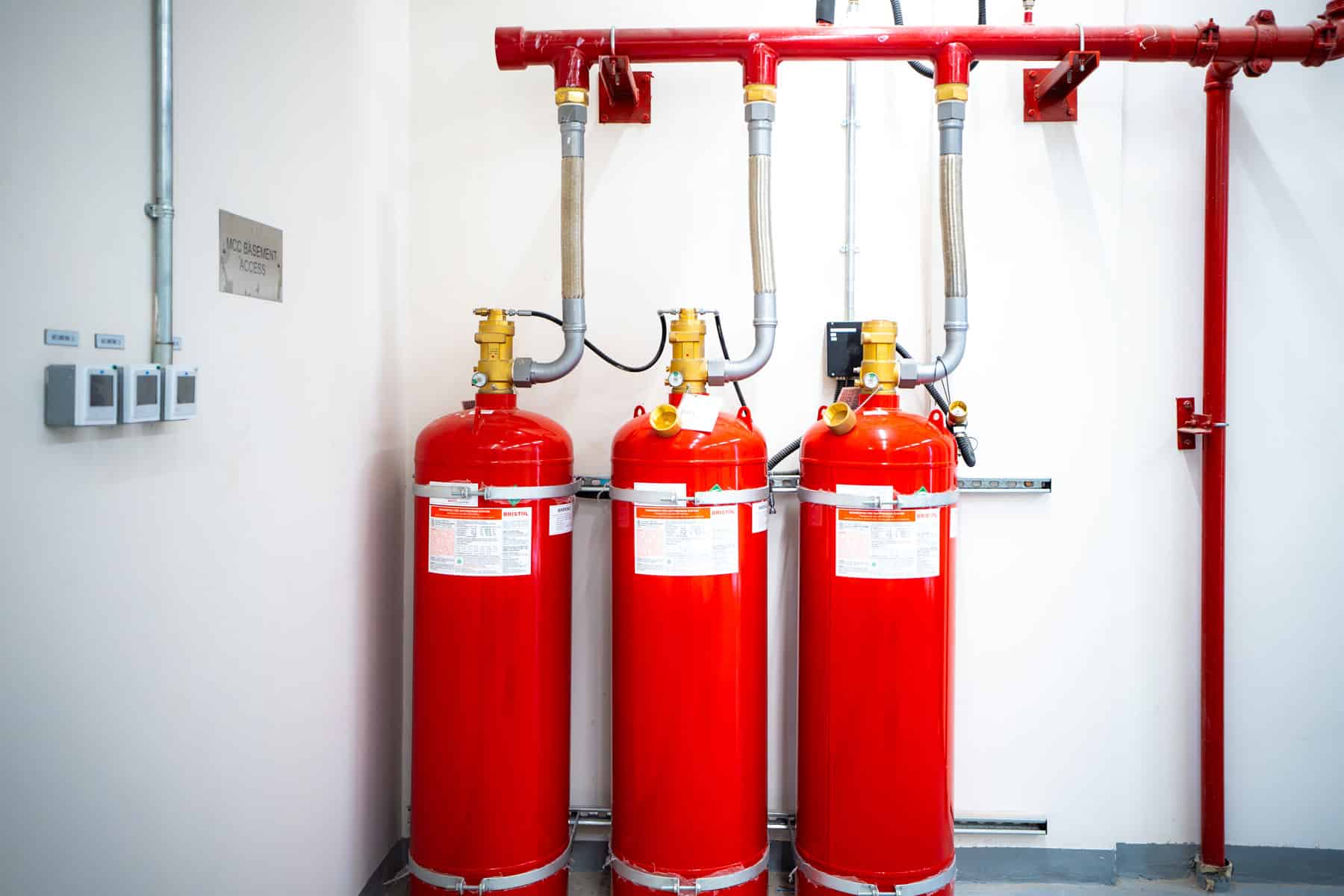
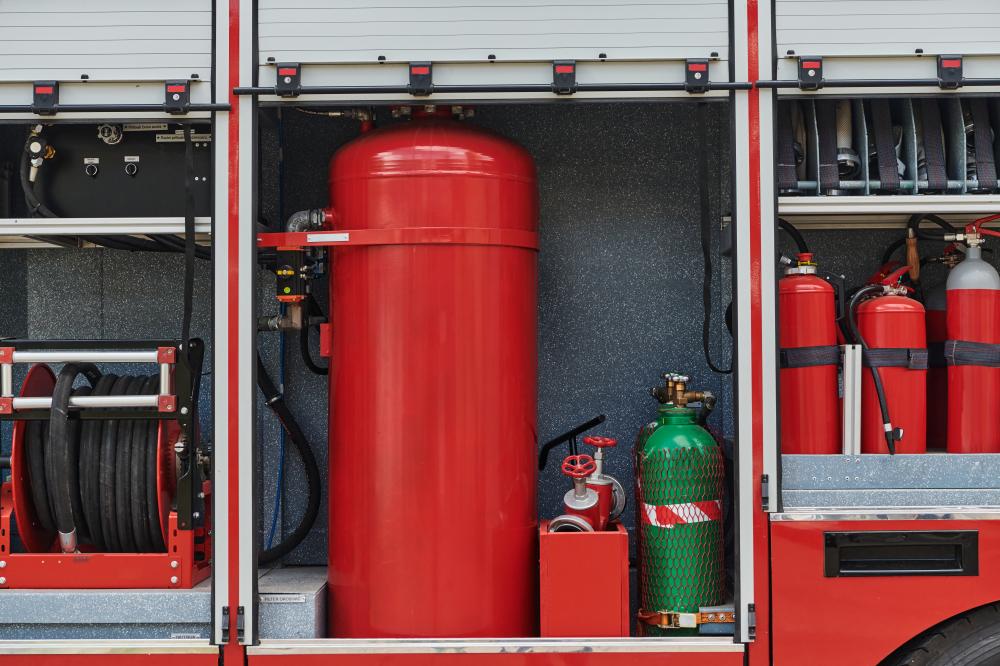
- Suppression Agents: Depending on the environment, different media such as water, foam, or gas are used to extinguish fires effectively.
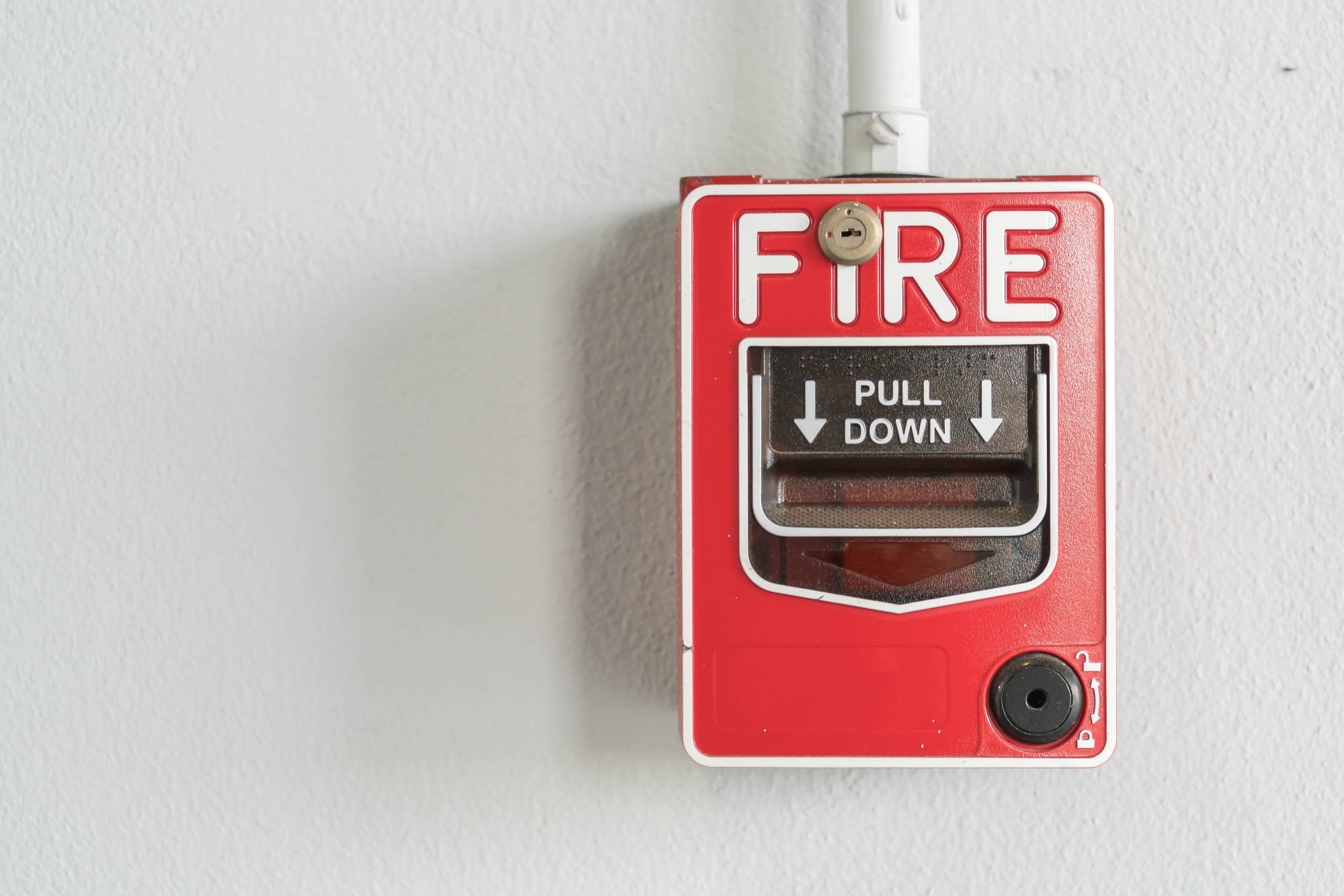
- Manual Overrides: Allow building occupants to activate the system if necessary.
The meticulous integration of these components ensures optimal performance, protecting both people and property efficiently when every second counts.
Selecting the Appropriate Fire Suppression System
Choosing a Fire Suppression System Downtown Houston TX involves several considerations. It’s crucial to evaluate the specific needs of the building and its contents. For instance, a commercial kitchen will have different requirements compared to a hospital or a data center.
One must assess factors such as potential fire hazards, the materials present within the building, and the building’s structural design. Seeking advice from experienced professionals who understand the unique challenges of Houston’s urban landscape can be invaluable.
Reliable Fire Protection offers expert guidance, ensuring the system you select is tailored to your needs, code-compliant, and installed with precision.
What Qualifies as a Fire Suppression System Downtown Houston TX Emergency?
An emergency involving a Fire Suppression System Downtown Houston TX typically arises when the system fails to operate during a fire event. Immediate action is required to avert potential disaster and loss. Swift intervention from a licensed professional can prevent further complications.
Other emergencies include unintended activations, leaks, or blockages in the suppression agent delivery system. Staying vigilant and conducting regular system checks can help identify these issues early, ensuring your system is always ready to respond effectively.
Steps for Maintaining and Inspecting Fire Suppression Systems
Regular maintenance and inspection are critical for ensuring a Fire Suppression System Downtown Houston TX operates optimally. Here’s a step-by-step approach to maintaining these systems:
- Conduct monthly visual inspections of all components to detect any visible issues.
- Perform quarterly tests of all detection and control elements to ensure functionality.
- Schedule comprehensive annual inspections by a certified technician.
- Address any repairs identified promptly, using certified parts and experienced professionals.
- Keep detailed records of all maintenance activities to comply with local fire regulations.
This routine is not just about compliance; it’s about ensuring readiness when it counts.
Why Professional Assistance Matters in Fire Suppression
Seeking expert assistance for your Fire Suppression System Downtown Houston TX is crucial. The nuances of each building’s needs require a professional’s touch, from installation to maintenance and beyond. Experienced specialists bring insights that ensure systems are not only compliant but also tailored for energy efficiency and cost-effectiveness.
At Reliable Fire Protection, our team’s expertise stems from years of experience in the field. We understand the local fire codes and best practices, which positions us as a trusted partner for all your fire protection needs. Our commitment to excellence ensures that your system will function optimally whenever required.
Selecting a professional service allows you to focus on your core operations, secure in the knowledge that your fire suppression system is in capable hands.
What are the key benefits of having a fire suppression system in downtown Houston?
The benefits of having a fire suppression system in downtown Houston are numerous and crucial. Firstly, these systems are designed to automatically detect and respond to fires, minimizing potential damage and offering peace of mind to property owners and tenants alike. For example, imagine you’re managing a building with expensive electronic equipment. A suppression system can help protect these assets by quickly extinguishing fires without causing water damage, as some systems use gas or foam instead of water.
Moreover, installing a reliable system can lead to reduced insurance premiums, as insurers typically see this as a proactive measure to prevent large-scale damage. Additionally, compliance with local fire codes is essential, and having a fire suppression system ensures your building meets those standards. It’s like having a safety net that not only saves lives but can also save you money. Have you considered how this might affect your current insurance policy?
What are the essential components of a fire suppression system, and how do they work together?
A fire suppression system comprises several critical components that function together seamlessly to detect and extinguish fires effectively. These include detection elements like smoke detectors and heat sensors, which identify the presence of a fire. Once detected, the control panel sends signals to release the suppression agents, such as water, foam, or gas, to extinguish the fire.
Imagine the system as a well-coordinated orchestra, with each component playing a vital role in responding swiftly to emergencies. With manual overrides, occupants can also activate the system if necessary. This meticulous integration ensures optimal performance, protecting both lives and property. Have you ever wondered how often these systems need inspection to ensure they remain in peak condition?
How should one go about choosing the right fire suppression system?
Selecting the appropriate fire suppression system involves understanding your building’s specific needs and potential risks. For instance, a commercial kitchen requires a different system than a data center due to the types of materials present and the nature of the risks involved. I recall working with a restaurant owner who nearly chose the wrong system because they hadn’t considered the grease fires typical in kitchens; thankfully, expert advice set them on the right path.
Engaging with professionals who understand the unique challenges of Houston’s urban environment can provide invaluable insights. Experts like those at Reliable Fire Protection can offer guidance, ensuring the chosen system is tailored for your needs and compliant with local codes. How do you assess the specific fire risks within your building?
What qualifies as an emergency situation with fire suppression systems?
An emergency involving fire suppression systems generally arises when the system fails to operate during a fire, which could lead to catastrophic outcomes. Other emergencies might include unintended activations, or leaks in the suppression delivery lines. I remember a client whose system activated inadvertently due to a power surge, illustrating the importance of regular system checks to prevent unexpected issues.
With regular maintenance and vigilance, many potential problems can be identified and fixed early. Immediate professional intervention during such emergencies is crucial to prevent further complications. What steps do you currently take to ensure your system is always ready to respond effectively?
What are the best practices for maintaining and inspecting fire suppression systems?
Routine maintenance and inspection are key to ensuring your fire suppression system operates optimally. Monthly visual inspections can reveal visible issues, while quarterly tests ensure detection and control elements function correctly. It’s like maintaining a car; regular checks can prevent unexpected breakdowns.
Annual inspections by certified technicians are vital, and addressing repairs promptly with certified parts ensures compliance with local regulations. Keeping detailed maintenance records is not only about compliance but ensures readiness when needed. How often do you review your maintenance logs for potential areas of improvement?
Why is professional assistance essential for fire suppression systems?
Professional assistance for installing and maintaining fire suppression systems is crucial due to the nuanced needs of each building. Experienced professionals bring a wealth of knowledge, ensuring systems are compliant and customized for energy efficiency and cost-effectiveness. I once encountered a facility manager who underestimated this professional touch and faced compliance issues during an inspection, leading to unexpected expenses.
Working with Reliable Fire Protection, which has a team of NICET-certified specialists, ensures expert precision and peace of mind. The confidence that comes with knowing your system is in capable hands allows you to focus on your core operations. Have you ever considered how professional oversight can enhance your building’s safety protocols?
Resources for Fire Suppression Systems
- National Fire Protection Association – The NFPA is a leading organization in fire prevention and safety, providing valuable resources and standards for fire suppression systems.
- Federal Emergency Management Agency (FEMA) – FEMA offers resources and information on emergency preparedness, including guidance on fire suppression systems in various settings.
- U.S. Fire Administration – A division of FEMA, the USFA provides data, research, and training on fire prevention and suppression methods.
- Occupational Safety and Health Administration (OSHA) – OSHA sets and enforces standards to ensure safe and healthful working conditions, including regulations related to fire suppression systems.
- National Institute of Standards and Technology (NIST) – NIST conducts research on fire dynamics, structure fires, and fire suppression technologies to improve safety and effectiveness.