by Sean Ellis | Sep 17, 2026 | Fire Protection
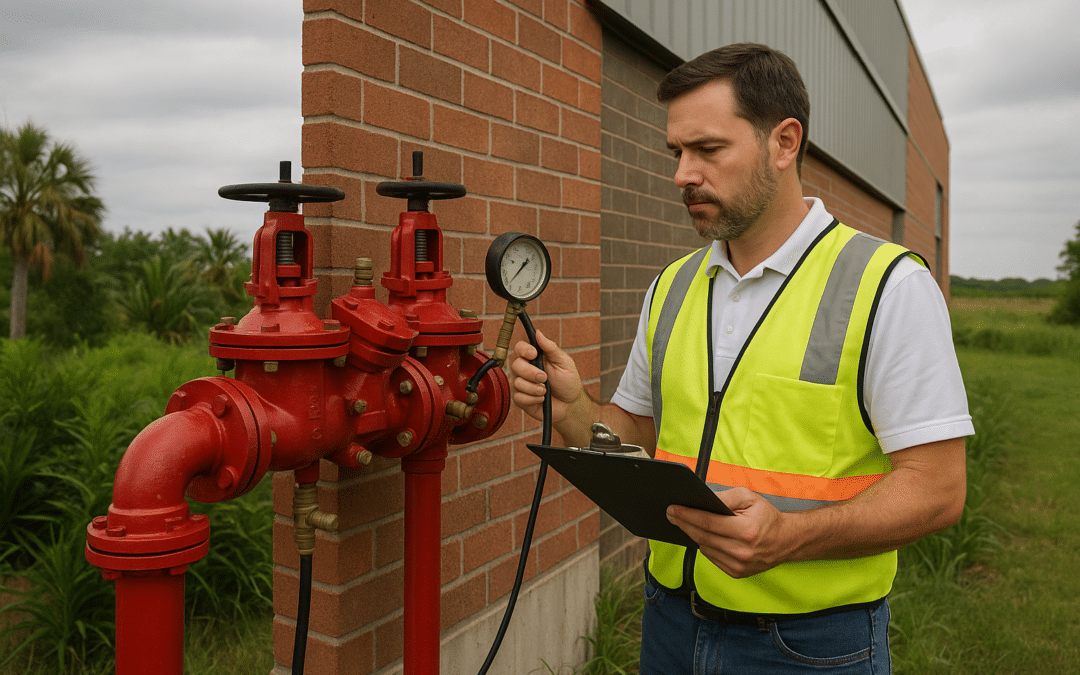
TL;DR: Texas law under 30 TAC §290.44 requires annual backflow preventer certification for most commercial properties. You must hire a TCEQ-licensed Backflow Prevention Assembly Tester (BPAT), complete the TCEQ Form 20700, and file results with your local water...
by Sean Ellis | Sep 14, 2026 | Fire Protection
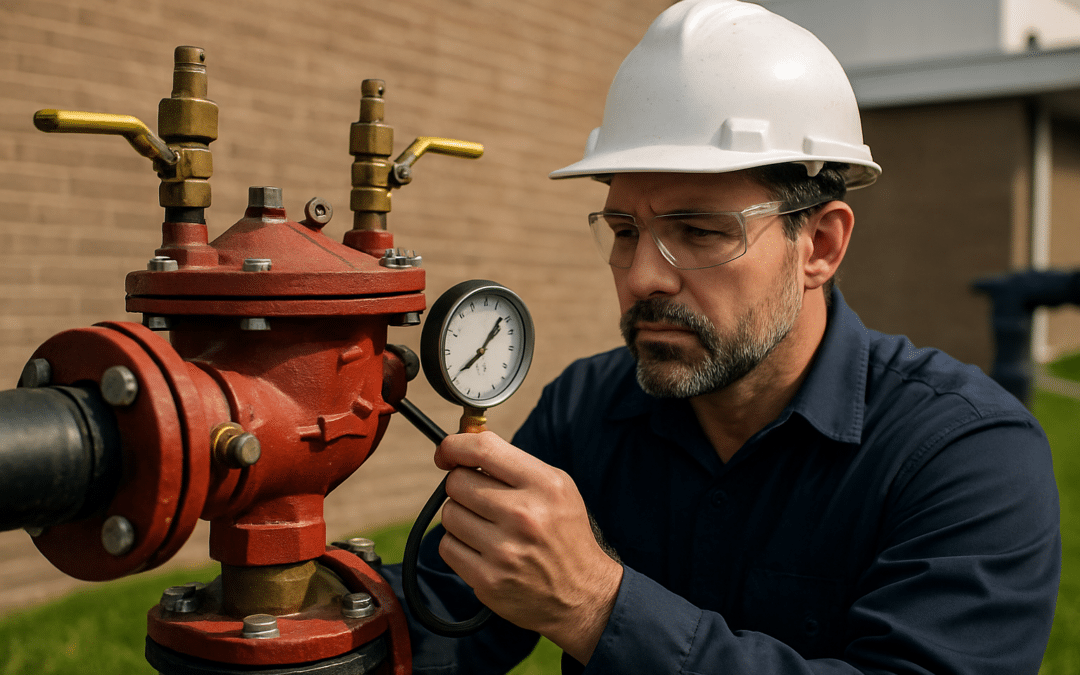
TL;DR: Texas law under 30 TAC Chapter 290 requires all testable backflow prevention assemblies to be tested at installation and at least annually by a TCEQ-licensed tester. In Houston, test reports must be submitted to Houston Public Works, and non-compliance can...
by Sean Ellis | Sep 9, 2026 | Fire Protection
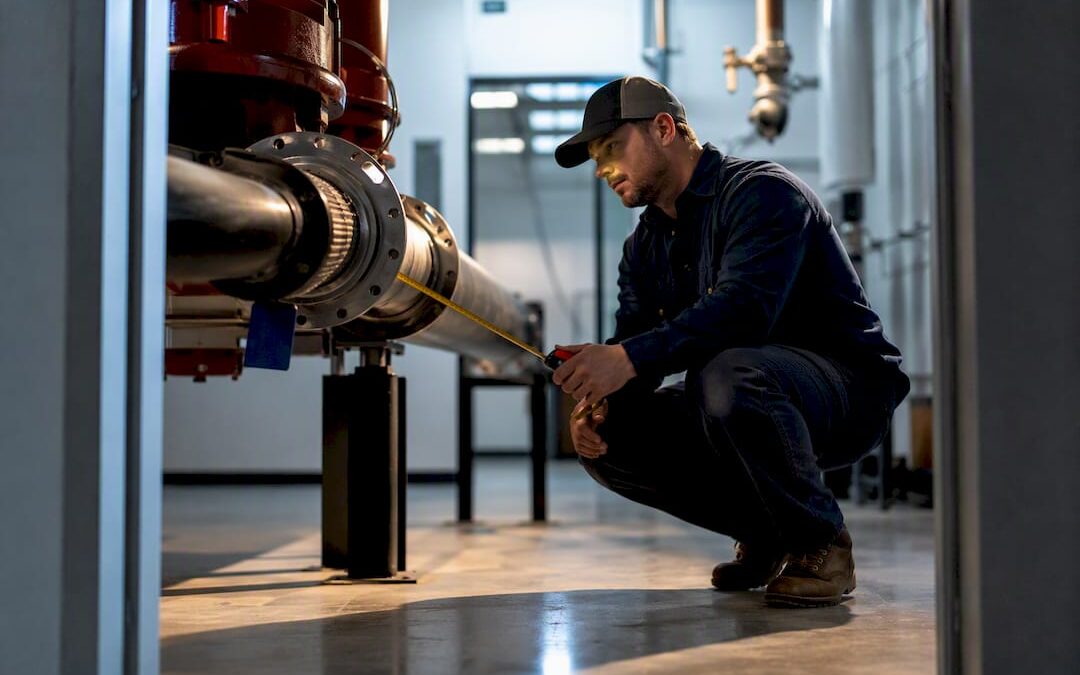
Replacing a commercial fire pump system typically costs from tens of thousands to over one hundred thousand dollars, depending on driver type, capacity, and piping conditions. Small electric units for a mid-size commercial building sit near the low end; packaged...
by Sean Ellis | Sep 8, 2026 | Fire Protection
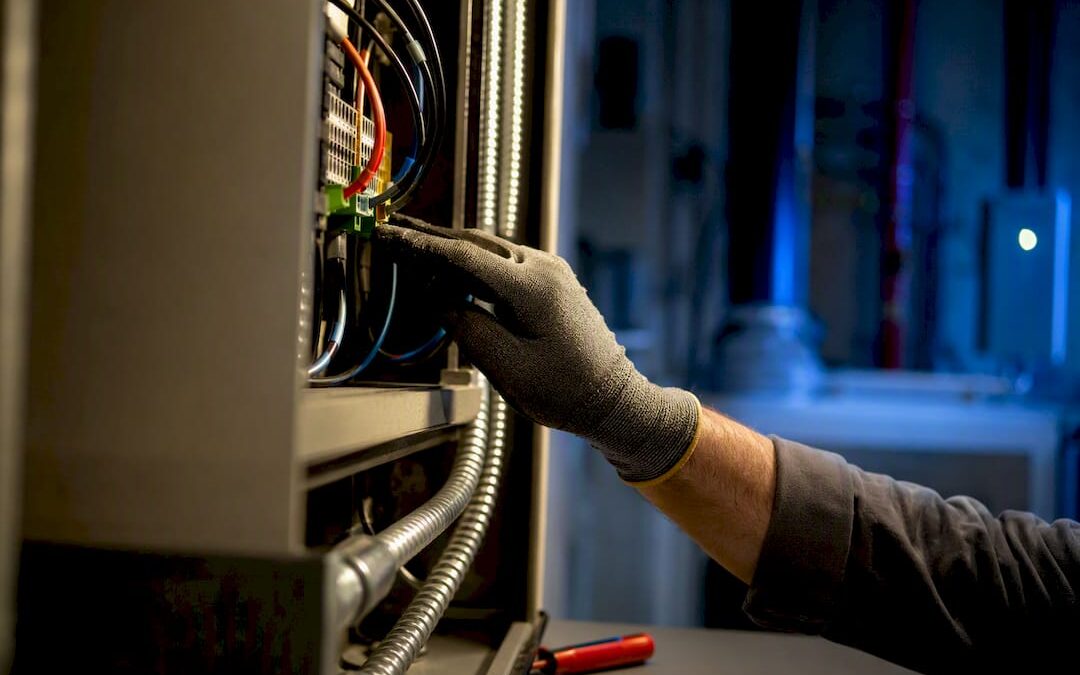
If your building’s occupancy or size requires a fire alarm system under the adopted building or fire code, that system almost always has to be monitored off-site too. IBC Section 907.6.6 sets the trigger, and NFPA 72 spells out how that monitoring has to work. Local...
by Sean Ellis | Sep 7, 2026 | Fire Protection
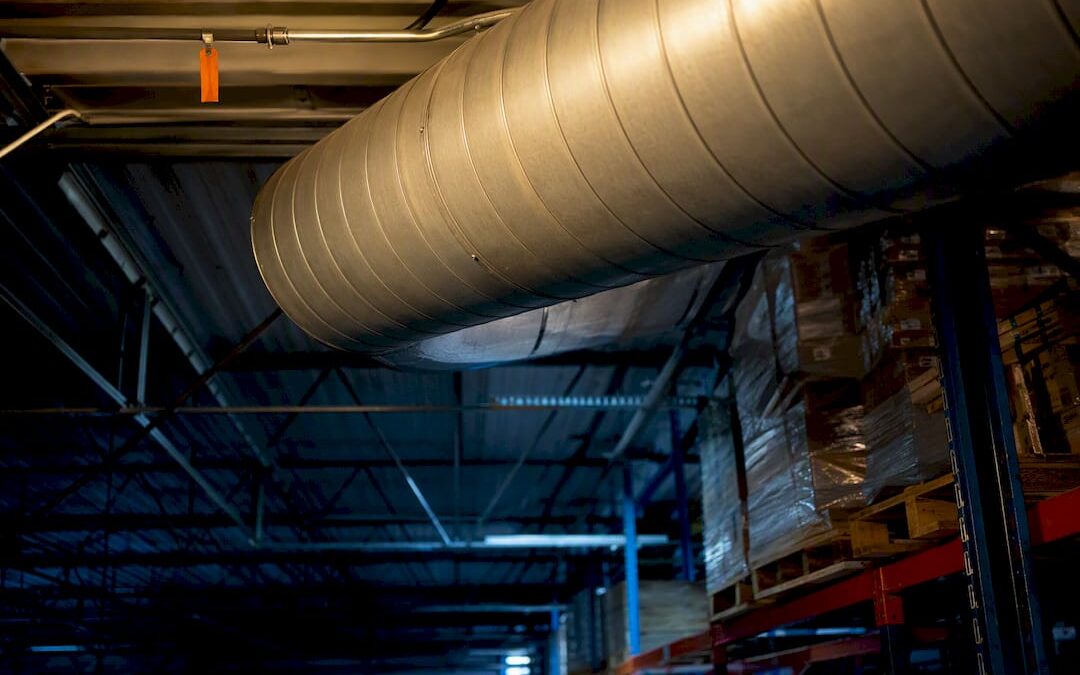
ESFR sprinklers are appropriate for high-piled or rack storage of Group A plastics and comparable commodities when the installation satisfies NFPA 13 clearance and obstruction rules, meets K-factor and discharge requirements, and follows storage-shelf criteria....
by Sean Ellis | Sep 6, 2026 | Fire Protection
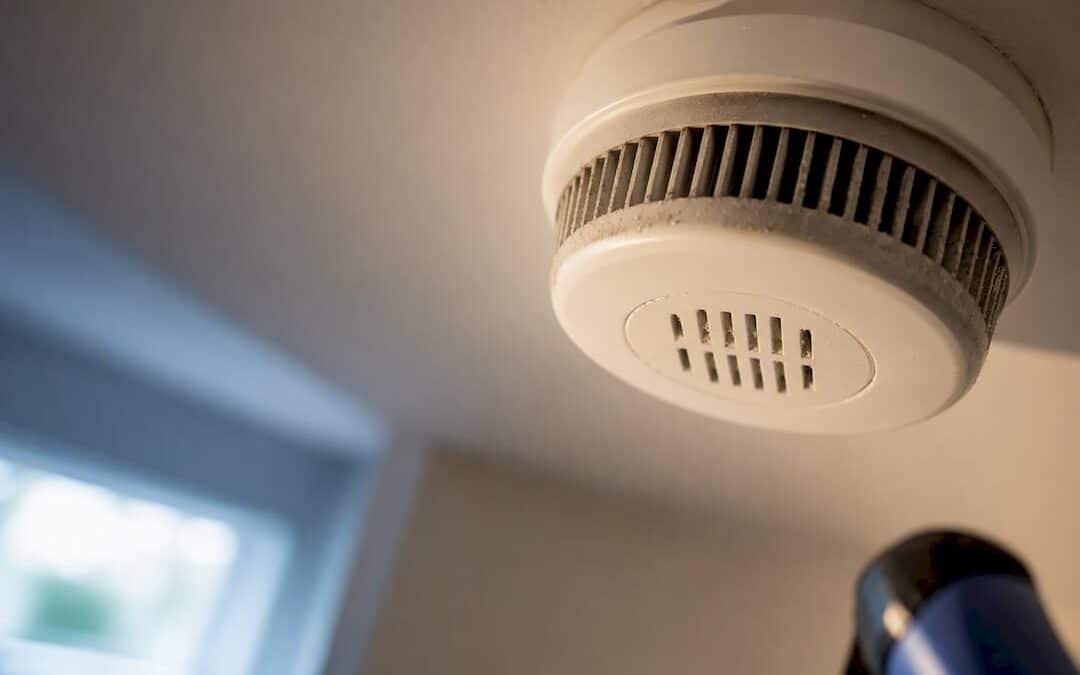
Replace household smoke alarms 10 years after their manufacture date, no exceptions for how clean they look or how well they tested last month. Carbon monoxide and combination alarms often need replacing sooner, on a schedule set by the specific model. Any alarm that...
by Sean Ellis | Sep 5, 2026 | Fire Protection
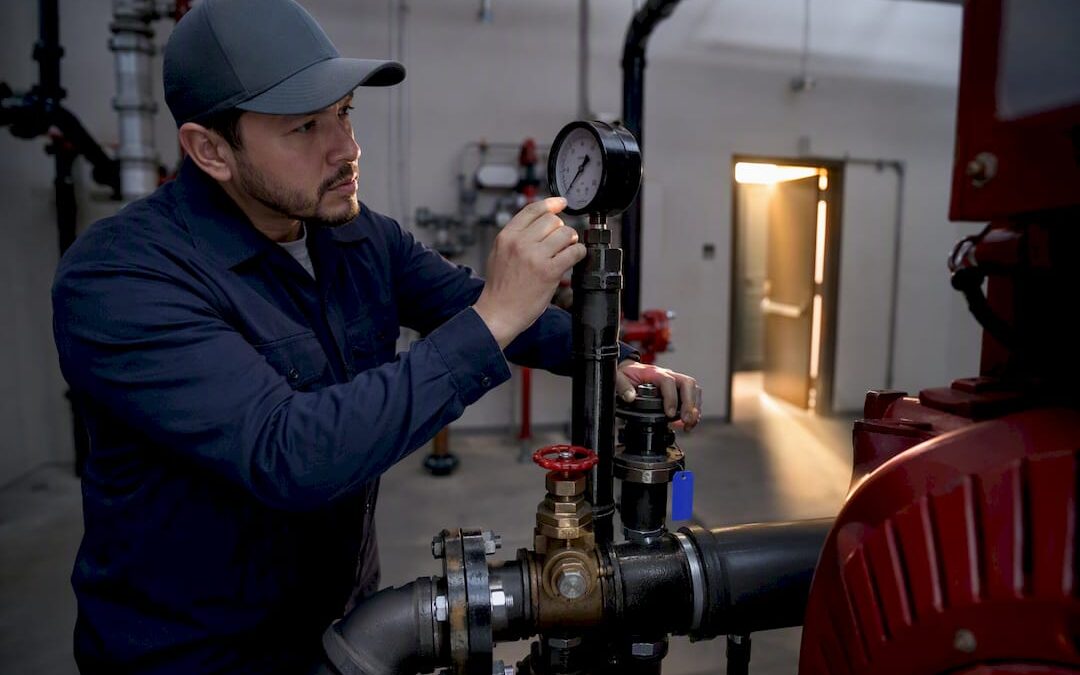
NFPA 25 requires weekly or monthly no-flow (churn) tests, an annual full-flow performance test, and periodic multi-year checks for every fire pump. Diesel pumps run 30 minutes weekly; electric pumps run 10 minutes monthly, unless exceptions apply. A qualified...

by Sean Ellis | Sep 4, 2026 | Fire Protection
An aspirating smoke detection (ASD) system actively pulls air from a protected space through a pipe network to catch combustion particles long before they reach a spot detector’s sensing chamber. That head start, often minutes to hours, is why data centers,...
by Sean Ellis | Sep 3, 2026 | Fire Protection
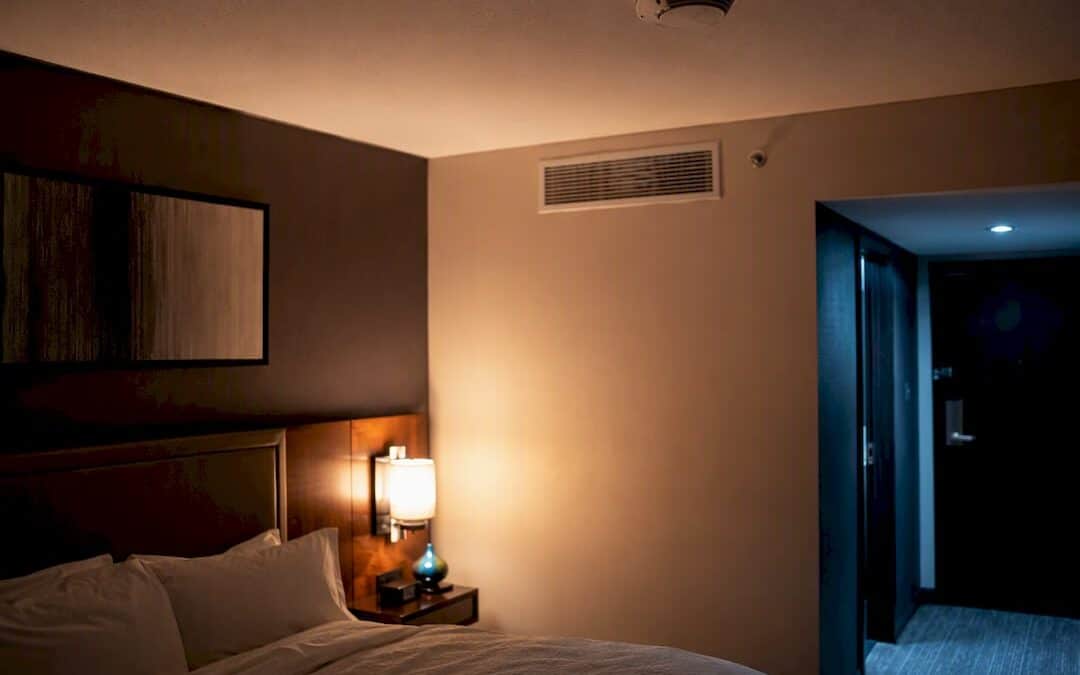
Hotels in the United States must meet the smoke detection and notification requirements set by the adopted model codes, primarily NFPA 72 and NFPA 101, plus whatever amendments your state or city has layered on top. Coverage generally extends to guest rooms,...
by Sean Ellis | Sep 2, 2026 | Fire Protection
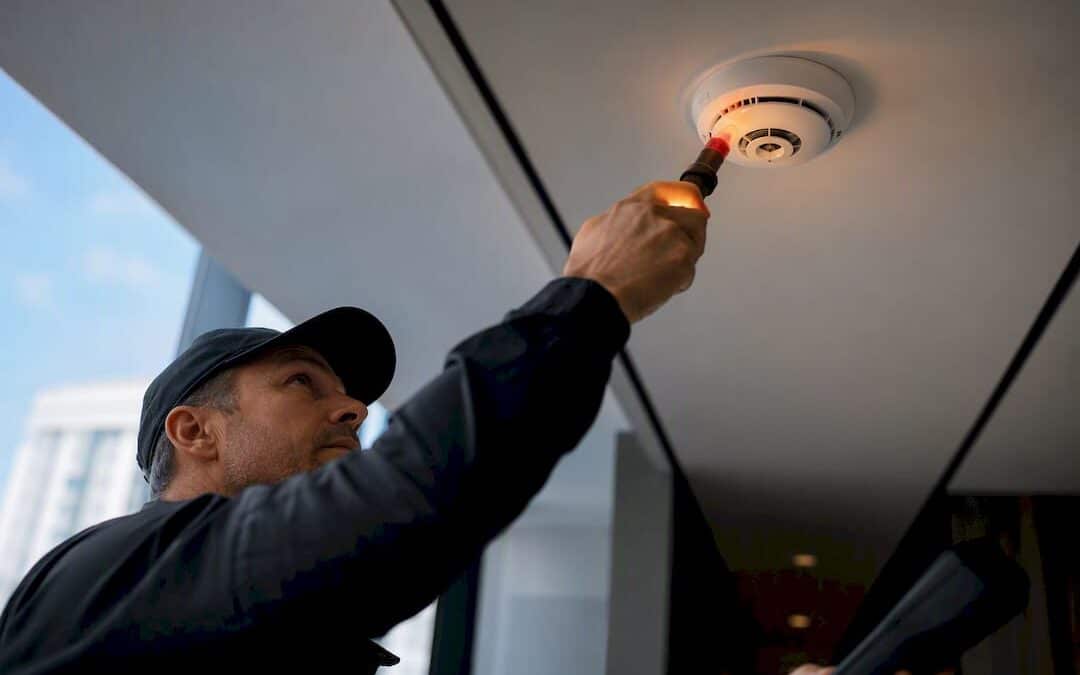
Yes, NFPA 72 requires sensitivity testing for smoke detectors, and skipping it is a code violation, not a gray area. The baseline schedule: test within one year of installation, then every two years after that. Passing tests can allow a longer interval, extended to...