

Understanding Fire Suppression Systems in Greater Third Ward TX
As a professional with over 20 years in the fire protection industry, I’ve witnessed firsthand the necessity of having a reliable Fire Suppression System Greater Third Ward TX. These systems are essential for safeguarding both life and property in the vibrant and historic neighborhood of Greater Third Ward, Houston. An effective fire suppression system is not just about putting out fires; it’s about preventing them, minimizing potential damage, and ensuring compliance with local fire codes.
In Greater Third Ward, a blend of residential and commercial spaces requires tailored fire suppression solutions. Systems here need to be robust, yet flexible enough to address the unique characteristics and risks of each property. Over the years, I’ve worked with systems ranging from water-based sprinklers to chemical suppression systems, each designed for specific environments and fire risks. Let’s dive deeper into understanding these systems and their applications.
Different Types of Fire Suppression Systems
Fire suppression systems in Greater Third Ward TX come in various types, each designed to tackle specific kinds of fires. Here are some common systems employed in the area:
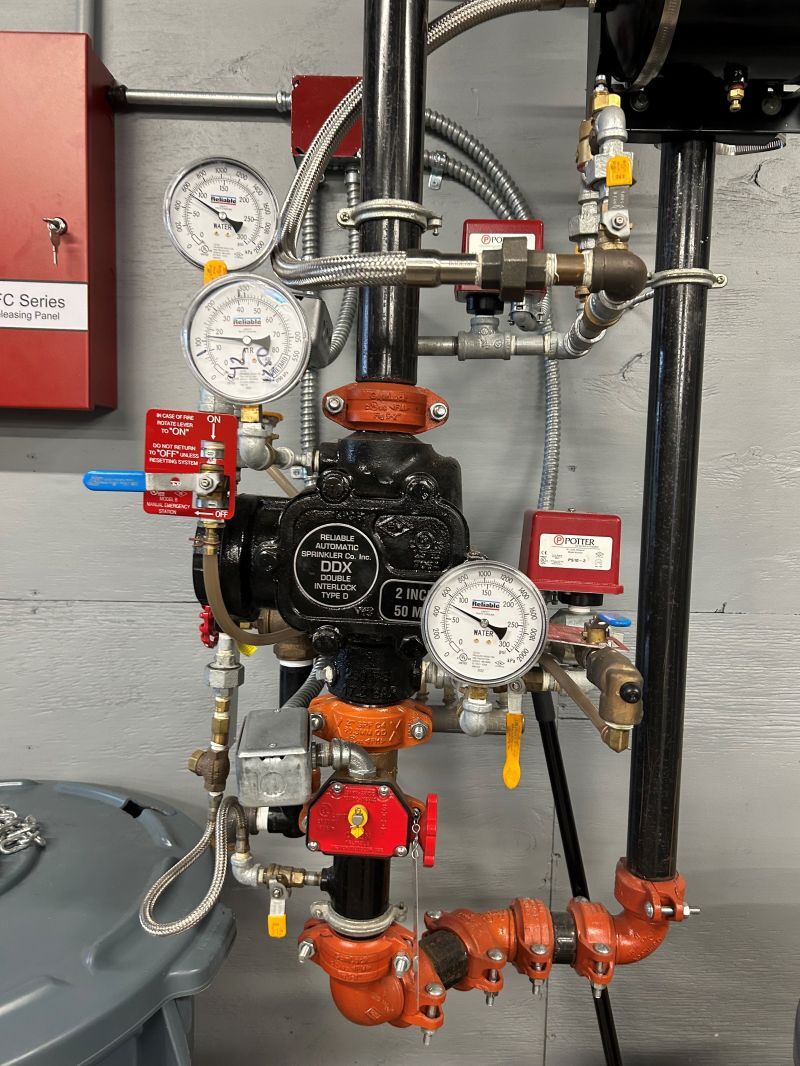
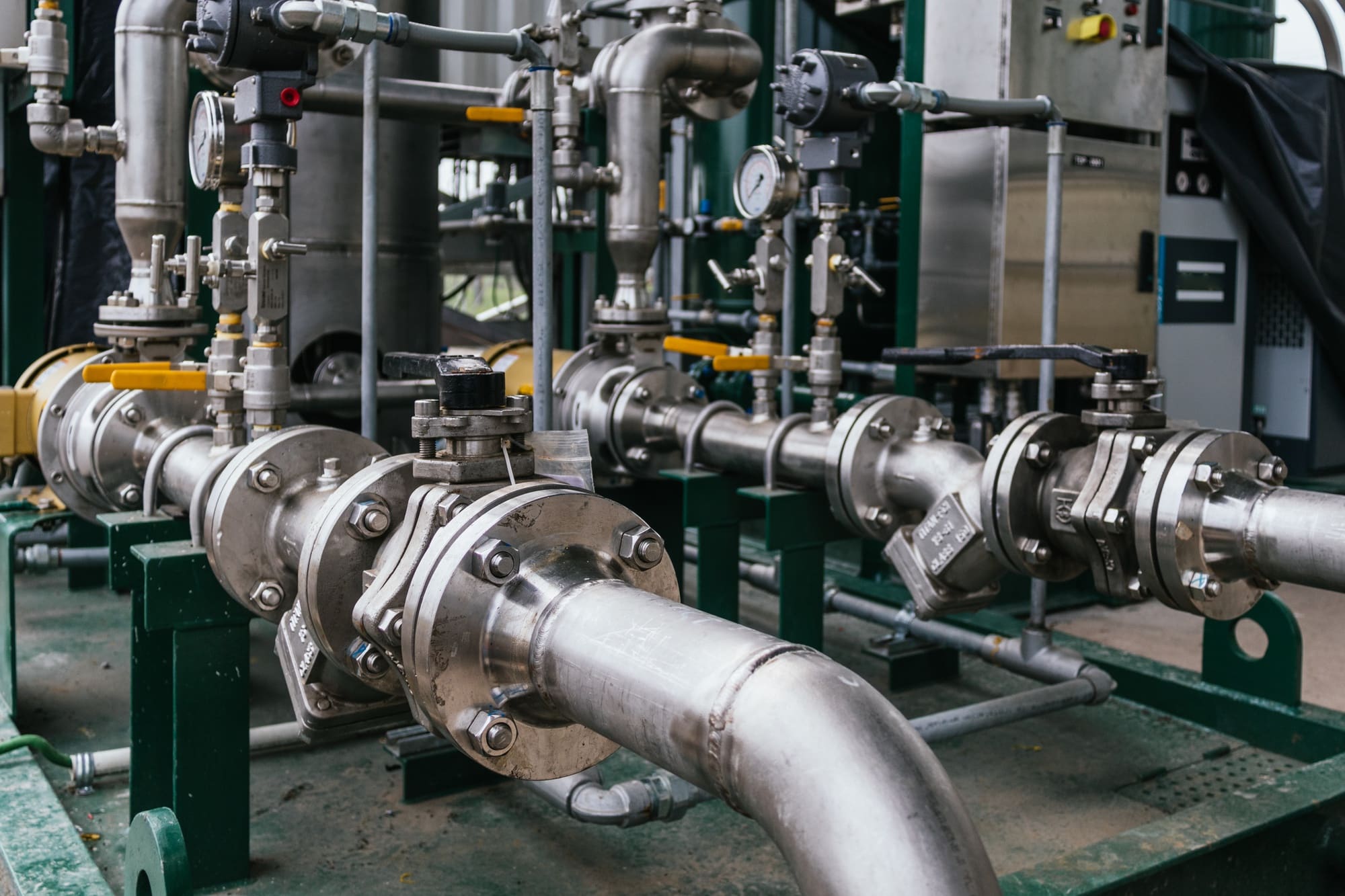
- Water-based systems: These include traditional sprinkler systems, which are effective for most residential and office spaces. They activate when heat triggers a sprinkler head, releasing water to control the fire.
- Foam suppression systems: Typically used in areas with flammable liquids, these systems apply a foam layer to suffocate the fire and prevent re-ignition.
- Chemical suppression systems: Ideal for environments where water-based systems might cause damage, such as in data centers or museums, these systems release a chemical agent to extinguish the fire.
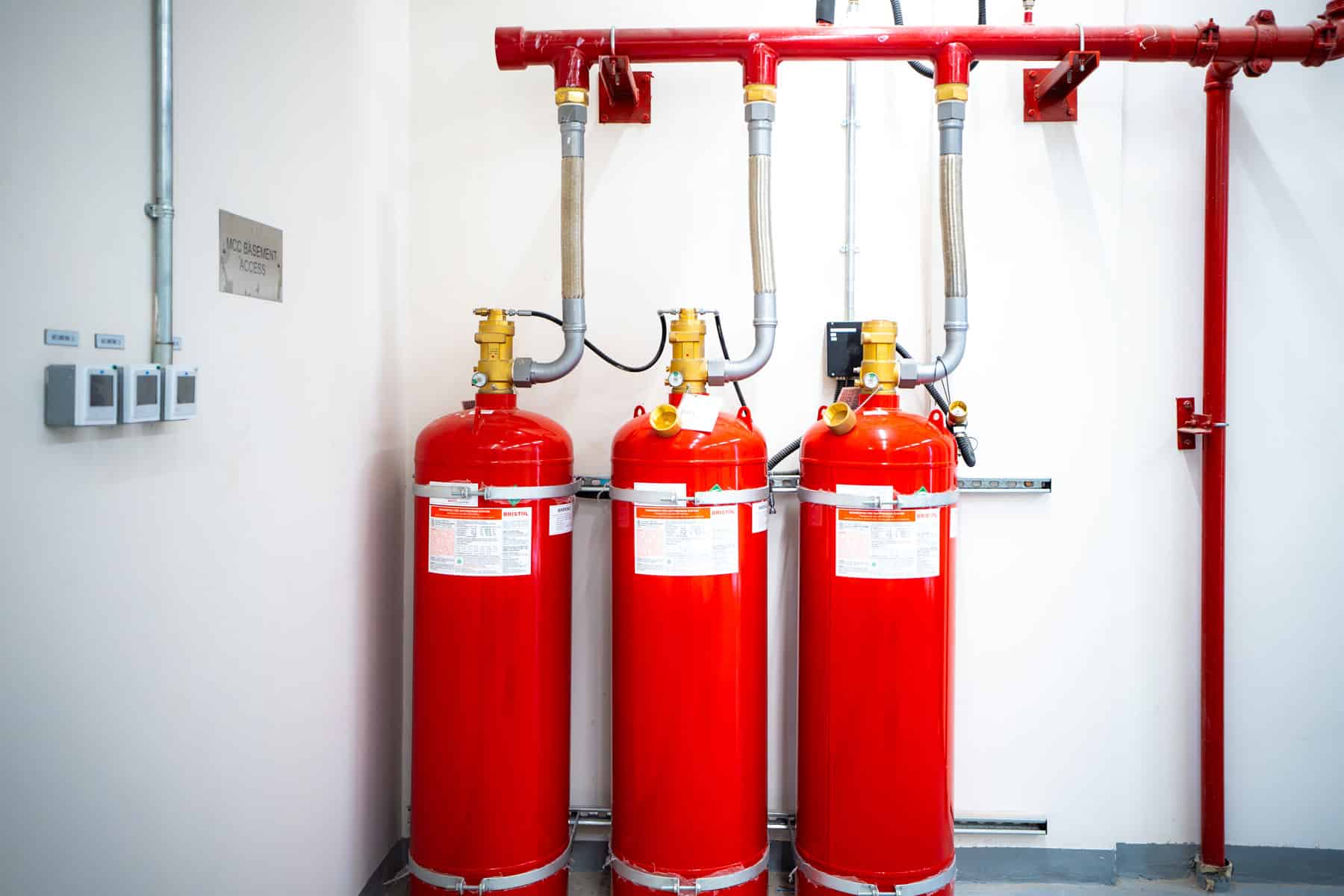
- Gas suppression systems: These systems release inert gases or halocarbon agents that suppress the fire while ensuring minimal damage to sensitive equipment.
Each system has its advantages and is selected based on the specific fire risks and operational needs of the property.
How to Choose the Right Fire Suppression System
Choosing an appropriate Fire Suppression System Greater Third Ward TX involves evaluating several factors. Here are the steps to select the best option for your property:
- Assess the Risk: Evaluate the specific fire hazards present. Consider the materials, equipment, and processes used in the space.
- Understand Local Regulations: Make sure the system complies with the Houston Fire Department’s guidelines for fire safety.
- Consult with Experts: Engage with certified professionals who can provide insights based on experience and industry standards.
- Select a Suitable System: Choose a system that aligns with the risk assessment and regulatory requirements.
- Plan Regular Maintenance: Ensure the chosen system has a maintenance schedule to guarantee effectiveness in the event of a fire.
By following these steps, you can ensure your property is adequately protected against fire risks.
Why is Regular Maintenance Crucial for Fire Suppression Systems?
Regular maintenance of a fire suppression system is not just about compliance; it’s a critical component of ensuring safety. A well-maintained Fire Suppression System Greater Third Ward TX ensures readiness in the face of an emergency, minimizes false alarms, and can even extend the lifespan of the equipment. Over the years, I’ve seen the difference that diligent maintenance makes in the reliability of these systems.
Regular checks ensure that nozzles are clear, the water supply is sufficient, and that all electrical components are operational. Scheduled maintenance also allows for the timely identification and replacement of worn parts, further safeguarding against system failures. An effective maintenance plan includes routine testing, inspection, and necessary upgrades to keep the system in optimal condition.
Ultimately, investing time in maintenance is investing in safety and peace of mind. Property owners in Greater Third Ward often find this level of diligence to be a cost-effective safeguard against potential losses from fire-related incidents.
What Qualifies as a Fire Suppression System Greater Third Ward TX Emergency?
A fire suppression system emergency can occur when there is a system malfunction during a fire, leading to inadequate fire response. It’s crucial to recognize such emergencies quickly to activate alternative safety measures or call for professional assistance. Here’s how to handle a fire suppression system emergency:
- Identify the Issue: Detect whether the system failed to activate, released insufficient agents, or malfunctioned.
- Activate Alarm Systems: Ensure all building occupants are alerted through secondary alarm systems.
- Evacuate the Premises: Prioritize occupant safety by evacuating the building promptly.
- Contact Professionals: Notify fire protection professionals immediately to address the malfunction and restore system functionality.
- Document the Incident: Maintain records of the emergency and the response for future review and improvement.
Being prepared to handle such emergencies can significantly mitigate risks and enhance the overall safety strategy of your premises.
Insights and Stories from the Field
Throughout my career, I’ve encountered numerous situations where the right fire suppression system made all the difference. For instance, a local commercial kitchen in Greater Third Ward once faced a grease fire that could have escalated quickly. Thankfully, their choice of a foam suppression system efficiently contained the fire, minimizing damage and business downtime.
Another memorable experience involved a library that opted for a gas suppression system to protect valuable archives. This system activated flawlessly during an electrical fire, preserving irreplaceable historical documents without water damage. Such outcomes demonstrate how selecting the appropriate system can make a significant impact.
These stories not only highlight the importance of choosing the right system but also the peace of mind that comes with knowing your property is protected by a reliable Fire Suppression System Greater Third Ward TX.

What are the key components of a reliable fire suppression system for properties in Greater Third Ward, TX?
A reliable fire suppression system in Greater Third Ward should be tailored to the specific needs of the property it serves. Key components include sprinklers, whether water-based or foam, and chemical or gas suppression systems. Each type addresses different fire risks effectively. It’s essential to consider local building materials, occupancy types, and specific hazards like flammable liquids or sensitive equipment. Incorporating reliable alarm and monitoring systems ensures system activation in an emergency. Expert consultation during system design and installation can provide peace of mind, knowing that every component is optimized for safety and compliance with local fire codes. Are there specific features or technologies you’d like to see in a fire suppression system?
How can property owners in Greater Third Ward, TX choose the right fire suppression solution?
Choosing the right fire suppression system begins with a detailed risk assessment of the property. Owners should inventory potential fire hazards, such as flammable materials or sensitive equipment, and evaluate their property’s layout and usage. Consulting with certified professionals ensures that systems not only meet regulatory requirements but are also tailored to specific needs, whether it’s a chemical suppression system for a data center or a traditional sprinkler system for an office building. Reliable Fire Protection in Houston offers free quotes, and their team of specialists is adept at helping clients navigate these choices. Have you considered the potential savings or benefits of upgrading your current fire protection systems? It could be a good topic for further exploration.
Why is regular maintenance vital for fire suppression systems, especially in commercial properties?
Regular maintenance is crucial to ensure the operational readiness of fire suppression systems. Over time, components can wear out, and environmental factors can affect performance. Periodic inspections ensure that all parts, including nozzles and alarm systems, function correctly, minimizing the risk of system failure in emergencies. In commercial settings, a failed system can lead to significant financial loss and business disruption. At Reliable Fire Protection, we emphasize maintenance as part of the overall safety strategy, providing peace of mind and extending the lifespan of the systems. Curious about how often your systems should be serviced? We can walk you through creating a comprehensive maintenance schedule.
What constitutes a fire suppression system emergency, and how should property owners in Greater Third Ward respond?
A fire suppression system emergency typically arises when the system fails during an actual fire, such as not activating or releasing insufficient suppression agents. Property owners should have a contingency plan, including immediate evacuation procedures and a backup alarm system. Contacting professional services like Reliable Fire Protection promptly can help address these malfunctions and restore system functionality. Documentation of the event is crucial for evaluating the response and improving future readiness. Have you experienced a system failure or near-miss situation before? Sharing experiences might provide valuable lessons for others in similar situations.
What are the advantages and disadvantages of different types of fire suppression systems?
The effectiveness of a fire suppression system often depends on the specific environment and fire risks. Water-based systems are excellent for general use but can damage sensitive equipment. Foam systems work well for areas with flammable liquids, while gas systems protect electronics by avoiding water damage. Chemical suppression is suited for museums or data centers. Each system has trade-offs, and understanding these in the context of your property’s needs is crucial. Would you like more detailed comparisons to help in choosing the right system? We could explore some case studies or examples to see which solutions worked best in similar situations.
Can you share some insights or stories about fire suppression systems making a difference?
Absolutely, real-life examples can highlight the importance of choosing the right fire suppression system. For instance, a commercial kitchen in Greater Third Ward quickly contained a grease fire thanks to a foam suppression system, minimizing downtime and damage. In contrast, a library protected its rare archives with a gas suppression system during an electrical fire, preserving valuable documents without causing water damage. These stories demonstrate how tailored systems can mitigate disaster effectively. Do you have a unique situation that needs a tailored solution? Exploring your specific needs might uncover the perfect system for your property.
Resources
- National Fire Protection Association – The NFPA is a leading organization in fire safety standards, research, and advocacy.
- U.S. Fire Administration – The USFA is a division of FEMA focusing on fire prevention, protection, and education.
- Occupational Safety and Health Administration (OSHA) – OSHA sets and enforces workplace safety and health regulations, including fire safety standards.
- American Fire Sprinkler Association – AFSA promotes the use of automatic fire sprinkler systems for fire protection.