Fire Alarm System in Greater Fifth Ward Houston, TX
Keep your Greater Fifth Ward commercial or industrial building code-compliant with fire alarm systems that are designed, installed, inspected, monitored, and maintained by our state-licensed team.
Fire Alarm Installation & Repair in Greater Fifth Ward
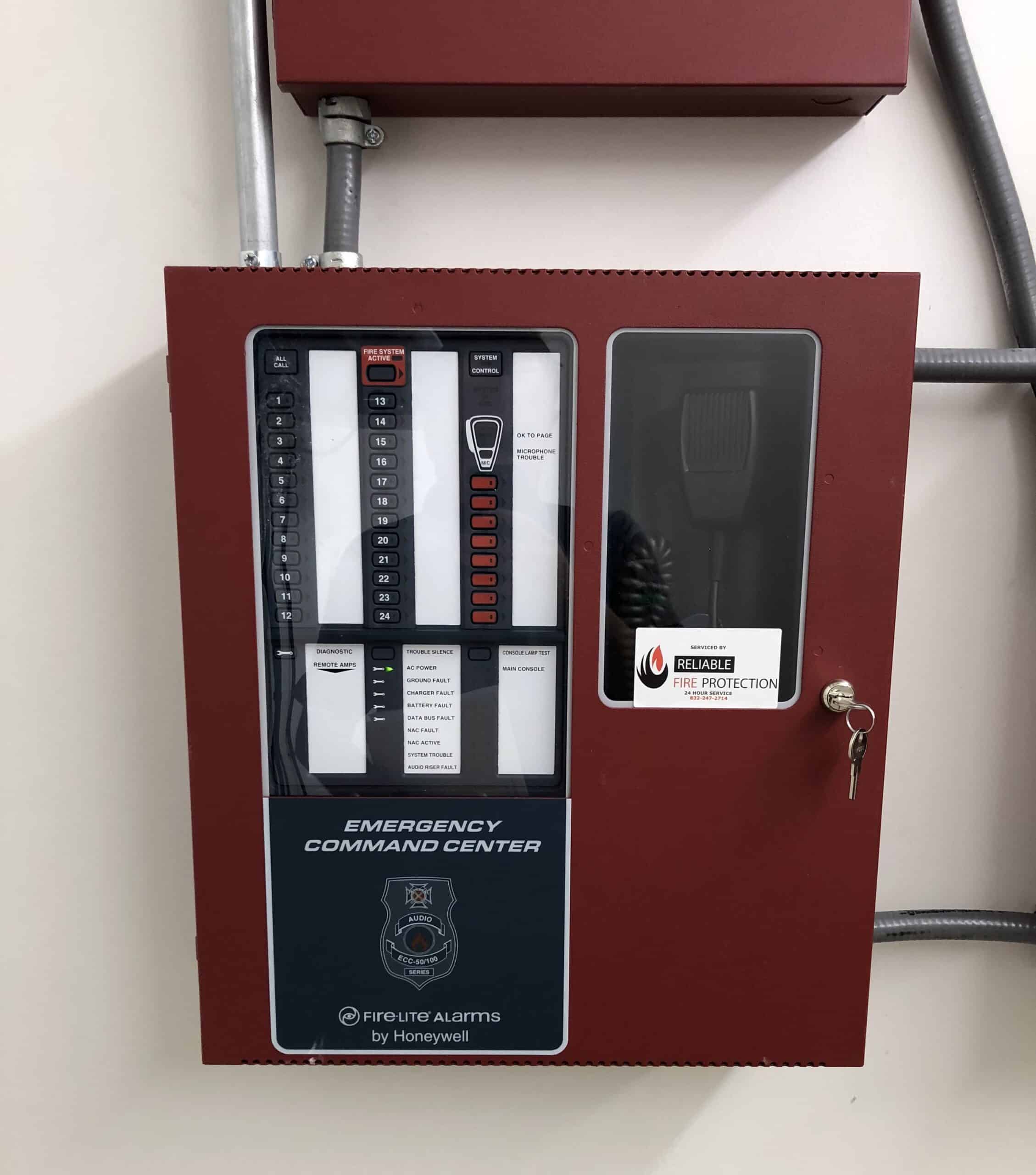
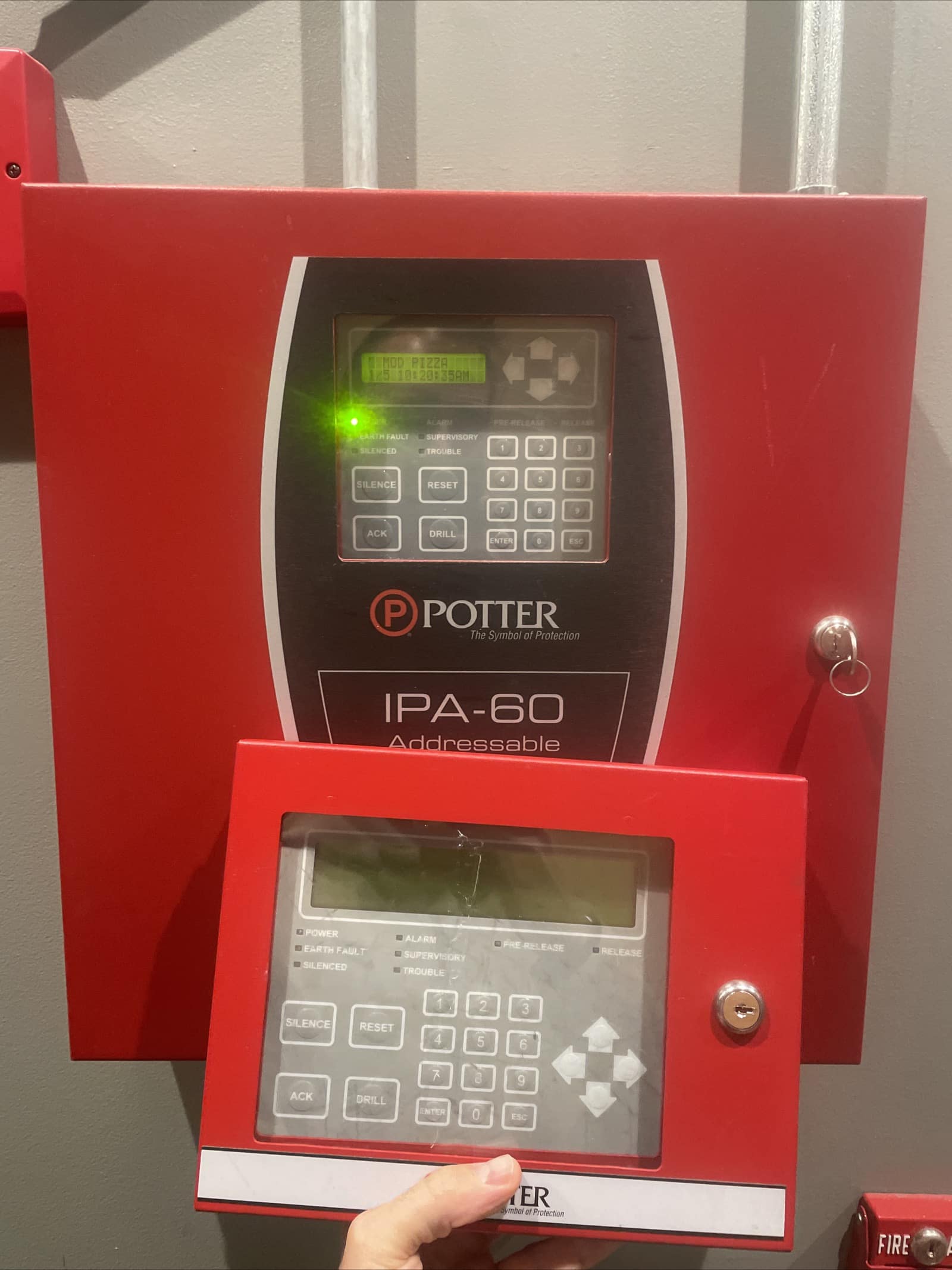
A fire alarm system only protects people and property when every initiating device, notification appliance, and panel circuit is doing its job.
Reliable Fire Protection (RFP) handles fire alarm installation, inspection, monitoring, and maintenance for commercial and industrial properties across Greater Fifth Ward Houston — from warehouses and distribution space along the rail corridor to light manufacturing shops, offices, churches, and mixed-use buildings near Lyons Avenue and Jensen Drive.
Our work covers the full lifecycle of the system:
- Design and installation — addressable and conventional panels specified for your occupancy and square footage.
- Annual inspection and testing — documented to NFPA 72 and ready for the Authority Having Jurisdiction.
- Central station monitoring — continuous signal supervision so alarms reach the fire department without delay.
- Repair and maintenance — troubleshooting trouble signals, replacing aging devices, and clearing deficiencies noted on your last report.
Whether you manage a single tenant building or a multi-tenant industrial park, our state-licensed technicians keep the system ready. We serve the surrounding area as well, including downtown Houston commercial buildings.
Careful Work and Real Attention to Detail
Fire alarm systems in Greater Fifth Ward Houston must be inspected, tested, and maintained on a regular schedule to satisfy the codes enforced by your local and state jurisdiction.
The standards published by the National Fire Protection Association (NFPA), particularly NFPA 72, exist so that occupants are warned and property is protected when a fire starts. The Houston Fire Marshal’s Office enforces those requirements alongside the adopted fire code.
RFP’s state-licensed inspectors work through your system methodically:
- Panel and power supply — control unit programming, batteries, and supervisory functions verified.
- Initiating devices — smoke and heat detectors, duct detectors, pull stations, and waterflow switches tested device by device.
- Notification appliances — horns, strobes, and speakers checked for audibility and correct synchronization.
- Off-premises signaling — communication to the central station confirmed end to end.
- Written documentation — a clear report you can hand to the fire marshal or your insurance carrier.
Older industrial buildings in the Fifth Ward often carry decades of tenant changes, so we flag coverage gaps and obsolete devices before they become violations. The same approach guides our work in Greater Third Ward.
Fire Alarm Service Built Around Your Operations
Our Houston-based crews schedule fire alarm installation, testing, and maintenance around your production hours, shift changes, and tenant access so your operation keeps moving.
Property managers and facility teams in Greater Fifth Ward count on RFP for:
- UL Listed and FM Approved equipment and inspection services
- State-licensed technicians who know how Houston inspectors read NFPA 72
- Documented reports delivered after every inspection visit
- Code-compliant design that satisfies AHJ review before installation begins
- Responsive repair when a panel goes into trouble or a device fails
We also support fire sprinkler systems, fire suppression systems, extinguisher service, backflow preventer testing, and fire pumps and tanks, so one contractor can keep the whole life safety package current. Need coverage elsewhere in the metro? See our Houston fire alarm services.
Get a FREE Estimate Today
(832) 345-5360
Why Greater Fifth Ward Businesses Choose RFP
We are a family-owned company with deep Houston roots, and we treat every client like a neighbor. Commercial and industrial property owners across Greater Fifth Ward stay with us because of how the work gets done:
State-Licensed Technicians
Trained professionals who hold current Texas licensing for fire alarm work.
AHJ & NFPA Code Compliance
Systems designed, installed, and tested to pass review by the Houston Fire Marshal’s Office.
Clear Documentation
Inspection records and deficiency lists written so your insurer and the AHJ can follow them.
Local Response
Crews already working the Fifth Ward, Denver Harbor, and the near northeast side.
Get Your Free Fire Alarm Estimate in Greater Fifth Ward
Whether you are planning a new fire alarm system, scheduling an annual inspection, or adding central station monitoring, Reliable Fire Protection can help. Call (832) 345-5360 for a free, no-obligation estimate.
Fire Alarm Requirements for Greater Fifth Ward Properties
The City of Houston adopts the International Fire Code with local amendments, and the Houston Fire Marshal’s Office enforces it throughout Greater Fifth Ward.
Nearly every commercial building in the area needs a fire alarm system that meets NFPA 72 and reports to a UL-listed central station. Requirements tighten for:
- High-rise and multi-story buildings where occupants cannot see the fire floor.
- Large-footprint facilities such as the warehouses and distribution buildings common near the rail lines and US-59.
- Properties with automatic sprinkler systems, where waterflow and valve supervision must tie back to the alarm panel.
- Assembly, educational, and institutional occupancies including the churches, community buildings, and schools serving the neighborhood.
Fifth Ward’s mix of century-old industrial stock and new mixed-use construction means two buildings on the same block can face very different code paths. We confirm what applies to your occupancy classification before any equipment is ordered, the same way we do in Houston Heights.
Trusted by Greater Fifth Ward Property Owners
Our technicians are state-licensed, fully insured, and equipped to design, install, and service fire alarm systems across Greater Fifth Ward Houston.
Every installation comes with full lifecycle support — design, permitting, acceptance testing, monitoring, and annual inspection handled by one team.
Read what Houston-area clients say about working with us on our Google Business Profile.
Frequently Asked Questions
Does a Greater Fifth Ward business need monitored fire alarm?
Most commercial buildings in Greater Fifth Ward need a fire alarm system reporting to a UL-listed central station under the City of Houston Fire Code and NFPA 72.
Monitoring is especially likely to be required for buildings with an occupant load of 50 or more, structures above three stories, and high-hazard occupancies such as the warehousing and light manufacturing sites found throughout the neighborhood.
How often must fire alarms be inspected in Greater Fifth Ward?
Texas fire code and the Houston Fire Marshal’s Office generally call for a complete annual inspection and test performed by a licensed contractor, with certain components checked semiannually.
After each visit you receive a written report you can submit to the fire marshal or your insurance carrier.
Will a tenant buildout change my existing fire alarm coverage?
It can. Moving walls, adding ceiling space, or reworking a floor plan can leave detector spacing outside what NFPA 72 requires, and that is one of the most frequent deficiencies written up during annual inspections in Houston.
We review the new layout and revise the system design so the building stays compliant after the buildout.
Can an older alarm panel be upgraded instead of replaced?
Often, yes. Our technicians assess the existing control panel, wiring, and field devices to see whether a targeted upgrade will bring the system current with NFPA 72 and the Houston Fire Code.
When the panel is obsolete or parts are no longer available, we explain why full replacement is the better long-term investment and what it involves.
Do you handle permitting with the Houston Fire Marshal's Office?
Yes. We prepare and submit fire alarm plans for review and coordinate the acceptance testing required before the system can be placed in service.
That includes scheduling with the inspector and being on site to walk the test with them.