
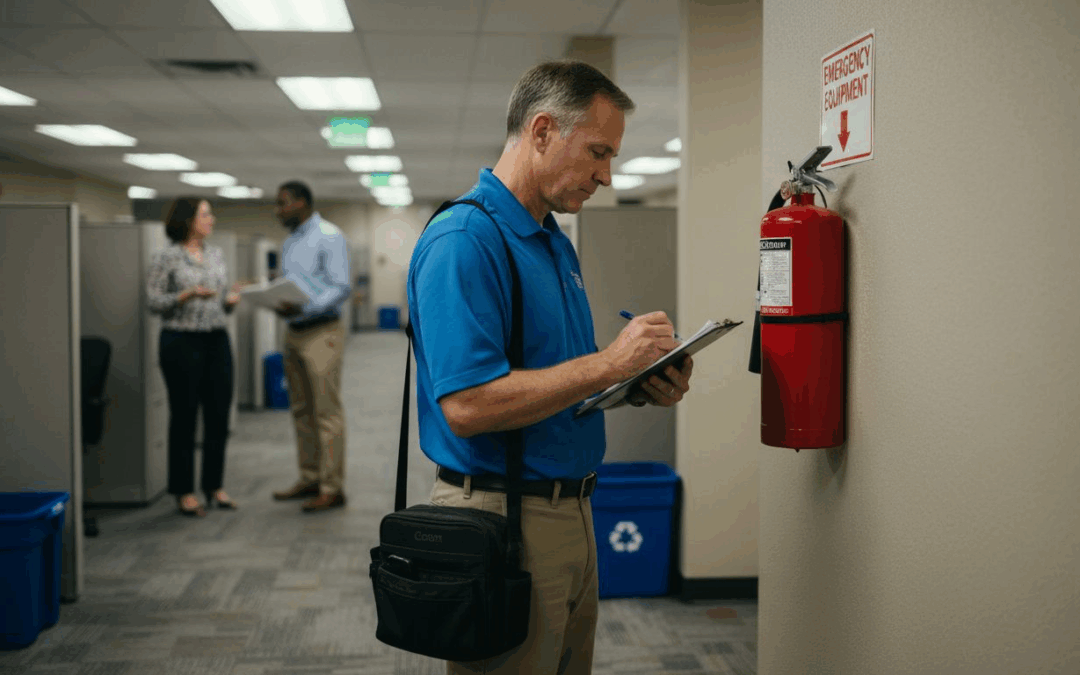
A single missed detail with fire extinguisher placement can turn an emergency into a tragedy, yet many American property managers still overlook this critical responsibility. Managing multi-family buildings in Houston means more than meeting codes—it is about protecting lives and legal standing at the same time. This guide offers actionable strategies to help you master fire extinguisher compliance, avoid common mistakes, and provide real peace of mind for both you and your tenants.
Table of Contents
- Verify Proper Placement Of Fire Extinguishers
- Check The Pressure Gauge For Full Charge
- Inspect For Damage Or Signs Of Tampering
- Ensure Tags And Labels Are Current
- Test Accessibility And Clear Pathways
- Review Professional Inspection Records
- Educate Staff And Tenants On Proper Use
Quick Summary
| Takeaway | Explanation |
|---|---|
| 1. Ensure Proper Placement of Extinguishers | Position fire extinguishers near exits and high-risk areas to ensure quick access during emergencies. |
| 2. Check Pressure Gauge Regularly | Inspect the pressure gauge monthly to confirm the extinguisher is fully charged and ready for use. |
| 3. Inspect for Damage or Tampering | Examine extinguishers for physical damage, compromised seals, and other issues that may affect performance. |
| 4. Verify Current Tags and Labels | Ensure that inspection tags are updated to provide essential service history and compliance information. |
| 5. Educate Staff on Usage | Train employees in the PASS technique and proper extinguisher usage to enhance emergency response capabilities. |
1. Verify Proper Placement of Fire Extinguishers
Fire extinguishers are your first line of defense in an emergency, but their effectiveness depends entirely on their strategic placement throughout your property. Understanding and implementing proper fire extinguisher positioning can mean the difference between quickly controlling a small fire and facing a potential catastrophe.
According to safety guidelines, fire extinguishers must be positioned along normal paths of travel and remain clearly accessible and unobstructed. This means mounting them near exits, corridors, and areas with higher fire risk while ensuring they are visible and easy to reach within seconds of detecting a fire.
When verifying placement, focus on two critical aspects: maximum travel distance and visibility. For Class A fire extinguishers, you should ensure they are no more than 75 feet apart, while Class B extinguishers require placement within 50 feet of potential fire hazards. These specific guidelines help guarantee rapid response during an emergency.
To implement proper placement, walk through your property and systematically check each extinguisher’s location. Look for wall mounting points that are clear of obstructions, with labels facing outward and mounting height between 4 to 5 feet from the floor. Pay special attention to areas like kitchens, mechanical rooms, electrical panels, and storage spaces where fire risks are higher.
Warning Signs of Improper Placement:
- Extinguishers hidden behind doors or furniture
- Blocked access within a 3 foot radius
- Mounting height too low or too high for easy grab
- No clear path to reach the extinguisher quickly
Pro tip: Create a visual map of your fire extinguisher locations and train all staff or residents on their exact positions to minimize confusion during an emergency.
2. Check the Pressure Gauge for Full Charge
A fire extinguisher might look perfectly fine from the outside, but its internal pressure determines whether it will work when you need it most. The pressure gauge is your critical indicator of an extinguisher’s readiness to combat potential fires effectively.
Monthly visual inspections require checking the pressure gauge to ensure your fire extinguisher remains fully charged and operational. The gauge typically features a color coded system where the green zone signals a proper charge while red indicates immediate maintenance is required.
Understanding how to read the pressure gauge is straightforward. During your inspection, look for the needle positioned within the green section, which represents the optimal pressure range for immediate use. Extinguishers with needles outside this zone are potentially compromised and may fail during an emergency.
Different types of fire extinguishers have unique pressure verification methods. While most have standard gauges, carbon dioxide extinguishers might require alternative assessment techniques like weighing to confirm their charge status. This variation underscores the importance of understanding your specific equipment.
Warning Signs of Pressure Issues:
- Needle positioned in red zone
- Needle fluctuating between zones
- No visible movement on gauge
- Physical signs of gauge damage
Pro tip: Create a quick monthly reminder on your phone to check fire extinguisher pressure gauges, treating it like any other routine maintenance task.
3. Inspect for Damage or Signs of Tampering
Your fire extinguisher is a critical safety device that must remain in perfect condition to function during an emergency. Visual inspections reveal potential issues that could compromise its performance and reliability.
A comprehensive damage inspection goes beyond a quick glance. You need to methodically examine the entire extinguisher for signs of physical compromise that could render it ineffective when you need it most. This means checking for structural integrity, seal condition, and potential unauthorized interactions.
Key Areas to Examine:
- Physical shell condition
- Tamper seal integrity
- Presence and security of pull pin
- Nozzle and hose condition
- Signs of corrosion or leakage
- External physical damage like dents or scratches
The tamper seal serves as a critical indicator of the extinguisher’s untouched status. A broken or missing seal suggests potential unauthorized use or interference that could compromise the unit’s reliability. Always replace an extinguisher or have it professionally serviced if the seal appears disturbed.
Warning Signs Requiring Immediate Action:
- Broken or missing safety seal
- Visible corrosion on metal components
- Cracked or damaged discharge hose
- Evidence of previous discharge
- Physical dents that might impact internal mechanisms
Pro tip: Keep a simple inspection log next to each fire extinguisher, documenting the date of inspection and any observations to track potential issues over time.
4. Ensure Tags and Labels Are Current
Labels and tags are the unsung heroes of fire extinguisher maintenance, providing critical documentation that validates the safety and readiness of your emergency equipment. Inspection records must be meticulously maintained to guarantee compliance and operational effectiveness.
Every fire extinguisher should have clearly visible tags that record its service history, inspection dates, and maintenance details. These documents serve as a legal and safety record proving the extinguisher has been professionally checked and remains in optimal condition. Think of tags as the medical chart for your fire safety equipment.
What to Look for on Inspection Tags:
- Most recent service date
- Technician signature
- Next scheduled maintenance date
- Unique equipment identification number
- Visual indication of current inspection status
The annual maintenance tag is particularly crucial. It confirms that a professional has thoroughly examined the extinguisher within the past 12 months, checking internal components, pressure levels, and overall structural integrity. An expired or missing tag is a red flag that demands immediate attention.
Critical Reasons to Verify Tags:
- Legal compliance requirements
- Proof of ongoing maintenance
- Safety documentation
- Insurance validation
- Emergency preparedness tracking
Pro tip: Create a digital spreadsheet to track fire extinguisher tag information, setting automatic reminders for upcoming inspections and maintenance dates.
5. Test Accessibility and Clear Pathways
Seconds matter during a fire emergency, which means your fire extinguisher must be immediately accessible without any barriers or obstacles. Monthly inspections require verifying unobstructed access to ensure these critical safety devices can be grabbed and deployed instantly.
Accessibility is not just about visibility it is about creating a clear path that allows anyone to reach the fire extinguisher quickly and safely. The standard safety guideline requires maintaining a minimum 3 foot clear zone around each fire extinguisher, preventing anything from blocking potential life saving intervention.
Common Accessibility Barriers:
- Stacked boxes or storage items
- Furniture positioned in front of extinguishers
- Hanging coats or equipment
- Temporary workspace clutter
- Filing cabinets or shelving units
Proper Placement Checklist:
- Extinguisher mounted at eye level
- No objects within 3 feet radius
- Clearly visible from primary work areas
- Near potential fire risk zones
- Unobstructed walking path
Warning Signs of Poor Accessibility:
- Extinguisher hidden behind doors
- Blocked by large equipment
- Difficult to remove from mounting
- Requires moving multiple items to access
- Obscured by hanging materials
Pro tip: Create a quarterly walkthrough checklist to systematically review fire extinguisher accessibility and train staff on maintaining clear emergency pathways.
6. Review Professional Inspection Records
Professional fire extinguisher inspections are not optional bureaucratic paperwork they are critical safety documentation that could save lives. Annual certified inspections verify the operational readiness of your emergency equipment and ensure compliance with critical safety standards.
These professional records represent more than just a checkmark they provide a comprehensive history of your fire extinguisher maintenance. Each inspection tag and document tells a story of ongoing safety management tracking everything from physical condition to potential performance issues.
What Professional Records Should Include:
- Date of professional inspection
- Technician certification details
- Equipment condition assessment
- Specific maintenance performed
- Recommendations for future service
- Compliance verification stamp
Key Compliance Standards:
- NFPA 10 portable fire extinguisher guidelines
- Local fire safety regulations
- Insurance requirement documentation
- Equipment manufacturer specifications
- Systematic maintenance tracking
Warning Signs of Inadequate Record Keeping:
- Missing annual inspection tags
- Incomplete service documentation
- Lack of detailed maintenance notes
- No clear service history timeline
- Absence of professional certification markers
Pro tip: Digitize your fire extinguisher inspection records and create a centralized electronic folder with automatic backup to ensure no critical documentation is ever lost.
7. Educate Staff and Tenants on Proper Use
Knowing how to use a fire extinguisher can transform a potential disaster into a manageable situation. Employee training on fire extinguisher techniques is not just a recommendation it is a critical safety imperative that could save lives and property.
Effective fire extinguisher education goes beyond simply showing someone how to pull a pin and squeeze a trigger. It involves comprehensive understanding of fire classifications, appropriate extinguisher selection, and most importantly recognizing when to fight a fire versus when to evacuate.
Critical Training Components:
- Fire classification understanding
- Proper extinguisher selection
- PASS technique demonstration
- Evacuation protocol awareness
- Situational risk assessment
PASS Technique Breakdown:
- Pull the pin at the top of extinguisher
- Aim low toward base of fire
- Squeeze handle slowly and evenly
- Sweep from side to side covering fire base
When NOT to Use a Fire Extinguisher:
- Fire is larger than wastebasket size
- Smoke is thick and visibility is low
- You lack proper training
- Fire is blocking your exit path
- Fire involves flammable liquids or electrical equipment
Pro tip: Schedule quarterly fire safety workshops that include hands on fire extinguisher training with professional safety instructors to maintain skills and confidence.
Below is a comprehensive table summarizing the key guidelines and practices for fire extinguisher maintenance and readiness described in the article.
| Topic | Description | Recommendations |
|---|---|---|
| Proper Placement | Ensure fire extinguishers are positioned strategically for maximum accessibility. | Follow travel distance guidelines (e.g., Class A ≤ 75 ft, Class B ≤ 50 ft), ensure visibility, and mount at 4–5 ft high. Conduct walkthrough assessments. |
| Checking Pressure | Confirm the extinguisher’s operational readiness via the pressure gauge. | Inspection monthly, ensure the needle is in the green zone; assess alternative systems per extinguisher type. |
| Inspecting for Damage | Regularly examine extinguishers for physical or mechanical integrity. | Look for shell damage, nozzle damage, tampered seals, and corrosion. Document findings. |
| Reviewing Tags & Labels | Maintain up-to-date information regarding the extinguisher’s servicing. | Verify recent professional inspections, complete service records, and compliance with standards. |
| Educational Training | Educate staff and tenants about emergency use of extinguishers. | Provide training on fire types, extinguisher usage (PASS method), and evacuation readiness. |
Ensure Your Fire Extinguishers Are Always Ready When It Matters Most
Maintaining fire extinguishers following the 7 essential steps in your checklist can be challenging without expert guidance. Issues like improper placement, pressure concerns, or outdated inspection tags increase risk and stress during emergencies. Reliable Fire Protection understands these pain points and offers Houston-based fire safety solutions designed to keep your property compliant and your safety devices fully operational.
Take control of your fire safety by partnering with experts who specialize in fire extinguisher maintenance, professional inspections, and staff training. Visit Reliable Fire Protection to explore our services and get your free quote today. Protect your home or business now with proven solutions that save precious seconds and lives. Learn more about our comprehensive fire protection options and never worry about your fire extinguishers again by checking out our full range of services. For immediate assistance and expert advice, connect with us directly through our contact page.
Frequently Asked Questions
How do I verify the proper placement of fire extinguishers?
To verify the proper placement of fire extinguishers, ensure they are mounted near exits and in high-risk areas, with a clear path for access. Check that Class A extinguishers are within 75 feet of travel and Class B extinguishers within 50 feet of potential hazards.
What should I look for when checking the pressure gauge of a fire extinguisher?
When checking the pressure gauge, confirm that the needle is in the green zone, indicating the extinguisher is fully charged. If the needle indicates red or fluctuates, schedule a maintenance check immediately to ensure the extinguisher functions properly.
How can I identify damage or signs of tampering on a fire extinguisher?
Look for physical damage such as dents, corrosion, or signs of leakage when inspecting a fire extinguisher. Also, check the tamper seal; if it is broken or missing, replace the extinguisher or have it serviced to maintain safety.
Why is it important to ensure tags and labels are current?
Current tags and labels provide crucial documentation of a fire extinguisher’s inspection history and maintenance. Verify that each extinguisher has a visible tag showing the most recent service and next scheduled maintenance date to ensure readiness in an emergency.
How do I ensure clear accessibility to fire extinguishers?
To ensure clear accessibility, maintain a minimum 3-foot clear zone around each fire extinguisher. Regularly check for any obstructions like furniture or storage that may block access, allowing for quick deployment in case of a fire.
What should I include when reviewing professional inspection records for fire extinguishers?
Review professional inspection records to include the date of the last inspection, technician details, and the condition of the extinguisher. Ensure that each record contains notes on maintenance performed and recommendations for future service to comply with safety standards.