by Reliable Fire Protection | Aug 24, 2026 | Fire Protection
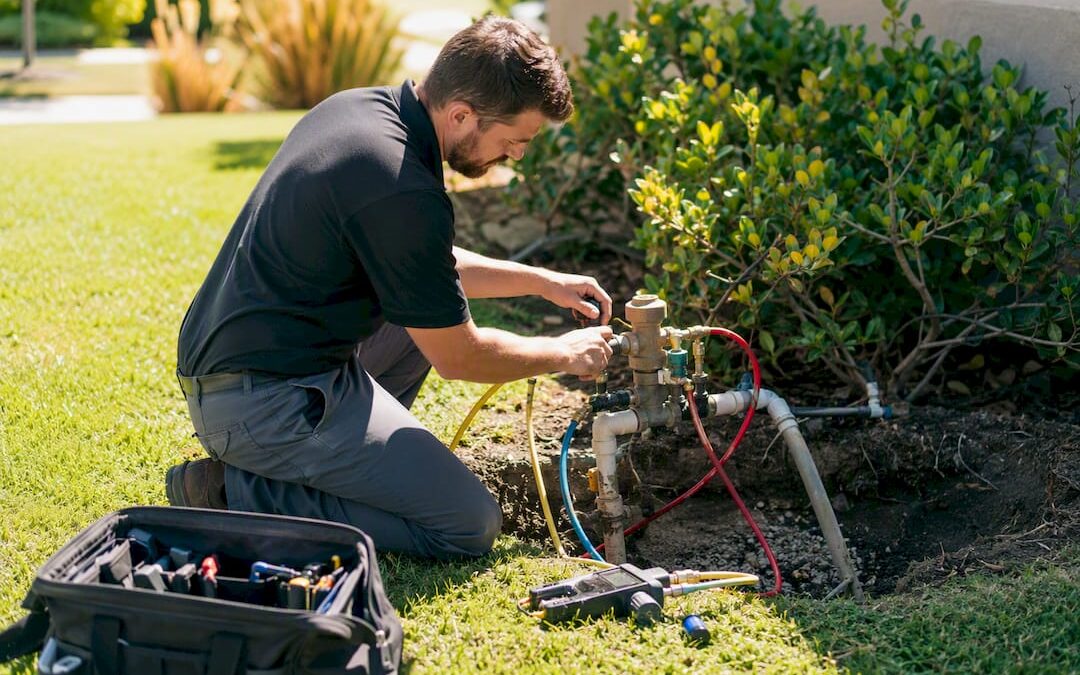
Expect to pay $75 to $180 per device for a standard backflow test, with a wider national range of $30 to $300 depending on the assembly. A single irrigation preventer typically costs less, while commercial RPZ assemblies are among the more expensive types to test....
by Reliable Fire Protection | Aug 23, 2026 | Fire Protection
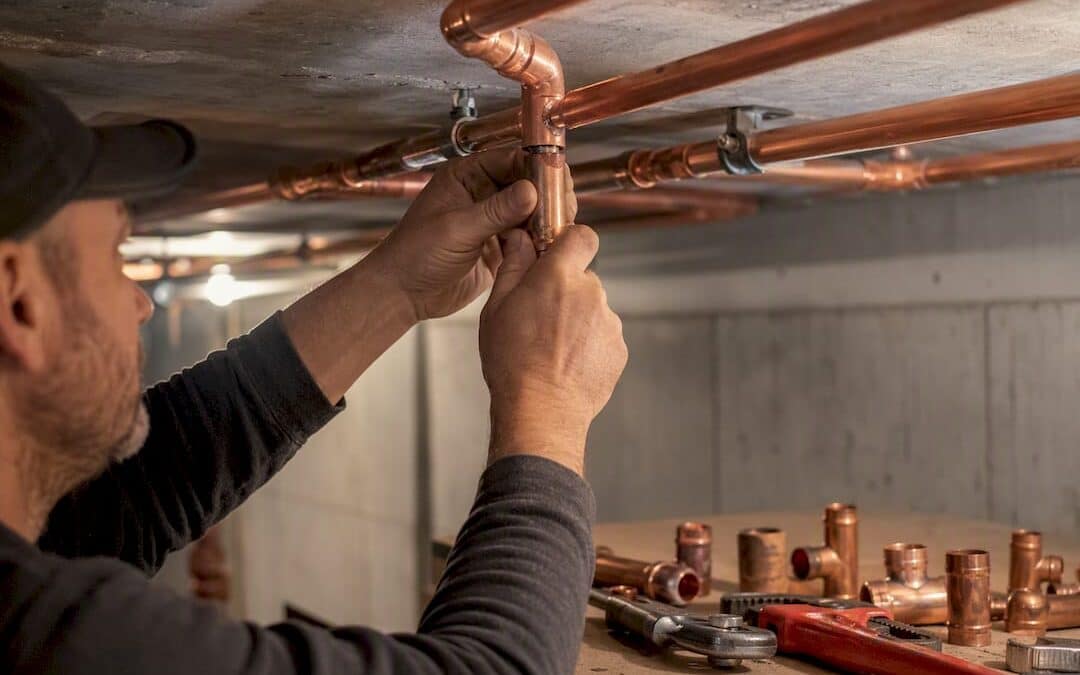
New construction sprinkler systems run $1.50 to $3.00 per sprinklered square foot, while retrofitting an existing building typically costs $2.00 to $7.00 or more per square foot. High-rise and hazardous occupancies push past that range quickly, driven by pumps,...
by Reliable Fire Protection | Aug 22, 2026 | Fire Protection
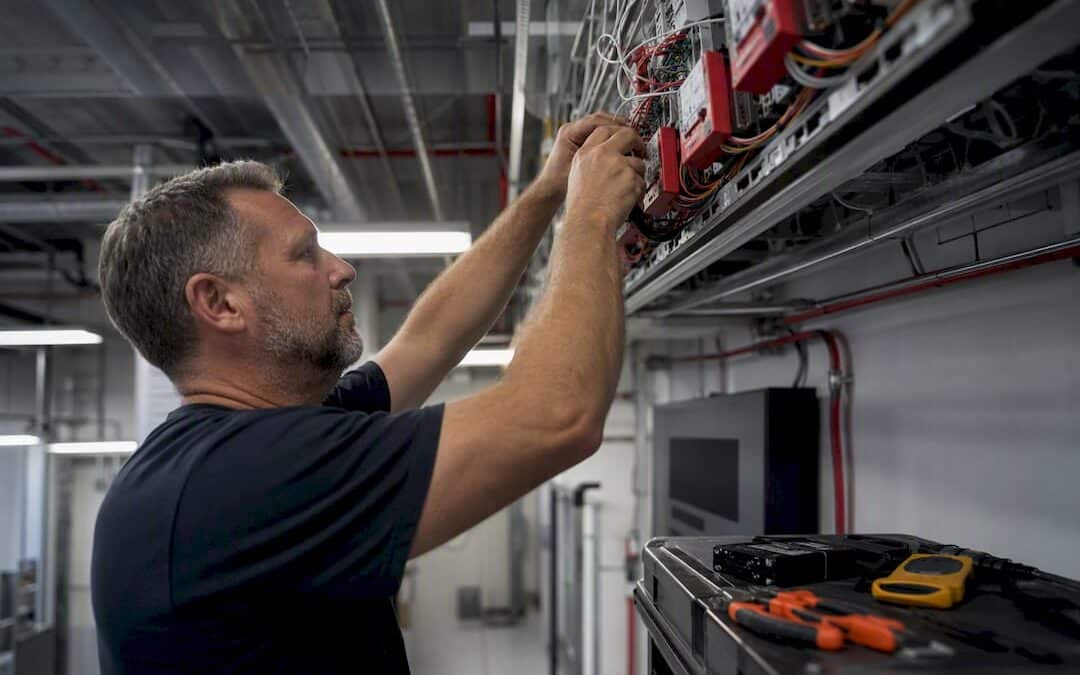
Yes, if your alarm system can automatically notify the Houston Fire Department, you need a permit under city ordinance. City Code Chapter 11, Sec. 11-12 makes it unlawful to operate such a system without one. Single-family homes are exempt, but monitored commercial,...
by Reliable Fire Protection | Aug 21, 2026 | Fire Protection
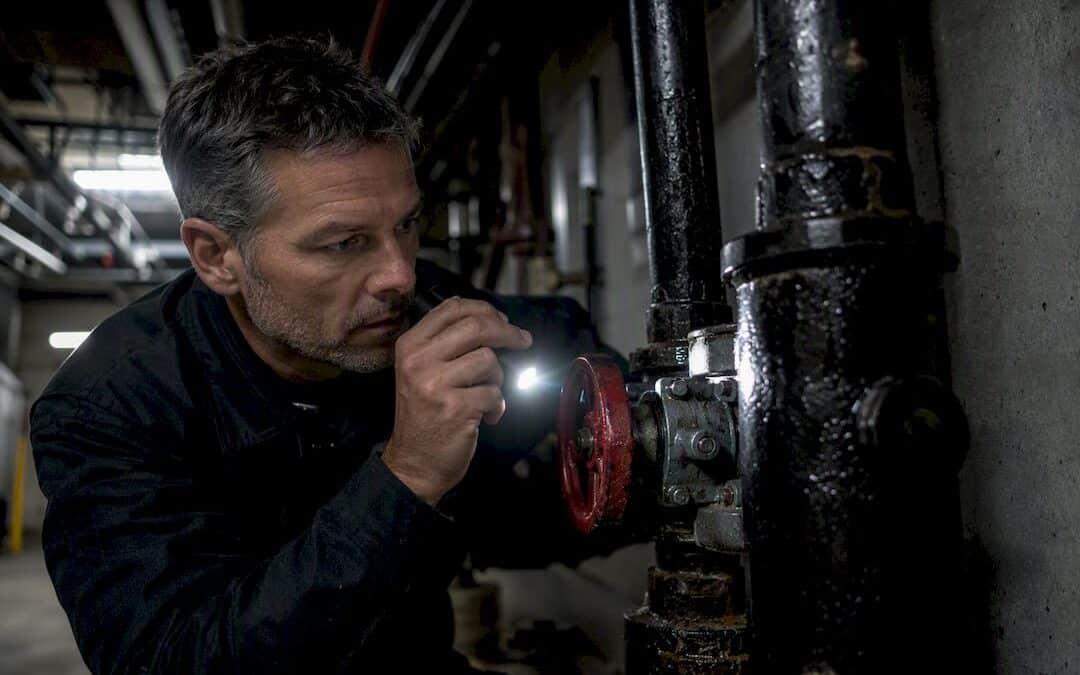
If you find a sprinkler pipe leak, isolate the affected riser or control valve immediately, only if it can be done without disabling protection to occupied areas, start an NFPA 25 impairment procedure, and notify your monitoring company or authority having...
by Reliable Fire Protection | Aug 20, 2026 | Fire Protection
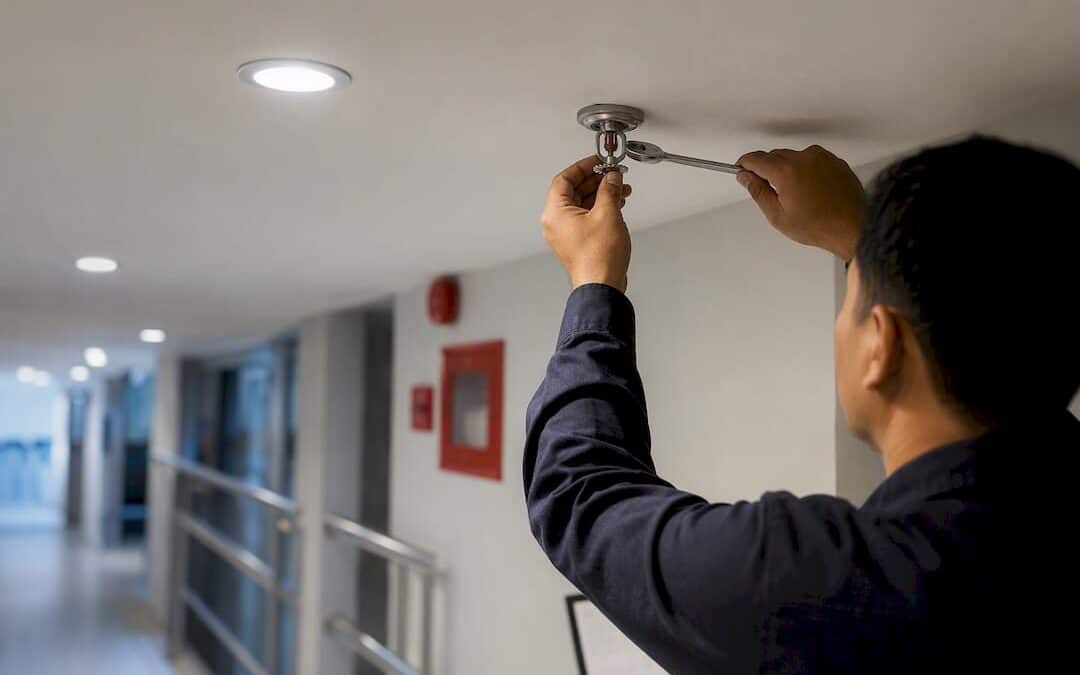
Local fire codes are the legally enforceable minimum standards that dictate how a building prevents fires, detects them, suppresses them, and gets people out alive. They aren’t suggestions or best-practice guides. They’re law, and the local Authority Having...