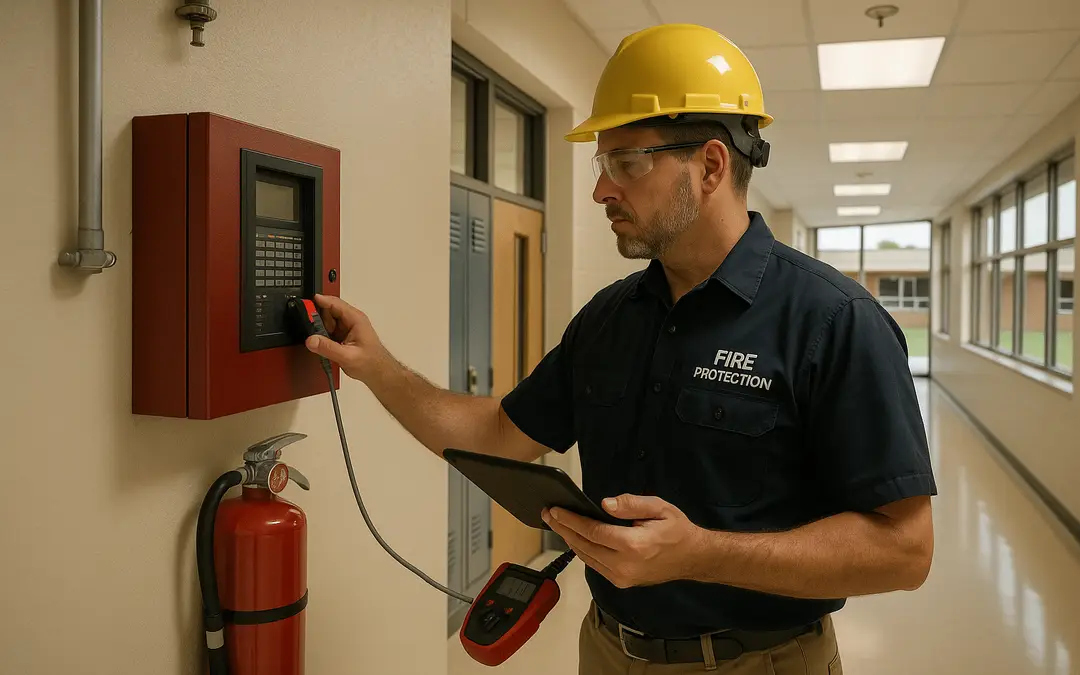
by Sean Ellis | Oct 7, 2026 | Fire Protection
TL;DR: Houston schools must maintain a working fire alarm system tested annually under NFPA 72 and the Houston Fire Code, while also meeting Texas Education Code drill mandates and Houston’s own requirement of one fire drill per month in Group E occupancies....
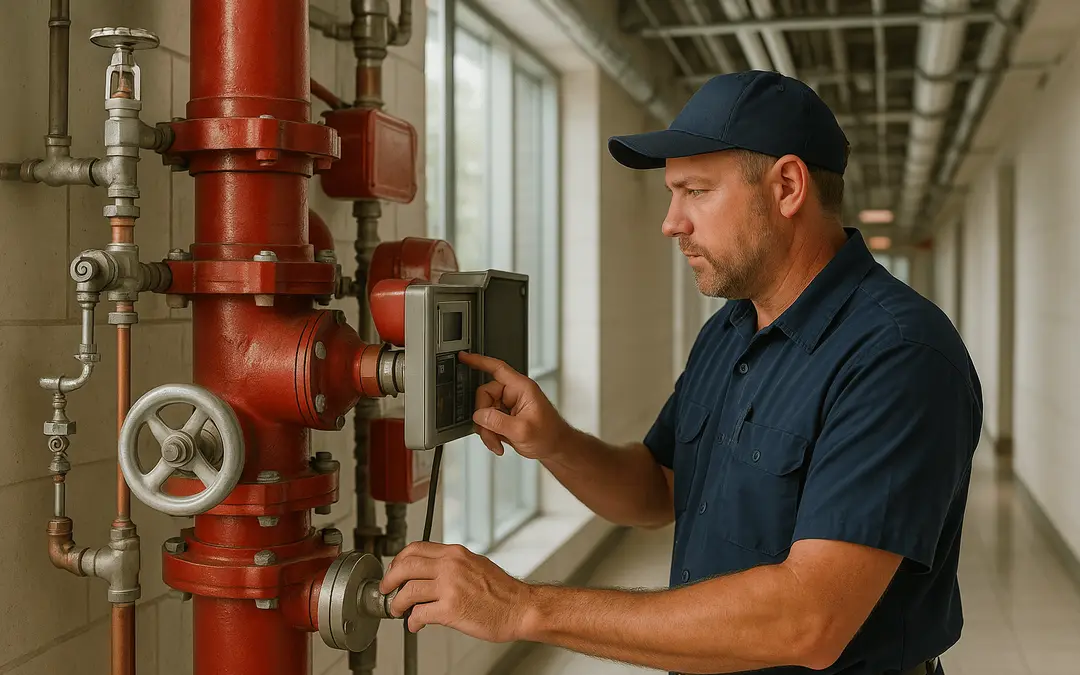
by Sean Ellis | Oct 6, 2026 | Fire Protection
TL;DR: NFPA 101, the Life Safety Code, sets the fire and egress requirements that Houston hospitals, nursing homes, and ambulatory surgical centers must meet to keep their license and Medicare/Medicaid funding. Because patients often can’t self-evacuate,...
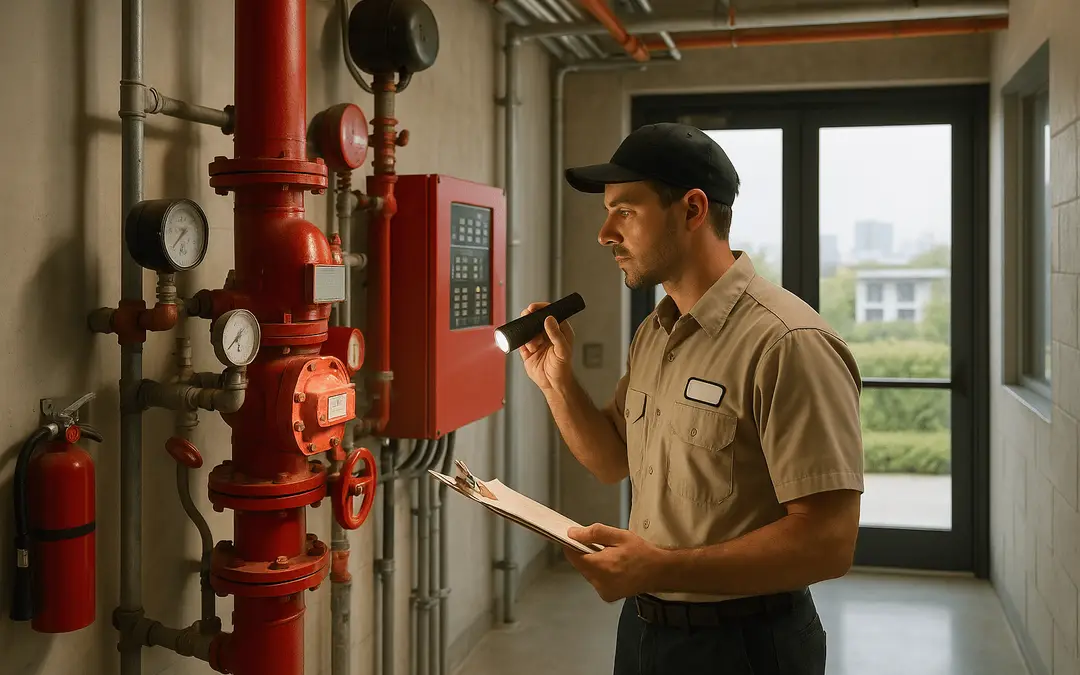
by Sean Ellis | Oct 5, 2026 | Fire Protection
TL;DR: Houston hotels juggle more fire code requirements than almost any other property type, from guest room alarms and corridor doors to kitchen hood suppression and backflow preventers. This checklist breaks down the NFPA standards, Harris County and Houston Fire...
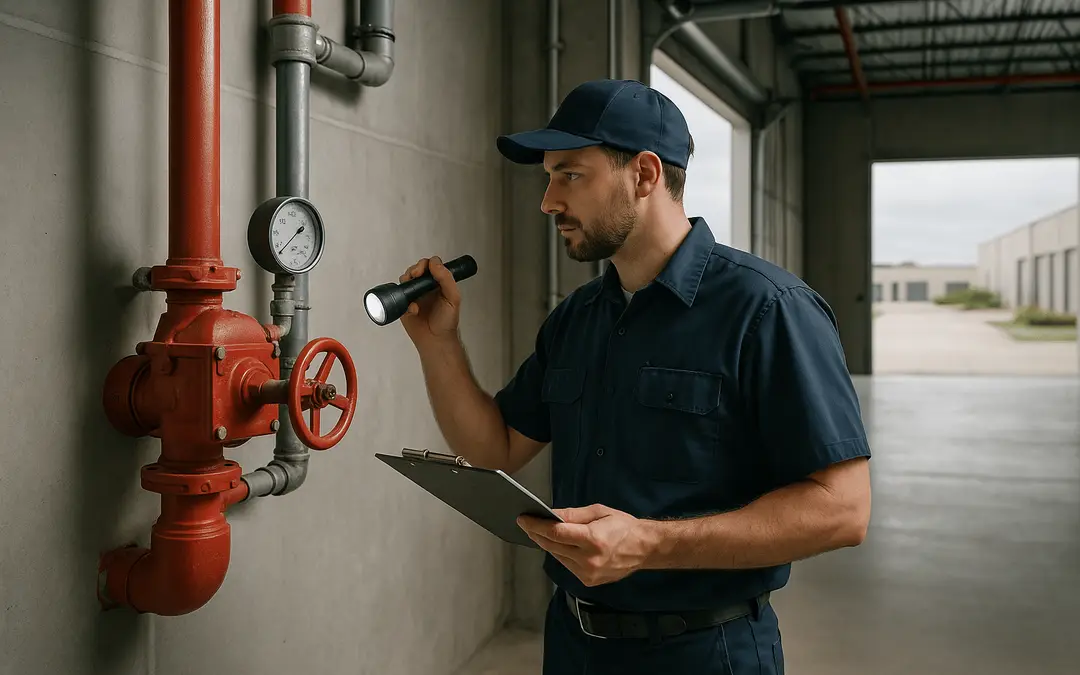
by Sean Ellis | Oct 4, 2026 | Fire Protection
TL;DR: A fire protection deficiency is any condition that fails to meet NFPA standards, and in Houston it can turn into a Fire Marshal citation fast if ignored. This guide walks property managers through the exact steps to find, classify, document, and repair...
by Sean Ellis | Oct 3, 2026 | Fire Protection
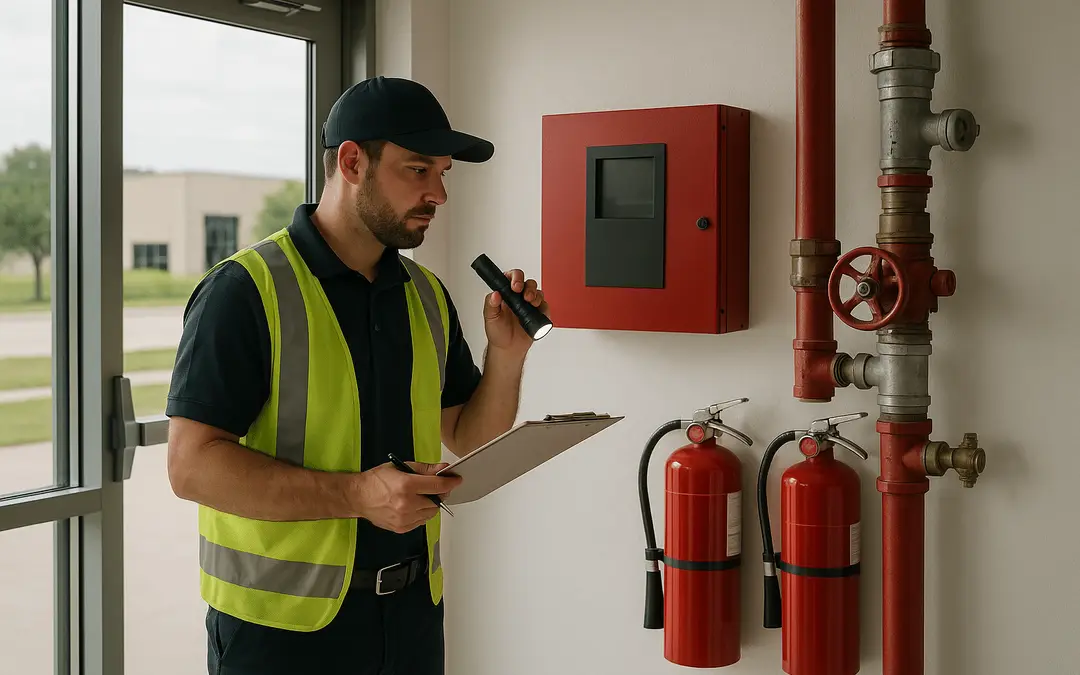
TL;DR: Passing an AHJ fire inspection in Houston means having current, documented NFPA inspections on every system — alarms, sprinklers, extinguishers, suppression, and backflow — plus clear access and up-to-date paperwork on hand. This guide walks property managers...
by Sean Ellis | Oct 2, 2026 | Fire Protection
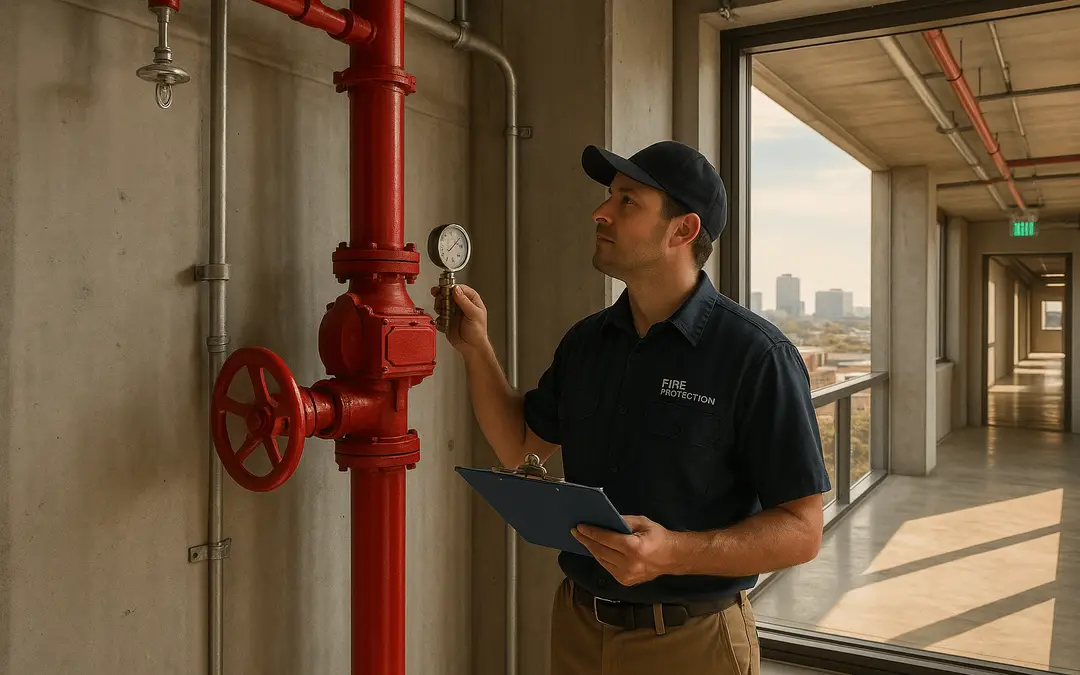
TL;DR: Harris County and the City of Houston enforce fire code requirements based on the 2021 International Fire Code with local amendments, backed by NFPA standards for sprinklers, alarms, and suppression systems. Property owners in unincorporated Harris County,...