
Most American businesses underestimate the complexity of commercial fire safety, yet more than 100,000 commercial fires occur in the United States every year. Protecting your business, employees, and assets requires more than installing basic alarms. Understanding the layered principles of commercial fire safety makes the difference between everyday risk and lasting security. This guide explains the strategies and technologies every American business owner must know to safeguard their workplace from devastating fire threats.
Table of Contents
- Core Principles Of Commercial Fire Safety
- Major Types Of Fire Protection Systems
- Fire Safety Codes And Legal Obligations
- Essential Responsibilities For Property Owners
- Common Pitfalls And Risk Reduction Strategies
Key Takeaways
| Point | Details |
|---|---|
| Risk Assessment is Crucial | Conduct thorough evaluations of workplace hazards to identify potential fire risks. |
| Implement Robust Fire Protection Systems | Utilize a combination of active and passive fire protection technologies tailored to specific environments. |
| Ensure Legal Compliance | Stay informed about fire safety codes and regulations to avoid fines and legal liabilities. |
| Prioritize Employee Training | Regularly train staff on fire safety procedures and emergency response protocols to enhance workplace safety. |
Core Principles of Commercial Fire Safety
Commercial fire safety represents a comprehensive approach to protecting businesses, employees, and assets from potential fire risks. Global fire safety standards emphasize systematic prevention, detection, and response strategies that go beyond mere compliance.
The core principles of commercial fire safety encompass several critical components. First, risk assessment is foundational – identifying potential fire hazards within a workplace environment requires thorough, systematic evaluation. This involves analyzing electrical systems, combustible materials, potential ignition sources, and understanding unique workplace characteristics. Fire safety engineering principles recommend a comprehensive approach that integrates technological solutions with strategic planning.
Key elements of effective commercial fire safety include:
- Robust fire detection systems
- Strategically placed fire extinguishers
- Clear emergency evacuation protocols
- Regular employee safety training
- Maintenance of fire suppression equipment
Practical implementation demands continuous monitoring and proactive management. Businesses must develop adaptive fire safety strategies that evolve with changing workplace technologies, building configurations, and potential risk environments.
Pro Safety Tip: Conduct a comprehensive fire safety audit annually, involving professional fire protection experts who can identify hidden risks and recommend targeted improvement strategies for your specific workplace environment.
Major Types of Fire Protection Systems
Fire protection systems are critical safeguards designed to detect, control, and suppress fires in commercial environments. Fire protection systems categorized by municipal authorities typically encompass multiple technological approaches that work together to minimize potential damage and protect human life.

Commercial fire protection systems are generally divided into two primary categories: active and passive systems. Active systems require direct intervention to function, such as sprinklers or fire extinguishers that engage when triggered. Comprehensive fire suppression technologies include water sprinkler systems, chemical suppressants, gas-based systems, and advanced mist technologies. Each system is engineered to address specific environmental risks and potential fire scenarios.
The main types of fire protection systems include:
- Water Sprinkler Systems: Automatic fire suppression using pressurized water
- Chemical Suppression Systems: Specialized for electrical or sensitive equipment areas
- Gas-Based Suppression Systems: Used in server rooms and areas with critical infrastructure
- Foam Suppression Systems: Effective for flammable liquid fire risks
- Aerosol Suppression Systems: Compact and efficient for smaller, contained spaces
Implementing the right fire protection system requires careful assessment of workplace environment, potential hazards, and specific industry requirements. Businesses must consider factors like equipment sensitivity, potential fire sources, and regulatory compliance when selecting appropriate protection technologies.
Here’s a concise comparison of the most common commercial fire protection systems and their best application areas:
| System Type | Key Advantage | Ideal Location |
|---|---|---|
| Water Sprinklers | Rapid response to most fires | Offices, warehouses |
| Chemical Suppression | Safe for electrical equipment | Data centers, labs |
| Gas-Based Suppression | No residue after discharge | Server rooms, archives |
| Foam Suppression | Controls flammable liquid fires | Industrial plants, garages |
| Aerosol Suppression | Effective in compact spaces | Control rooms, small vaults |
Pro Safety Tip: Conduct a professional fire risk assessment annually to determine the most suitable fire protection systems for your specific workplace environment and potential hazard scenarios.
Fire Safety Codes and Legal Obligations
Fire safety codes represent a critical framework of legal requirements designed to protect businesses, employees, and property from potential fire hazards. Municipal fire protection standards mandate specific compliance measures that businesses must implement to ensure workplace safety and meet regulatory expectations.
Legal compliance in fire safety involves multiple layers of responsibility. International fire safety standards provide comprehensive guidelines that businesses must follow, covering essential aspects such as:
- Mandatory fire risk assessments
- Regular equipment inspections
- Proper maintenance of fire protection systems
- Employee safety training requirements
- Documentation and reporting protocols
Businesses face significant legal implications for non-compliance, including potential fines, increased liability, and potential shutdown orders. Regulatory requirements vary by industry, building type, and local jurisdictions, making it crucial for organizations to stay informed about specific fire safety regulations applicable to their specific operational environment.
Implementing a proactive approach to fire safety codes involves developing a comprehensive strategy that goes beyond minimal legal requirements. This includes creating detailed emergency response plans, conducting regular staff training, maintaining updated safety documentation, and investing in high-quality fire protection technologies.
Pro Safety Tip: Schedule an annual comprehensive fire safety audit with certified professionals to ensure complete compliance and identify potential regulatory gaps before they become critical issues.
Essential Responsibilities for Property Owners
Property owners bear substantial legal and ethical responsibilities for maintaining comprehensive fire safety standards across their buildings and facilities. Municipal fire protection guidelines mandate specific obligations that require proactive management and consistent maintenance of critical safety infrastructure.
These essential responsibilities encompass multiple critical areas:
- System Maintenance: Ensuring all fire protection systems are fully functional
- Regular Inspections: Conducting comprehensive safety assessments
- Documentation: Maintaining precise records of all fire safety activities
- Equipment Updates: Keeping fire protection technologies current
- Staff Training: Implementing ongoing safety education programs
Comprehensive property protection strategies require property owners to evaluate multiple factors when selecting and maintaining fire suppression technologies. This includes considering system effectiveness, potential environmental impact, human safety considerations, and long-term operational costs.
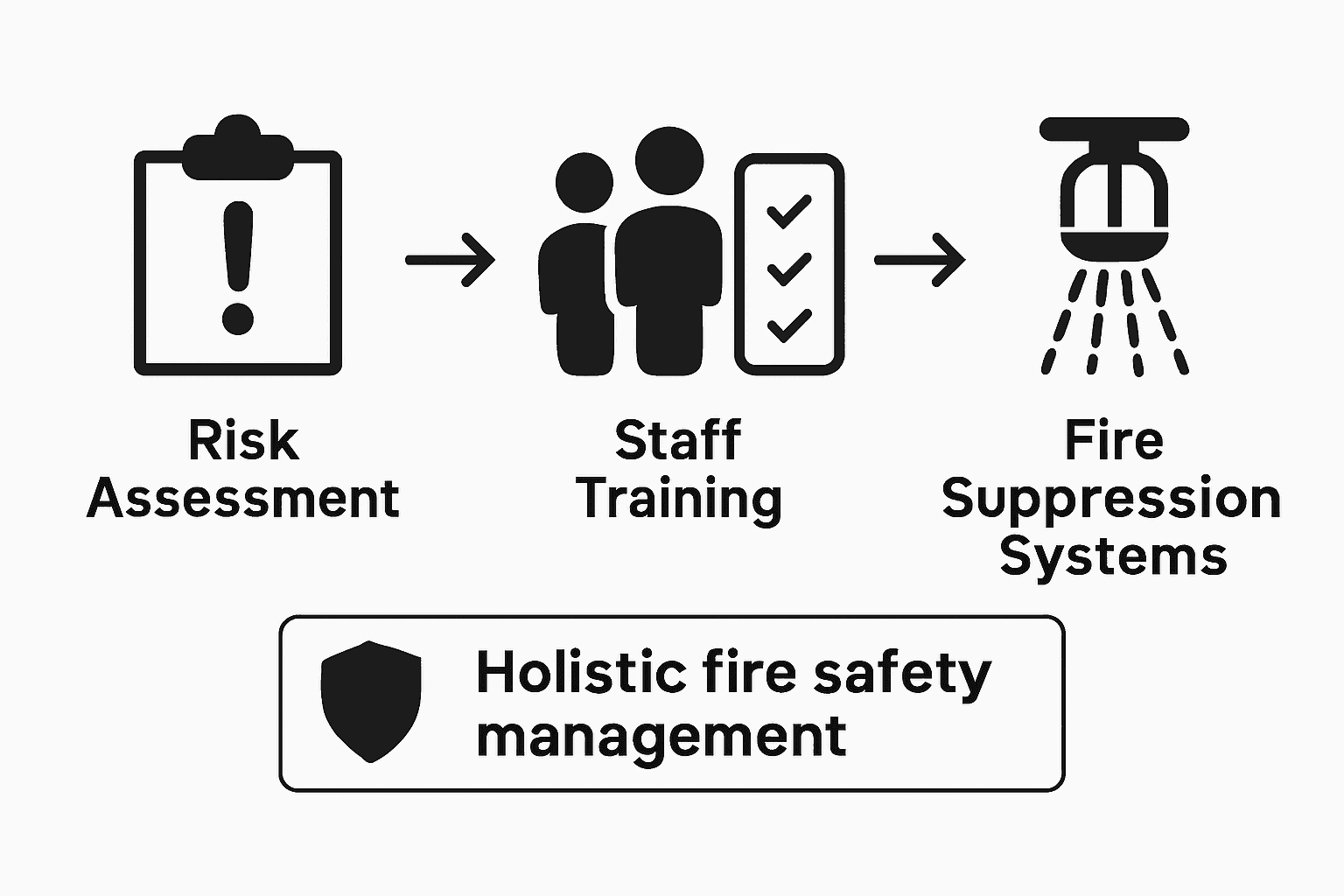
Successful fire safety management demands a holistic approach that integrates technological solutions, regulatory compliance, and proactive risk management. Property owners must develop robust emergency response plans, invest in advanced detection and suppression technologies, and create a culture of safety that prioritizes prevention and preparedness.
Pro Safety Tip: Develop a comprehensive fire safety documentation system that tracks all inspections, maintenance activities, and system upgrades to demonstrate ongoing compliance and protect your property from potential liability.
Below is a summary of key legal and safety obligations for commercial property owners:
| Obligation | Why It Matters | Potential Consequence |
|---|---|---|
| Annual Inspections | Confirms safety equipment works | Fines, increased risk |
| Document Management | Proves ongoing compliance | Legal liability, downtime |
| Staff Training | Ensures effective response | Mishandled emergencies |
| System Upgrades | Maintains code compliance | Costly retrofits, penalties |
Common Pitfalls and Risk Reduction Strategies
Fire safety is a complex landscape where seemingly minor oversights can lead to catastrophic consequences. International fire safety engineering standards highlight the critical importance of understanding and mitigating potential risks through systematic design and proactive management.
Businesses frequently encounter several common pitfalls in fire safety management:
- Outdated Equipment: Failing to upgrade fire protection systems
- Inadequate Training: Insufficient employee fire safety education
- Poor Documentation: Inconsistent maintenance and inspection records
- Ignored Warning Signs: Overlooking minor equipment malfunctions
- Limited Emergency Planning: Lack of comprehensive evacuation protocols
Emerging building technologies and materials introduce new challenges that require continuous assessment and adaptation of fire safety strategies. Property managers must remain vigilant about understanding how new construction methods and materials potentially impact fire risk and suppression capabilities.
Risk reduction demands a multilayered approach that combines technological solutions, comprehensive staff training, and proactive maintenance strategies. This includes implementing robust monitoring systems, conducting regular risk assessments, and creating adaptive emergency response plans that evolve with changing workplace environments.
Pro Safety Tip: Develop a dynamic fire safety management system that includes quarterly technology reviews, annual comprehensive training programs, and continuous improvement protocols to stay ahead of emerging risks and technological changes.
Protect Your Houston Business with Reliable Fire Safety Solutions
Commercial fire safety challenges demand expert attention to detail and proactive management. The risks of outdated equipment, insufficient staff training, and overlooked maintenance are real and costly. Reliable Fire Protection offers Houston businesses tailored solutions designed to meet strict fire safety codes and prevent common pitfalls highlighted in the latest industry standards. Whether you need advanced fire alarm systems, sprinkler installations, or comprehensive fire suppression systems, our certified team ensures your property stays protected and compliant.
Our expertise covers everything from system maintenance to employee safety education, helping you create an adaptive fire safety environment that evolves with your business needs. Dont wait for an emergency to expose gaps in your fire safety plan. Discover how Reliable Fire Protection can help you implement robust fire detection and suppression technologies designed specifically for Houston commercial properties.
Enhance your fire safety strategy today with experts who care.
Ready to safeguard your business with proven fire protection solutions? Contact us now for a free consultation and take the vital step toward comprehensive fire safety at Reliable Fire Protection. Learn more about our full range of services and how they address your unique risks by visiting our main page Reliable Fire Protection Services. Ensure your Houston business meets all fire safety regulations and secures peace of mind.
Frequently Asked Questions
What are the core principles of commercial fire safety?
The core principles of commercial fire safety include risk assessment, effective fire detection systems, strategic placement of fire extinguishers, clear emergency evacuation protocols, regular employee safety training, and maintenance of fire suppression equipment.
What types of fire protection systems are available for businesses?
Businesses can choose from various fire protection systems, including water sprinkler systems, chemical suppression systems, gas-based suppression systems, foam suppression systems, and aerosol suppression systems, each designed to address specific fire risks.
How can businesses ensure compliance with fire safety codes?
Businesses can ensure compliance with fire safety codes by conducting mandatory fire risk assessments, carrying out regular equipment inspections, maintaining fire protection systems, providing employee safety training, and managing proper documentation and reporting protocols.
What are common pitfalls in fire safety management that businesses should avoid?
Common pitfalls in fire safety management include neglecting to upgrade outdated equipment, insufficient employee training, poor maintenance documentation, ignoring warning signs of equipment malfunctions, and lacking comprehensive emergency planning.