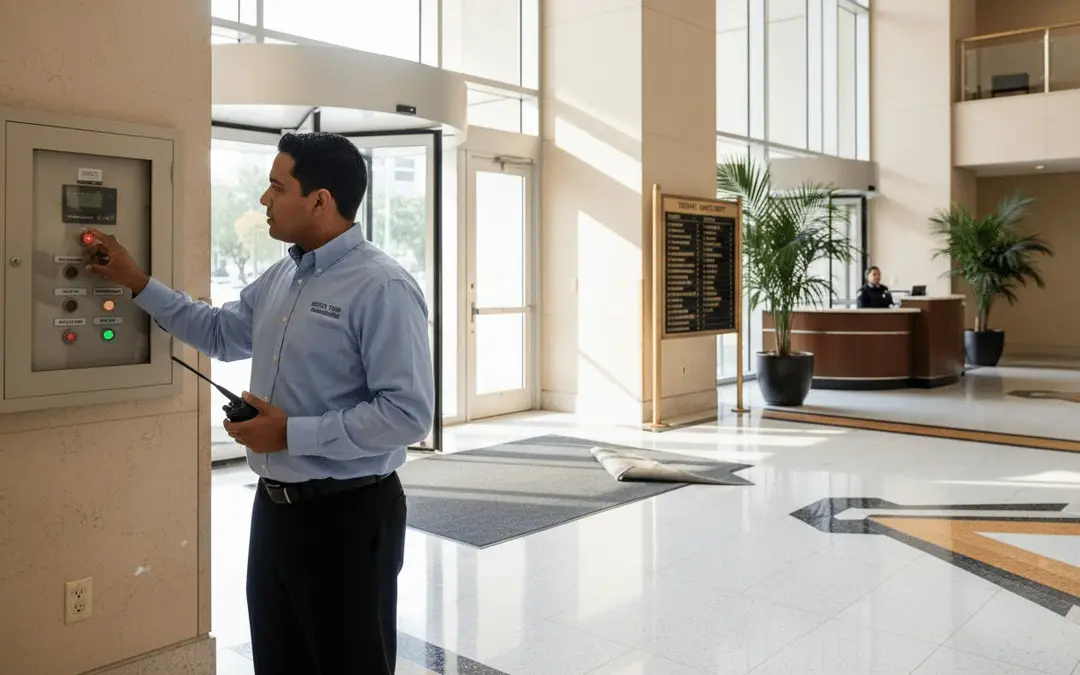
Most american commercial property managers are surprised to learn that one in three building fire deaths occurs in properties lacking a properly working alarm. For those overseeing multi-tenant buildings in Houston, understanding the complexities of fire alarm systems is vital to meet legal obligations and keep every tenant safe. This article clears up common misunderstandings about fire alarms and highlights solutions that help local managers maintain compliance while protecting property and lives.
Table of Contents
- Defining Fire Alarms And Common Misunderstandings
- Types Of Fire Alarm Systems For Properties
- How Fire Alarm Systems Function And Integrate
- Houston Fire Code And NFPA 72 Compliance
- Property Manager Responsibilities And Pitfalls
- Benefits Of Routine Monitoring And Maintenance
Key Takeaways
| Point | Details |
|---|---|
| Importance of Comprehensive Systems | Fire alarm systems must incorporate smoke detectors, heat sensors, and manual pull stations for effective fire safety. Each component fulfills a crucial role in ensuring swift emergency response. |
| Regular Maintenance is Essential | Routine inspections and maintenance are vital to ensure the reliability of fire alarm systems, reducing the risk of failures during emergencies. |
| Legal Compliance Matters | Property owners must adhere to local fire codes and NFPA 72 standards, including proper system installation and ongoing maintenance, to avoid penalties. |
| Property Managers’ Responsibilities | Managers must regularly inspect systems, keep detailed documentation, and address vulnerabilities promptly to ensure occupant safety and compliance. |
Defining Fire Alarms and Common Misunderstandings
Fire alarms are sophisticated safety systems designed to detect potential fire hazards and alert occupants in commercial buildings. These critical devices serve as an early warning mechanism, enabling swift evacuation and emergency response. Fire alarm systems function through a network of sophisticated detection components that monitor environmental conditions and trigger warnings when dangerous heat or smoke levels are detected.
In Houston commercial buildings, fire alarms typically incorporate multiple detection technologies, including smoke detectors, heat sensors, and manual pull stations. Each component plays a specific role in comprehensive fire safety. Smoke detectors can identify both smoldering and flaming fire conditions, while heat sensors recognize sudden temperature increases that might indicate a developing fire scenario. Manual pull stations provide a human-activated emergency alert option, ensuring occupants can immediately trigger a building-wide warning if they detect potential danger.
Despite their critical importance, several common misunderstandings persist about fire alarm systems. Many property managers mistakenly believe that installing a single alarm is sufficient for complete building protection. Smoke alarms save lives by providing early warning, but they require proper installation and maintenance to function effectively. Interconnected alarm systems are crucial, as they ensure that when one alarm detects smoke, all alarms in the building activate simultaneously, maximizing notification speed and reducing response time during emergencies.
Pro tip: Conduct quarterly fire alarm system inspections and replace detection components every 10 years to maintain optimal performance and reliability.
Types of Fire Alarm Systems for Properties
Fire alarm systems for commercial properties come in several distinct configurations, each designed to meet specific safety requirements and building characteristics. Conventional and addressable systems represent the two primary technological approaches utilized in modern commercial fire protection strategies. Conventional systems divide buildings into broad zones, grouping multiple detection devices together, while addressable systems provide precise device-level identification, enabling more targeted emergency response.
Modern commercial fire alarm systems incorporate multiple detection technologies to ensure comprehensive safety coverage. These typically include manual pull stations, which allow human activation during emergencies, smoke detectors capable of identifying both smoldering and flaming fire conditions, and heat sensors that recognize rapid temperature increases. Commercial properties must also comply with Americans with Disabilities Act (ADA) standards by installing both audible and visible notification devices to ensure all occupants can be effectively alerted during an emergency.
The selection of a fire alarm system depends on several critical factors, including building layout, occupancy type, local fire codes, and specific safety objectives. Larger commercial properties in Houston often require more sophisticated addressable systems that provide real-time location tracking of potential fire incidents. Smaller businesses might find conventional systems more cost-effective, while still maintaining essential safety protocols. Regardless of the system type, regular maintenance, professional installation, and adherence to National Fire Protection Association (NFPA) guidelines remain crucial for ensuring optimal performance.
Here’s a comparison of conventional and addressable fire alarm systems for commercial properties:
| System Type | Identification Method | Best For | Implementation Cost |
|---|---|---|---|
| Conventional | Zone-level detection | Small properties | Lower initial investment |
| Addressable | Device-level identification | Large, complex buildings | Higher upfront cost |
Pro tip: Consult with a certified fire protection specialist to perform a comprehensive building assessment and recommend the most appropriate fire alarm system for your specific property.
How Fire Alarm Systems Function and Integrate
Fire alarm systems operate through a complex network of interconnected components designed to detect, communicate, and respond to potential fire emergencies. These systems initiate alerts through specialized devices like smoke detectors, heat sensors, and manual pull stations, which transmit critical signals to the fire alarm control unit. The control unit serves as the central processing hub, analyzing incoming information and determining the appropriate emergency response protocol.
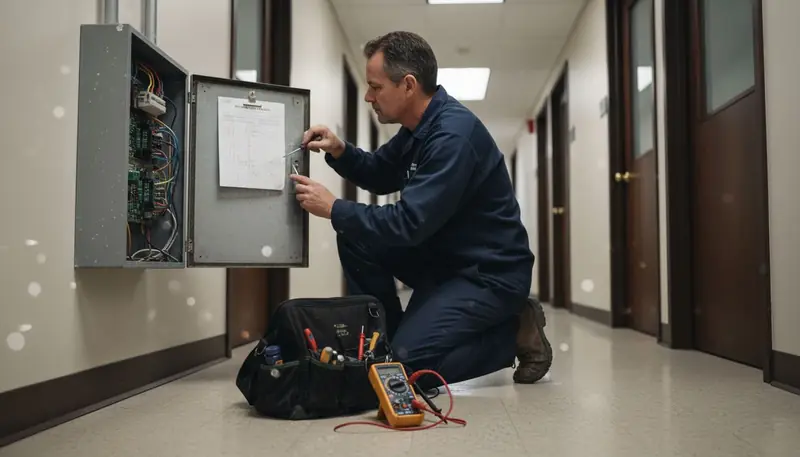
In commercial settings, fire alarm systems integrate multiple technologies to provide comprehensive protection. Sophisticated addressable systems allow for precise device-level identification, enabling rapid and targeted emergency responses. Each detection device communicates a unique identifier, allowing building managers to pinpoint the exact location of a potential fire incident. Supervising station systems play a critical role in fire safety by receiving and verifying alarm signals, ensuring that emergency communication centers are promptly and accurately notified while minimizing false alarm risks.
The integration of fire alarm systems extends beyond simple detection, encompassing comprehensive safety protocols. Modern systems can simultaneously activate multiple emergency response mechanisms, including sprinkler systems, emergency lighting, door release mechanisms, and building-wide communication systems. This holistic approach ensures that not only are occupants alerted to potential dangers, but additional safety measures are automatically deployed to mitigate risk and facilitate safe evacuation. Commercial properties in Houston require these sophisticated, interconnected systems to meet stringent safety regulations and protect human lives and property assets.
Pro tip: Schedule annual professional inspections to verify that all fire alarm system components are functioning correctly and remain fully integrated with building safety infrastructure.
Houston Fire Code and NFPA 72 Compliance
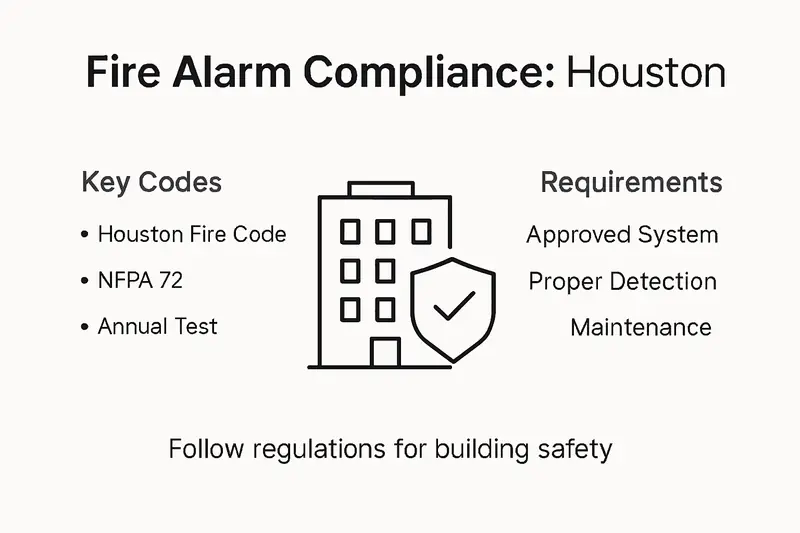
Houston’s comprehensive fire protection regulations establish rigorous standards for commercial buildings, ensuring life safety through meticulous fire alarm system requirements. The 2021 Houston Fire Code mandates specific protocols for fire protection equipment, site safety plans, and systematic compliance verification. These regulations are not merely suggestions but legally enforceable standards that commercial property owners must carefully implement and maintain.
The National Fire Protection Association (NFPA) 72 serves as the cornerstone of fire alarm system compliance in Houston commercial properties. The city’s building and fire codes adopt and enforce these comprehensive requirements, covering critical aspects of fire alarm system design, installation, testing, and ongoing maintenance. Commercial property managers must submit detailed plans for approval before construction and ensure continuous adherence to these stringent standards. This involves regular inspections, documentation, and proactive system management to meet municipal safety regulations.
Key compliance requirements include installing approved fire alarm systems with specific detection technologies, maintaining accessible fire protection equipment, and implementing comprehensive emergency response protocols. Property owners bear full responsibility for meeting these standards, which encompass everything from initial system design to ongoing maintenance and periodic recertification. Failure to comply can result in significant penalties, including potential building use restrictions, substantial fines, and legal liabilities in the event of fire-related incidents.
Pro tip: Retain a certified fire protection engineer to conduct an annual comprehensive review of your fire alarm system’s compliance with Houston Fire Code and NFPA 72 standards.
Property Manager Responsibilities and Pitfalls
Property managers bear comprehensive legal and operational responsibilities for maintaining fire alarm systems in commercial buildings. These responsibilities extend far beyond simple installation, encompassing ongoing maintenance, documentation, and proactive risk management. Successful fire safety management requires a meticulous approach that combines technical knowledge, regulatory understanding, and continuous system evaluation.
Key responsibilities for property managers include conducting regular system inspections, maintaining detailed maintenance records, and ensuring prompt resolution of any identified system vulnerabilities. Fire and life safety compliance demands comprehensive oversight, including scheduling professional inspections, documenting code adherence, and responding immediately to system failures. Managers must also develop and maintain clear emergency evacuation procedures, train building occupants on safety protocols, and coordinate with local fire authorities to ensure full regulatory compliance.
Common pitfalls that property managers must vigilantly avoid include neglecting routine maintenance, ignoring minor system impairments, and failing to update fire alarm technologies as building configurations change. These oversights can result in catastrophic consequences, including potential legal liabilities, significant financial penalties, and most critically, compromised occupant safety. Houston commercial properties face particularly stringent requirements, with local fire codes mandating extensive documentation, regular professional assessments, and immediate corrective actions for any identified system deficiencies.
Below is a summary of key property manager responsibilities and common pitfalls:
| Responsibility | Description | Common Pitfall |
|---|---|---|
| Regular System Inspections | Schedule routine professional checks | Skipping or delaying inspections |
| Maintenance Documentation | Keep up-to-date maintenance records | Incomplete or missing records |
| Code Compliance Oversight | Monitor adherence to local fire codes | Ignoring code updates |
Pro tip: Implement a comprehensive digital tracking system to monitor fire alarm system maintenance schedules, inspection reports, and regulatory compliance documentation.
Benefits of Routine Monitoring and Maintenance
Routine monitoring and maintenance of fire alarm systems are critical for ensuring reliable life safety protection in commercial buildings. These systematic approaches dramatically reduce the risk of system failures during emergencies, providing property managers with a proactive strategy to safeguard occupants and assets. Regular maintenance goes beyond simple compliance, transforming fire alarm systems from passive safety devices into dynamic, responsive protection mechanisms.
Comprehensive monitoring involves multiple critical components, including periodic system testing, component cleaning, battery replacements, and thorough performance evaluations. Supervising station operators play a crucial role in signal verification, ensuring that emergency services respond only to genuine incidents and minimizing false alarm risks. Advanced monitoring techniques help commercial properties maintain optimal system functionality, reduce potential downtime, and provide real-time insights into fire safety infrastructure performance.
The statistical evidence supporting routine maintenance is compelling. Working fire alarm systems can reduce fatal fire risks by more than half, making regular inspections and updates an essential investment in occupant safety. Houston commercial properties face unique challenges, including varying environmental conditions and complex building architectures, which further underscore the importance of consistent, professional maintenance. By implementing comprehensive monitoring protocols, property managers can detect potential system vulnerabilities early, prevent costly emergency repairs, and maintain continuous compliance with local fire safety regulations.
Pro tip: Create a digital maintenance log with automated reminders for system inspections, component replacements, and performance assessments to ensure consistent fire alarm system reliability.
Protect Your Houston Commercial Building with Expert Fire Alarm Solutions
Fire alarm systems are essential for safeguarding lives and property in Houston commercial buildings. The article highlights challenges such as complex building layouts, strict Houston Fire Code compliance, and the critical need for routine monitoring and maintenance to avoid costly failures or life-threatening incidents. Property managers aiming to meet NFPA 72 standards while preventing common pitfalls like skipped inspections or outdated equipment face demanding responsibilities.
At Reliable Fire Protection, we specialize in tailored fire alarm solutions designed to meet these exact challenges. From advanced addressable systems that pinpoint fire locations to comprehensive maintenance programs that keep your alarms reliable and code-compliant, we ensure your commercial property is protected with expert care and local knowledge. Do not wait until an emergency exposes your vulnerabilities.
Take control of your fire safety today.
Discover our full range of services to maintain and upgrade your system at Reliable Fire Protection.
Ensure compliance with Houston fire safety regulations by partnering with certified professionals who understand your unique needs. Contact us now for a free consultation and protect what matters most with confidence.
Frequently Asked Questions
What are the main components of a fire alarm system in commercial buildings?
Fire alarm systems in commercial buildings typically include smoke detectors, heat sensors, manual pull stations, and a control unit that processes alerts and manages responses during a fire emergency.
How do conventional and addressable fire alarm systems differ?
Conventional fire alarm systems group multiple detectors into broad zones, while addressable systems provide specific identification for each device, enabling quicker and more targeted emergency responses.
Why is routine maintenance important for fire alarm systems?
Routine maintenance is crucial for ensuring fire alarm systems work effectively and reliably. Regular inspections help detect vulnerabilities, minimize false alarms, and ensure compliance with safety regulations.
What are the legal compliance requirements for fire alarm systems in commercial properties?
Commercial properties must comply with local fire codes and the National Fire Protection Association (NFPA) 72 standards, which dictate system design, installation, testing, and ongoing maintenance requirements.