
TL;DR:
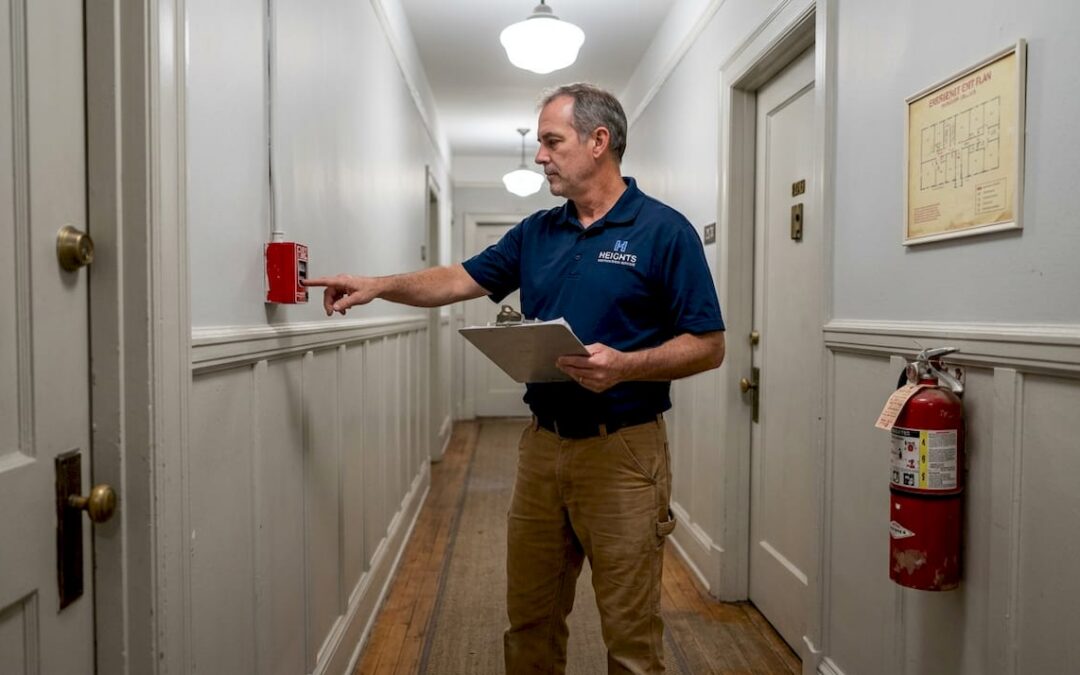
- Houston Heights faces increased fire risks due to aging infrastructure and dense development, making proactive fire protection essential. Proper system design, installation, testing, and ongoing maintenance by professionals ensure compliance and effective early warning capabilities. Regular inspections and owner awareness are crucial to maintaining safety in this historic yet rapidly evolving neighborhood.
Houston Heights is one of the most dynamic neighborhoods in the city, blending historic bungalows with rapidly expanding commercial corridors. That mix creates a fire safety challenge that many property owners simply aren’t prepared for. Older structures with outdated wiring sit alongside newly renovated spaces, and both face real exposure to fire risk. If you’ve been putting off evaluating your fire alarm system, or you’re not sure whether what you have actually meets current code, this guide walks you through everything you need to know, from system types to installation and maintenance best practices.
Table of Contents
- Why fire alarm systems are vital in Houston Heights
- Core components of an effective fire alarm system
- Comparing types of fire alarms for different properties
- Fire alarm installation, testing, and maintenance in Houston Heights
- A professional’s view: What most property owners overlook about fire alarm systems
- Your next steps: Reliable fire alarm solutions for Houston Heights
- Frequently asked questions
Key Takeaways
| Point | Details |
|---|---|
| Understand your risks | Older buildings and new developments in Houston Heights face increased fire threats requiring up-to-date alarm systems. |
| Choose the right system | Select a fire alarm type based on your property’s size, complexity, and future needs. |
| Prioritize professional care | Expert installation and regular maintenance are critical for system reliability and compliance. |
| Stay proactive | Routine testing and staff training ensure the system will work when needed most. |
Why fire alarm systems are vital in Houston Heights
Houston Heights carries a fire risk profile that sets it apart from newer suburban developments. The neighborhood’s charm comes partly from its age, and that age brings challenges. Older electrical systems, wood-frame construction, and dense lot layouts mean that a fire can spread faster and with less warning than in a modern build. At the same time, rapid population growth has pushed more people into both residential and commercial spaces that weren’t originally designed for current occupancy levels.
Houston Heights properties face elevated fire risks due to aging infrastructure and ongoing population growth, making proactive fire protection more important than ever. This isn’t a theoretical concern. It’s a pattern seen repeatedly across neighborhoods with similar characteristics.
Local fire codes reflect this reality. The City of Houston requires functioning fire alarm systems in most commercial properties and in multi-family residential buildings. Failing to comply doesn’t just create a safety hazard. It exposes property owners to fines, liability, and potential loss of occupancy permits. A working fire alarm system isn’t optional. It’s a legal baseline.
“A fire alarm system doesn’t just protect property. It buys time, and in a fire, time is the only thing that matters.”
Beyond compliance, fire alarms provide something reactive measures can’t: early warning. Sprinklers and fire extinguishers respond to a fire already in progress. A properly installed alarm system detects the earliest signs, giving occupants time to evacuate and giving emergency services time to respond before a situation becomes catastrophic.
Key reasons fire alarms are non-negotiable in Houston Heights:
- Aging wiring in pre-1970s structures creates elevated ignition risk
- Dense residential blocks allow fire to spread between properties quickly
- Commercial properties face stricter code requirements with regular inspections
- Insurance providers often require documented alarm systems for coverage
- Regular testing smoke detectors is part of maintaining a compliant and effective system
Core components of an effective fire alarm system
Understanding what makes up a fire alarm system helps you ask the right questions when talking to a contractor and makes it easier to spot gaps in an existing setup. Modern fire alarm systems integrate detectors, control panels, alert devices, and monitoring services into a coordinated network that functions as a single protective layer across your property.
Here’s how each component contributes to the whole:
- Smoke detectors sense combustion particles in the air before flames are visible. Photoelectric models detect slow, smoldering fires. Ionization models respond faster to fast-flaming fires. Many professional installations use dual-sensor devices to cover both scenarios.
- Heat detectors activate when ambient temperature rises above a set threshold or rises rapidly. These are especially useful in kitchens, garages, and mechanical rooms where smoke detectors may trigger false alarms.
- The control panel is the brain of the system. It receives signals from every detector, processes them, and triggers the appropriate response. A well-configured control panel also logs events, which is useful during inspections and post-incident reviews.
- Notification appliances include horns, strobes, and speakers that alert occupants. In commercial buildings, these must meet specific decibel and visibility standards to ensure everyone, including people with hearing impairments, receives the alert.
- Professional monitoring connects your system to a 24/7 monitoring center that contacts emergency services if an alarm triggers and you don’t respond. This is particularly valuable for commercial properties that may be unoccupied overnight.
| Component | Primary function | Best suited for |
|---|---|---|
| Smoke detector | Detects combustion particles | Bedrooms, hallways, offices |
| Heat detector | Responds to temperature change | Kitchens, garages, attics |
| Control panel | Coordinates all signals | Central hub for all property types |
| Notification appliance | Alerts occupants | All occupied spaces |
| Professional monitoring | 24/7 emergency response | Commercial and unoccupied properties |
Pro Tip: When reviewing your existing system, check the age of each component. Smoke detectors have a recommended replacement cycle of 10 years, and older devices may not meet current sensitivity standards even if they appear to be functioning.
For properties in the area, exploring fire alarm system services in Houston gives you a clearer picture of what a professionally designed system looks like from start to finish.
Comparing types of fire alarms for different properties
Not every fire alarm system is built the same way, and choosing the wrong type for your property can mean paying for features you don’t need or, worse, ending up with a system that can’t handle your building’s complexity. Choosing between conventional and addressable systems depends on property size, complexity, and specific requirements, and getting that decision right upfront saves significant cost and headache down the line.
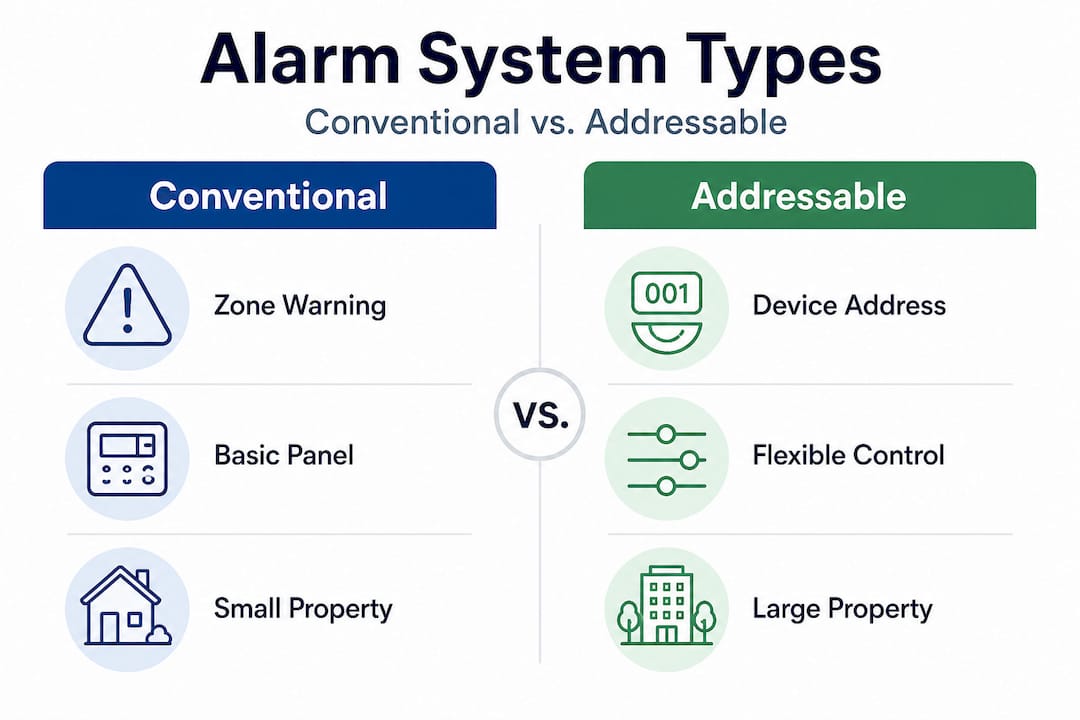
Conventional fire alarm systems divide a building into zones. When a detector triggers, the control panel identifies which zone is affected but not the specific device. This is perfectly adequate for smaller properties with simple layouts, like a single-family home or a small retail space. The installation cost is lower, and the technology is straightforward to maintain.
Addressable fire alarm systems assign a unique address to every single device on the network. When a detector triggers, the control panel identifies exactly which device activated and where it’s located. For a multi-story commercial building, a large apartment complex, or a property with multiple wings, this precision is invaluable. Emergency responders know exactly where to go, and facility managers can identify patterns in false alarms or maintenance issues.
| Feature | Conventional system | Addressable system |
|---|---|---|
| Detection precision | Zone level | Device level |
| Best for | Small, simple properties | Large or complex properties |
| Installation cost | Lower | Higher upfront |
| Maintenance complexity | Simpler | More detailed |
| Scalability | Limited | Easily expandable |
| Insurance benefit | Standard | Often better rates |
Key considerations when choosing your system type:
- Square footage and number of floors in the building
- Occupancy type (residential, retail, office, industrial)
- Number of people regularly present in the building
- Local fire code requirements for your specific property classification
- Whether you plan to expand or renovate in the next five years
For additional context on how system selection works across different Houston neighborhoods, the midtown fire alarm system guide covers similar considerations for comparable urban properties.
Pro Tip: Even if your current property is small, consider whether an addressable system might be worth the investment if you’re planning renovations or additions. Retrofitting a conventional system later costs more than installing the right system from the start. Also review guidance on changing smoke alarms safely when upgrading individual devices as part of a broader system update.
Fire alarm installation, testing, and maintenance in Houston Heights
Selecting the right system is only the beginning. How that system gets installed, tested, and maintained over time determines whether it actually performs when you need it most. Professional installation and regular testing are critical to keeping fire alarm systems functional and compliant with local regulations.
Here’s a clear walkthrough of the installation process:
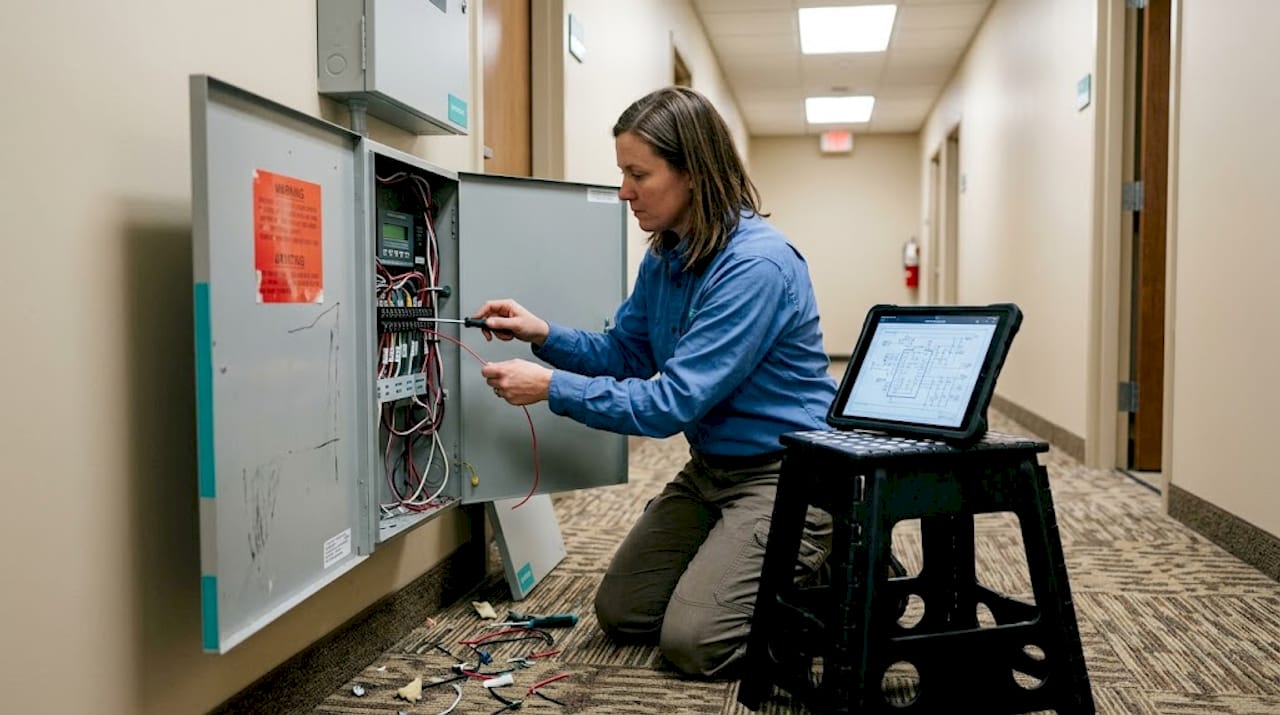
- Professional site assessment. A certified technician evaluates your property layout, occupancy type, existing infrastructure, and local code requirements. This step determines the right system type and device placement.
- System design and permitting. The contractor prepares a system design and submits it for permit approval through the City of Houston. Skipping this step is a common and costly mistake.
- Device installation. Detectors, pull stations, notification appliances, and the control panel are installed according to the approved design. Wiring is run and connected, and backup power supplies are configured.
- System commissioning. Every device is tested individually and as part of the full system. The control panel is programmed, and monitoring connections are established and verified.
- Documentation and handover. The contractor provides as-built drawings, device locations, and a maintenance schedule. This documentation is essential for future inspections and insurance purposes.
Ongoing maintenance is where many property owners fall short. A system that was perfectly installed five years ago may not perform reliably today if it hasn’t been serviced. Here’s what a solid maintenance routine looks like:
- Monthly: Test alarm activation manually using the test button on detectors
- Quarterly: Inspect all devices visually for damage, dust buildup, or obstructions
- Annually: Schedule a full professional inspection and functional test of all components
- As needed: Replace batteries in battery-backed devices and swap out any devices showing faults
For properties that need guidance specific to the downtown corridor, downtown Houston fire alarm services covers compliance requirements that often apply to Heights commercial properties as well.
Pro Tip: Keep a physical maintenance log on-site and a digital backup. During a fire marshal inspection, being able to show a documented history of testing and servicing is one of the fastest ways to demonstrate compliance. It also protects you legally if an incident occurs. Review current guidance on replacing smoke alarms to stay current with device replacement best practices.
A professional’s view: What most property owners overlook about fire alarm systems
After working with property owners across Houston Heights, a pattern emerges. The biggest fire safety failures rarely come from a lack of equipment. They come from equipment that exists but isn’t performing as it should. Many fire incidents are made worse by basic maintenance failures or improper system selection, and that’s a problem that no amount of hardware can fix on its own.
Here’s what we see most often. A property owner installs a system, passes the initial inspection, and then treats fire safety as a completed task rather than an ongoing responsibility. Detectors collect dust. Batteries drain. Control panels show fault indicators that nobody investigates. The system looks like it’s there, but it’s not actually ready to perform.
The second overlooked issue is customization. A fire alarm system designed for a generic commercial space may not account for the specific layout, occupancy patterns, or hazard points of your property. A restaurant kitchen has different detection needs than an open-plan office. A historic Heights bungalow with a finished attic has different coverage requirements than a new construction townhome. Cookie-cutter system designs leave gaps.
The third issue is human behavior. Even a perfect system can’t help if the people in the building don’t know how to respond to an alarm. We’ve seen tenants ignore alarms because they assumed it was a false trigger. We’ve seen staff waste critical minutes looking for exits they’d never practiced using. Routine education, even a simple annual walkthrough with tenants or employees, dramatically improves outcomes when a real event occurs.
Reviewing fire alarm system resources specific to Houston Heights can help you identify whether your current setup addresses these common gaps or whether a professional review is overdue.
Pro Tip: Schedule an annual review with a certified fire protection professional even if your system is relatively new. Systems installed just three to five years ago may already be out of step with updated code requirements or may have components approaching end-of-life.
Your next steps: Reliable fire alarm solutions for Houston Heights
You now have a clear framework for understanding what your property needs, from system selection to long-term maintenance. Putting that knowledge into action is the part that actually keeps people safe.
Reliable Fire Protection serves Houston Heights property owners with certified installation, inspection, and maintenance services for both residential and commercial buildings. Whether you’re starting from scratch, upgrading an outdated system, or simply need a professional assessment to confirm compliance, we bring local expertise and hands-on experience to every project. Explore the Houston Heights fire alarm resources on our site to understand what’s required for your property type, review how fire alarm systems work to deepen your understanding, and browse our full range of fire safety products to see what solutions fit your building. Contact us for a free consultation and let’s make sure your property is genuinely protected.
Frequently asked questions
How often should fire alarm systems be tested in Houston Heights?
Fire alarm systems should be tested at least monthly by the property owner or manager, with a full professional inspection annually to confirm compliance with local fire codes.
What is the difference between a conventional and addressable fire alarm system?
A conventional system identifies which zone triggered an alarm, making it suitable for smaller properties, while an addressable system pinpoints the exact device location, which is essential for larger or more complex buildings.
Can I install a fire alarm system myself or should I hire a professional?
Professional installation ensures compliance with Houston’s local fire codes and guarantees the system is correctly configured, permitted, and ready to perform in an actual emergency.
What maintenance steps can property owners do between inspections?
Test alarms monthly, replace batteries as needed, and keep detectors free from dust and obstructions. These simple steps, combined with annual professional testing, keep your system in reliable working condition year-round.
Recommended
- fire alarm system houston heights tx – Resources – Reliable Fire Protection
- How to Choose Fire Alarm System for Houston Properties
- Fire Alarm Installation Guide for Houston Property Managers
- fire alarm system midtown houston tx – Resources – Reliable Fire Protection
- Alarm Monitoring: Strengthening Property Security Compliance – A To Z Locksmith Inc