
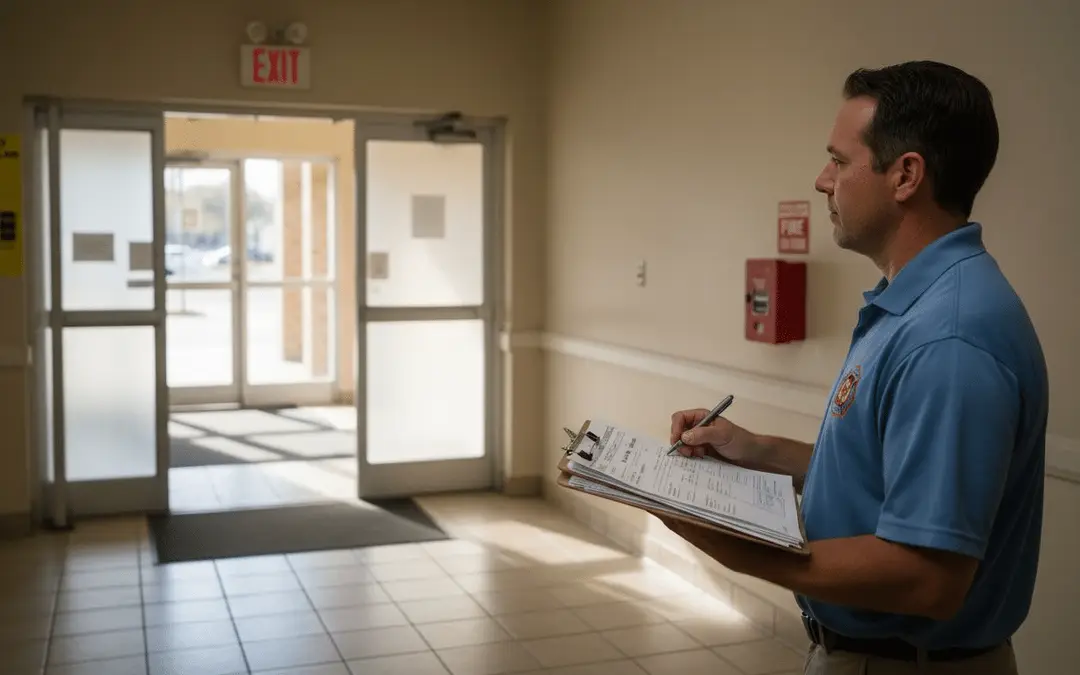
Managing fire safety in Houston buildings can quickly become overwhelming with so many local regulations, technical requirements, and ongoing inspections to track. Missing even one crucial step could put your property—and the people inside it—at serious risk. You need clear, actionable guidance to cut through the complexity and protect what matters most.
This list gives you direct solutions for staying compliant with Houston fire safety standards and creating a safer environment for everyone. From understanding which permits you need to setting up effective emergency procedures, you’ll find proven steps you can apply right away.
Get ready to discover practical strategies that make fire protection more manageable and give you the confidence to handle your building’s safety like a pro.
Table of Contents
- Understand Local Fire Safety Regulations
- Install and Maintain Fire Alarm Systems
- Ensure Proper Fire Sprinkler Coverage
- Conduct Regular Fire Extinguisher Inspections
- Schedule Annual Backflow Preventer Testing
- Train Staff on Fire Emergency Procedures
- Keep All Exits and Emergency Routes Clear
Quick Summary
| Takeaway | Explanation |
|---|---|
| 1. Understand fire safety regulations | Familiarize yourself with Houston’s fire safety guidelines to ensure compliance and protect occupants. |
| 2. Maintain fire alarm systems | Regular maintenance and inspections of fire alarms are essential for early detection and safety. |
| 3. Ensure sprinkler system coverage | Comprehensive sprinkler coverage reduces property damage during fires and must meet regulatory standards. |
| 4. Regularly inspect fire extinguishers | Monthly checks ensure fire extinguishers are operational and ready for use in emergencies. |
| 5. Train staff on emergency protocols | Ongoing training helps staff respond effectively to fire emergencies, enhancing overall safety preparedness. |
1. Understand Local Fire Safety Regulations
Navigating Houston’s fire safety regulations is crucial for property managers and building owners to maintain compliance and protect lives. Understanding these local requirements isn’t just about following rules – it’s about creating a comprehensive safety framework that shields residents and workers from potential fire hazards.
The Texas Commission on Fire Protection establishes stringent guidelines that Houston buildings must follow. These regulations cover multiple critical aspects of fire safety:
- Fire alarm system requirements
- Building occupancy classifications
- Emergency exit protocols
- Sprinkler system specifications
- Hazardous materials management
Property managers must obtain specific permits and undergo regular inspections to demonstrate compliance. Houston Fire Department mandates detailed documentation proving that buildings meet safety infrastructure standards.
Knowing and implementing local fire safety regulations is not optional – it’s a legal and moral responsibility.
Key steps for understanding local regulations include:
- Review the Houston Fire Department’s comprehensive guidelines
- Schedule mandatory building inspections
- Maintain updated safety documentation
- Train staff on emergency response protocols
Pro tip: Develop a dedicated fire safety compliance folder with all permits, inspection reports, and maintenance records to streamline future audits and demonstrate proactive safety management.
2. Install and Maintain Fire Alarm Systems
Installing and maintaining robust fire alarm systems is a critical defense mechanism for protecting lives and property in Houston buildings. These systems serve as the first line of early detection against potential fire emergencies.
Modern fire alarm technologies provide comprehensive protection through advanced detection methods that quickly identify potential threats. Effective alarm systems do more than just sound an alert – they create a comprehensive safety network that can save critical seconds during an emergency.
Key components of a successful fire alarm system include:
- Smoke detectors
- Heat sensors
- Control panels
- Notification devices
- Battery backup systems
Proper installation requires careful planning and adherence to local building codes. Houston property managers must ensure their alarm systems meet specific regulatory standards that protect occupants and minimize potential damage.
A well-maintained fire alarm system is not an expense – it’s an essential investment in safety.
Critical maintenance steps include:
- Conduct quarterly system inspections
- Replace batteries annually
- Test alarm responsiveness monthly
- Update system components every 10 years
- Train staff on emergency protocols
Pro tip: Create a dedicated maintenance log for your fire alarm system to track inspections, repairs, and performance history, ensuring consistent accountability and regulatory compliance.
3. Ensure Proper Fire Sprinkler Coverage
Fire sprinkler systems are a critical line of defense for protecting Houston buildings from catastrophic fire damage. Implementing comprehensive sprinkler coverage can mean the difference between total loss and minimal property damage during an emergency.
The hydraulic design requirements for sprinkler systems are complex and demand precise engineering. These systems are not just metal pipes and water heads – they represent a sophisticated network of fire suppression technology designed to detect and neutralize potential fire threats quickly.
Key considerations for effective sprinkler coverage include:
- Proper sprinkler head placement
- Adequate water pressure and flow rates
- Compliance with NFPA 13 standards
- Regular system inspections
- Hazard classification assessment
Precise positioning of sprinkler heads is crucial. They must be strategically located to provide unobstructed coverage across different building zones, ensuring no potential fire risk goes unprotected.
A well-designed sprinkler system is your building’s first and most critical fire defense mechanism.
Important installation steps include:
- Conduct comprehensive building risk assessment
- Design system based on specific occupancy hazards
- Select appropriate sprinkler head types
- Ensure proper water supply and pressure
- Schedule professional installation
Pro tip: Maintain a detailed maintenance log for your sprinkler system, documenting every inspection, test, and repair to demonstrate ongoing compliance and readiness.
4. Conduct Regular Fire Extinguisher Inspections
Fire extinguishers are your first line of defense against small fires, but only if they are properly maintained and instantly ready for use. Regular inspections are not just a recommendation – they are a critical safety requirement for Houston buildings.
The monthly inspection process ensures that your fire extinguishers remain operational and accessible during emergencies. These quick checks can mean the difference between containing a minor incident and facing a catastrophic fire.
Key elements of a comprehensive fire extinguisher inspection include:
- Checking pressure gauge readings
- Verifying physical condition
- Ensuring unobstructed access
- Confirming intact safety seals
- Examining hose and nozzle integrity
Proper documentation is just as important as the physical inspection. You must maintain a detailed log of every examination to demonstrate ongoing compliance with safety regulations.
A single overlooked fire extinguisher could compromise your entire building’s safety strategy.
Inspection steps for property managers:
- Conduct monthly visual assessments
- Check pressure indicators
- Verify tamper seals are unbroken
- Keep detailed maintenance records
- Schedule annual professional servicing
Pro tip: Create a standardized digital checklist with date-stamped entries for each fire extinguisher, making tracking and compliance management seamless and efficient.
5. Schedule Annual Backflow Preventer Testing
Backflow preventers are unsung heroes of water safety, protecting your building’s water supply from potential contamination. These critical devices ensure that water flows in only one direction, preventing potentially hazardous substances from entering your potable water system.
Municipal regulations mandate annual testing and certification to maintain drinking water integrity. Neglecting these crucial inspections can expose your property to significant health risks and potential legal complications.
Key aspects of backflow preventer maintenance include:
- Preventing cross-contamination
- Ensuring water quality
- Complying with local regulations
- Protecting public health
- Avoiding potential fines
Certification requirements are strict and comprehensive. Property managers must work with state-certified professionals who understand the intricate technical specifications of these critical devices.
A single overlooked backflow preventer can compromise the entire water safety infrastructure.
Comprehensive testing steps:
- Schedule annual inspection with certified tester
- Verify device functionality
- Document test results
- Submit reports to local authorities
- Maintain detailed maintenance records
Pro tip: Create a digital calendar reminder for backflow preventer testing and set up automatic notifications 60 days before your annual inspection deadline to ensure seamless compliance.
6. Train Staff on Fire Emergency Procedures
Fire emergencies demand split-second decisions that can mean the difference between life and death. Comprehensive staff training transforms potential chaos into coordinated, lifesaving action.
The University of Wisconsin Oshkosh emergency response guidelines emphasize structured training to build confidence and competence during high-stress situations.
Key elements of effective fire emergency training include:
- Understanding fire classifications
- Learning evacuation protocols
- Practicing emergency communication
- Recognizing potential hazards
- Demonstrating proper equipment use
Emergency response training is not a one-time event but an ongoing process that requires regular practice and updates. The RACE system provides a critical framework for staff action:
- Rescue individuals in immediate danger
- Alarm emergency services
- Confine the fire
- Evacuate the building
Knowledge transforms fear into calculated, effective action during emergencies.
Successful training programs incorporate:
- Interactive workshops
- Hands-on fire extinguisher practice
- Regular evacuation drills
- Scenario-based learning
- Clear communication protocols
Pro tip: Conduct quarterly emergency drills with surprise elements to keep staff alert and test their actual response capabilities, ensuring muscle memory and quick reaction times during real emergencies.
7. Keep All Exits and Emergency Routes Clear
Emergency exits are not mere suggestions – they are critical lifelines during crisis situations. Maintaining clear and unobstructed evacuation routes can mean the difference between life and death for building occupants.
OSHA emergency exit guidelines mandate that evacuation routes remain continuously accessible and properly marked. Every inch of these pathways represents a potential survival route during an emergency.
Critical components of maintaining clear emergency routes include:
- Removing stored items from exit corridors
- Keeping doorways completely unblocked
- Marking exits with illuminated signage
- Ensuring doors open easily and quickly
- Maintaining wide, obstacle-free paths
Unobstructed evacuation pathways are not just a recommendation – they are a legal requirement. Property managers must implement rigorous monitoring to prevent potential blockages.
A single misplaced object can become a deadly barrier during an emergency.
Steps to ensure route clearance:
- Conduct monthly exit route inspections
- Train staff on emergency pathway maintenance
- Install clear exit route maps
- Remove storage near emergency doors
- Implement strict obstruction prevention protocols
Pro tip: Create a digital tracking system that photographs and logs exit routes monthly, enabling immediate identification and removal of potential obstacles.
Below is a comprehensive table summarizing key fire safety practices and regulations for property management as outlined in the article.
| Category | Description | Key Steps |
|---|---|---|
| Local Safety Regulations | Understanding Houston fire safety compliance. | Review guidelines, schedule inspections, maintain documentation. |
| Fire Alarm Systems | Importance of installation and maintenance. | Quarterly inspections, monthly responsiveness testing, annual battery replacement. |
| Sprinkler Coverage | Ensuring comprehensive fire suppression. | Assess building hazards, ensure NFPA 13 compliance, schedule professional installation. |
| Fire Extinguisher Maintenance | Regular checks and servicing. | Monthly inspection, verifying access, professional annual servicing. |
| Backflow Preventer Testing | Preventing water contamination. | Annual testing, documentation of results, compliance reporting. |
| Staff Training | Preparing employees for emergencies. | Conduct drills, teach RACE procedure, update training regularly. |
| Emergency Exit Routes | Keeping pathways clear for safe evacuation. | Monthly checks, remove obstructions, install illuminated signage. |
Strengthen Your Houston Building’s Fire Safety Compliance Today
If you are committed to mastering Houston’s complex fire safety requirements while protecting your property and occupants, partnering with a trusted local expert is key. Challenges like keeping fire alarm systems fully operational, maintaining sprinkler coverage, conducting regular extinguisher inspections, and ensuring all emergency routes stay clear require consistent attention and certified support. At Reliable Fire Protection, we specialize in delivering tailored fire protection solutions that align perfectly with Houston’s regulations and your building’s unique needs.
Take charge of your fire safety compliance now by exploring our comprehensive Fire Protection – Reliable Fire Protection services. From installation to maintenance of fire alarms and sprinkler systems, to expert backflow preventer testing and staff training guidance, we provide everything you need to stay ahead of risks and inspections. Do not wait until an emergency arises. Visit https://reliable-fire-protection.com to request your free quote and ensure your Houston building is safeguarded with confidence and care.
Frequently Asked Questions
How can I ensure my building complies with local fire safety regulations?
To ensure compliance with local fire safety regulations, regularly review the guidelines provided by the local fire department. Schedule mandatory inspections and maintain all relevant safety documentation to demonstrate adherence to the regulations.
What are the key components of an effective fire alarm system?
An effective fire alarm system includes components such as smoke detectors, heat sensors, control panels, and notification devices. Install these systems according to local codes and conduct monthly tests to ensure they are functioning correctly.
How often should fire extinguishers be inspected in my building?
Fire extinguishers should be inspected monthly to verify their operational status and accessibility. Conduct a visual check of the pressure gauge, body condition, and seals to ensure everything is in order.
What steps should I take to maintain clear emergency exits?
To maintain clear emergency exits, conduct regular inspections to ensure that all exit paths and doors are unobstructed. Implement strict protocols for staff to remove any items blocking these critical routes and check that exit signage is visible and illuminated.
Why is backflow preventer testing important for fire safety?
Backflow preventer testing is crucial to ensure that your water supply remains contamination-free, which is vital for firefighting efforts. Schedule an annual inspection with a certified professional to confirm the functionality of these devices and keep detailed records of the tests performed.