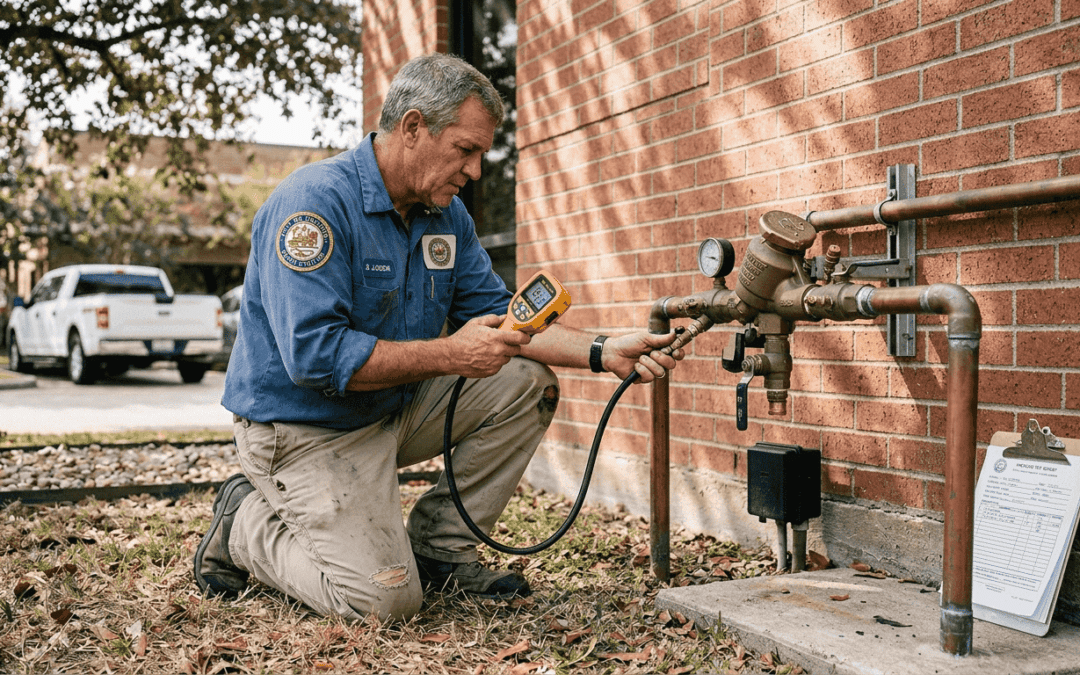
Missing your annual backflow preventer test in Houston isn’t just a paperwork problem. It’s a legal liability that can trigger fines up to $2,000 per day and expose your property to contamination risks that threaten tenant safety and your reputation. Texas Commission on Environmental Quality (TCEQ) regulations require licensed testers to inspect these devices annually, yet many property managers struggle with scheduling, understanding test procedures, and maintaining compliant records. This guide walks you through everything you need to know about backflow preventer testing in 2026, from device types to testing steps to ongoing compliance management.
Table of Contents
- Understanding Backflow Preventers And Compliance Requirements In Houston
- Types Of Backflow Preventers And How Testing Differs
- Step-By-Step Backflow Preventer Testing Procedure Explained
- Managing Testing Results And Ongoing Compliance For Property Managers
- Reliable Fire Protection Services For Houston Property Managers
- Frequently Asked Questions
Key takeaways
| Point | Details |
|---|---|
| Annual testing is mandatory | TCEQ and City of Houston require testing by licensed testers with official reporting. |
| Two main device types exist | DCVA handles moderate hazards like irrigation while RPZ protects against high hazard contamination. |
| Testing follows specific steps | Visual inspection, gauge measurements, valve checks, and detailed documentation determine pass or fail status. |
| Failed devices need immediate repair | Property managers must schedule repairs quickly and submit updated test reports to maintain compliance. |
| Non-compliance carries steep penalties | Daily fines can reach $2,000 plus liability exposure from contamination incidents. |
Understanding backflow preventers and compliance requirements in Houston
Backflow preventers are mechanical valves installed in plumbing systems to stop contaminated water from reversing direction and polluting your potable supply. When pressure drops in the main water line (due to a burst pipe or heavy firefighting demand), these devices prevent dirty water from flowing backward into clean water systems. For property managers, this protection is critical because contamination events can sicken tenants, trigger lawsuits, and destroy your property’s reputation.
Annual testing is required by TCEQ and City of Houston regulations with fines reaching $2,000 per day for non-compliance. The law mandates that only TCEQ-licensed Backflow Prevention Assembly Testers conduct these inspections and submit official reports to local water authorities. This isn’t optional maintenance. It’s a legal requirement tied directly to your operating permits and liability coverage.
Here’s what compliance demands from you:
- Schedule annual tests with licensed BPATs before your due date
- Maintain detailed records of all test reports and repairs
- Repair or replace failed devices immediately
- Submit updated documentation to city water departments
- Monitor devices between tests for visible damage or leaks
The consequences of skipping testing extend beyond fines. Insurance carriers may deny claims related to water contamination if you can’t prove compliant testing history. Tenants can sue for health damages. City inspectors can red-tag properties and halt operations until you demonstrate compliance. Understanding your Houston water safety backflow prevention obligations protects both your legal standing and your residents’ wellbeing.
“Property managers who treat backflow testing as optional paperwork often face the harshest penalties when contamination incidents occur. Compliance isn’t just about avoiding fines; it’s about protecting lives and preserving your professional reputation.”
Your backflow preventer maintenance Houston strategy should include a compliance calendar that tracks test due dates, licensed tester contacts, and repair histories. This proactive approach prevents last-minute scrambles and demonstrates due diligence if regulators ever audit your records.
Types of backflow preventers and how testing differs
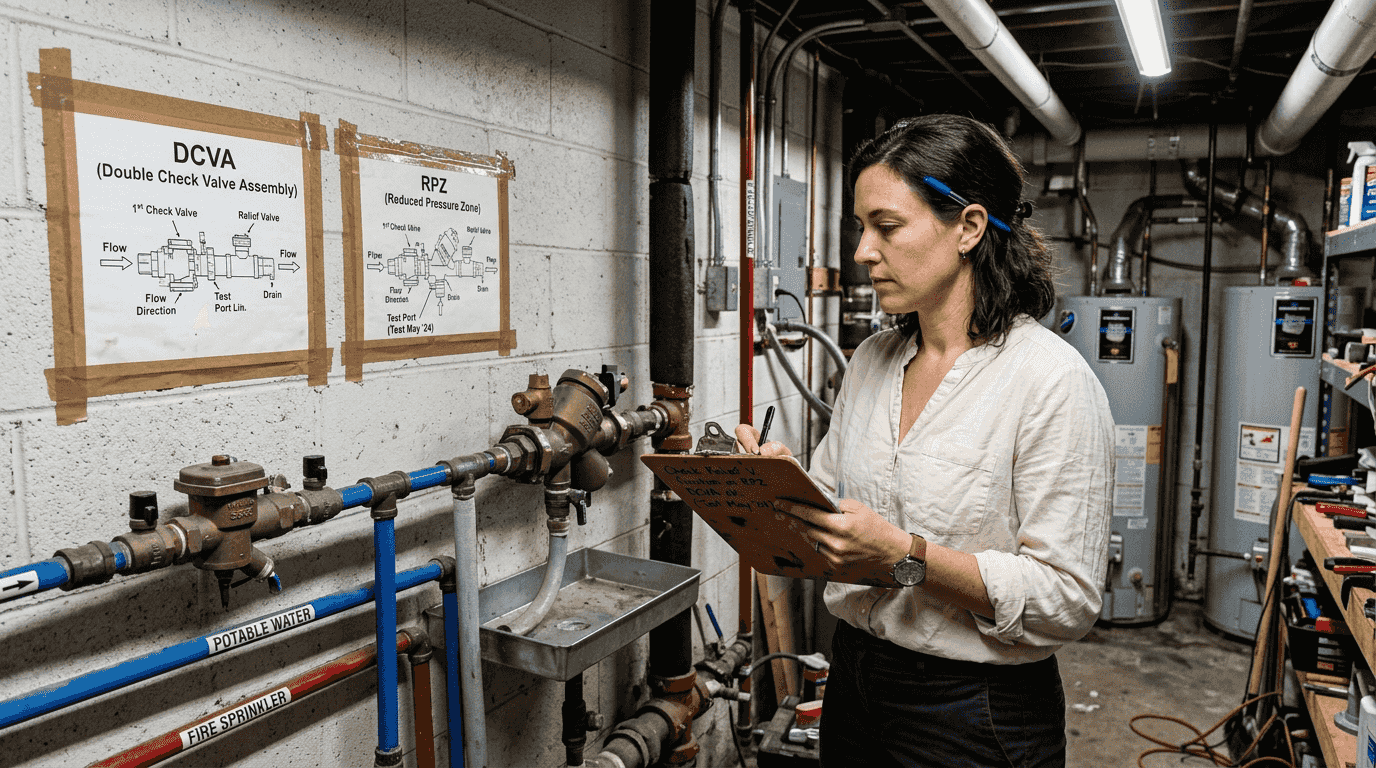
Common types include DCVA for moderate hazards and RPZ for high hazards, each with distinct valve components that affect testing procedures. Understanding which devices protect your property helps you communicate effectively with testers and budget appropriately for maintenance.
Double Check Valve Assembly (DCVA) devices use two independent check valves to prevent backflow in moderate and low hazard situations. You’ll find these protecting fire sprinkler systems, irrigation lines, and commercial HVAC systems where contamination risk is present but not severe. DCVAs are simpler mechanically, with no relief valve, making them less expensive to install and maintain. Testing focuses on verifying that both check valves seal completely under pressure.
Reduced Pressure Zone (RPZ) assemblies add a relief valve between two check valves, creating a pressure differential zone that discharges water if either check valve fails. This design protects against high hazard contamination from chemical processing, hospital equipment, or industrial systems where toxic substances could enter potable water. The relief valve creates a visible failure indicator: if you see water discharging from the relief port between tests, your RPZ needs immediate attention.
| Feature | DCVA | RPZ |
|---|---|---|
| Hazard level | Moderate to low | High |
| Relief valve | No | Yes |
| Typical applications | Fire sprinklers, irrigation | Chemical systems, hospitals |
| Discharge during failure | No visible indicator | Water flows from relief port |
| Testing complexity | Standard pressure checks | Additional relief valve testing |
| Maintenance frequency | Annual minimum | Annual minimum, monitor relief valve |
The functional differences impact your testing oversight. DCVA tests measure whether both check valves hold against reverse pressure. RPZ tests add relief valve operation checks, verifying it opens at approximately 2 psi differential. This extra step adds time and complexity but provides superior protection for high-risk systems.
Pro Tip: In Houston’s climate, monitor RPZ relief valves monthly for unexpected discharge. High summer heat can cause thermal expansion in water lines, triggering relief valve openings that signal potential check valve wear before your annual test catches the problem.
Your property likely uses different device types depending on system hazards. Review your Texas business backflow tips to match devices with appropriate hazard levels and avoid over-engineering (expensive RPZ where DCVA suffices) or under-protecting (DCVA where RPZ is required).
Step-by-step backflow preventer testing procedure explained
Testing involves visual inspection, flushing test cocks, gauge connection, valve pressure tests, and recording readings to determine pass or fail status. Licensed testers follow standardized protocols that take 30 to 60 minutes per device, depending on complexity and condition.
- Initial visual inspection: The tester examines the device for physical damage, corrosion, leaks, or signs of freezing. Houston winters rarely freeze, but cold snaps can crack housings or damage seals if devices aren’t protected.
- Flushing test cocks: Small valves called test cocks allow gauge connection. Testers open these briefly to flush debris that could skew pressure readings. Clean test cocks ensure accurate measurements.
- Gauge kit connection: Calibrated differential pressure gauges connect to specific test cocks. These gauges measure pressure differences across check valves and relief valves with precision required for compliance reporting.
- Check valve testing: Testers close downstream shutoff valves and monitor gauge readings to verify each check valve holds against reverse pressure. Acceptable pressure drops vary by device type and manufacturer specifications.
- Relief valve testing (RPZ only): For RPZ assemblies, testers verify the relief valve opens when pressure differential drops below 2 psi. This confirms the safety mechanism functions correctly.
- Data recording: All pressure readings, valve conditions, and test results go into official reports submitted to local water authorities. These records prove compliance and track device performance over time.
| Test Component | What’s Measured | Pass Criteria |
|---|---|---|
| Check valve #1 | Reverse pressure seal | Holds within manufacturer specs |
| Check valve #2 | Independent seal function | Holds within manufacturer specs |
| Relief valve (RPZ) | Opens at low differential | Opens at ~2 psi or per specs |
| Physical condition | Damage, leaks, corrosion | No defects affecting operation |
| Test cock operation | Flush and seal properly | Open/close without leaks |
Pro Tip: Schedule backflow tests in Houston during fall or early spring when freeze risks are lowest and summer heat hasn’t stressed components. This timing gives you maximum flexibility for repairs before extreme weather arrives.
Property managers should coordinate with testers to access devices easily. Clear vegetation, unlock enclosures, and ensure testers can reach shutoff valves without delays. Your sprinkler inspection Houston schedule can often align with backflow testing to minimize disruption and consolidate contractor visits.
Managing testing results and ongoing compliance for property managers
Property managers should schedule annual testing, immediately repair failures, maintain detailed records, and consider increased frequency for high-risk properties. Compliance isn’t a one-time event but an ongoing process that protects your property and residents year-round.
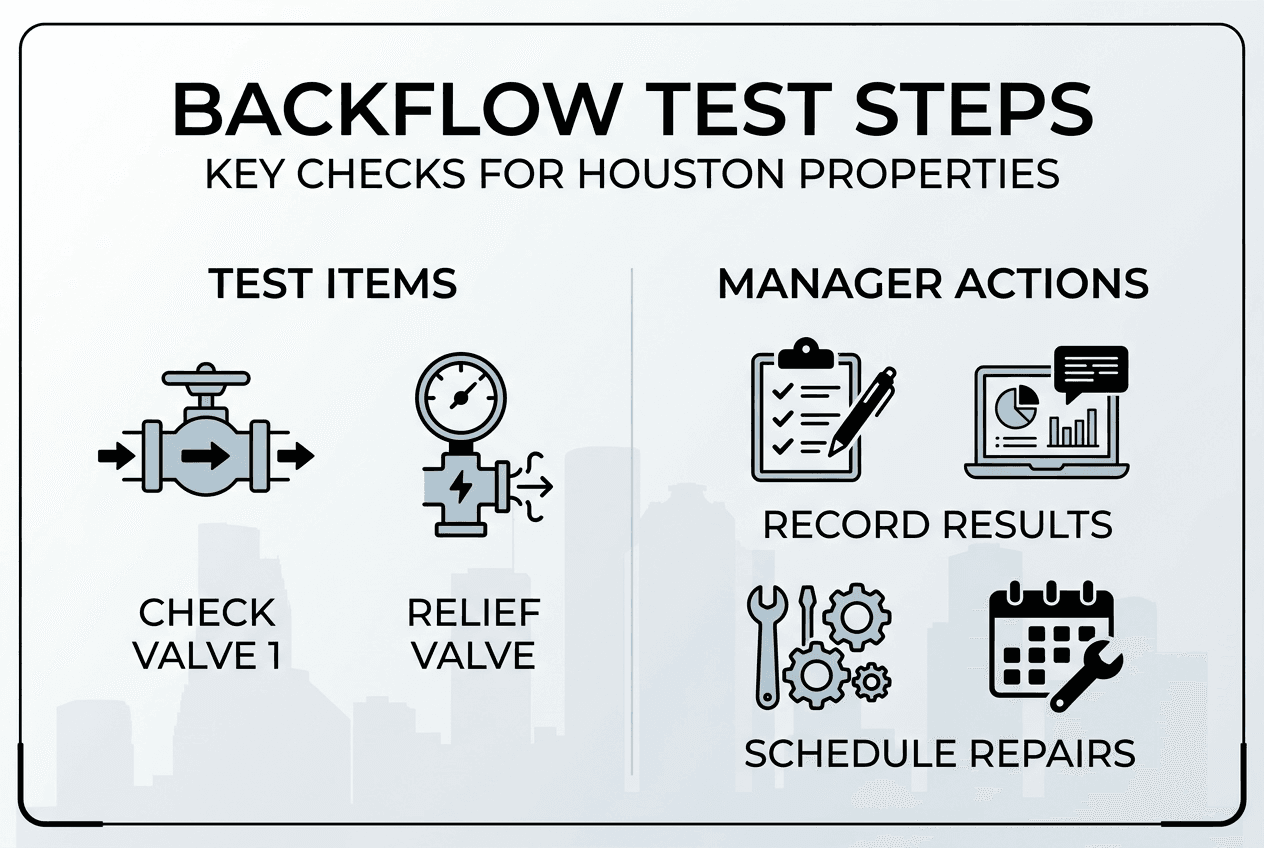
Timely scheduling prevents compliance gaps. Mark test due dates in your property management software and schedule testers 60 days in advance. This buffer allows time for repairs if devices fail and ensures you submit compliant reports before deadlines expire. Late testing triggers fines and creates liability exposure if contamination occurs during the gap.
When devices fail testing, immediate action is mandatory. Licensed testers will provide repair recommendations, often involving valve rebuilds, seal replacements, or complete device replacement for severely damaged units. Don’t delay these repairs. Each day without a functioning backflow preventer increases contamination risk and extends your non-compliance period.
- Keep digital and physical copies of all test reports for at least five years
- Submit reports to city water departments within required timeframes (typically 10 days)
- Document all repairs with before and after test results
- Track device age and plan for rebuilds every five years
- Maintain a vendor list of licensed BPATs for emergency testing
Houston’s climate presents unique challenges. Winter freeze events, though rare, can crack backflow preventer housings or damage internal components. Insulate exposed devices and drain systems when temperatures drop below 32°F. Summer heat accelerates seal degradation, so monitor for leaks during peak temperature months.
Pro Tip: High-risk commercial properties with chemical systems or medical facilities should test backflow preventers semi-annually rather than meeting only the annual minimum. This proactive approach catches failures early and demonstrates enhanced due diligence to regulators and insurers.
Your compliance calendar should integrate backflow testing with other Houston fire safety testing requirements. Coordinate sprinkler inspections, alarm tests, and backflow checks to minimize contractor visits and streamline documentation. A comprehensive fire sprinkler compliance workflow keeps all safety systems synchronized and reduces administrative burden.
Reliable fire protection services for Houston property managers
Reliable Fire Protection provides licensed experts for annual backflow preventer testing throughout Houston, ensuring your properties meet TCEQ and city compliance requirements without the scheduling headaches. Our BPAT-certified technicians handle everything from routine testing to emergency repairs, delivering detailed documentation that satisfies regulators and protects your liability coverage. We understand the unique demands Houston property managers face and offer flexible scheduling that minimizes tenant disruption.
Beyond backflow testing, our comprehensive fire safety solutions keep your properties compliant across all systems. From fire sprinkler system compliance to fire alarm systems, we deliver integrated services that simplify your regulatory obligations. Our local presence means faster response times when failures occur and personalized service that understands Houston’s specific requirements.
Pro Tip: Partner with a certified local provider who tracks regulatory changes and proactively notifies you of new requirements. This relationship keeps you ahead of compliance deadlines and reduces the risk of costly surprises.
Frequently asked questions
How often must backflow preventer testing be completed in Houston?
Annual testing is the legal minimum required by TCEQ and City of Houston regulations. High-risk properties with chemical systems or medical facilities should consider semi-annual testing to catch failures early and demonstrate enhanced due diligence. Older devices may need more frequent inspection as components wear.
What types of backflow preventers are most common in Houston properties?
DCVA devices are most common for moderate and low hazard applications like fire sprinklers and irrigation systems. RPZ assemblies protect high hazard systems in hospitals, laboratories, and industrial facilities where toxic contamination could occur. Your property’s hazard level determines which device type is required.
Who is authorized to perform backflow preventer tests in Houston?
Only TCEQ-licensed Backflow Prevention Assembly Testers are authorized to conduct testing and submit official compliance reports. Property managers must verify tester credentials before scheduling to ensure reports will be accepted by local water authorities. Unlicensed testing doesn’t satisfy compliance requirements.
What steps should property managers take if a backflow preventer fails testing?
Immediately schedule repair or replacement with a licensed service provider to restore protection. Keep detailed records of repairs and subsequent re-testing to demonstrate compliance. Submit updated test reports to local authorities within required timeframes, typically 10 days. Contact your backflow repair services provider for emergency response if contamination risk is high.
How long do backflow preventers typically last before needing replacement?
Most devices function reliably for 10 to 15 years with proper maintenance, but internal components like check valves and seals typically need rebuilding every five years. Annual testing catches wear before complete failure occurs. Devices exposed to harsh conditions or heavy use may require more frequent rebuilds or earlier replacement.