

Most commercial property managers in Houston underestimate the risks of outdated fire alarm systems. With more than 90 percent of American commercial buildings legally required to maintain active fire protection, staying compliant is not just a box to check. Reliable fire alarm solutions safeguard tenants, shield owners from costly penalties, and can make all the difference during an emergency. This overview clears up common misconceptions and explains which fire alarm systems actually meet Houston’s safety codes.
Table of Contents
- Defining Fire Alarm Systems And Misconceptions
- Types Of Fire Alarm Systems In Commercial Properties
- How Fire Alarm Detection And Notification Works
- Regulatory Codes For Houston Fire Alarms
- Common Compliance Risks And Maintenance Needs
Key Takeaways
| Point | Details |
|---|---|
| Fire Alarm Systems Are Essential | Fire alarm systems are legally mandated and crucial for safety in commercial and residential properties. They do more than alert occupants; they can interact with emergency services and activate suppression systems. |
| Regular Maintenance Is Critical | Conducting regular assessments and maintenance ensures the functionality of fire alarm systems, minimizing risks and ensuring compliance with regulations. |
| Understand System Types | Different fire alarm systems, including Central Station, Proprietary, and Remote Station, offer unique advantages tailored to specific building needs. |
| Compliance with Local Codes Is Mandatory | Fire alarm systems must adhere to both national standards and local regulations, requiring regular reviews and maintenance to avoid penalties. |
Defining Fire Alarm Systems and Misconceptions
A fire alarm system is a critical safety infrastructure designed to protect commercial and residential buildings from potential fire emergencies. These sophisticated networks serve to detect fires and alert occupants through an interconnected series of sensors, detectors, and notification devices. Unlike common misconceptions, fire alarm systems are not just simple smoke detectors, but comprehensive safety networks that can potentially save lives during critical moments.
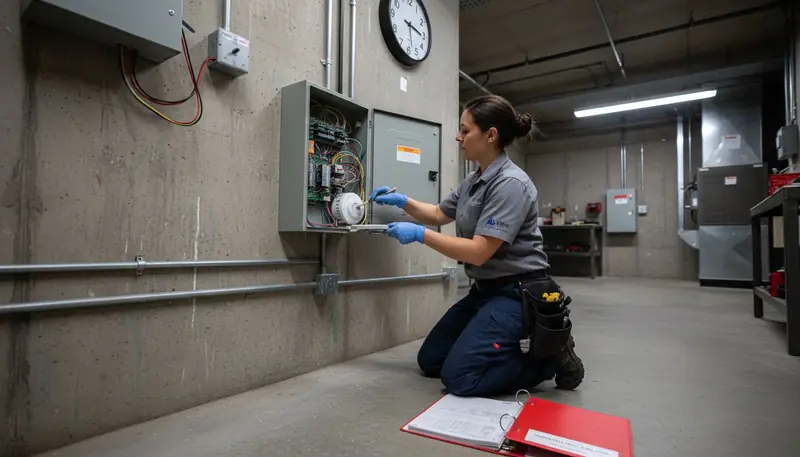
Modern fire alarm systems in Houston buildings typically include multiple components working in seamless coordination. These generally consist of smoke detectors, heat sensors, manual pull stations, and a central fire alarm control panel. Fire protection requirements in the United States mandate specific standards for these systems, with the National Fire Protection Association (NFPA) providing detailed guidelines through codes like NFPA 72. The control panel serves as the system’s brain, monitoring all connected devices and triggering appropriate responses when potential fire risks are detected.
Many building managers misunderstand fire alarm systems, believing they are optional or merely decorative safety measures. In reality, these systems are legally mandated in most commercial spaces and serve multiple critical functions beyond simple alert mechanisms. They can automatically notify emergency services, disable elevators to prevent fire spread, activate suppression systems, and provide crucial early warning signals that can mean the difference between a controlled incident and a catastrophic event.
Pro tip: Conduct a professional fire alarm system assessment annually to ensure all components are functioning correctly and meet current safety standards.
Types of Fire Alarm Systems in Commercial Properties
Commercial properties in Houston require sophisticated fire alarm systems that go beyond basic detection mechanisms. Fire alarm systems can be categorized into distinct types based on their monitoring and communication capabilities, each designed to meet specific safety and regulatory requirements. These systems are not one-size-fits-all solutions but carefully engineered networks tailored to different building configurations and risk profiles.
Detection technology plays a crucial role in differentiating fire alarm systems. Commercial buildings typically utilize multiple detection devices, including smoke detectors, heat sensors, and manual pull stations, which are integrated into a centralized control panel. The three primary categories of fire alarm systems include:
- Central Station Systems: Professional monitoring services handle alarm transmission and maintenance, providing continuous oversight
- Proprietary Systems: Custom-designed for specific facilities, remaining under direct organizational control
- Remote Station Systems: Transmit alerts to external locations with varying levels of verification processes
Each system type offers unique advantages for commercial properties, with selection depending on building size, occupancy, risk level, and specific industry regulations. Advanced systems now incorporate addressable technology, allowing precise identification of the exact location of a potential fire threat, which significantly improves emergency response times and increases overall building safety.
Here’s a quick comparison of the three main fire alarm system types for commercial properties:
| System Type | Key Advantage | Typical Use Case |
|---|---|---|
| Central Station | Professional 24/7 monitoring | Large office buildings |
| Proprietary | Custom control by organization | Hospitals, university campuses |
| Remote Station | Cost-effective alert transmission | Small/medium commercial sites |
Pro tip: Consult with a fire safety professional to determine the most appropriate alarm system configuration for your specific commercial property’s unique requirements.
How Fire Alarm Detection and Notification Works
Fire alarm detection represents a complex technological process that transforms potential emergency situations into actionable safety responses. Fire alarm systems initiate signals through various detection devices strategically placed throughout buildings, including smoke detectors, heat sensors, and manual pull stations that communicate critical information to a central fire alarm control unit.
Two primary detection system architectures dominate modern fire safety technologies:
- Conventional Systems: Use initiating device circuits that create short circuit signals when triggered
- Addressable Systems: Provide precise individual device status and exact location information, enabling faster and more targeted emergency responses
Notification appliances play a crucial role in alerting building occupants during potential fire emergencies. These devices generate both audible and visual warnings, with sound levels typically ranging between 80 to 100 decibels and utilizing standardized alarm patterns like the Temporal-Three (T-3) signal. Visual notifications include strobe lights with specific candela outputs designed to capture immediate attention and facilitate rapid evacuation.
Modern fire alarm systems integrate advanced technologies that go beyond simple detection, incorporating intelligent algorithms that can differentiate between potential false alarms and genuine emergency situations. This sophisticated approach ensures building occupants receive timely, accurate warnings while minimizing unnecessary panic or disruption.
Pro tip: Conduct quarterly testing of fire alarm detection and notification systems to ensure all components remain fully functional and compliant with current safety regulations.
Regulatory Codes for Houston Fire Alarms
Fire alarm regulations in Houston represent a comprehensive framework designed to ensure maximum safety for commercial and residential properties. The city enforces stringent building and fire codes that mandate specific requirements for fire alarm system design, installation, and maintenance. These regulations are not merely suggestions but legally binding standards that all property owners and managers must strictly follow.
Key elements of Houston’s fire alarm regulatory landscape include:
- 2021 International Fire Code: Serves as the primary regulatory foundation
- Houston Fire Code Chapter 9: Specifies detailed fire protection and life safety system requirements
- NFPA 72 Standards: Provides comprehensive guidelines for fire alarm system design and implementation
The City of Houston enforces construction codes with specific local amendments, which means fire alarm systems must meet both national standards and unique municipal requirements. Property owners must submit detailed construction documents and obtain proper permits before installing or modifying any fire alarm system. These regulations cover critical aspects such as:
- Precise device placement
- Signal transmission protocols
- Notification appliance specifications
- Periodic testing and maintenance schedules
Noncompliance can result in significant penalties, including fines, mandatory system upgrades, and potential legal consequences. The regulatory framework is designed to protect lives and property by ensuring that fire alarm systems meet the highest possible safety standards.
Pro tip: Schedule an annual comprehensive review with a certified fire protection professional to verify your fire alarm system remains fully compliant with current Houston regulatory codes.
Common Compliance Risks and Maintenance Needs
Fire alarm system maintenance involves critical compliance requirements that extend far beyond routine inspections. Property managers and building owners must navigate a complex landscape of regulatory expectations, technical standards, and potential risks that can compromise safety and legal standing.
Key compliance risks and maintenance considerations include:
- Inspection Frequency: Mandatory periodic evaluations of all system components
- Device Functionality: Comprehensive testing of smoke detectors, heat sensors, and notification appliances
- Documentation: Maintaining accurate maintenance logs and inspection records
- Power Supply Verification: Ensuring backup power systems remain operational
Regular maintenance is critical to guarantee fire alarm systems function effectively during emergency scenarios. Neglecting these requirements can result in system failures, potentially exposing property owners to significant legal and financial liabilities. Professional maintenance should address:
- Wiring integrity checks
- Battery and power supply testing
- Signal transmission verification
- Notification appliance functionality assessment
Building managers must understand that compliance is an ongoing process, not a one-time achievement. Sophisticated fire alarm systems require continuous monitoring, professional expertise, and a proactive approach to maintenance. Unaddressed technical issues or missed inspection windows can transform a reliable safety system into a potential liability.
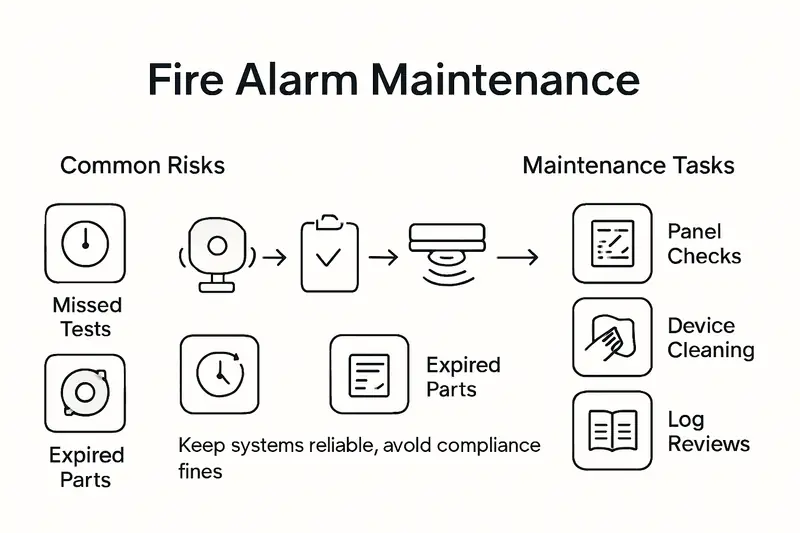
Below is a summary of essential fire alarm system maintenance tasks and their business impact:
| Maintenance Task | Purpose | Business Impact |
|---|---|---|
| Device Inspection | Ensure detectors function | Minimizes false alarms |
| Power Supply Check | Confirm backup readiness | Prevents downtime during outages |
| Documentation Review | Maintain accurate records | Supports regulatory compliance |
| Signal Transmission Test | Verify communication | Ensures emergency notifications |
Pro tip: Develop a comprehensive fire alarm system maintenance calendar with clearly defined quarterly and annual inspection protocols to ensure consistent regulatory compliance.
Protect Your Houston Property with Expert Fire Alarm Solutions
Understanding how fire alarms work in Houston buildings is essential to safeguarding your property and loved ones. With complex detection and notification systems, compliance with local regulations, and rigorous maintenance needs, managing fire safety can feel overwhelming. Reliable Fire Protection specializes in simplifying this challenge by providing tailored fire alarm system installations, inspections, and maintenance that ensure your building meets the highest safety standards and legal requirements.
Don’t let fire safety become a risk for your business or home. Act now to schedule a professional fire alarm assessment or upgrade your existing system with proven technology from Reliable Fire Protection. Learn more about our comprehensive fire protection services designed to protect your property 24/7. Visit us today and take the first step toward peace of mind and regulatory compliance.
Frequently Asked Questions
What is the primary function of a fire alarm system?
A fire alarm system is designed to detect fires and alert occupants of potential fire emergencies, providing critical early warnings that can save lives.
What are the main components of a fire alarm system?
The main components typically include smoke detectors, heat sensors, manual pull stations, and a central fire alarm control panel that monitors all connected devices.
How often should fire alarm systems be tested and maintained?
It is recommended to conduct quarterly testing and annual professional assessments to ensure that all fire alarm system components are functioning correctly and compliant with safety regulations.
What types of fire alarm systems are available for commercial properties?
There are three primary types of fire alarm systems: Central Station Systems, Proprietary Systems, and Remote Station Systems, each designed to meet specific safety and regulatory requirements based on the building’s needs.