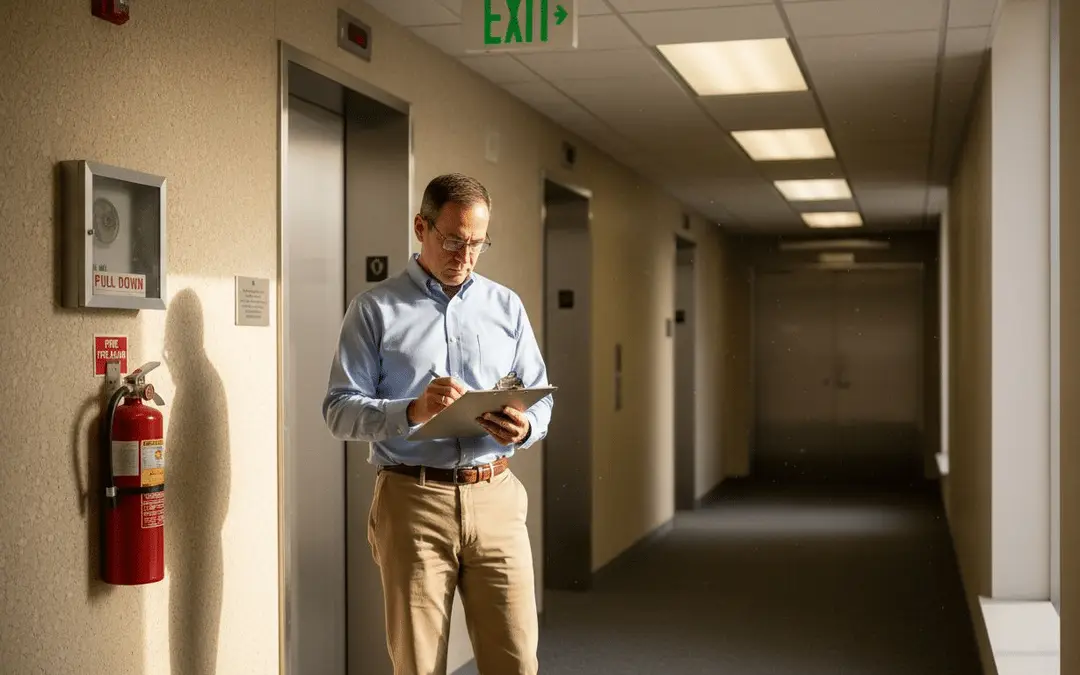
More than 80 percent of commercial building fires in the United States could be prevented or contained with proper fire safety equipment. For Houston property managers, keeping your assets protected is not only a compliance issue but a serious american liability concern. By focusing on certified alarms, reliable suppression systems, and well-placed detectors, you can safeguard both tenants and investments while strengthening your building’s safety record and reducing legal risks.
Table of Contents
- Install Certified Fire Alarm Systems For Early Detection
- Select The Right Fire Extinguishers For Your Property
- Ensure Proper Fire Sprinkler System Installation And Maintenance
- Integrate Smoke And Carbon Monoxide Detectors Throughout
- Add Emergency Exit Signs And Lighting For Safe Evacuation
- Maintain Reliable Fire Suppression Systems For High-Risk Areas
- Schedule Routine Fire Equipment Inspections And Testing
Quick Summary
| Takeaway | Explanation |
|---|---|
| 1. Install Certified Fire Alarm Systems | Certified systems provide early detection, potentially saving lives and property during emergencies. |
| 2. Select Appropriate Fire Extinguishers | Choose extinguishers based on specific hazards in your property to ensure effective emergency response. |
| 3. Ensure Proper Sprinkler System Maintenance | Regular inspections and maintenance optimize sprinkler functionality and compliance with safety standards. |
| 4. Integrate Smoke and CO Detectors | Strategically placed detectors improve safety during fire or gas emergencies by providing early warnings. |
| 5. Schedule Routine Fire Equipment Inspections | Regular inspections keep fire safety systems operational and compliant with safety regulations, ensuring preparedness. |
1. Install Certified Fire Alarm Systems for Early Detection
Fire alarm systems represent the first line of defense against potential catastrophic building emergencies in Houston’s commercial properties. Implementing a certified fire alarm system provides critical early detection capabilities that can save lives and protect valuable assets.
Professional fire alarm systems work through strategically placed sensors and detection devices that continuously monitor building environments for signs of potential fire risks. Professional installation following NFPA 72 guidelines ensures comprehensive coverage and compliance with rigorous safety standards. These systems typically include sophisticated control panels, smoke and heat detectors, alarm mechanisms, and communication devices designed to alert occupants and emergency services within seconds of detecting potential threats.
For Houston property managers, selecting the right fire alarm system depends on multiple factors including building size, occupancy type, and specific safety requirements. Addressable systems work best for larger commercial properties, allowing precise identification of the exact location where a potential fire threat is detected. Conventional systems might suit smaller facilities, providing reliable protection at a more economical price point.
The key advantages of certified fire alarm systems include immediate threat detection, automated emergency notifications, compliance with local safety regulations, and potential insurance premium reductions. Modern systems can integrate with building management platforms, providing real time monitoring and enhanced safety tracking.
Pro tip: Schedule professional fire alarm system assessments annually to ensure optimal performance and maintain compliance with the latest safety standards.
2. Select the Right Fire Extinguishers for Your Property
Choosing the appropriate fire extinguishers is a critical safety strategy for Houston property managers that can mean the difference between a manageable incident and a catastrophic loss. Not all fire extinguishers are created equal, and selecting the right type for your specific property environment is essential for effective emergency response.
Fire extinguishers are classified into different categories based on the types of fires they can safely combat. Class A extinguishers handle ordinary combustible materials like wood and paper, Class B target flammable liquids such as oils and gasoline, Class C are designed for electrical equipment fires, and Class K specifically address kitchen and cooking related fire risks.
For Houston commercial properties, a multiclass extinguisher offering comprehensive protection is often the most practical solution. Understanding the nuanced types of fire extinguishers helps property managers make informed decisions about their safety equipment. Considerations should include the specific hazards present in your building, potential fire sources, and the proximity of different work areas to potential ignition points.
Proper placement of fire extinguishers is as crucial as selecting the right type. OSHA regulations recommend positioning extinguishers where employees can reach them quickly without traversing more than 75 feet during a potential emergency. Regular professional inspections and maintenance ensure these critical safety devices remain functional and ready for immediate use.
Pro tip: Create a comprehensive fire extinguisher map for your property that clearly marks locations and indicates the specific class of extinguisher, making emergency response more efficient and intuitive.
3. Ensure Proper Fire Sprinkler System Installation and Maintenance
Fire sprinkler systems represent a critical line of defense for protecting commercial properties against potential fire disasters in Houston. These sophisticated safety mechanisms provide automatic fire suppression that can dramatically reduce property damage and protect human lives during emergency situations.
Effective sprinkler system design requires strategic planning and professional expertise. Fire sprinkler systems in Houston neighborhoods must be customized to address specific building layouts, occupancy types, and potential fire risks. Proper installation involves precise calculations of water pressure, pipe positioning, and spray coverage to ensure comprehensive protection across different building zones.
Routine maintenance is equally important as initial installation. Property managers should schedule quarterly professional inspections to verify system functionality, check for potential corrosion or damage, and ensure all components remain in optimal working condition. These inspections typically include pressure testing, valve assessments, and comprehensive evaluations of sprinkler head responsiveness.
Modern sprinkler systems offer advanced features including zoned coverage, quick response mechanisms, and integration with building management platforms. These technological enhancements allow for more targeted fire suppression and faster emergency notifications, providing property managers with enhanced safety monitoring capabilities.
Pro tip: Maintain a detailed maintenance log for your fire sprinkler system, documenting every inspection, repair, and modification to ensure consistent compliance and rapid troubleshooting.
4. Integrate Smoke and Carbon Monoxide Detectors Throughout
Smoke and carbon monoxide detectors are critical lifesaving devices that provide essential early warning during potential fire or gas leak emergencies. For Houston property managers, strategically placing these detection systems throughout buildings can mean the difference between a manageable incident and a catastrophic event.
Comprehensive detector placement requires understanding the unique layout and potential risk zones within your property. High risk areas include kitchens, mechanical rooms, electrical closets, and spaces with fuel burning equipment. Advanced system sensor addressable products offer sophisticated monitoring capabilities that can pinpoint exact locations of potential hazards.
Modern detector technologies provide interconnected systems that trigger simultaneous alarms across multiple building zones. This means when one detector identifies smoke or carbon monoxide, all units will sound an alert. Property managers should ensure detectors are installed on every floor level including basements and attics, with specific emphasis on sleeping areas and primary escape routes.
Carbon monoxide detectors are particularly crucial in commercial properties with gas powered equipment. These invisible threat sensors can detect dangerous gas concentrations before they reach lethal levels, providing critical time for evacuation and emergency response. Battery powered and hardwired options offer flexible installation strategies to suit different building configurations.
Pro tip: Schedule professional detector testing and battery replacement every six months, and maintain a detailed log documenting each inspection to ensure consistent safety monitoring.
5. Add Emergency Exit Signs and Lighting for Safe Evacuation
Emergency exit signage and lighting represent critical components of comprehensive fire safety infrastructure for Houston commercial properties. These systems provide essential guidance during high stress evacuation scenarios when clear navigation can mean the difference between life and death.
Effective emergency signage must be highly visible and strategically positioned to provide clear directional information during emergencies. Building codes require illuminated signs with contrasting colors that remain legible even in smoke filled environments. Photoluminescent exit signs offer superior visibility by absorbing ambient light and glowing brightly during power failures or intense smoke conditions.
Emergency lighting systems should include battery powered backup illumination that automatically activates during electrical disruptions. The importance of comprehensive fire alarm protection extends to ensuring occupants can safely navigate escape routes under challenging visibility conditions. Property managers must install emergency lights along primary evacuation paths including hallways, stairwells, and near exit doorways.
Complex buildings require multiple backup lighting strategies. Combination emergency lights featuring both traditional electrical and battery powered options provide redundant safety mechanisms. Regular testing and maintenance ensure these critical systems remain functional during unexpected emergencies.
Pro tip: Conduct quarterly walkthrough inspections of emergency exit routes to verify sign visibility and lighting functionality, documenting each assessment for compliance purposes.
6. Maintain Reliable Fire Suppression Systems for High-Risk Areas
Fire suppression systems represent the critical last line of defense for protecting valuable property and human lives in high risk commercial environments. Understanding the nuanced requirements for maintaining these complex safety mechanisms is essential for responsible property management.
High risk areas require specialized suppression technologies tailored to specific potential hazards. Kitchens, electrical rooms, server centers, and manufacturing spaces demand targeted fire suppression solutions that can rapidly neutralize unique fire threats. Fire suppression systems in different Houston neighborhoods demonstrate the importance of customized protection strategies.
Comprehensive maintenance involves systematic inspections of system components including nozzles, chemical agents, pressure systems, and activation mechanisms. Property managers must track detailed maintenance logs documenting every assessment, repair, and performance verification. Regular professional evaluations help identify potential system vulnerabilities before they compromise emergency readiness.
Modern fire suppression technologies offer advanced features like automated detection, precision targeting, and minimal collateral damage. Clean agent systems provide environmentally friendly alternatives that protect sensitive equipment while effectively suppressing fires. Selecting the appropriate suppression technology depends on understanding the specific risks present in different commercial environments.
Pro tip: Create a comprehensive digital maintenance tracking system that logs every inspection, repair, and system modification to ensure consistent compliance and rapid emergency preparedness.
7. Schedule Routine Fire Equipment Inspections and Testing
Routine fire equipment inspections represent the foundation of proactive safety management for Houston commercial properties. Regular testing and professional assessments ensure that critical fire protection systems remain fully operational and compliant with local and national safety regulations.
Comprehensive inspection protocols involve systematic evaluations of all fire safety equipment including alarm systems, sprinklers, extinguishers, suppression systems, and emergency lighting. Fire alarm system services in Houston provide specialized expertise for thorough equipment assessments that identify potential vulnerabilities before they become critical risks.
Property managers should establish a structured inspection schedule that includes quarterly visual inspections and annual comprehensive testing performed by certified fire safety professionals. These assessments typically involve checking system functionality, testing electronic components, verifying pressure levels in suppression systems, and ensuring all equipment meets current safety standards.
Documentation plays a crucial role in effective fire equipment management. Maintaining detailed records of every inspection, repair, and modification creates a comprehensive safety history that supports regulatory compliance and helps track the overall performance of fire protection infrastructure.
Pro tip: Create a digital tracking system that automatically schedules inspections, sends reminder notifications, and generates comprehensive compliance reports for your fire safety equipment.
Below is a comprehensive table summarizing essential fire safety strategies for Houston commercial properties as discussed in the article. Each approach focuses on specific measures for protecting lives and assets.
| Fire Safety Strategy | Implementation Details | Benefits |
|---|---|---|
| Certified Fire Alarm Systems | Install systems with sensors, detection devices, and automated notifications; ensure NFPA 72 compliance. | Early threat detection, asset protection, insurance benefit potential. |
| Appropriate Fire Extinguishers | Choose based on fire classes (A, B, C, K); strategically place within OSHA guidelines. | Efficient emergency response, targeted fire incident management. |
| Fire Sprinkler Systems | Design and install systems tailored to building specifics; schedule quarterly maintenance and testing. | Reduce property damage, quick response to fires. |
| Smoke and Carbon Monoxide Detectors | Install devices on all floors and near risk areas; ensure proper functionality through regular testing. | Enhanced life safety, early warning of fires or gas leaks. |
| Emergency Exit Signs and Lighting | Place illuminated signs and backup lighting along evacuation paths; conduct quarterly inspections. | Safe and guided evacuation during emergencies. |
| Reliable Fire Suppression Systems | Equip high-risk areas with appropriate suppression technology; maintain detailed maintenance records. | Minimized fire damage to critical areas and equipment. |
| Routine Fire Equipment Inspections | Perform systematic inspections of all safety equipment, maintaining a digital compliance log. | Equipment reliability, compliance with safety regulations. |
Implementing these strategies ensures enhanced safety features in commercial properties, safeguarding occupants and investments effectively.
Strengthen Your Fire Safety Strategy with Trusted Houston Experts
Managing fire safety equipment can be overwhelming, especially when you are committed to protecting lives and property in Houston commercial spaces. This article highlights critical challenges like ensuring certified fire alarm installation, selecting the right fire extinguishers, maintaining sprinkler systems, and more. From early detection to emergency evacuation, these are complex demands that require expert solutions tailored to your property’s unique needs.
Reliable Fire Protection specializes in addressing these exact challenges with comprehensive services including professional fire alarm system installation, routine equipment inspections, fire suppression system maintenance, and advanced detector integration. Our local Houston team understands strict compliance requirements and delivers trusted fire safety solutions that give you peace of mind and keep your property fully protected.
Take the first step now to transform your fire safety preparedness. Visit Reliable Fire Protection to explore specialized services like fire sprinkler systems and fire alarm system services in Houston. Contact us for a free consultation and ensure your commercial property meets the highest safety standards today.
Frequently Asked Questions
What are the key components of a certified fire alarm system for commercial properties?
A certified fire alarm system includes smoke and heat detectors, a control panel, alarm mechanisms, and communication devices. Install the system according to NFPA 72 guidelines to ensure comprehensive coverage and compliance with safety standards.
How can I choose the right fire extinguishers for my property?
To choose the right fire extinguishers, assess the types of potential fire hazards present in your environment, such as flammable liquids or electrical equipment. Ensure you select the appropriate classes (A, B, C, K) and install multi-class extinguishers for broader protection.
What maintenance is required for fire sprinkler systems?
Fire sprinkler systems require routine inspections and maintenance to verify functionality and assess for damage. Schedule quarterly evaluations by professionals to ensure the system operates effectively and remains compliant with safety regulations.
How should I strategically place smoke and carbon monoxide detectors?
Place smoke and carbon monoxide detectors in high-risk areas such as kitchens, mechanical rooms, and near sleeping areas. Ensure coverage on every floor and install interconnected systems to trigger alarms throughout the building simultaneously.
What should I do to maintain emergency exit signs and lighting?
Regularly check that emergency exit signs are clearly visible and functional, ideally conducting inspections quarterly. Ensure that battery-powered backup lighting activates during power outages to enable safe navigation during emergencies.
How often should I schedule fire equipment inspections?
Schedule fire equipment inspections at least quarterly for visual checks and annually for comprehensive testing by certified professionals. Maintaining a detailed log of each inspection helps ensure readiness and compliance with safety standards.