
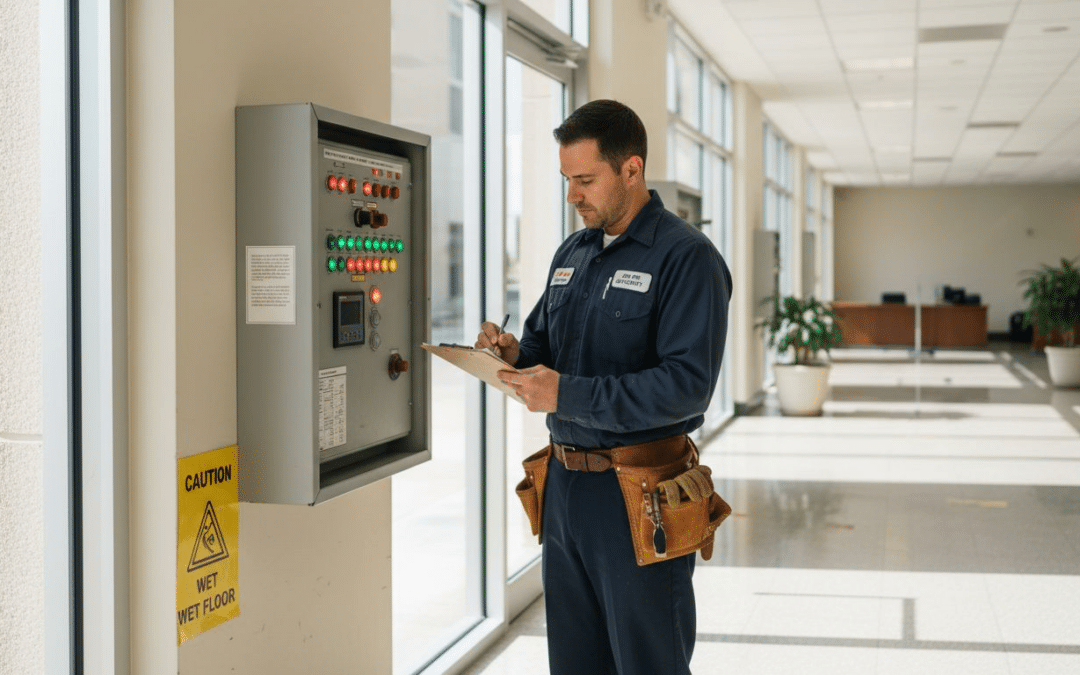
Many Texas property managers struggle with fire alarm testing that truly meets regulatory and safety standards, risking costly fines and safety breaches. Full system testing following NFPA 72 requirements is not optional; it is legally mandated and essential to protect lives and property. This guide delivers a comprehensive, actionable roadmap to confidently perform compliant fire alarm testing, reduce fault rates by 40%, and maintain ongoing compliance with Texas fire codes.
Table of Contents
- Introduction To Fire Alarm Testing And Compliance In Texas
- Prerequisites: Tools, Knowledge, And Preparations For Testing
- Step-By-Step Fire Alarm Testing Procedures
- Common Testing Mistakes And Troubleshooting Tips
- Documentation, Reporting, And Compliance Record Keeping
- Safety Precautions And Warnings During Fire Alarm Testing
- Expected Outcomes: Timelines, Costs, And Measurable Success Metrics
- Alternative Testing Approaches And Their Tradeoffs
- Reliable Fire Protection Solutions For Texas Fire Alarm Compliance
- Frequently Asked Questions About Testing Fire Alarms In Texas
Key Takeaways
| Point | Details |
|---|---|
| Annual testing is mandatory | NFPA 72 requires comprehensive testing of all fire alarm components at least once yearly. |
| Full system coverage prevents failures | Testing detectors, notification appliances, and control panels reduces faults by 40%. |
| Documentation ensures compliance | Proper records and reports satisfy Texas fire code audits and authority submissions. |
| Calibrated equipment delivers accuracy | Using verified test tools and following safety protocols prevents false results and hazards. |
| Partial testing increases risk | Skipping components leads to undetected faults and code violations. |
Introduction to Fire Alarm Testing and Compliance in Texas
Fire alarm systems serve as the first line of defense in emergencies, alerting occupants and emergency responders to potential threats. Regular testing verifies these systems function correctly when seconds count. Understanding the importance of fire alarms in Houston commercial and industrial buildings requires recognizing both the life safety mission and the legal obligations property managers face.
Texas fire codes align with NFPA 72 code requirements, mandating annual comprehensive inspections and testing. NFPA 72 requires testing at least annually and specifies detailed steps for detectors, notification appliances, and control units to ensure operational readiness. This is not a suggestion; it is enforceable law.
Non-compliance carries serious consequences:
- Financial penalties from local fire marshals and building authorities
- Increased insurance premiums or policy cancellations
- Liability exposure if fire incidents occur with non-functional systems
- Operational disruptions and potential building closure orders
Property managers who skip or delay testing gamble with safety and face compounding costs. Proactive compliance protects people, preserves property value, and avoids regulatory headaches.
Prerequisites: Tools, Knowledge, and Preparations for Testing
Successful fire alarm testing starts well before touching any equipment. Gathering the right tools, understanding system architecture, and coordinating with occupants sets the foundation for accurate, safe testing.
Essential equipment includes calibrated smoke testers, heat test devices, sound level meters, battery load testers, and signal amplifiers. Verify calibration dates on all test instruments before beginning. Using uncalibrated equipment produces unreliable results and wastes time troubleshooting phantom faults.
You need solid knowledge of your specific fire alarm system:
- System schematics showing detector locations, zones, and wiring paths
- Component specifications including detector types, sensitivity ranges, and notification device ratings
- Control panel operation manuals and programming details
- Fire alarm system checklist standards for your building type
Coordination with building occupants prevents unnecessary panic and false emergency responses. Notify tenants, employees, and nearby facilities at least 48 hours in advance. Post visible signage on testing days explaining that alarms are part of scheduled maintenance.
Safety protocols are non-negotiable. Temporarily silence building-wide alarm outputs to the fire department and monitoring service. Use hearing protection near loud notification appliances. Never work alone on electrical panels or elevated detector testing. Keep fire extinguishers accessible during all testing activities.
Pro Tip: Always verify calibration of test equipment before starting, reducing false fault reports and ensuring accurate compliance documentation.
Step-by-Step Fire Alarm Testing Procedures
Executing NFPA 72 testing steps systematically ensures nothing gets overlooked. Following this structured approach guarantees thorough coverage of all system components required for Texas compliance.
- Visual Inspection: Walk through the entire facility examining every detector, pull station, notification appliance, and wiring junction. Look for physical damage, obstructions blocking detector sensors, corrosion, or loose mounting. Document any issues immediately.
- Detector Functional Testing: Using calibrated smoke or heat test devices, activate each detector individually. NFPA 72 mandates testing detectors to confirm proper response to simulated fire conditions. Verify the control panel registers the activation and identifies the correct zone. Test sensitivity on addressable detectors if equipped.
- Notification Appliance Testing: Activate all horns, strokers, speakers, and bells through the control panel. Measure sound levels with a decibel meter to confirm they meet minimum audibility standards. Check strobe candela ratings and synchronization. Every occupiable space must receive clear notification.
- Control Panel Verification: Test panel responses to multiple simultaneous inputs. Verify trouble signals, supervisory signals, and alarm signals display correctly. Check event logging functions capture all test activities with accurate timestamps. Confirm panel firmware is current per manufacturer specifications.
- Battery Backup Testing: Disconnect primary power and operate the system on battery backup for at least 15 minutes under load. Monitor voltage levels throughout the test. Batteries must maintain adequate power for the system’s rated standby duration, typically 24 hours plus emergency operation time.
- Integration Testing: If your system connects to sprinklers, HVAC controls, elevator recall, or door release mechanisms, test these integrations. Verify proper sequencing and timing of all connected systems.
| Test Step | Purpose | Pass Criteria |
|---|---|---|
| Visual Inspection | Identify physical damage or obstructions | No visible damage, clear sensor paths |
| Detector Function | Verify fire detection responsiveness | Activation within 30 seconds of test stimulus |
| Notification Appliances | Confirm audible/visible alarm delivery | Sound levels meet NFPA minimums, strobes synchronized |
| Control Panel | Validate signal processing and logging | Correct zone identification, accurate event logs |
| Battery Backup | Ensure emergency power reliability | Voltage stable throughout 15-minute load test |
| System Integration | Test connected safety systems | Proper sequencing of sprinkler, HVAC, door releases |
Pro Tip: Document each test step immediately to avoid missing critical data and ensure audit readiness. Use mobile apps or digital forms for real-time capture.
Understanding how fire alarm systems work helps interpret test results accurately. Following fire alarm maintenance tips between annual tests extends system reliability.
Common Testing Mistakes and Troubleshooting Tips
Even experienced property managers make errors that compromise test validity and system reliability. Recognizing these pitfalls helps you avoid compliance failures and costly repairs.
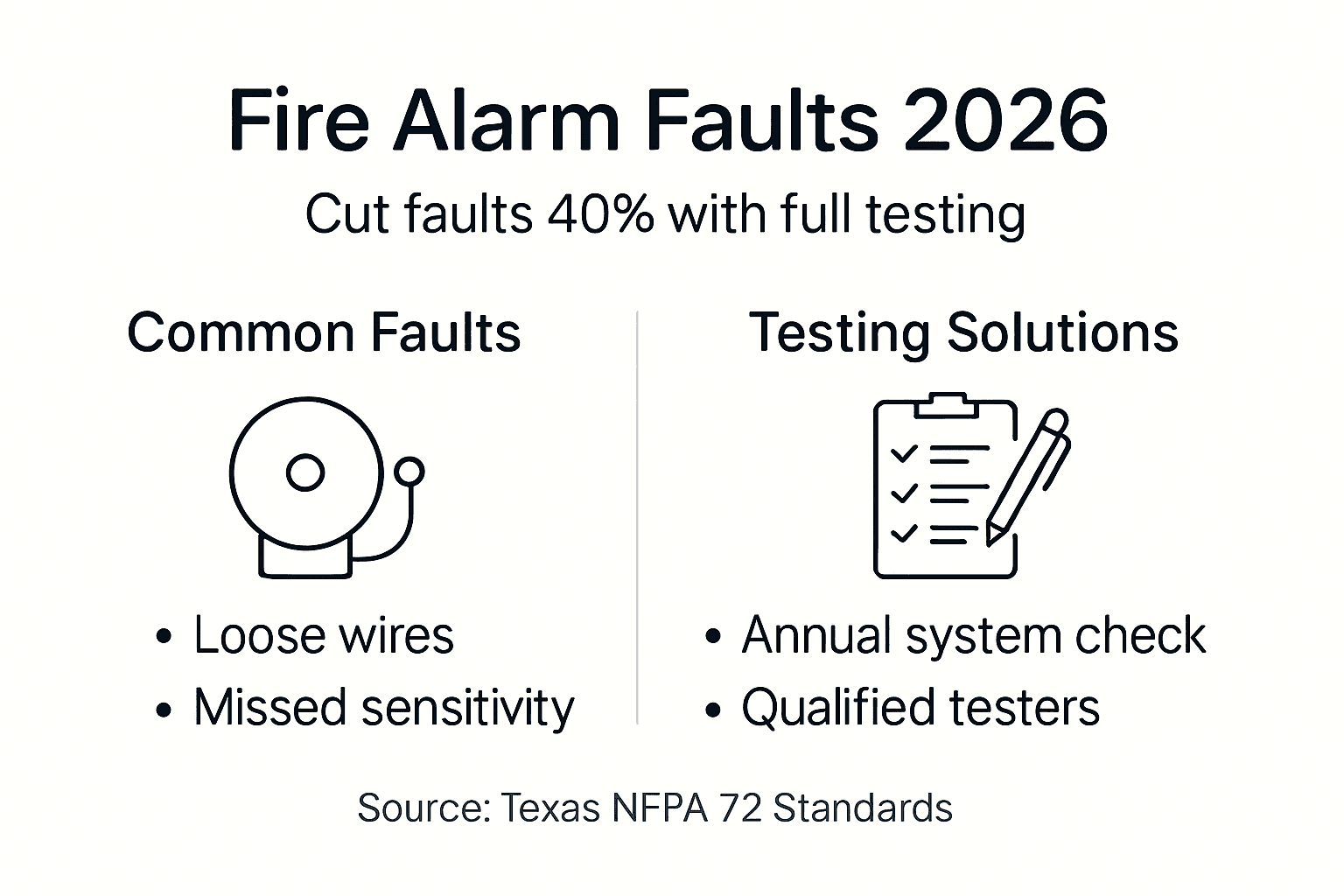
Skipping detector sensitivity testing causes 40% of test failures. Many managers verify detector activation but ignore whether sensitivity has drifted out of specification. Detectors become less responsive over time due to dust accumulation or component aging. Always test actual sensitivity, not just activation.
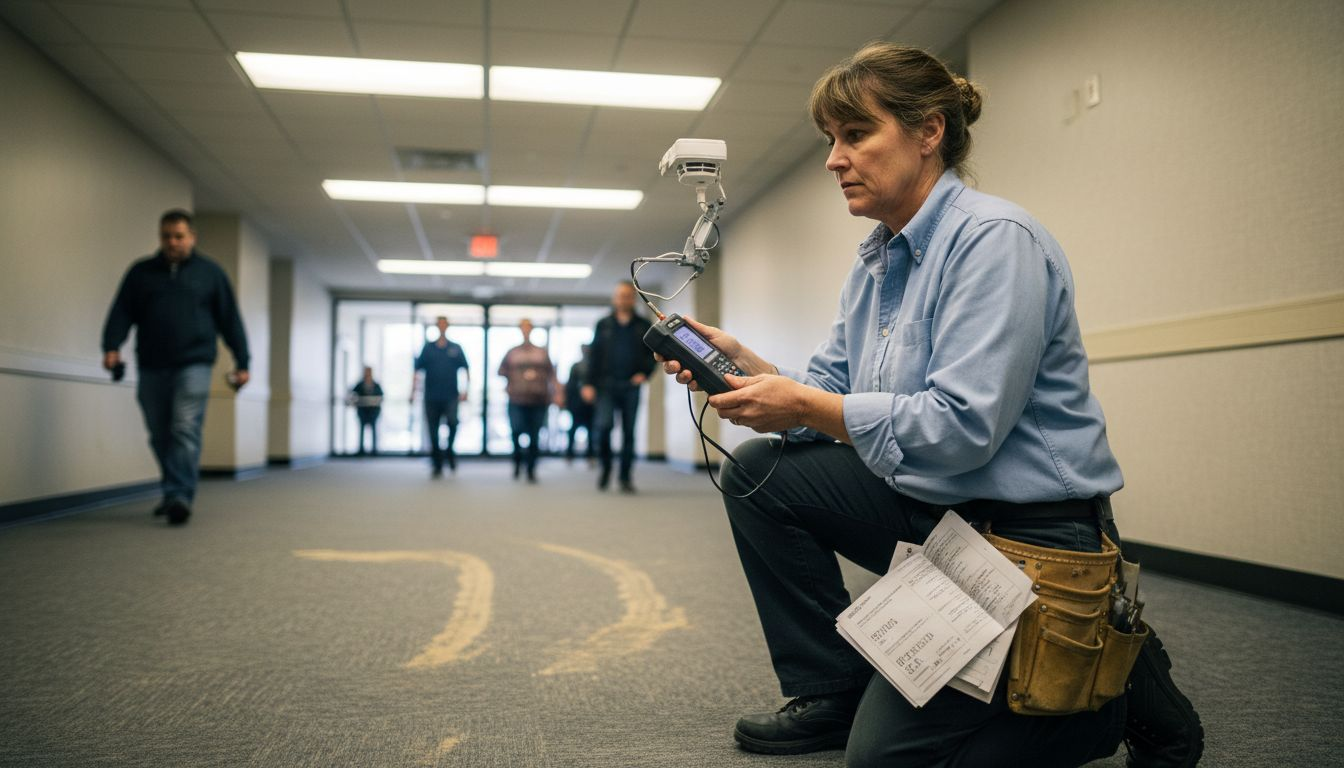
Ignoring battery backup checks leads to another 40% of faults. Batteries degrade silently, showing normal voltage until placed under load. Testing only voltage without load simulation misses failing batteries that cannot sustain emergency operation. Perform full load tests every time.
Key mistakes to avoid:
- Testing only accessible detectors while skipping high ceiling or difficult locations
- Failing to document test results immediately, relying on memory later
- Not notifying occupants, which increases false alarm dispatches by 95%
- Using outdated test equipment producing unreliable measurements
- Rushing through procedures, missing subtle system faults
When you encounter fault signals, systematic troubleshooting saves time. Check connections first; loose wiring causes most intermittent faults. Verify power supplies deliver correct voltages. Swap suspect components with known-good spares to isolate failures. Review recent environmental changes like renovations that may have disturbed devices.
Know when to call professionals. If you discover widespread detector failures, control panel malfunctions, or integration issues, do not attempt complex repairs without proper training. Reducing fire alarm failures in Texas requires both competent testing and knowing your limits.
Retest after any repairs or adjustments. Never assume corrections fixed the problem without verification testing. This discipline prevents repeat failures and ensures your final compliance documentation reflects actual system condition.
Documentation, Reporting, and Compliance Record Keeping
Thorough documentation transforms testing activities into defensible compliance proof. Texas fire authorities and insurance carriers demand detailed records demonstrating system reliability and regulatory adherence.
Your test reports must capture essential data:
- Date and time of testing
- Tester name, qualifications, and certification numbers
- Complete list of components tested with pass/fail results for each
- Specific measurements like sound levels, battery voltages, and detector sensitivity readings
- Description of any deficiencies found and corrective actions taken
- Signature of qualified tester validating accuracy
Submit required reports to local fire marshals according to Houston fire safety testing requirements schedules. Many jurisdictions require submission within 30 days of testing. Late or missing reports trigger compliance violations even if testing was performed correctly.
Maintain comprehensive logs accessible for audits. Store records for at least five years, the typical audit lookback period. Digital systems with cloud backup prevent loss from physical disasters. Organize records by building, system, and test date for quick retrieval.
Standardized forms reduce documentation errors and ensure consistency across multiple properties. Templates should include checklists preventing missed test steps and fields for all required data elements. Many modern fire alarm systems offer automated reporting features extracting test data directly from control panels.
Tester qualifications matter significantly. Only individuals with proper training and certification should perform and document testing. Fire alarm maintenance and record keeping requires demonstrated competency. Include copies of tester certifications with your compliance documentation.
Audit-ready documentation protects you during inspections and proves due diligence if incidents occur. Incomplete records undermine your entire compliance program regardless of actual testing quality.
Safety Precautions and Warnings During Fire Alarm Testing
Fire alarm testing involves electrical systems, loud noises, elevated work, and potential for unintended emergency responses. Strict safety protocols protect personnel, occupants, and property during testing activities.
Temporarily disable building-wide alarm transmission to monitoring centers and fire departments before beginning tests. Coordinate this disconnection through proper channels, ensuring the monitoring company acknowledges the testing window. Failure to disable transmission results in costly false alarm dispatches and potential fines.
Notify all building occupants well in advance. Post prominent signage at entrances and elevator lobbies on test days. Send email alerts and text notifications if available. Advance warning prevents panic, reduces complaints, and minimizes disruption to business operations.
Critical safety practices include:
- Using hearing protection when testing high-decibel notification appliances
- Following lockout/tagout procedures when working on control panel power supplies
- Using proper ladders or lifts rated for the work height and technician weight
- Never bypassing safety interlocks on electrical cabinets
- Keeping bystanders clear of testing areas
Prepare response plans for accidental alarm activations. Despite precautions, unintended alarms occasionally occur. Quickly silence alarms, notify occupants via PA system, and verify no actual emergency exists. Document any unintended activations in your test report.
Safety first: Never skip occupant notification or alarm silencing to prevent costly false alarms and disruptions.
Test during low-occupancy periods when possible. Early mornings or weekends minimize disruption and reduce the number of people potentially affected by test activities. However, balance this against the need for adequate staffing to respond if complications arise.
Maintain situational awareness throughout testing. Fire alarm systems protect against real fires, which do not pause for testing. Keep fire extinguishers accessible and maintain clear egress paths. If you detect actual smoke or fire during testing, abort immediately and follow emergency procedures.
Expected Outcomes: Timelines, Costs, and Measurable Success Metrics
Understanding realistic testing timelines and costs helps property managers budget appropriately and measure success objectively. Clear metrics define when testing truly satisfies compliance requirements.
Average full-system testing requires two to four hours for typical commercial buildings. Larger facilities with hundreds of devices need proportionally more time. High-rise buildings with multiple floors and complex zoning may require full-day testing sessions. Rushing compromises thoroughness and increases the likelihood of missed faults.
Cost varies based on system complexity and building size. Simple systems in small buildings may cost $300 to $600 for professional testing. Large commercial complexes with integrated systems can reach $2,000 to $5,000 or more. These costs include labor, equipment, and documentation but exclude repairs for identified deficiencies.
Success metrics provide objective benchmarks:
- 100% detector responsiveness within specified time parameters
- All notification appliances activate and meet audibility/visibility standards
- Control panel correctly identifies all zones and logs all events
- Battery backup sustains full system operation throughout load test
- Zero trouble or supervisory signals remaining after test completion
Failing any metric signals immediate need for repairs or system upgrades. Do not accept partial compliance. A fire alarm system either works completely or fails to provide adequate protection.
| Testing Approach | Cost Range | Duration | Compliance Level | Fault Detection Rate |
|---|---|---|---|---|
| Full System Testing | $500-$2,000+ | 2-4 hours | 100% compliant with NFPA 72 and Texas codes | Detects 95-100% of faults |
| Partial Testing | $200-$800 | 1-2 hours | Non-compliant, violates annual requirements | Misses 35-40% of faults |
Measure year-over-year trends in your test results. Increasing fault rates suggest aging equipment needing replacement. Consistent clean tests validate your maintenance program effectiveness. Use metrics to justify budget requests for system upgrades or preventive maintenance investments.
Alternative Testing Approaches and Their Tradeoffs
Some property managers consider partial testing to reduce costs or time commitment. Understanding the tradeoffs helps you make informed decisions balancing resources against compliance and safety requirements.
Full system testing examines every detector, notification appliance, control panel function, battery backup, and system integration. This comprehensive approach ensures complete operational verification and satisfies all NFPA 72 and Texas fire code requirements. It provides maximum confidence in system reliability.
Partial detector-only testing focuses solely on smoke and heat detectors, skipping notification appliances, control panel verification, and integration testing. While faster and cheaper, this approach violates annual compliance requirements and misses up to 35% of potential faults.
| Feature | Full System Testing | Partial Detector Testing |
|---|---|---|
| Compliance | Meets NFPA 72 and Texas codes | Violates annual requirements |
| Cost | Higher upfront investment | Lower immediate cost |
| Fault Detection | 95-100% of system faults | 60-65% of system faults |
| Time Required | 2-4 hours | 1-2 hours |
| Risk Level | Minimal, comprehensive coverage | High, significant gaps |
Partial testing pros and cons:
- Pro: Reduces immediate testing costs by 40 to 60%
- Pro: Completes faster with less occupant disruption
- Con: Fails to meet legal compliance requirements
- Con: Misses critical notification appliance failures
- Con: Provides false confidence in system reliability
- Con: Increases liability exposure if fire incidents occur
Some managers attempt quarterly partial tests supplemented by annual full testing. While better than nothing, this still leaves long gaps where notification failures or control panel issues may exist undetected. The risk does not justify the modest cost savings.
Texas fire codes explicitly require full system testing annually. Choosing partial approaches to save money exposes you to citations, fines, and insurance complications. When auditors or fire marshals review your records, partial testing documentation proves non-compliance.
Invest in complete testing. The difference in cost is minor compared to the consequences of system failure during an actual fire emergency. Property managers carry responsibility for occupant safety; cutting corners on fire protection contradicts that fundamental duty.
Reliable Fire Protection Solutions for Texas Fire Alarm Compliance
Navigating fire alarm testing requirements demands expertise and experience. Reliable Fire Protection brings both to Texas property managers seeking confident compliance and enhanced safety.
Our team specializes in comprehensive fire alarm systems installation, inspection, and testing services throughout Houston and surrounding areas. We ensure your property meets NFPA 72 and Texas fire code requirements through meticulous testing protocols and detailed documentation.
With extensive experience serving commercial and industrial clients in Midtown Houston, University Place, and throughout the greater Houston area, we understand local regulatory requirements and building challenges. Our certified technicians use calibrated equipment and follow industry best practices to deliver accurate, defensible test results.
We handle all aspects of fire alarm compliance from initial system design through ongoing maintenance and testing. Our services include emergency repairs, system upgrades, and consultation on optimizing existing installations. Contact Reliable Fire Protection today to schedule professional testing or discuss system improvements that protect your property and provide peace of mind.
Frequently Asked Questions about Testing Fire Alarms in Texas
What is the minimum frequency for fire alarm testing in Texas?
Texas fire codes require comprehensive fire alarm system testing at least annually, following NFPA 72 standards. Some components like battery backups may require more frequent testing every six months depending on system type and local authority requirements.
Can I perform partial testing instead of full system testing to save time?
Partial testing violates NFPA 72 and Texas fire code annual requirements. It misses 35 to 40% of potential faults, provides false confidence, and exposes you to compliance penalties and increased liability during fire incidents.
What documentation is required after testing to comply with Texas codes?
You must maintain detailed reports including test date, tester qualifications, component-by-component results, measurements, deficiencies found, and corrective actions taken. Submit reports to local fire authorities within required timeframes, typically 30 days, and retain records for at least five years.
How should I handle occupant notification to prevent false alarms?
Notify all building occupants at least 48 hours before testing via email, signage, and announcements. Coordinate with your monitoring company to temporarily disable alarm transmission to fire departments. Post visible notices on testing days explaining scheduled maintenance activities.
What are the most common causes of fire alarm test failures and how can I avoid them?
Skipping detector sensitivity tests and ignoring battery backup load testing each cause 40% of failures. Avoid these by using calibrated equipment, testing every component systematically, documenting immediately, and never rushing through procedures to save time.