
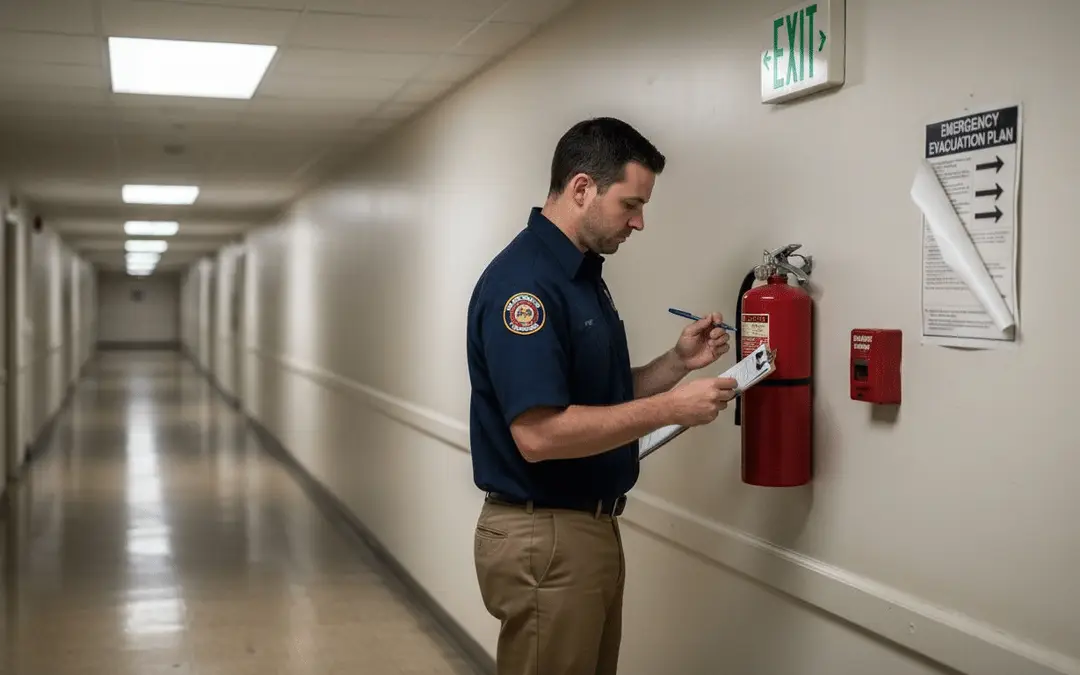
Most American commercial property fires lead to over $3.1 billion in damages every year. Houston property managers know that protecting tenants and employees means more than installing detectors or sprinklers. Fire protection is layered and complex, not simply a checklist item. This article breaks down key systems, dispels risky myths, clarifies legal requirements, and explains cost-saving compliance strategies for building a safer environment.
Table of Contents
- Defining Fire Protection and Common Myths
- Major Fire Protection Systems Explained
- How Fire Protection Works for Buildings
- Key Legal Requirements and Industry Standards
- Compliance Risks and Cost Implications for Managers
Key Takeaways
| Point | Details |
|---|---|
| Holistic Fire Protection | A comprehensive fire protection system includes prevention, detection, and mitigation strategies tailored to specific property risks. |
| Myths Impact Safety | Common misconceptions about fire safety, like the reliability of smoke detectors, can lead to inadequate preparedness and increased risk. |
| Active vs. Passive Systems | Understanding the differences between active (like sprinklers) and passive (like fire-resistant materials) protection is crucial for effective fire safety. |
| Compliance is Essential | Regular audits and compliance with NFPA standards are necessary to avoid legal issues and ensure safety in fire protection systems. |
Defining Fire Protection and Common Myths
Fire protection represents a comprehensive system of safety strategies designed to prevent, detect, and mitigate fire risks in properties. At its core, fire protection involves understanding how fires develop, spread, and can be controlled through strategic interventions. National Fire Protection Association research reveals that effective fire protection goes far beyond simply having extinguishers or alarms – it requires a holistic approach to risk management.
Contrary to popular misconceptions, fires are not slow-moving or predictable events. The fire triangle demonstrates that three critical elements must converge for fire to exist: fuel, oxygen, and heat. When these components interact, fires can rapidly escalate from a small spark to a devastating blaze within minutes. Houston property managers must recognize that fire spread is complex, with toxic smoke often posing a greater threat than flames themselves. Understanding these dynamics is crucial for developing robust protection strategies.
Common fire protection myths persist that can compromise safety. Many people incorrectly believe that smoke detectors are foolproof or that fires only happen to others. In reality, systematic workplace fire safety habits are essential for preventing potential disasters. Effective fire protection requires ongoing education, regular system maintenance, and proactive risk assessment.
Pro Tip for Fire Safety: Conduct quarterly fire safety audits of your property, checking all detection systems, ensuring clear evacuation routes, and training staff on emergency protocols. Preparedness is your best defense against potential fire risks.
Major Fire Protection Systems Explained
Fire protection systems represent a critical defense mechanism for safeguarding Houston properties against potential fire disasters. Comprehensive fire protection technologies encompass multiple integrated approaches designed to detect, suppress, and mitigate fire risks across different environments. These systems are not one-size-fits-all solutions but carefully engineered networks tailored to specific property requirements and potential hazards.
Two primary categories of fire protection systems exist: active and passive protection mechanisms. Active systems include fire alarms, sprinkler installations, and emergency suppression technologies that directly intervene during a fire event. Passive systems involve fire-resistant building materials, strategic compartmentalization, and structural design elements that slow fire progression and prevent rapid spread. Houston property managers must understand how these systems work synergistically to create comprehensive safety networks.
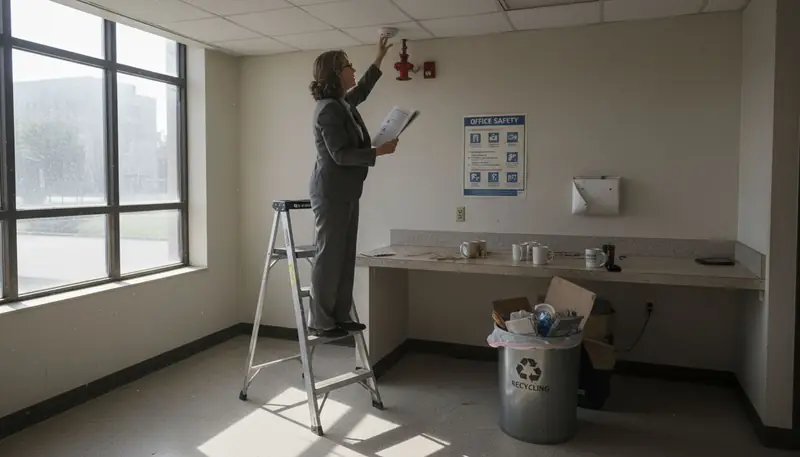
Here’s a comparison of active and passive fire protection systems and their roles:
| System Type | Main Function | Common Examples |
|---|---|---|
| Active Protection | Directly confronts fire during emergency | Sprinklers, alarms, extinguishers |
| Passive Protection | Limits fire spread structurally | Fire doors, fire-resistant walls, compartmentalization |
Each fire protection system serves a unique purpose in the overall safety strategy. Understanding types of fire extinguishers provides insight into targeted fire suppression techniques. Fire alarm systems detect potential threats early, sprinkler systems provide immediate water-based suppression, and specialized extinguishers offer precise intervention for specific fire classes. Modern integrated systems combine multiple technologies to create robust, responsive fire safety solutions that can dramatically reduce potential property damage and save lives.
Pro Tip for System Selection: Conduct a professional risk assessment of your property to determine the most appropriate fire protection system configuration, considering your specific building layout, occupancy type, and potential fire hazards.
How Fire Protection Works for Buildings
Fire protection systems function as complex, interconnected networks designed to prevent, detect, and mitigate fire risks in buildings. These comprehensive systems combine multiple technologies and strategies to create layered defense mechanisms that protect both structural integrity and human life. Each component works systematically to identify potential hazards, alert occupants, contain fire spread, and facilitate safe evacuation during emergency scenarios.
The core functionality of building fire protection involves three critical stages: detection, notification, and suppression. Detection systems utilize advanced sensors that continuously monitor environmental conditions, identifying unusual heat signatures or smoke concentrations. When triggered, these systems immediately activate notification protocols, triggering alarms, emergency lighting, and communication networks that alert building occupants. Suppression technologies like sprinkler systems and fire extinguishers then engage to control and minimize potential fire damage.
Buildings incorporate both active and passive fire protection strategies to ensure comprehensive safety. How Do Fire Alarm Systems Work? reveals the intricate technologies behind these protection networks. Passive strategies include fire-resistant construction materials, strategic building compartmentalization, and carefully designed evacuation routes that naturally impede fire progression. Active systems complement these passive elements by providing real-time intervention capabilities, creating a dynamic and responsive safety infrastructure that adapts to emerging threats.
Pro Tip for System Effectiveness: Schedule annual professional inspections of your fire protection systems to ensure all components are functioning correctly, maintaining optimal performance and compliance with current safety regulations.
Key Legal Requirements and Industry Standards
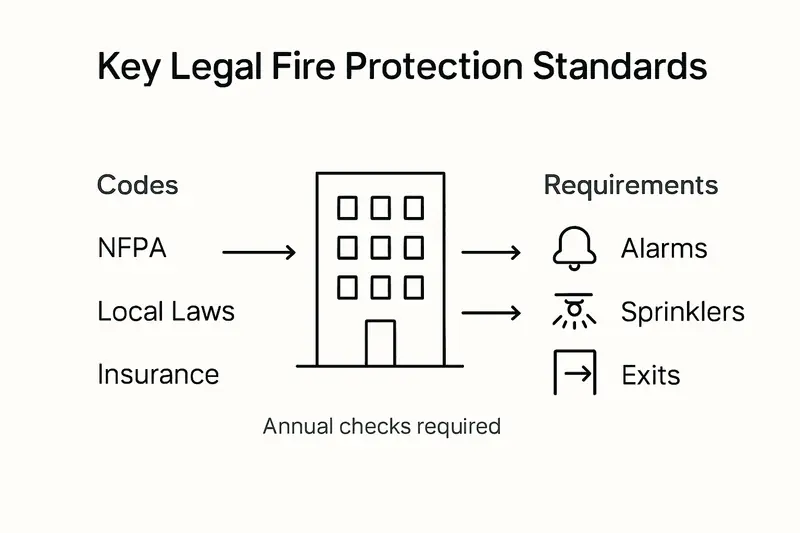
The National Fire Protection Association (NFPA) maintains over 300 critical codes and standards that establish comprehensive legal frameworks for fire protection across the United States. These standards serve as the fundamental blueprint for ensuring safety in commercial and residential properties, providing detailed guidelines that are often incorporated directly into federal, state, and local regulations. Property managers and building owners must understand these requirements to maintain compliance and protect human life.
The legal landscape of fire protection involves multiple layers of regulatory oversight. Fire protection requirements in the International Building Code outline specific mandates for system design, installation, testing, and maintenance. These regulations specify exactly when different fire protection technologies are required, how they must be implemented, and the precise standards for ongoing maintenance. Building officials have the authority to enforce these codes, with potential penalties for non-compliance that can include significant fines, forced facility closures, and potential legal liability.
Key legal standards typically address several critical areas of fire protection. These include mandatory installation of appropriate fire detection and suppression systems, required emergency evacuation protocols, specific training requirements for personnel, regular system inspections, and documentation of maintenance procedures. Houston properties must not only meet but consistently demonstrate compliance with these evolving standards, which are periodically updated to incorporate new technologies and lessons learned from fire safety research.
Pro Tip for Compliance: Consult a certified fire protection professional annually to conduct a comprehensive audit of your current systems against the latest NFPA and building code requirements, ensuring your property remains fully compliant and protected.
Compliance Risks and Cost Implications for Managers
Fire safety compliance strategies represent critical risk management protocols for Houston property managers. Non-compliance can trigger devastating financial and legal consequences that extend far beyond simple monetary penalties. Property managers must recognize that inadequate fire protection systems expose their organizations to potential lawsuits, insurance complications, operational interruptions, and significant reputational damage.
The financial spectrum of non-compliance encompasses multiple risk categories. Direct costs include potential fines, mandatory system upgrades, and re-inspection fees. Indirect costs can be substantially more severe, potentially including business interruption, increased insurance premiums, legal settlements, and potential criminal charges. City fire code enforcement mechanisms demonstrate that penalties can escalate rapidly, with fines reaching up to $2,500 and potential misdemeanor charges for repeated violations. These consequences underscore the critical importance of proactive fire safety management.
This table highlights major compliance risks and cost implications for property managers:
| Risk Type | Short-Term Impact | Long-Term Consequences |
|---|---|---|
| Regulatory Fines | Immediate financial penalty | Escalating costs, criminal charges |
| System Failure | Shutdowns, repairs required | Higher insurance, reputation loss |
| Documentation Gaps | Non-compliance citations | Lawsuits, tenant trust issues |
Risk mitigation requires a comprehensive approach that goes beyond simple regulatory checkbox compliance. Property managers must develop systematic documentation processes, conduct regular risk assessments, maintain updated fire protection equipment, and ensure ongoing staff training. This holistic strategy not only reduces legal exposure but also creates a demonstrable commitment to occupant safety that can positively impact insurance ratings, tenant relationships, and overall organizational reputation.
Pro Tip for Risk Management: Develop a comprehensive fire safety compliance portfolio that includes detailed inspection logs, maintenance records, staff training certifications, and a clear upgrade roadmap to demonstrate proactive risk management to regulators and insurance providers.
Protect Your Houston Property with Trusted Fire Safety Solutions
Understanding fire protection challenges is vital for Houston property managers who face complex risks like rapid fire spread, legal compliance pressures, and costly system failures. This article highlights critical needs such as effective fire detection, suppression, and regular maintenance to prevent devastating losses. At Reliable Fire Protection, we specialize in holistic fire safety systems that align perfectly with the advanced fire protection concepts discussed — including fire alarms, sprinkler installations, and state-of-the-art suppression technologies.

Don’t wait for an emergency to discover vulnerabilities in your fire protection setup. Take proactive control today by exploring how our certified experts can help you meet stringent NFPA codes and optimize your building’s safety with tailored solutions. Visit Reliable Fire Protection now to request a free consultation and ensure your Houston property is comprehensively safeguarded. Learn more about fire alarms on our page How Do Fire Alarm Systems Work? and gain insights into extinguishing hazards via Understanding Types of Fire Extinguishers. Your property’s safety is our highest priority.
Frequently Asked Questions
What are the main types of fire protection systems?
Fire protection systems are generally categorized into two main types: active and passive protection mechanisms. Active systems, such as fire alarms, sprinklers, and extinguishers, directly confront a fire during an emergency. Passive systems, including fire-resistant materials and compartmentalization, are designed to limit fire spread structurally.
How do fire protection systems work in buildings?
Fire protection systems function in a layered approach that includes detection, notification, and suppression. Advanced sensors detect unusual heat or smoke, triggering alarms and notification protocols to alert occupants. Suppression systems, like sprinklers and extinguishers, engage to control and minimize fire damage.
What are common fire protection myths?
Common myths include the belief that smoke detectors are foolproof, or that fires only occur in other places. In reality, smoke detectors require regular maintenance and testing, and fire can occur in any environment. Proper fire safety education and systematic workplace habits are essential for effective prevention.
How can property managers ensure compliance with fire safety regulations?
Property managers can ensure compliance by regularly consulting certified fire protection professionals to conduct audits of their systems against the latest regulations. Keeping documentation updated, maintaining fire protection equipment, and providing ongoing staff training can further safeguard compliance and enhance occupant safety.