
TL;DR:
- Home fire risk increases mainly due to cooking hazards, heating failures, unattended smoking, and electrical faults.
- Precautionary measures like staying in the kitchen, installing fire extinguishers, and checking alarms can save lives.
Home fire risk rises primarily because of cooking hazards, heating equipment failures, unattended smoking materials, and hidden electrical faults inside walls. The NFPA reports that home structure fires caused an estimated 2,920 civilian deaths and 8,920 injuries in 2024 alone. That number represents 75% of all civilian fire deaths in the United States, despite homes accounting for only 23% of total structure fires. The USFA and NFPA both confirm that fire risk is multi-factorial, shaped by behavior, demographics, season, and home design. Understanding each factor is the first step toward protecting your household.
Why home fire risk rises: cooking is the biggest driver
Cooking is the single largest cause of residential fires, accounting for approximately 49% of all home fires annually. That share is not a rounding error. It means nearly half of every house fire in the United States starts in or near a kitchen.
Unattended cooking drives a significant portion of those incidents. Research tracking fire incidents from 2012 to 2021 found that unattended cooking contributed to over 14% of analyzed fires. The pattern is consistent: a homeowner starts a meal, gets distracted by a phone call or a child, and returns to smoke or flames.
Modern cooking habits amplify the problem. Multitasking while cooking, using high-heat methods like air fryers and induction burners, and cooking more elaborate meals at home all raise the likelihood of an incident. Holiday seasons produce predictable spikes, with thanksgiving and christmas generating measurably higher cooking fire rates than typical weeks.
Prevention steps that actually work:
- Stay in the kitchen whenever something is frying, grilling, or broiling
- Set a phone timer as a physical reminder when simmering or baking
- Keep a lid nearby to smother a pan fire instantly
- Clear a three-foot zone around the stove of towels, paper, and packaging
- Install a kitchen fire extinguisher rated for grease fires (Class K)
Pro Tip: If you must leave the kitchen while cooking, turn the burner off. A pot of water takes two minutes to reheat. A kitchen fire takes two seconds to start.
How seasonal fire hazards spike in winter
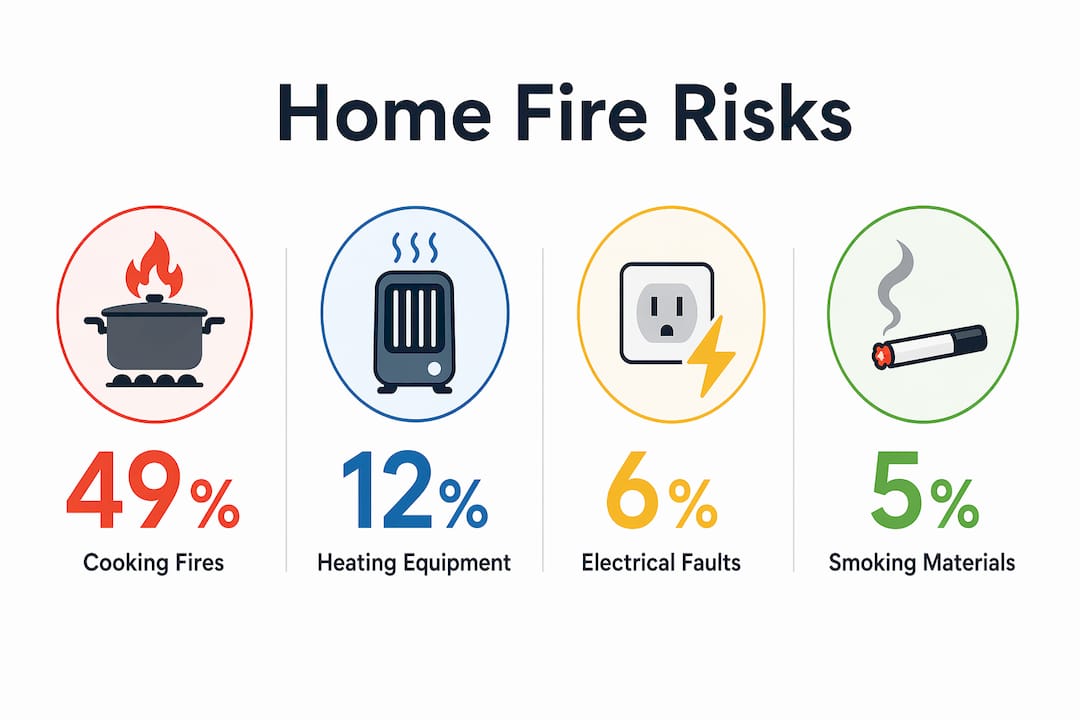
Heating equipment causes 12% of home fires and 17% of fire deaths each year. Those numbers climb sharply from november through february, when homeowners rely on supplemental heat sources more heavily.
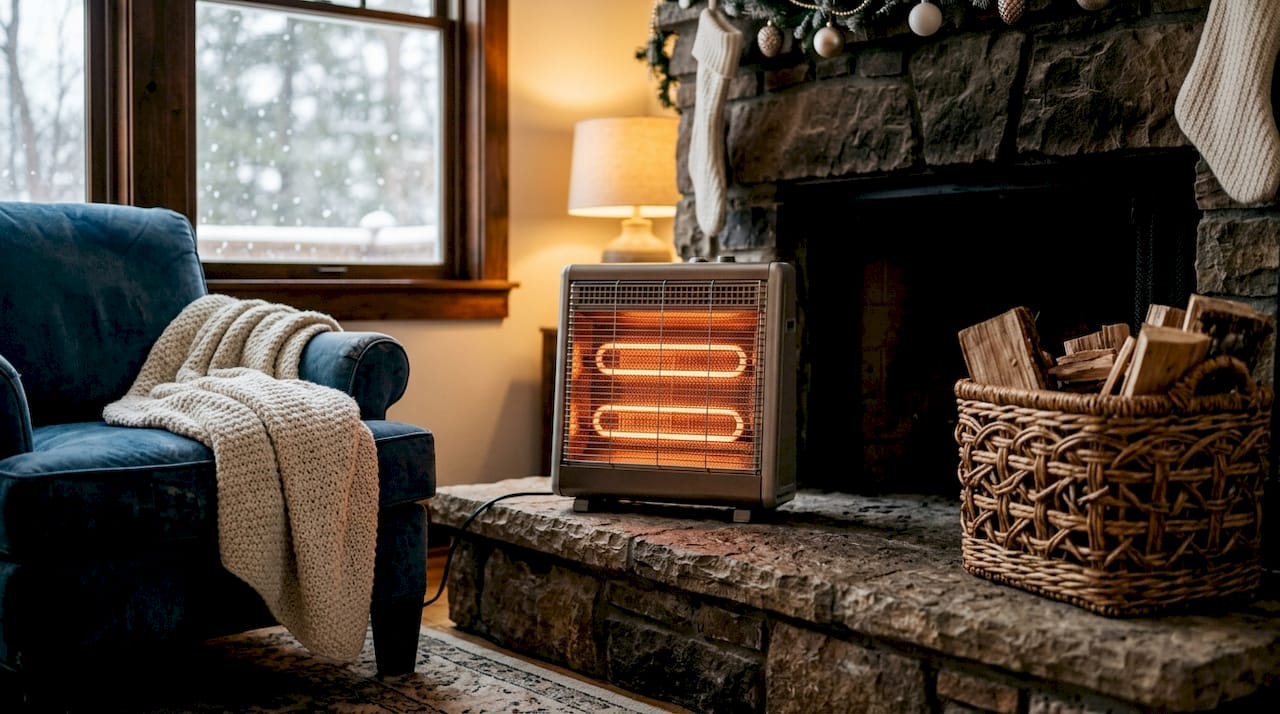
Portable space heaters are the most dangerous piece of equipment in this category. They cause only 3% of all home fires, but they account for 41% of fatal heating fires. That gap exists because space heaters are often placed too close to curtains, bedding, or furniture, and left running overnight or while residents sleep.
Fireplaces and wood stoves carry their own risks. Creosote buildup inside chimneys is a leading cause of chimney fires, and many homeowners skip annual inspections. Outdoor fire risks also extend indoors during winter. Overgrown or dead trees near a home can fall on power lines or structures during ice storms, creating ignition points. Routine tree maintenance reduces that exposure significantly.
Seasonal fire risk checklist for winter:
- Have your furnace and chimney inspected before the heating season starts
- Keep space heaters at least three feet from any flammable material
- Never run a space heater while sleeping or in an unoccupied room
- Replace any portable heater older than ten years
- Test smoke alarms on the first day of each month during heating season
Behavioral and demographic factors that raise fire death rates
Residents over 65 face three times the average risk of dying in a home fire. Children under 5 face twice the average risk. These two groups share a common vulnerability: limited ability to detect danger quickly and respond effectively.
Smoking materials are the most lethal ignition source per incident. They cause only 5% of home fires but account for 23% of fire fatalities. The reason is timing. Smoking fires often start in upholstered furniture or bedding while a person is drowsy or asleep, giving the fire time to grow before anyone notices.
Smoke alarm failures compound every behavioral risk. Working smoke alarms cut fire death risk by 50%, yet 40% of home fire deaths occur in homes with no working alarm present. Dead batteries, disabled alarms, and missing units are the most common causes. Fire risk and fatality rates also vary by region and socioeconomic status, with lower-income households facing disproportionately higher exposure due to older housing stock and limited access to fire safety resources.
High-risk behaviors to address immediately:
- Smoking indoors, especially in bed or on upholstered furniture
- Leaving candles burning in unoccupied rooms
- Disabling smoke alarms due to nuisance trips from cooking steam
- Failing to replace smoke alarm batteries annually
Pro Tip: Interconnected smoke alarms are the single best upgrade for households with elderly residents or young children. When one alarm sounds, all alarms sound, giving everyone more time to escape.
How modern home design increases fire severity
Electrical malfunctions represent 6% of home fires but cause disproportionate damage and injury. The reason is location. Electrical fires typically start inside wall cavities, where they smolder and spread undetected for minutes or hours before breaking through to visible surfaces.
Modern building materials make the problem worse. Lightweight engineered lumber and synthetic materials burn faster and fail structurally sooner than the solid wood used in older construction. The result is a dramatic reduction in escape time.
| Era | Estimated escape time after ignition |
|---|---|
| Pre-1980 construction | Approximately 17 minutes |
| Modern construction | Approximately 3 minutes |
That reduction in escape time from 17 to 3 minutes is not a minor change. It means a fire that would have allowed a family to wake up, gather, and exit safely now becomes life-threatening before most people are fully alert.
Open floor plans, popular in new construction, allow fire and smoke to travel farther and faster than compartmentalized layouts. Fewer interior walls mean fewer natural barriers to slow a fire’s spread. Effective fire detection systems placed strategically throughout a home are the primary countermeasure to this architectural reality.
Practical steps to reduce increased fire hazards at home
The most effective fire risk reduction strategy combines behavioral change with properly maintained equipment. No single fix covers every cause.
Start with smoke alarms:
- Test every smoke alarm in your home monthly by pressing the test button
- Replace batteries annually, or switch to 10-year sealed-battery models
- Replace any alarm older than 10 years, regardless of apparent function
- Install alarms inside every bedroom, outside sleeping areas, and on every floor
- Follow the smoke detector installation guide for correct placement height and spacing
Address cooking and heating risks:
- Never leave cooking unattended on a stovetop
- Assign a “cooking monitor” role when entertaining guests during holidays
- Keep portable heaters unplugged when not in active use
- Schedule annual HVAC and chimney inspections before each heating season
Inspect your electrical system:
Homes built before 1980 often have wiring that was not designed for modern electrical loads. Signs of trouble include frequently tripped breakers, flickering lights, outlets that feel warm to the touch, and burning smells with no visible source. A licensed electrician should inspect any home showing these signs. The fire hazard examples guide covers common residential electrical risks in detail.
Pro Tip: A whole-home fire safety audit takes about two hours and costs far less than a single insurance deductible. Schedule one every three years, or after any major renovation.
Key Takeaways
Home fire risk rises from a predictable set of causes, and addressing each one directly cuts both the likelihood and severity of an incident.
| Point | Details |
|---|---|
| Cooking is the top cause | Nearly 49% of home fires start in the kitchen, mostly from unattended cooking. |
| Heating equipment kills disproportionately | Portable heaters cause 3% of fires but 41% of fatal heating incidents. |
| Smoke alarms save lives | Working alarms cut fire death risk by 50%, yet 40% of deaths occur without one present. |
| Modern homes burn faster | Escape time has dropped from 17 minutes to 3 minutes in new construction. |
| High-risk groups need targeted protection | Adults over 65 and children under 5 face two to three times the average fire death risk. |
The uncomfortable truth about fire risk most homeowners miss
The overall number of home fires has declined since 1980. That sounds like progress, and in some ways it is. But the fires that do occur are deadlier per incident than they were decades ago, particularly in one- and two-family homes. Fewer fires, more deaths. That trend demands a different kind of attention.
Most homeowners think about fire safety reactively. They buy a smoke alarm after a close call, or check the extinguisher after seeing a news story. That approach is structurally wrong. The causes of home fires are well-documented and largely consistent year over year. Cooking, heating, smoking, and electrical faults account for the vast majority of incidents. None of those causes are surprises.
What surprises people is how fast a modern home burns. Three minutes is not enough time to wake up, orient yourself, find children, and exit safely without a plan. Smoke alarms are not optional equipment. They are the only reason the three-minute window is survivable at all. Yet many homes lack properly maintained alarms, which means the window effectively closes before it opens.
Behavioral change matters as much as hardware. A perfectly installed alarm system does not help if someone disables the kitchen alarm because it trips during cooking. A space heater with a tip-over shutoff does not help if it is placed against a curtain. The technology exists. The habits have to catch up.
My honest recommendation: treat fire safety the same way you treat car maintenance. Schedule it, document it, and do not skip it because nothing has gone wrong yet. A home fire reported every 96 seconds in the United States is not a statistic about other people’s homes.
— Results
Reliable-fire-protection’s fire alarm systems for your home
A working fire alarm system is the most direct way to close the gap between a fire starting and your family getting out safely.
Reliable-fire-protection installs and services fire alarm systems designed for residential and commercial properties across Houston and surrounding neighborhoods. Their certified technicians assess your home’s layout, identify detection gaps, and recommend systems that meet current safety standards. Whether you need a new installation, a system upgrade, or a professional inspection of existing equipment, Reliable-fire-protection provides free quotes and prompt service. Contact them directly to schedule a consultation and get a clear picture of where your home’s fire detection stands today.
FAQ
What is the leading cause of home fires in the United States?
Cooking is the leading cause, accounting for approximately 49% of all residential fires annually. Unattended cooking is the most common contributing factor within that category.
How does winter increase fire risk at home?
Heating equipment use rises sharply in winter, and portable space heaters alone account for 41% of fatal heating fires despite causing only 3% of total heating incidents.
Do smoke alarms really make a significant difference?
Working smoke alarms reduce fire death risk by approximately 50%. The critical failure point is maintenance: 40% of home fire deaths occur in homes with no working alarm present.
Why are modern homes more dangerous in a fire?
Modern construction materials and open floor plans reduce escape time from approximately 17 minutes to roughly 3 minutes after ignition, leaving far less time to react and evacuate.
Which demographic groups face the highest fire death risk?
Residents over 65 face three times the average fire death risk, and children under 5 face twice the average risk, making these groups the highest priority for targeted fire safety measures.