
What are the most common examples of fire hazards?
Fire hazards are physical conditions or materials that can ignite or feed a fire. Knowing the specific ones in your home or workplace is the first step toward preventing them. Here is a direct list of the most frequently encountered fire hazard examples across both settings:
At home:
- Overloaded electrical outlets or power strips
- Unattended cooking on a stove or oven
- Combustible items (towels, oven mitts, paper) too close to a burner
- Portable space heaters left on near curtains or bedding
- Faulty or frayed electrical wiring
- Dryer lint buildup in vents
- Candles left burning near flammable materials
- Dry leaves or debris piled against the house exterior in fall and winter
At the workplace:
- Damaged power cords and overloaded electrical panels
- Combustible materials stored near machinery or heat-producing equipment
- Flammable liquids improperly stored or labeled
- Blocked fire exits and cluttered hallways
- Welding or cutting operations near flammable substances
- Combustible dust accumulation in manufacturing areas
- Faulty HVAC systems that generate excess heat
Each of these hazards connects directly to at least one side of the fire triangle: a heat source, a fuel, or an oxygen supply. The American Red Cross and OSHA fire safety standards both emphasize that recognizing these specific conditions is the foundation of any effective fire prevention plan.
Table of Contents
- Common fire hazards at home and how to prevent them
- Common fire hazards in the workplace and how to address them
- How the fire triangle explains every fire hazard
- Examples of chemical fire hazards you need to know
- Reliable-fire-protection can help you address every hazard on this list
- Key Takeaways
Common fire hazards at home and how to prevent them
Cooking is the single leading cause of residential fires in the United States. Two-thirds of home cooking fires start with the ignition of food or cooking materials, and unattended cooking plays a role in roughly 25% of those incidents. That one habit, walking away from a hot stove, accounts for a disproportionate share of home fire injuries every year.
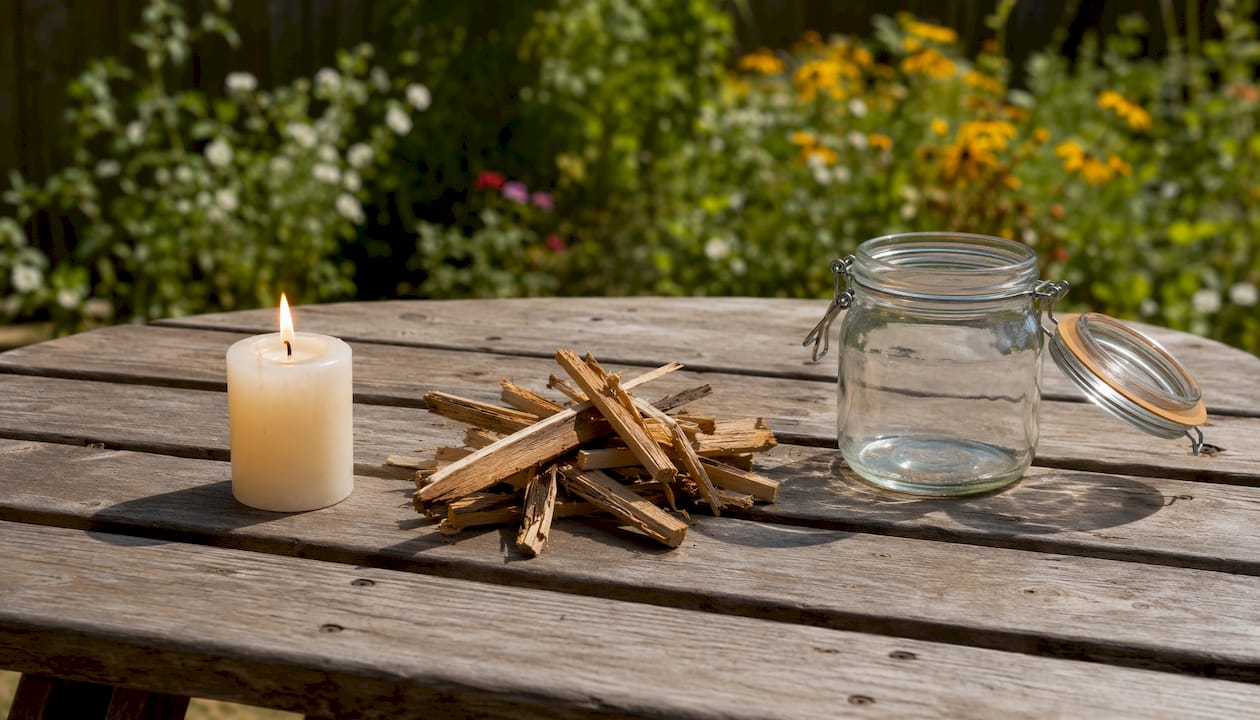
Beyond the kitchen, heating equipment ranks as the second most common culprit. Space heaters placed too close to curtains, bedding, or upholstered furniture create a direct ignition path. Electrical faults, including frayed cords, overloaded outlets, and aging wiring inside walls, are harder to see but just as dangerous. Seasonal risks add another layer: dry leaves accumulating against a home’s foundation in autumn, or a furnace that hasn’t been serviced before winter, can turn a minor oversight into a serious incident. Thanksgiving, Christmas Day, and Christmas Eve consistently see the highest rates of home cooking fires nationally.
Common home fire hazards and prevention measures:
- Unattended cooking: Stay in the kitchen when frying, grilling, or broiling. Use a timer as a reminder when baking.
- Flammable items near the stove: Keep dish towels, paper bags, and oven mitts at least 3 feet from cooking surfaces.
- Space heaters: Plug directly into a wall outlet, never a power strip, and turn off before sleeping.
- Dryer lint: Clean the lint trap after every load and inspect the vent duct annually.
- Candles: Never leave a burning candle unattended; place on a stable, non-flammable surface away from drafts.
- Electrical wiring: Have an electrician inspect wiring in homes older than 40 years, and replace any cord showing cracking or exposed copper.
- Seasonal debris: Clear dry leaves and brush from around the home’s perimeter before fall heating season begins.
For a deeper look at identifying fire hazards in your specific property, Reliable-fire-protection has published a practical walkthrough covering both visible and hidden risk factors.
Pro Tip: The 3-foot rule applies to more than just the stove. Keep combustibles at least 3 feet from any heat-producing appliance, including toasters, space heaters, and even the back of a refrigerator compressor.
Common fire hazards in the workplace and how to address them
In 2020, 16,500 office and store fires in the United States caused $932 million in direct property damage. That figure covers only office and retail settings; manufacturing, warehousing, and construction sites carry additional exposure. Workplace fires are largely preventable, and most trace back to a short list of recurring conditions.

OSHA’s General Duty Clause requires employers to provide workplaces free from recognized fire hazards. For businesses with more than 10 employees, a written fire prevention plan must list every major hazard, identify who is responsible for controlling each one, and be reviewed with every new hire. Smaller businesses still carry the obligation to communicate hazards effectively, even without a formal written plan.
Common workplace fire hazards:
- Overloaded electrical outlets and damaged extension cords
- Combustible materials (cardboard, paper, wood scraps) stored near machinery
- Flammable liquids stored in unapproved containers or near ignition sources
- Welding and cutting sparks near unprotected surfaces
- Combustible dust in woodworking, grain handling, or metalworking operations
- Portable heating devices left unattended
- Blocked emergency exits or missing exit signage
Prevention strategies:
- Conduct regular inspections of electrical equipment, cords, and outlets
- Store flammable liquids in approved, clearly labeled containers away from heat sources
- Establish a housekeeping schedule to prevent combustible waste accumulation
- Train all employees on exit locations, fire extinguisher use, and evacuation routes
- Schedule annual maintenance on heat-producing equipment such as boilers, ovens, and fryers
For safety managers building out a hazard inventory, the office fire hazards list from Reliable-fire-protection covers the most frequently cited OSHA violations in commercial settings.
$932 million in direct property damage was caused by office and store fires in the United States in 2020 alone, according to the U.S. Fire Administration. That number does not include lost revenue, displaced workers, or long-term business disruption.
Pro Tip: Combustible dust is one of the most underestimated workplace fire hazards. Fine particles from wood, grain, or metal can form explosive clouds at concentrations far below what looks visibly dusty. OSHA’s combustible dust guidance specifically flags this as a high-consequence hazard in manufacturing environments.
How the fire triangle explains every fire hazard
Every fire, from a kitchen grease flare to an industrial explosion, requires the same three things: heat, fuel, and oxygen. The fire triangle is the model that maps these three elements and shows why removing any one of them stops a fire from starting or spreading.
Understanding this model changes how you read a hazard. A pile of cardboard boxes is not dangerous on its own. It becomes a hazard the moment it sits next to a heat source with adequate airflow. That is also why the distinction between a “hazard” and a “risk” matters in practice.
- Hazard: The physical source of potential harm. A gas can in a garage is a hazard.
- Risk: The likelihood and severity of that hazard causing a fire. A gas can stored next to a water heater with an open flame pilot light is a high risk.
The NFPA frames it this way: identifying hazards lets you assess and control risks, rather than reacting generically to everything. A cluttered storage room is a hazard. Whether it becomes a fire depends on what else is in the room and how it is managed. Practical fire prevention targets the triangle, not just the hazard label.
Examples of chemical fire hazards you need to know
Chemical fire hazards cover a broad category, but the most common examples in homes and workplaces share one trait: they lower the energy threshold needed for ignition. Flammable liquids like gasoline, acetone, and paint thinner release vapors at room temperature, and those vapors, not the liquid itself, are what ignites. Flammable vapor mixtures form at or above the flash point of a liquid, but a fine mist or aerosol can ignite even below that temperature. That is why spraying a flammable product near an open flame is far more dangerous than pouring it.
Common chemical fire hazard examples:
- Gasoline and diesel: Stored in garages or sheds, often in unapproved containers. Vapors accumulate in enclosed spaces and can ignite from a single spark.
- Paint thinner and solvents: Frequently stored in workshops near electrical equipment. Flash points vary widely; many are below 73°F.
- Propane and natural gas: Leaking connections on grills, stoves, or heating systems create invisible vapor clouds that ignite explosively.
- Aerosol cans: Hairspray, spray paint, and cooking spray are all pressurized flammable mixtures. Heat from a nearby appliance or direct sunlight can cause a can to rupture.
- Cleaning agents: Products containing alcohol or acetone are common in both homes and commercial kitchens. Storing them near a stove or hot water heater creates a direct hazard.
- Compressed gases (acetylene, hydrogen, oxygen): Regulated under OSHA standards 1910.101–1910.104 in industrial settings. Leaks near ignition sources can cause rapid, large-scale fires or explosions.
Proper storage is the primary control. Flammable liquids belong in approved safety cans, away from electrical equipment, open flames, and direct sunlight. Ventilation matters too: a garage or storage room with poor airflow lets vapors concentrate to ignitable levels faster than most people expect. HVAC systems that circulate air through spaces where flammables are stored can actually spread vapor, which is why HVAC fire hazard prevention deserves specific attention in both residential and commercial settings.
For workplaces handling any of these materials, OSHA’s Subpart H standards (covering compressed gases, flammable liquids, and hazardous materials) set the minimum requirements for storage, labeling, and handling procedures. Compliance is not optional, and the consequences of a chemical fire extend well beyond property damage.
Reliable-fire-protection can help you address every hazard on this list

Knowing the hazards is step one. Having the right detection and suppression systems in place is what actually stops a fire from becoming a catastrophe. Reliable-fire-protection serves residential and commercial clients across Houston with fire alarm systems, sprinkler installations, fire extinguishers, and suppression systems designed to meet current safety codes.
If you are unsure whether your property’s fire protection covers the hazards described here, the team at Reliable-fire-protection offers free quotes and on-site assessments. Understanding how fire alarm systems work is a practical starting point for any property owner evaluating their current level of protection.
Key Takeaways
Most fire hazards in homes and workplaces trace back to three controllable factors: an ignition source, a fuel, and adequate oxygen, and eliminating any one of them prevents a fire from starting.
| Point | Details |
|---|---|
| Cooking is the top home hazard | Two-thirds of home cooking fires ignite food or cooking materials; unattended cooking contributes to 25% of those incidents. |
| Workplace fires carry major financial cost | Office and store fires caused $932 million in direct property damage in the U.S. in 2020. |
| The 3-foot rule reduces ignition risk by keeping all combustible materials at a safe distance from any heat-producing appliance or cooking surface. | |
| Chemical hazards ignite as vapors, not liquids | Flammable liquids release ignitable vapors at or above their flash point; aerosols can ignite even below it. |
| OSHA mandates written fire prevention plans | Workplaces with more than 10 employees must maintain a written plan listing major hazards and responsible personnel. |