
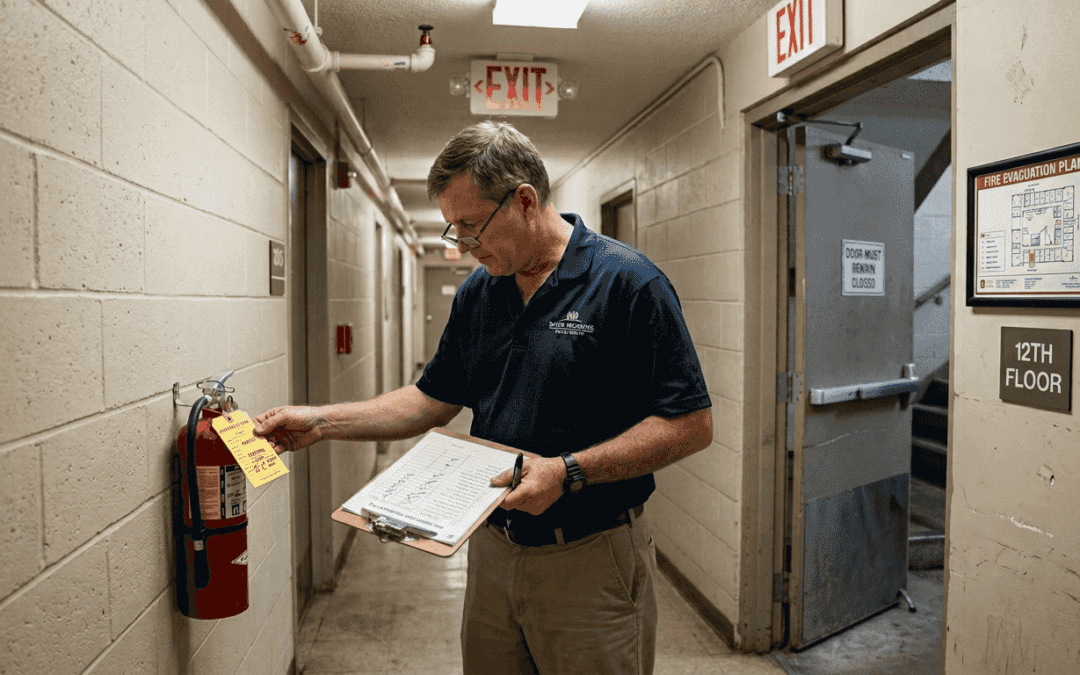
Houston property owners face mounting pressure to prevent fires amid stricter regulations and rising incidents like the 2026 Bayou West fireworks blaze that displaced 60 residents. A systematic fire prevention checklist tailored to local codes and hazards is essential for compliance and safety. This guide delivers actionable criteria covering alarms, sprinklers, evacuation protocols, and specialized risks such as vacant buildings and fireworks. You’ll learn how to prioritize investments, maintain equipment, and collaborate with fire departments to protect your residential or commercial property effectively in 2026.
Table of Contents
- Essential Criteria For Effective Fire Prevention In Houston Properties
- Fire Detection And Alarm Systems: Your First Line Of Defense
- Fire Sprinkler Systems And Suppression Equipment To Minimize Fire Damage
- Operational Safety: Drills, Escape Routes, And occupant Training
- Special Considerations: Managing Risks From Vacant Properties And Fireworks
- Checklist Comparison And Finalizing Your Fire Prevention Plan
- Professional Fire Protection Solutions For Houston Properties
- Frequently Asked Questions
Key takeaways
| Point | Details |
|---|---|
| Maintain clear escape routes and functional alarms | Accessible exits and working detection systems are mandatory for safe evacuation and code compliance. |
| Comply with Houston and Harris County fire codes | Permits, inspections, and adherence to the 2021 Harris County Fire Code protect occupants and avoid penalties. |
| Address vacant property and fireworks risks | Secure vacant buildings and follow fireworks ordinances to prevent common Houston fire causes. |
| Conduct regular drills and equipment training | Frequent practice improves occupant response, tests escape routes, and reveals safety gaps. |
| Install backup power for critical facilities | Certain residential care facilities in unincorporated Harris County require emergency power systems. |
Essential criteria for effective fire prevention in Houston properties
Building a fire prevention checklist starts with identifying criteria that address both regulatory mandates and real-world hazards. Escape routes must be kept clear and accessible at all times to ensure safe evacuation during a fire. Proper installation and maintenance of fire alarm systems save lives and reduce property damage by providing early warning. Fire prevention plans must also account for local hazards like fireworks and vacant buildings, which have caused significant Houston incidents in recent years.
Regular inspections, permits, and fire drills are mandatory criteria for safety and compliance. Houston’s local fire codes mandate fire alarm systems for many commercial and residential buildings, and property owners must schedule routine testing to verify functionality. Backup power systems are required for some residential care facilities in unincorporated Harris County, ensuring critical safety equipment operates during outages. By evaluating these criteria, you create a checklist that balances legal obligations with practical risk reduction.
Key checklist criteria include:
- Functional fire detection and alarm systems tested quarterly
- Clear and marked escape routes free of obstructions
- Fire suppression equipment such as sprinklers and extinguishers
- Regular occupant training and evacuation drills
- Compliance with fire safety compliance tips for Houston buildings
- Hazard mitigation for vacant properties and fireworks storage
Pro Tip: Schedule annual fire safety audits with a certified professional to identify overlooked risks and ensure your checklist stays current with code updates.
Fire detection and alarm systems: your first line of defense
Fire detection and alarm systems form the foundation of any prevention checklist. These systems provide early warning, giving occupants critical seconds to evacuate and firefighters time to respond. Houston’s local fire codes mandate fire alarm systems for many commercial and residential buildings, making compliance a top priority.
Choose detection systems based on property type and occupancy. Ionization alarms detect fast-flaming fires, while photoelectric sensors respond better to smoldering blazes. Dual-sensor alarms offer comprehensive coverage. Commercial properties often require addressable systems that pinpoint fire locations, speeding emergency response. Interconnected alarms enhance safety by triggering all units simultaneously, alerting occupants throughout the building.
Maintenance schedules are non-negotiable. Test alarms monthly, replace batteries annually, and clean sensors quarterly to prevent false alarms and ensure reliability. Professional inspections should occur at least once per year to verify wiring, backup power, and integration with sprinkler systems. Upgrading outdated systems improves functionality and meets evolving code requirements.
Key alarm system checklist items:
- Install dual-sensor or addressable alarms appropriate for property type
- Test all alarms monthly and document results
- Replace batteries annually and clean sensors quarterly
- Schedule professional inspections annually
- Integrate alarms with sprinklers and emergency lighting
- Verify backup power for alarm panels
Pro Tip: Link your alarm system to a monitoring service for 24/7 emergency response, especially if your property is unoccupied for extended periods.
Understanding fire alarm systems basics helps you select the right equipment and maintain it effectively.
Fire sprinkler systems and suppression equipment to minimize fire damage
Fire sprinkler systems dramatically reduce fire damage and increase occupant safety. Properly installed sprinkler systems can control or extinguish fires before they spread, limiting property loss and saving lives. Houston properties benefit from wet pipe, dry pipe, or pre-action systems depending on building use and climate conditions.
Wet pipe systems are most common in heated buildings, releasing water immediately when heat activates a sprinkler head. Dry pipe systems suit unheated spaces like warehouses, using pressurized air that releases water only after a head opens. Pre-action systems require two triggers, ideal for areas with sensitive equipment. Each type demands regular inspection and maintenance to remain functional.
Maintenance schedules vary by system type but typically include quarterly visual checks, annual flow tests, and five-year internal inspections. Coordinate sprinkler system checks with fire alarm maintenance to streamline compliance and reduce downtime. Complementary suppression options such as portable fire extinguishers, standpipes, and chemical suppression systems provide additional layers of protection.
| Suppression Type | Damage Reduction | Maintenance Frequency | Best Use Case |
|---|---|---|---|
| Wet Pipe Sprinklers | 70-80% reduction | Quarterly visual, annual flow test | Heated commercial and residential buildings |
| Dry Pipe Sprinklers | 65-75% reduction | Quarterly visual, annual trip test | Unheated warehouses and garages |
| Pre-Action Sprinklers | 75-85% reduction | Quarterly visual, semi-annual test | Data centers and museums |
| Portable Extinguishers | 50-60% reduction (small fires) | Annual inspection | All property types |
Pro Tip: Install water flow alarms on sprinkler systems to alert you immediately when a sprinkler activates, enabling faster emergency response.
Mastering the fire sprinkler system workflow ensures your suppression equipment meets Houston code requirements.
Operational safety: drills, escape routes, and occupant training
Operational safety procedures transform equipment into effective life-saving measures. Developing clear escape routes and keeping them free of obstructions is a fundamental checklist item. Mark exits with illuminated signs, ensure doors open outward, and remove clutter from hallways and stairwells.
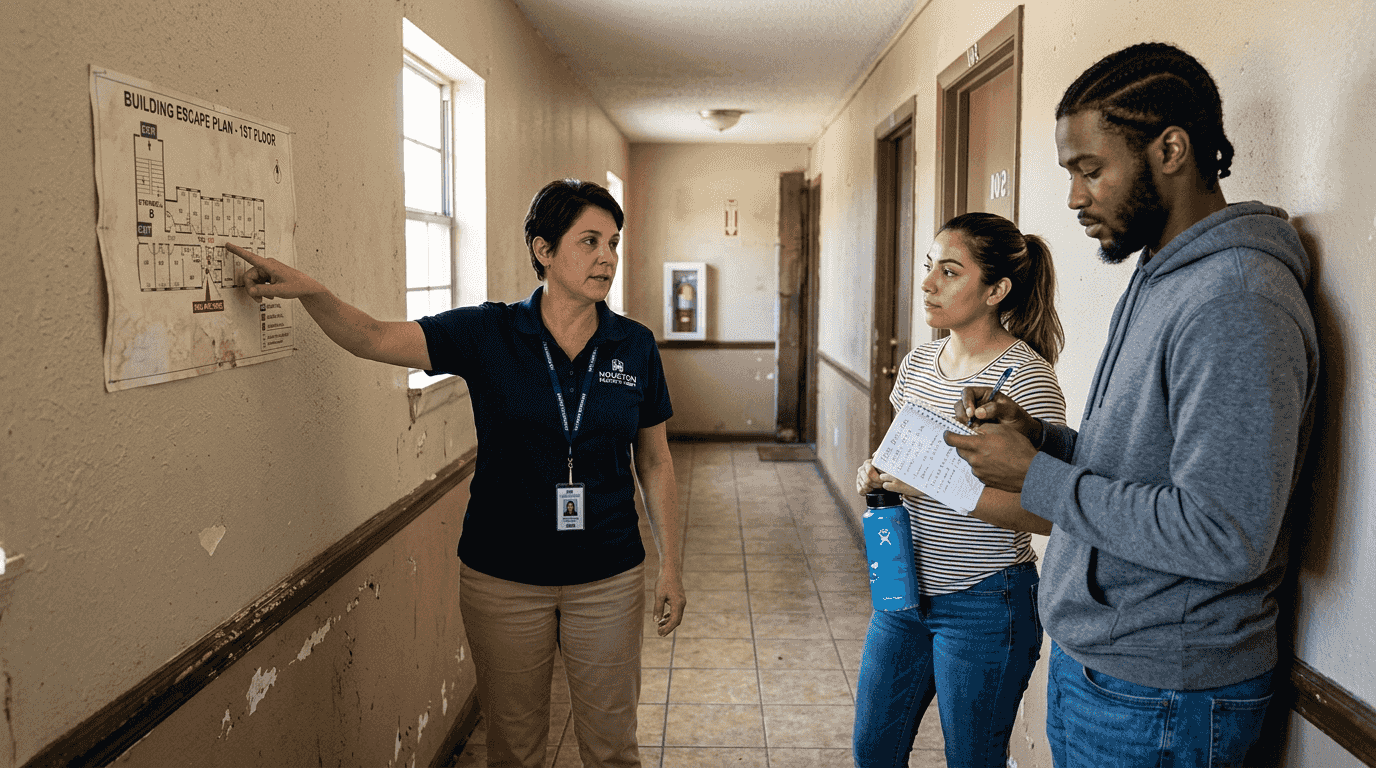
Conducting fire drills regularly helps occupants familiarize themselves with escape routes, increasing survival chances. Schedule drills quarterly for commercial properties and twice annually for residential buildings. Drills reveal bottlenecks, test alarm audibility, and build muscle memory for emergency response.
Training occupants on how to use fire extinguishers safely is equally critical. Teach the PASS method: Pull the pin, Aim at the base of the fire, Squeeze the handle, and Sweep side to side. Emphasize that extinguishers are for small, contained fires only. Larger blazes require immediate evacuation and professional firefighting.
Steps for performing an effective fire drill:
- Announce the drill date in advance to reduce panic but keep the exact time unannounced.
- Activate the fire alarm system to simulate a real emergency.
- Observe occupants as they evacuate, noting any confusion or delays.
- Time the evacuation from alarm to full assembly at the designated meeting point.
- Debrief participants, highlighting successes and addressing issues like blocked exits or missed alarms.
- Document the drill results and update your emergency plan accordingly.
Create an emergency communication plan that designates floor wardens, establishes a phone tree, and identifies a safe assembly point outside the building. Review and update this plan annually or whenever occupancy changes.
Key operational safety items:
- Mark and illuminate all exit routes clearly
- Remove obstructions from hallways and stairwells
- Conduct quarterly fire drills and document outcomes
- Train occupants on extinguisher use and evacuation procedures
- Establish emergency communication protocols
Implementing fire safety best practices ensures your operational procedures align with Houston property management standards.
Special considerations: managing risks from vacant properties and fireworks
Vacant buildings and fireworks represent significant fire risks in Houston. Vacant buildings have been linked to numerous fires in Houston, often caused by arson or lack of maintenance. Dozens of incidents in 2026 alone raised safety concerns across the metro area. Property owners must secure vacant buildings with locks, boarding, and perimeter fencing to deter trespassers.
Preventive measures include regular maintenance such as clearing debris, removing flammable materials, and ensuring utilities are properly shut off. Collaborate with local fire departments on pre-incident planning, providing access keys and building layouts to expedite emergency response. Install motion-activated lighting and surveillance cameras to discourage arson.
Fireworks-related fire hazards pose another challenge. Fireworks ignited a major fire at Bayou West Condominiums, displacing 60 people in a large damage event. Houston’s fireworks ordinances restrict use within city limits, and property owners must enforce these rules on their premises. Store fireworks in cool, dry locations away from ignition sources, and educate tenants about safe handling.
| Risk Factor | Common Causes | Prevention Strategies |
|---|---|---|
| Vacant Properties | Arson, electrical faults, squatters | Secure access, remove flammables, regular inspections, pre-incident planning |
| Fireworks | Improper storage, unauthorized use, accidental ignition | Enforce ordinances, educate tenants, store safely, ban indoor use |
Pro Tip: Partner with Houston Fire Department’s Community Risk Reduction team to conduct targeted hazard assessments for vacant properties and high-risk areas.
Learn more about fire safety checklist creation to address these specialized risks effectively.
Checklist comparison and finalizing your fire prevention plan
A side-by-side comparison helps prioritize fire prevention measures based on property type and risk factors. Incorporating a comprehensive fire prevention checklist enhances overall safety and regulatory compliance for Houston properties. Integrated fire prevention solutions deliver better outcomes than piecemeal approaches, ensuring all systems work together seamlessly.
| Checklist Item | Compliance Requirement | Risk Reduction Benefit | Priority Level |
|---|---|---|---|
| Fire Alarm Systems | Mandatory for most commercial and multi-family residential | Early warning, faster evacuation | High |
| Fire Sprinkler Systems | Required for many commercial buildings | 70-85% damage reduction | High |
| Clear Escape Routes | Universal code requirement | Prevents entrapment, speeds evacuation | High |
| Fire Drills and Training | Quarterly for commercial, semi-annual for residential | Improves occupant response, tests procedures | Medium |
| Vacant Property Security | Recommended for unoccupied buildings | Reduces arson and trespassing risks | Medium |
| Fireworks Compliance | Local ordinance enforcement | Prevents accidental ignition events | Medium |
| Backup Power Systems | Required for certain care facilities | Maintains critical safety equipment | Variable |
Prioritize investments by addressing high-priority items first, then layering additional protections based on budget and specific risks. Maintain and update your checklist regularly, scheduling annual reviews to incorporate code changes and lessons learned from drills or incidents.
Common pitfalls to avoid:
- Neglecting routine maintenance and testing schedules
- Installing equipment without professional certification
- Failing to train occupants on emergency procedures
- Ignoring vacant property risks until an incident occurs
- Treating fire prevention as a one-time project rather than ongoing practice
Understanding fire safety testing requirements ensures your checklist remains compliant and effective over time.
Professional fire protection solutions for Houston properties
Implementing a comprehensive fire prevention checklist requires expert support. Reliable Fire Protection offers professional installation and maintenance of fire alarms and sprinkler systems, ensuring your Houston property meets all code requirements. Their certified technicians conduct inspections, perform testing, and provide training to keep your systems functional and compliant.

Whether you manage residential or commercial properties, Reliable Fire Protection delivers tailored solutions that address your specific risks and regulatory obligations. From alarm monitoring to suppression system design, their services help you safeguard occupants and assets effectively in 2026. Explore their full range of fire safety products and services to build a prevention plan that protects your investment and saves lives.
Frequently asked questions
What essential items should be on every Houston property’s fire prevention checklist?
Every checklist must include fire alarms, sprinkler systems, clear escape routes, and evacuation plans. Following local fire codes and obtaining necessary permits for safety and legal compliance is mandatory. Regular testing, maintenance, and occupant training are ongoing practices that ensure systems remain functional and occupants know how to respond during emergencies.
How can property owners manage fire risks associated with vacant buildings in Houston?
Vacant buildings are prone to fires often caused by arson or neglect in Houston’s urban areas. Secure vacant properties with locks, boarding, and fencing, and implement regular maintenance to remove flammable debris. Work with fire departments on pre-incident plans that provide access keys and building layouts. Stay aware of suspicious activities and report them swiftly to authorities.
Why are regular fire drills and occupant training critical parts of a fire prevention checklist?
Regularly conducted fire drills improve occupant familiarity with escape routes and procedures, increasing survival rates. Drills reduce panic, test escape routes, and reveal safety gaps such as blocked exits or inaudible alarms. Training on fire extinguisher use and emergency communication ensures occupants can respond effectively during the critical first moments of a fire.
What permits and inspections are required for fire safety compliance in Houston and Harris County?
Special events permits, boarding home permits, and compliance with the 2021 Harris County Fire Code are mandatory for many property types. Commercial properties often require annual fire safety inspections, while certain residential care facilities need backup power system approvals. Partner with fire safety professionals to navigate inspections and code compliance effectively, ensuring you meet all regulatory obligations. Review fire safety regulations explained for detailed guidance on Houston and Harris County requirements.