
Managing a commercial property in Houston means staying ahead of constantly evolving fire safety requirements. Keeping buildings in compliance can be challenging when Houston Construction Code and National Fire Protection Association standards are updated and tailored for local needs. Clear understanding of key regulations like fire alarm systems, required sprinkler installations, and documentation protocols protects tenant safety and shields you from legal risk. Having knowledge of fire safety regulations specific to Houston equips property managers to maintain safe and compliant properties with confidence.
Table of Contents
- Defining Fire Safety Regulations And Houston Codes
- Types Of Fire Protection Systems Required
- Key Compliance Obligations And Documentation Needs
- Inspection, Maintenance, And Emergency Planning Requirements
- Risks, Liabilities, And Common Regulatory Mistakes
Key Takeaways
| Point | Details |
|---|---|
| Fire Safety Regulations are Crucial | Houston’s regulations ensure comprehensive safety measures to protect lives and property from fire hazards. |
| Importance of Documentation | Maintaining up-to-date records is vital for compliance and aids in inspections and risk management. |
| Tailored Fire Protection Systems | Different building types require specific fire protection systems based on their unique risks and occupancy. |
| Proactive Risk Management | Regular inspections and maintenance are essential to prevent liabilities and ensure ongoing compliance with fire safety standards. |
Defining Fire Safety Regulations and Houston Codes
Fire safety regulations represent a comprehensive framework of standards designed to protect lives and property from potential fire hazards. In Houston, these regulations are meticulously crafted to address the city’s unique architectural landscape and environmental challenges. The Houston Construction Code establishes critical minimum standards governing building construction, maintenance, and safety protocols.
The National Fire Protection Association (NFPA) plays a pivotal role in developing foundational fire safety guidelines that local jurisdictions like Houston adopt and customize. NFPA codes and standards provide comprehensive frameworks covering multiple aspects of fire prevention, including building design, fire protection systems, and emergency evacuation procedures. These standards ensure that property managers implement robust safety measures tailored to specific occupancy types and potential risk scenarios.
Houston’s fire safety regulations encompass several key components that property managers must understand and implement. These include mandatory fire alarm systems, sprinkler installations, clear emergency exit pathways, appropriate fire extinguisher placement, and regular inspection protocols. Building owners must obtain necessary permits, comply with local amendments to national codes, and demonstrate ongoing commitment to maintaining safe environments for occupants.
Pro tip: Property managers should schedule annual comprehensive fire safety audits to ensure continuous compliance with Houston’s evolving fire safety regulations and identify potential improvement areas before official inspections.
Types of Fire Protection Systems Required
Property managers in Houston must understand the critical role of comprehensive fire protection systems that go beyond basic safety requirements. Fire protection systems are essential for ensuring building occupant safety and meeting stringent local regulatory standards. These systems typically include automatic sprinkler networks, sophisticated fire alarm configurations, smoke detection mechanisms, and specialized suppression technologies designed to address unique building risks.
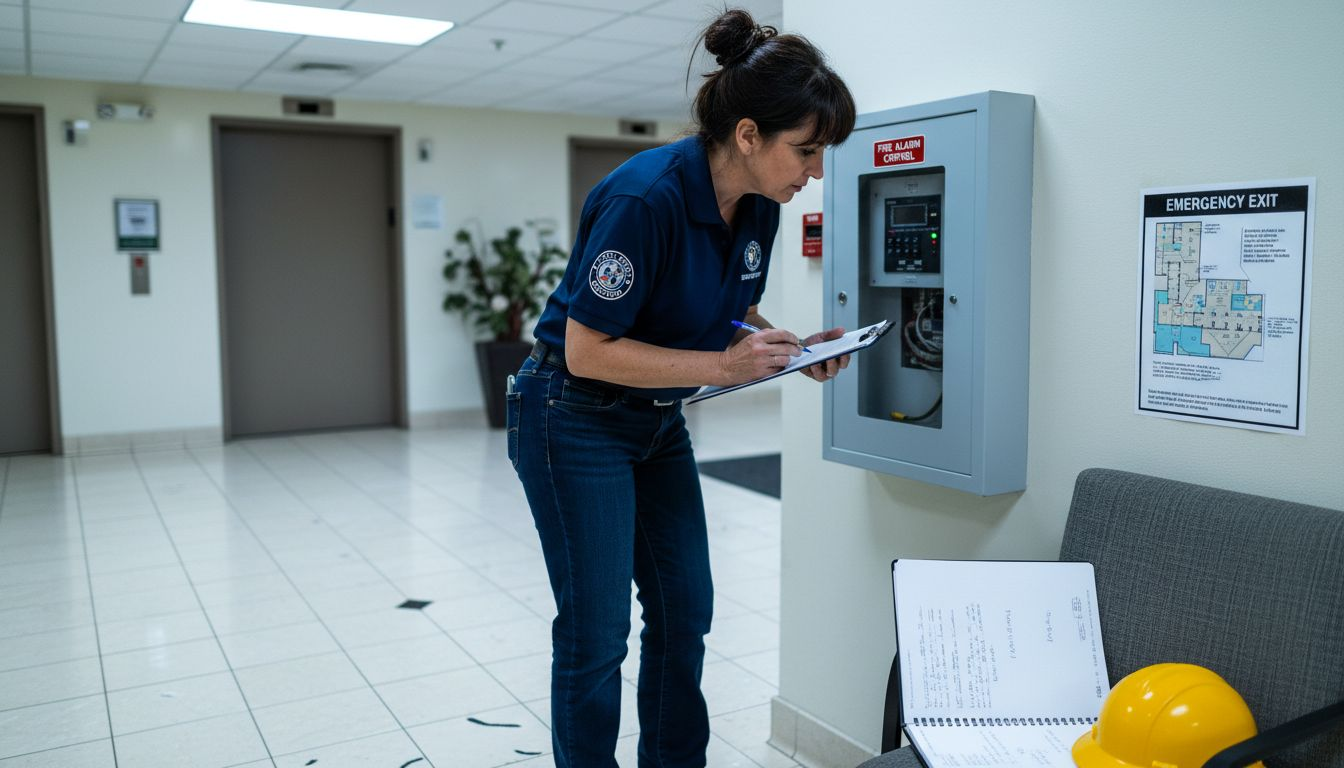
The National Fire Protection Association (NFPA) outlines specific requirements for different types of fire protection systems based on building occupancy, size, and potential hazard levels. Automatic sprinkler systems remain the most fundamental protection mechanism, capable of quickly controlling and suppressing fire spread. Advanced fire alarm systems provide critical early warning capabilities, integrating smoke detectors, heat sensors, and manual pull stations to ensure rapid emergency response and evacuation protocols.
Houston’s regulatory landscape demands specific fire protection system configurations depending on building type. Commercial properties, high-rise structures, industrial facilities, and healthcare institutions each require tailored fire suppression approaches. Special hazard systems become crucial in environments with unique fire risks, such as chemical storage areas, data centers, and industrial manufacturing spaces. These specialized systems might include clean agent suppressants, foam-based solutions, or carbon dioxide suppression technologies designed to protect sensitive equipment and minimize potential damage.
Here’s a summary of key fire protection systems and their main applications in Houston:
| System Type | Main Application | Unique Benefit |
|---|---|---|
| Automatic Sprinklers | Commercial and residential buildings | Rapid fire control and spread |
| Smoke Detectors | All occupancy types | Early warning for occupants |
| Special Hazard Systems | Data centers, chemical storage | Protects sensitive assets |
| Fire Alarm Networks | High-rise and large facilities | Integrates alerts and sensors |
Pro tip: Conduct a comprehensive fire protection system assessment annually, documenting each system’s performance, maintenance history, and compliance status to stay ahead of regulatory requirements and ensure optimal safety readiness.
Key Compliance Obligations and Documentation Needs
Property managers in Houston must navigate a complex landscape of fire safety documentation and regulatory requirements. The Fire Permits Office mandates comprehensive record-keeping to ensure ongoing building safety and compliance. Critical documentation includes detailed permit records, system installation certificates, annual inspection reports, maintenance logs, and any historical documentation of fire protection system modifications or upgrades.
Comprehensive documentation serves multiple crucial purposes beyond mere regulatory compliance. These records provide a verifiable trail of safety maintenance, demonstrate proactive risk management, and serve as essential evidence during municipal inspections or potential insurance assessments. Property managers must maintain systematic documentation for each fire protection system, including sprinkler networks, alarm configurations, suppression technologies, and emergency evacuation plans. This documentation should include precise installation dates, manufacturer specifications, maintenance schedules, and professional inspection reports.
Navigating documentation requirements involves understanding specific retention periods and reporting protocols. Property managers must consistently update and organize records, ensuring all documents are current, easily accessible, and reflect the most recent system configurations and safety upgrades. This includes maintaining digital and physical copies of permits, keeping detailed maintenance logs, tracking system performance metrics, and documenting any repairs or system modifications. Failure to maintain comprehensive documentation can result in significant regulatory penalties, potential legal liabilities, and compromised building safety standards.
Below is a quick reference for essential fire safety documents and their purpose:
| Document Type | Purpose | Retention Priority |
|---|---|---|
| Permit Records | Legal proof of compliance | Highest, must be up to date |
| Maintenance Logs | Tracks repairs and inspections | Critical for inspections |
| Installation Certificates | Verifies system authenticity | Needed for every new system |
| Annual Inspection Reports | Evidence of ongoing safety | Required by local authorities |
Pro tip: Implement a digital document management system specifically designed for fire safety compliance, enabling streamlined record-keeping, automatic renewal tracking, and quick retrieval of critical safety documentation.
Inspection, Maintenance, and Emergency Planning Requirements
Property managers must meticulously navigate Houston’s complex fire safety inspection and maintenance landscape. Building code inspections represent a critical component of maintaining building safety and regulatory compliance. These comprehensive evaluations assess fire protection systems, emergency exit pathways, alarm configurations, and overall building safety infrastructure to ensure continuous protection of occupants and property assets.
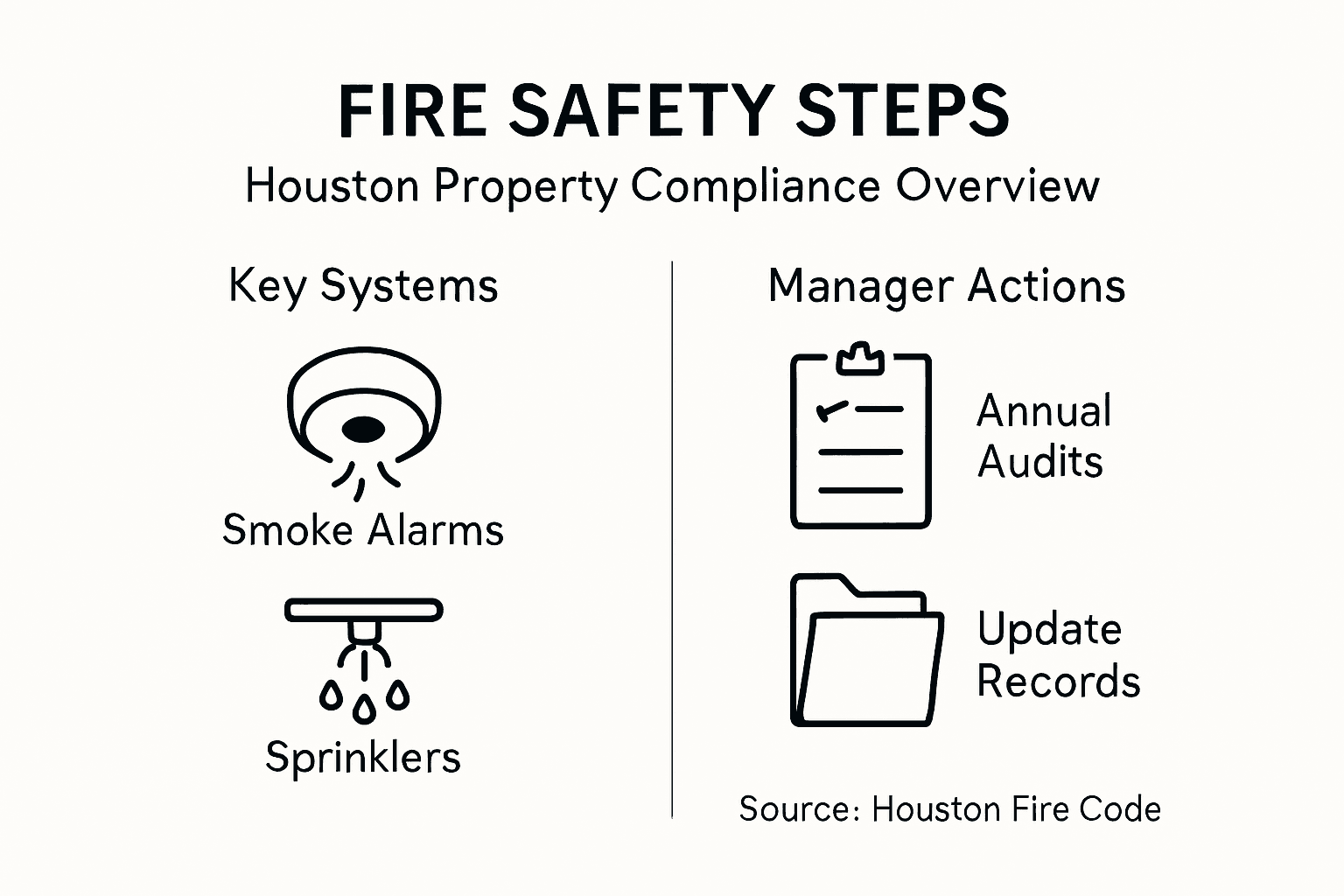
NFPA standards establish rigorous protocols for systematic fire protection system maintenance and emergency preparedness. Regular inspections must comprehensively evaluate fire doors, alarm systems, suppression equipment, and emergency evacuation routes. Property managers should develop detailed maintenance schedules that include quarterly visual inspections, annual comprehensive system assessments, and immediate documentation of any identified performance issues or required repairs. These proactive approaches help prevent potential system failures and demonstrate responsible risk management.
Emergency planning requires more than just documenting inspection reports. Property managers must develop robust, site-specific emergency response protocols that outline precise evacuation procedures, communication strategies, and staff training requirements. These plans should include detailed floor maps, designated assembly points, emergency contact information, and clear responsibilities for different personnel during potential fire incidents. Regularly scheduled emergency drills and comprehensive staff training ensure that theoretical plans translate into practical, life-saving actions during critical moments.
Pro tip: Create a centralized digital emergency response handbook that can be instantly accessed by all staff members, ensuring real-time information availability during potential fire safety incidents.
Risks, Liabilities, and Common Regulatory Mistakes
Property managers face substantial legal and financial risks when navigating fire safety regulations. Fire safety ecosystem breakdowns can result in catastrophic consequences, including potential lawsuits, significant financial penalties, and irreparable damage to professional reputation. Understanding the intricate landscape of potential regulatory violations is crucial for proactive risk management and maintaining comprehensive building safety standards.
Common regulatory mistakes often stem from overlooked details and systemic negligence. These include incomplete documentation, inconsistent maintenance records, outdated emergency response plans, and failure to conduct regular system inspections. Property managers may inadvertently expose themselves to substantial liability by neglecting critical components such as fire alarm system calibration, sprinkler network maintenance, emergency exit signage, and staff training protocols. Each overlooked element represents a potential point of failure that could compromise occupant safety and trigger severe legal repercussions.
Legal liability extends beyond immediate physical risks, encompassing complex financial and professional consequences. Insurance providers may deny coverage for properties with documented safety regulation violations, leaving property managers personally vulnerable to extensive financial damages. Moreover, regulatory bodies can impose substantial fines, revoke occupancy certificates, and potentially initiate criminal negligence proceedings in cases of severe or repeated compliance failures. The financial and professional stakes underscore the critical importance of maintaining meticulous, comprehensive fire safety compliance across all operational domains.
Pro tip: Develop a comprehensive compliance tracking system that provides real-time alerts for upcoming inspections, documentation renewals, and potential regulatory gaps, ensuring proactive risk management and continuous safety readiness.
Ensure Your Houston Property Meets Fire Safety Regulations with Expert Support
Fire safety regulations in Houston are complex and demanding, especially for property managers responsible for maintaining compliance and protecting occupants. From automatic sprinkler systems to comprehensive documentation and emergency planning, the challenges can feel overwhelming. If you want to avoid costly penalties and safeguard your building against fire hazards, expert guidance and reliable fire protection solutions are essential.
Partner with Reliable Fire Protection to gain peace of mind through professional fire alarm installations, sprinkler systems, and all critical fire protection services tailored for Houston properties. Our local expertise ensures your property strictly follows Houston construction codes and NFPA standards. Explore our range of services at Fire Protection – Reliable Fire Protection and take control of your fire safety obligations now. Don’t wait for an inspection failure or an emergency call. Visit Reliable Fire Protection today to request your free consultation and protect what matters most.
Frequently Asked Questions
What are fire safety regulations?
Fire safety regulations are standards designed to protect lives and property from fire hazards. They include guidelines on building construction, maintenance, and safety protocols to ensure occupant safety.
What types of fire protection systems are required for buildings?
Required fire protection systems include automatic sprinkler systems, smoke detectors, fire alarm networks, and specialized suppression technologies based on the building’s occupancy and hazards.
How often should fire safety documentation be maintained and updated?
Fire safety documentation should be consistently updated and organized, with critical records such as permit records, maintenance logs, and inspection reports kept up to date and readily accessible.
What are the consequences of failing to comply with fire safety regulations?
Failing to comply can lead to legal repercussions, significant financial penalties, insurance coverage denials, and potential safety risks that compromise tenant well-being.
Recommended
- Commercial Fire Safety Basics: Protecting Houston Properties
- Fire Safety Equipment Explained: Houston Compliance Impact
- Fire Protection Industry Standards for Houston Properties
- Fire Safety Testing Requirements for Houston Properties
- Fire Alarm System University Place TX
- Fire Alarm System Bellaire TX