
Every Houston healthcare facility faces the challenge of protecting patients, staff, and expensive equipment from unpredictable fire hazards. As regulations grow stricter and emergency preparedness becomes a critical focus, understanding the comprehensive safety ecosystem behind fire protection is essential for managers committed to maintaining safety compliance. This guide breaks down fire protection service strategies designed to address Houston healthcare environments, helping you choose reliable solutions that support patient care and safeguard your facility against costly risks.
Table of Contents
- Purpose And Scope Of Fire Protection Services
- Types Of Fire Protection Solutions Available
- How Fire Protection Services Work
- Regulations And Compliance For Healthcare Facilities
- Liability, Risks, And Cost Implications
Key Takeaways
| Point | Details |
|---|---|
| Comprehensive Approach | Fire protection services encompass prevention, detection, and mitigation across various environments, prioritizing human safety and property protection. |
| Tailored Solutions for Healthcare | Specialized fire protection strategies in healthcare facilities address unique challenges, ensuring patient safety and effective emergency response. |
| Regulatory Compliance Importance | Adhering to stringent fire safety regulations is crucial for healthcare facilities, as it mitigates liability and enhances patient safety protocols. |
| Financial Implications of Fire Risks | Inadequate fire protection can lead to substantial financial losses; investing in safety systems reduces long-term risks and legal liabilities. |
Purpose And Scope Of Fire Protection Services
Fire protection services represent a comprehensive approach to preventing, detecting, and mitigating fire risks across residential, commercial, and industrial environments. These services go beyond simple firefighting, encompassing a strategic framework designed to safeguard human lives, protect property, and minimize potential damage from unexpected fire incidents. The comprehensive safety ecosystem involves multiple interconnected strategies that work together to reduce potential hazards.
The scope of fire protection services includes several critical components that address different stages of fire prevention and management. These components typically involve passive protection measures like fire-resistant building materials, active protection systems such as sprinkler installations and fire alarms, and comprehensive emergency response planning. Fire protection approaches are legally mandated through local building and fire codes, ensuring that properties meet stringent safety standards designed to protect occupants and minimize potential losses.
For healthcare facility managers in Houston, fire protection services are especially crucial. These specialized services provide tailored solutions that address the unique challenges of medical environments, where patient safety, equipment protection, and rapid evacuation protocols are paramount. Comprehensive fire protection strategies in healthcare settings involve advanced detection systems, strategically placed fire suppression equipment, clear emergency evacuation routes, and ongoing staff training to ensure rapid and effective response during potential fire emergencies.
Pro tip: Conduct a comprehensive fire safety audit annually to identify potential risks and ensure all fire protection systems are functioning optimally and meet current regulatory requirements.
Types Of Fire Protection Solutions Available
Fire protection solutions encompass a diverse range of specialized systems designed to detect, suppress, and mitigate fire risks across different environments. Fire protection systems include comprehensive approaches tailored to specific occupancy types and potential hazard levels, ensuring maximum safety and minimal property damage. These solutions range from passive protective measures to advanced active suppression technologies that can be customized for different building configurations and risk profiles.
The primary types of fire protection solutions include water-based suppression systems, which are critical for rapid fire containment. These systems are categorized into several specialized configurations: wet pipe systems (most common and reliable), dry pipe systems (ideal for freezing environments), preaction systems (with additional discharge control), and deluge systems (rapid water deployment for high-risk areas). Healthcare facilities and commercial buildings often require multiple system types to address varying environmental conditions and specific safety requirements.
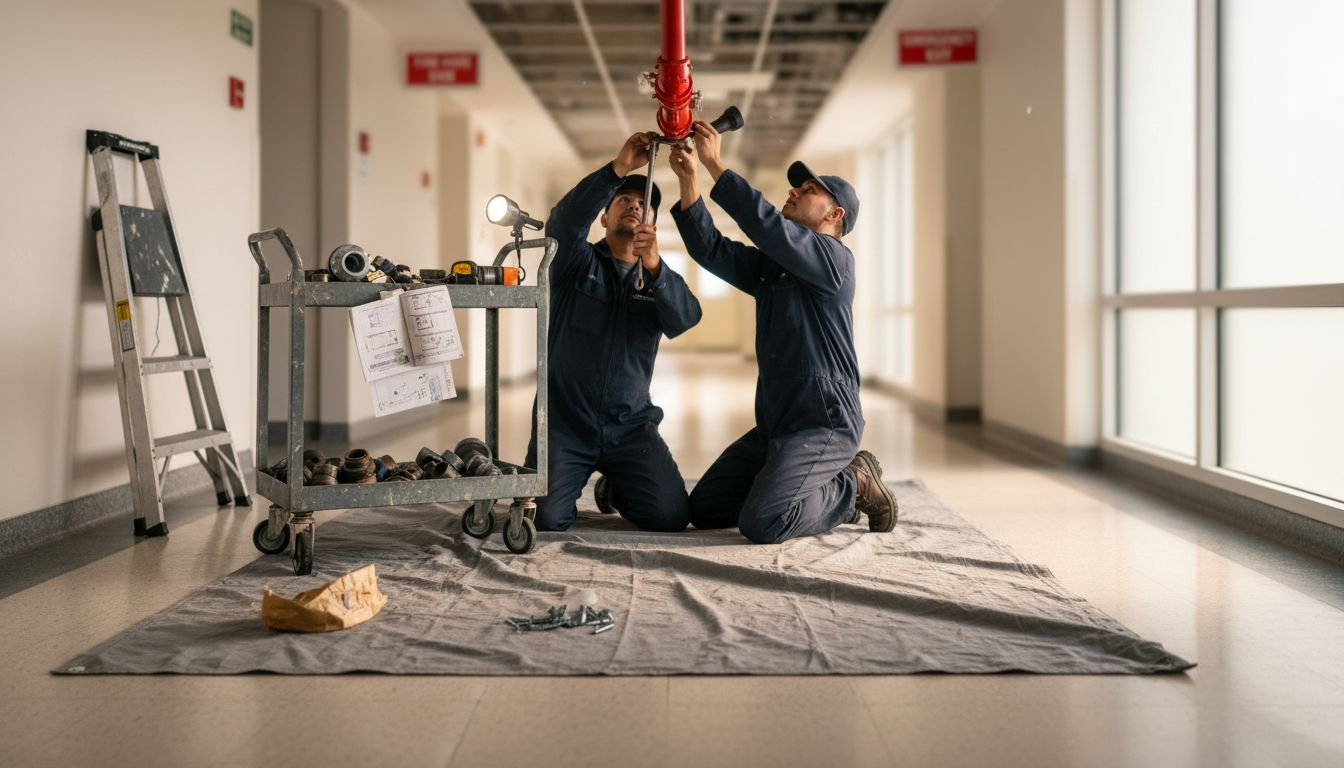
Here is a summary comparing different water-based fire suppression systems commonly used in healthcare and commercial facilities:
| Suppression System Type | Best Use Case | Distinct Advantage | Typical Limitation |
|---|---|---|---|
| Wet Pipe | General spaces | Immediate water discharge | Sensitive to pipe leaking |
| Dry Pipe | Freezing zones | Avoids freezing issues | Slight response delay |
| Preaction | Equipment areas | Reduces accidental discharge | Costlier installation |
| Deluge | High-risk zones | Rapid coverage of large areas | Water damage risk |
Beyond water-based systems, fire protection solutions also incorporate critical components like advanced fire alarm systems, portable fire extinguishers designed for specific fire classes, and comprehensive emergency response protocols. Advanced sprinkler system configurations provide nuanced protection strategies that can be precisely engineered to match unique facility requirements. For Houston healthcare facilities, this might mean integrating specialized systems that protect sensitive medical equipment while ensuring patient safety during potential emergency scenarios.
Pro tip: Consult with fire protection professionals to conduct a comprehensive risk assessment that identifies the most appropriate fire protection solutions specifically tailored to your facility’s unique architectural and operational characteristics.
How Fire Protection Services Work
Fire protection services operate through a comprehensive, multi-stage approach designed to prevent, detect, and rapidly respond to potential fire emergencies. These services begin with a detailed risk assessment that evaluates a facility’s unique architectural characteristics, occupancy type, and potential hazard levels. By combining advanced technological systems with strategic planning, fire protection professionals create customized safety protocols that address specific environmental challenges and regulatory requirements.
The operational process involves several critical components working in synchronized harmony. First, advanced detection systems continuously monitor environments for early signs of fire, utilizing sophisticated sensors that can identify temperature changes, smoke particles, or unusual heat signatures. When a potential threat is detected, these systems immediately trigger comprehensive response mechanisms, including loud alarm systems to alert occupants, automatic notification to local fire departments, and activation of suppression technologies like sprinkler systems. These rapid response protocols are designed to minimize potential damage and maximize human safety during emergency scenarios.
Fire protection services also emphasize proactive maintenance and ongoing system optimization. Fire protection systems require regular inspection, testing, and recertification to ensure optimal performance. Trained technicians conduct routine equipment assessments, verify system functionality, replace aging components, and update emergency response plans to reflect changing building configurations or occupancy requirements. This continuous improvement approach ensures that fire protection systems remain reliable, compliant with current safety standards, and prepared to respond effectively to potential threats.
Pro tip: Schedule comprehensive fire system inspections quarterly and maintain detailed documentation of all maintenance activities to ensure consistent performance and regulatory compliance.
Regulations And Compliance For Healthcare Facilities
Healthcare fire safety regulations represent a complex and critical framework designed to protect patients, staff, and medical infrastructure from potential fire hazards. These comprehensive guidelines go far beyond standard building safety requirements, recognizing the unique vulnerabilities of healthcare environments where patients may have limited mobility or require specialized evacuation procedures. The regulatory landscape encompasses multiple critical standards, including NFPA 99 Health Care Facilities Code and NFPA 101 Life Safety Code, which provide detailed specifications for fire prevention, detection, and emergency response protocols specific to medical settings.
The compliance requirements for healthcare facilities are multilayered and stringent, covering everything from architectural design to equipment installation and maintenance. Fire protection system requirements mandate specific design elements such as fire-resistant construction materials, comprehensive alarm and notification systems, smoke control mechanisms, and specialized suppression technologies tailored to medical environments. These regulations consider critical factors like building height, occupancy type, potential hazard levels, and the unique challenges of protecting patients who may not be able to self-evacuate during emergency scenarios.
Compliance is not a one-time achievement but an ongoing process that requires continuous monitoring, documentation, and system updates. Healthcare facility managers must maintain meticulous records of fire safety inspections, equipment testing, staff training, and emergency preparedness drills. Regular assessments by fire code officials ensure that facilities not only meet initial certification standards but continue to maintain optimal safety protocols. This dynamic approach to fire safety compliance helps healthcare institutions proactively identify potential risks, implement necessary improvements, and create robust emergency response frameworks that prioritize patient and staff protection.
Pro tip: Develop a comprehensive fire safety compliance checklist that tracks all regulatory requirements, inspection dates, and system maintenance activities to ensure consistent and thorough adherence to healthcare fire safety standards.
Liability, Risks, And Cost Implications
Fire incidents in the United States represent a significant financial and legal risk for healthcare facilities, with potential losses extending far beyond immediate property damage. The financial exposure includes direct property destruction, business interruption costs, potential legal settlements, increased insurance premiums, and substantial regulatory penalties. Healthcare institutions face uniquely complex liability scenarios where fire-related incidents can result in catastrophic consequences, including patient injuries, potential loss of life, and long-term reputational damage.
Explore key financial and legal impacts of fire incidents in healthcare settings:
| Risk Factor | Potential Financial Impact | Legal/Regulatory Consequence |
|---|---|---|
| Property destruction | High repair and replacement costs | Insurance claims and penalties |
| Business interruption | Lost revenue, patient relocation | Contractual breaches, lawsuits |
| Regulatory failure | Fines, loss of certification | Possible criminal investigations |
| Injury or death | Patient and staff compensation | Severe liability, reputational harm |
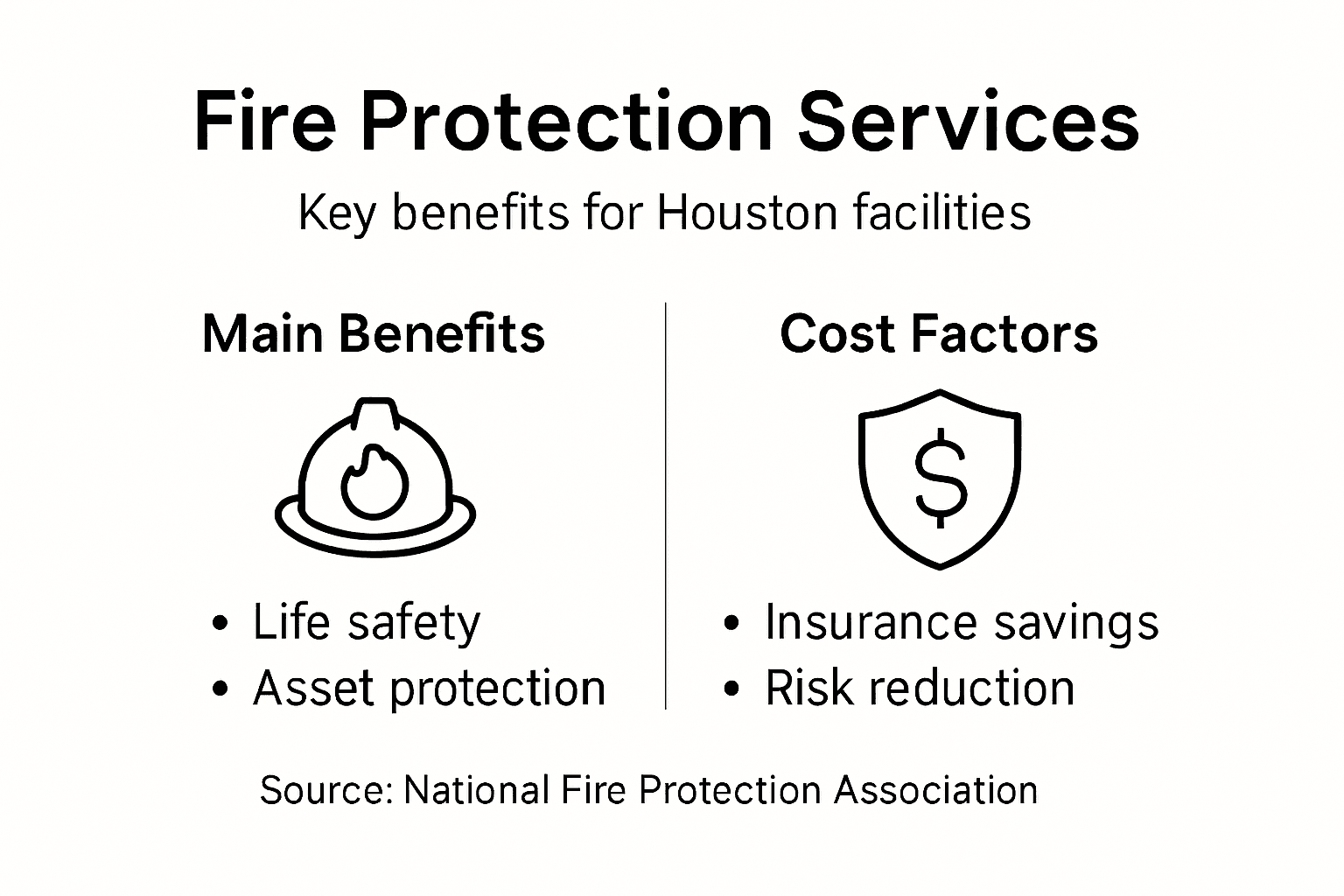
The cost implications of inadequate fire protection extend well beyond immediate incident response. Fire mitigation investments demonstrate that proactive fire protection strategies can significantly reduce long-term financial risks. Healthcare facilities that implement comprehensive fire safety systems typically experience lower insurance premiums, reduced legal vulnerability, and minimized potential for costly litigation. Advanced fire protection technologies and rigorous safety protocols serve as critical risk management tools that can potentially save millions in potential damages and protect an institution’s financial stability.
Legal liability in healthcare fire protection is particularly nuanced, involving complex responsibilities toward patient safety, staff protection, and regulatory compliance. Facility managers must recognize that fire-related incidents can trigger multiple layers of potential legal action, including negligence claims, violations of safety standards, and potential criminal charges in cases of extreme regulatory noncompliance. The financial and legal risks underscore the critical importance of maintaining robust, continuously updated fire protection systems that not only meet but exceed current safety standards and demonstrate a proactive commitment to occupant protection.
Pro tip: Conduct an annual comprehensive risk assessment that quantifies potential financial exposures and updates fire protection strategies to minimize legal and economic vulnerabilities.
Protect Your Houston Property with Expert Fire Protection Services
Understanding the critical need for comprehensive fire protection is the first step toward safeguarding your home or business from devastating fire risks. This article highlights key challenges like adhering to strict safety regulations and choosing the right fire detection and suppression systems. At Reliable Fire Protection, we specialize in addressing these exact concerns through tailored solutions including fire alarm systems, sprinkler installations, and advanced detection technologies designed specifically to meet Houston’s unique fire safety demands.
Don’t wait until risk turns into reality. Explore how our certified, family-owned team provides ongoing maintenance, rapid emergency response, and compliance support to keep your property and loved ones secure. Visit our Fire Protection – Reliable Fire Protection page now and take the first step toward a safer future. For a personalized fire safety plan and free consultation, contact us today at https://reliable-fire-protection.com.
Frequently Asked Questions
What are the primary benefits of using fire protection services?
Fire protection services help prevent, detect, and mitigate fire risks, ensuring the safety of occupants, protecting property from damage, and minimizing losses during unexpected fire incidents.
How do fire protection systems work in healthcare facilities?
Fire protection systems in healthcare facilities operate through advanced detection systems that monitor for fire signs, alert occupants and emergency services, and activate suppression mechanisms like sprinklers to contain fires quickly.
What types of fire suppression systems are available for different environments?
Various fire suppression systems include wet pipe systems for general spaces, dry pipe systems for freezing areas, preaction systems for sensitive equipment, and deluge systems for high-risk zones, each tailored to specific safety requirements.
Why is compliance with fire safety regulations critical for healthcare facilities?
Compliance with fire safety regulations is essential for protecting vulnerable patients, ensuring safe evacuation, and meeting legal standards that minimize liability and financial risk in case of fire incidents.