
TL;DR:
- Fire suppression systems automatically detect and extinguish fires in homes, providing faster response than smoke alarms. They include sprinklers, kitchen systems, and wildfire protections, each targeting specific threats and activation methods. Proper installation, maintenance, and inspection ensure these systems offer life-saving and property preservation benefits.
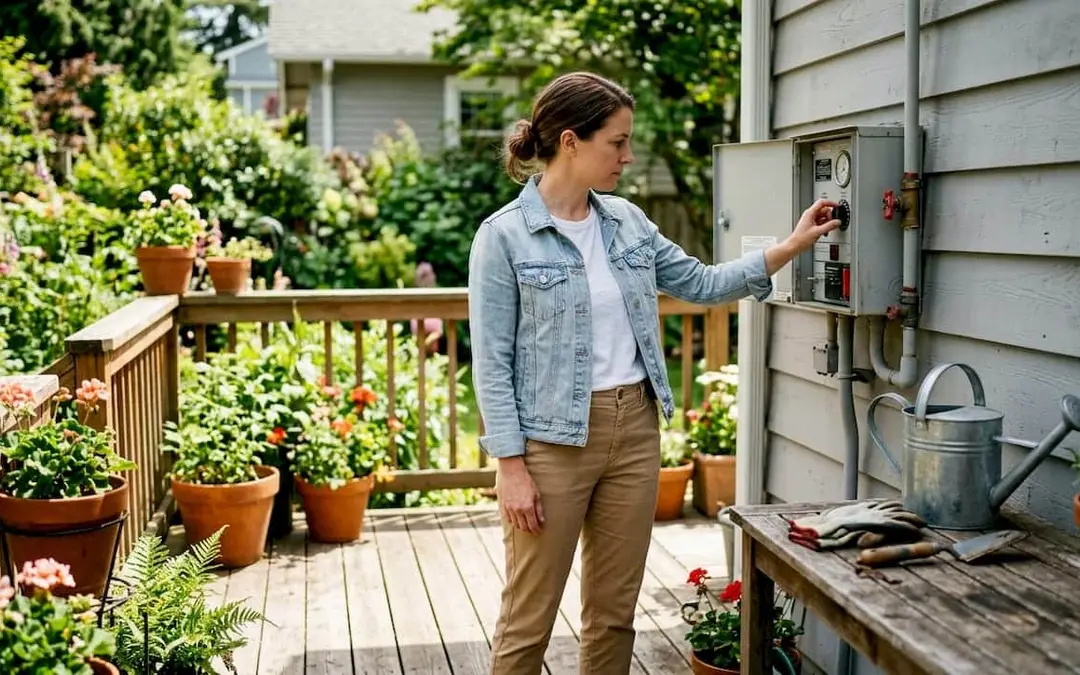
Fire suppression systems are the only residential fire safety technology that both detects and extinguishes a fire automatically, without any action from you. A smoke alarm tells you there is a fire. A suppression system fights it. Understanding how suppression systems protect homes means knowing which type covers which threat, how each one activates, and what keeps them reliable over time. This guide covers residential sprinklers, wet chemical kitchen systems, and wildfire perimeter setups, with practical steps for installation and maintenance.
How do residential fire sprinkler systems work to protect your home?
Residential fire sprinklers are heat-activated devices, not smoke-activated. Each sprinkler head contains a small glass bulb filled with liquid. When heat from a fire reaches that bulb, it shatters and releases water directly onto the fire below. This is a critical distinction: sprinklers activate individually based on local heat, so only the head closest to the fire opens.
That targeted design matters for two reasons. First, 90% of fires are contained by the operation of just one sprinkler head. Second, water discharge stays focused on the fire zone, which limits water damage to the rest of your home. A firefighter hose delivers far more water across a wider area than a single activated sprinkler head.
Speed is the other advantage. Homes can be engulfed in flames in about 5 minutes, and fires become life-threatening within roughly 2 minutes. Sprinklers activate the moment heat reaches the trigger threshold, closing that gap before the fire department arrives. That early response is what makes the difference between a contained room fire and a total loss.
Here is what makes a residential sprinkler system reliable:
- Heat-activated heads: Each head responds independently to local temperature, not a central signal.
- Water supply connection: Systems tie into your home’s water main or a dedicated supply line.
- Pipe network: Wet-pipe systems keep pipes filled with pressurized water at all times for instant discharge.
- Flow alarm: A built-in alarm notifies the fire department or monitoring service when water flows.
- Correct sprinkler type: Residential heads are rated for specific temperature ranges and coverage areas.
Pro Tip: Never paint over a sprinkler head or hang anything from it. Both actions can delay or prevent activation when you need it most.
Proper design and maintenance are non-negotiable. Incorrect sprinkler types or faulty replacement parts can undermine system effectiveness significantly. Always hire a licensed contractor for installation and any head replacement.
What specialized suppression systems protect kitchens and cooking fires?
Kitchen fires are the leading cause of residential fires in the United States, and standard sprinklers are not designed for grease fires. Wet chemical kitchen suppression systems exist specifically for this threat. They use a potassium-based agent that reacts with burning cooking oil to form a thick foam, smothering the fire and sealing the surface to prevent re-ignition.
The system works in a sequence that standard sprinklers cannot replicate:
- Heat detection: Sensors above the cooking surface monitor temperature continuously.
- Fuel shutoff: When heat exceeds the threshold, the system automatically cuts gas or electric supply to the appliance.
- Agent discharge: Nozzles release the potassium-based wet chemical agent directly onto the cooking surface.
- Foam seal: The agent reacts with hot oil to create a foam blanket that blocks oxygen and cools the surface.
- Re-ignition prevention: The foam layer stays in place after discharge, keeping the fire from restarting as the surface cools.
This sequence matters because grease fires can reignite if the fuel source stays active or the surface remains hot. Substituting a standard water-based agent on a grease fire makes the situation worse. Water causes burning oil to splatter, spreading the fire rapidly. Kitchen suppression agents are specifically engineered to attack grease vapor fires in a way no other agent can.
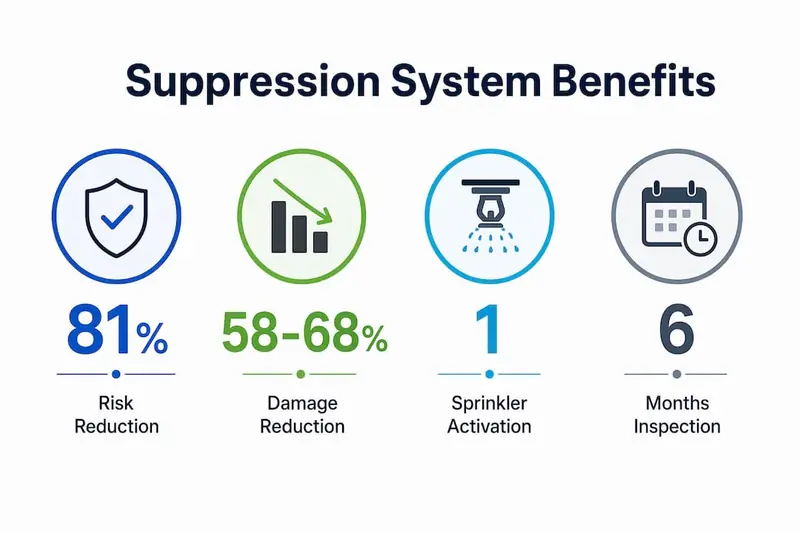
Pro Tip: Schedule a professional inspection of your kitchen suppression system every six months. Grease buildup on nozzles is the most common cause of system failure during a real fire.
For a deeper look at how these systems are configured for residential kitchens, Reliable-fire-protection covers the full setup in their kitchen suppression guide.
How do external suppression systems protect homes from wildfire threats?
Wildfire suppression systems protect the outside of your home when you are not there to do it yourself. These systems use perimeter nozzles mounted on roofs, eaves, and walls to wet exterior surfaces continuously, reducing the chance that airborne embers will ignite your home.
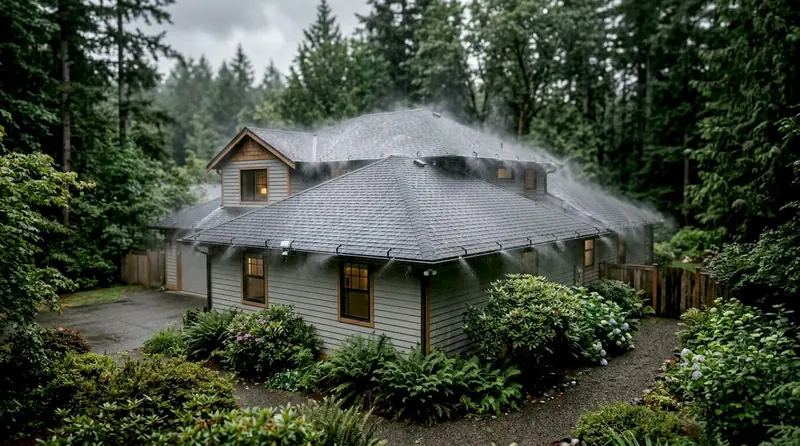
Wildfire suppression systems use perimeter nozzles and sensors to wet exterior surfaces, reducing ignition risk when occupants are away. Remote or automatic activation protects roofs, eaves, walls, and nearby vegetation. That last point is significant: most wildfire home losses begin with ember ignition on the roof or in gutters, not from direct flame contact.
| Component | Function |
|---|---|
| Perimeter nozzles | Spray water across roof, eaves, and exterior walls |
| Environmental sensors | Detect heat, smoke, or air quality changes to trigger activation |
| Remote activation | Allows homeowners to activate the system via phone or app |
| Dedicated water supply | Separate tank or line ensures water availability during peak demand |
| Vegetation nozzles | Wet surrounding plants and ground cover to reduce ember fuel |
Key benefits for homeowners in wildfire-prone regions include:
- Continuous protection when you evacuate: The system runs without you present.
- Ember interception: Wet surfaces do not ignite from airborne embers, which travel miles ahead of a fire front.
- Reduced firefighter burden: A pre-wetted home is easier and faster to defend.
- Integration with home fire safety: These systems work alongside smoke alarms and interior sprinklers as a complete fire safety strategy.
Homes in areas like the Texas Hill Country or California’s WUI (wildland-urban interface) zones benefit most from this layer of protection. If your property borders open land or dense vegetation, a perimeter system is worth serious consideration.
What are the proven benefits and limitations of fire suppression systems?
The data on suppression systems is clear. Sprinklered homes experience about 81% reduced risk of death compared to unsprinklered homes. Property damage drops by 58–68% on average when sprinklers operate. These are not marginal improvements. They represent the difference between a survivable incident and a catastrophic one.
Suppression also changes conditions for firefighters. Coordinated search, suppression, and ventilation improves firefighter safety and efficiency after suppression activates. A suppressed fire produces less heat and toxic gas, giving rescue teams a safer environment to work in.
| Factor | With suppression | Without suppression |
|---|---|---|
| Risk of death | Reduced by ~81% | Baseline risk |
| Property damage | 58–68% less | Full fire spread likely |
| Fire containment | Room of origin in most cases | Whole-structure spread |
| Water damage | Minimal (one head) | Extensive (hose lines) |
| 24/7 protection | Yes, automatic | No, occupant-dependent |
The most common misconception is that sprinklers activate from smoke. Sprinklers are heat-activated, not smoke-activated, which eliminates false activation from cooking smoke or steam. That fact alone removes the biggest objection most homeowners raise against installation.
The real limitation is maintenance. A system that has not been inspected in years may have corroded pipes, painted-over heads, or a faulty flow alarm. A suppression system that fails to activate is no better than having no system at all. Annual inspections are the minimum standard.
What practical steps should homeowners take to install and maintain suppression systems?
Installing a suppression system is not a weekend project. It requires licensed professionals, code compliance, and a design matched to your home’s specific layout and water supply. Here is how to approach it correctly:
- Check local codes first: Many municipalities and states require sprinklers in new construction. Your local fire marshal’s office is the authoritative source on requirements for your area.
- Hire a licensed contractor: System design must match your home’s fire hazard profile and water supply capacity. A contractor who specializes in residential fire protection will size the system correctly.
- Schedule annual inspections: A certified technician checks pipe integrity, head condition, water pressure, and alarm function. This is the single most important maintenance step you can take.
- Replace heads correctly: Never substitute a different sprinkler model when replacing a damaged head. Each head has a specific K-factor and temperature rating. Mismatched heads reduce coverage reliability.
- Understand your system’s lifespan: Wet-pipe sprinkler systems can last decades with proper maintenance, but heads may need replacement after 25–50 years depending on the manufacturer’s guidelines.
- Notify your insurer: Many homeowners insurance carriers offer premium discounts for homes with certified suppression systems. The discount often offsets a portion of the installation cost over time.
For homeowners considering a sprinkler system inspection, Reliable-fire-protection provides professional assessments across Houston and surrounding neighborhoods.
Key Takeaways
Fire suppression systems reduce the risk of death by approximately 81% and cut property damage by 58–68%, making them the most effective single upgrade for residential fire safety.
| Point | Details |
|---|---|
| Heat activates sprinklers | Sprinklers respond to heat, not smoke, preventing false activations from cooking or steam. |
| One head controls most fires | 90% of fires are contained by a single sprinkler head, limiting water damage to the rest of the home. |
| Kitchen systems need wet chemical agents | Potassium-based agents smother grease fires and prevent re-ignition; water-based agents make grease fires worse. |
| Wildfire systems protect when you are away | Perimeter nozzles wet roofs and eaves automatically, stopping ember ignition without occupant action. |
| Annual inspections are non-negotiable | Faulty heads, corroded pipes, or painted-over nozzles can render a system useless during a real fire. |
Why suppression systems deserve more credit than they get
Most homeowners treat fire safety as a two-step checklist: install a smoke alarm, buy a fire extinguisher. That approach is better than nothing. It is not enough.
A smoke alarm gives you roughly 2 minutes to react before conditions become life-threatening. If you are asleep, disoriented, or caring for children or elderly family members, 2 minutes is not a comfortable margin. A suppression system does not wait for you to react. It acts the moment heat reaches the trigger point, which is why the fatality reduction numbers are so dramatic.
The misconception I see most often is the belief that sprinklers go off all at once, soaking the entire house from a single trigger. That image comes from movies. The reality is that a single head activates, discharges a controlled amount of water directly onto the fire, and stops. The rest of the home stays dry. The fire stays in the room where it started.
The other oversight is treating installation as the finish line. A suppression system installed 15 years ago and never inspected is a liability, not an asset. Grease-clogged kitchen nozzles, painted-over sprinkler heads, and corroded pipe fittings are all real failure modes that a licensed technician catches in a routine inspection. The system is only as good as its last maintenance visit.
If you are weighing the cost of installation against the risk of not having a system, consider this: the fire does not care whether you were planning to install one next year.
— Reliable-fire-protection
Reliable-fire-protection: expert suppression systems for Houston homes
Reliable-fire-protection installs and maintains residential and commercial fire suppression systems across Houston and nearby neighborhoods. Whether you need a wet-pipe sprinkler system for a new build, a wet chemical setup for your kitchen, or a full inspection of an existing system, the team brings certified expertise to every job.
Every installation follows local fire code requirements and is designed to match your home’s specific layout and water supply. Reliable fire protection also handles annual inspections and maintenance, so your system stays ready when it matters. Learn how fire alarm and suppression systems work together to give your home complete protection, or contact the team directly for a free quote.
FAQ
What is a fire suppression system for a home?
A home fire suppression system is an automatic network of pipes and discharge heads that detects heat and releases a suppression agent directly onto a fire. Common types include wet-pipe sprinklers, wet chemical kitchen systems, and wildfire perimeter systems.
Do home sprinklers activate from smoke or heat?
Sprinklers activate from heat, not smoke. Each head contains a heat-sensitive element that triggers only when local temperature reaches a set threshold, which prevents false activations from cooking smoke or steam.
How much damage do suppression systems prevent?
Sprinklered homes experience approximately 81% less risk of death and 58–68% less property damage compared to unsprinklered homes. Fires are contained to the room of origin in most cases when sprinklers operate.
How often should a home suppression system be inspected?
Annual inspections by a licensed fire protection contractor are the minimum standard. Inspections check pipe integrity, head condition, water pressure, and alarm function to confirm the system will operate correctly during a fire.
Can a suppression system protect my home from wildfires?
Yes. Wildfire suppression systems use perimeter nozzles and environmental sensors to wet roofs, eaves, and exterior walls automatically. They activate remotely or on their own when sensors detect heat or smoke, protecting your home even when you have evacuated.
Recommended
- How to Select Suppression Systems for Houston Properties
- How to Design Suppression Systems for Industrial Safety
- Fire Suppression System Setup Guide: Complete Installation Steps
- Advantages of Fire Suppression Systems for Business Owners
- Fire Alarm System University Place TX
- Fire Alarm System Bellaire TX