
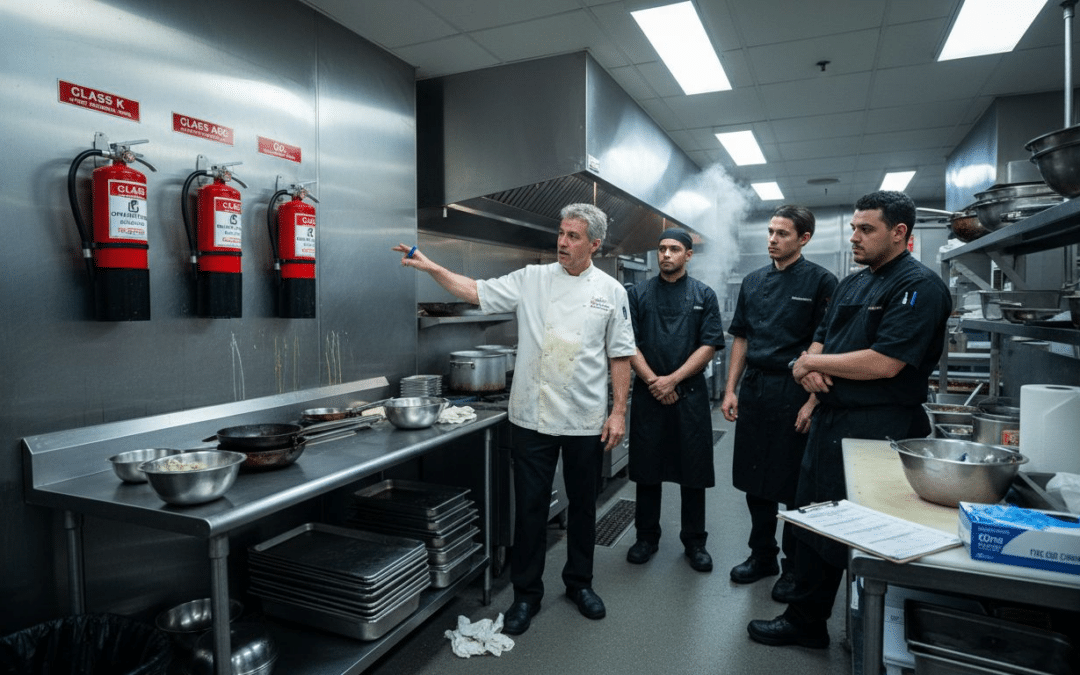
Choosing fire extinguishers for your Houston restaurant shouldn’t feel like guesswork. The wrong type can fail during a grease fire, leave you non-compliant with city codes, or damage expensive kitchen equipment. This guide clarifies the exact extinguisher types you need for kitchen, dining, and storage areas, explains mandatory compliance requirements, and helps you make informed decisions that protect your staff, customers, and investment.
Table of Contents
- How To Choose Fire Extinguishers For Your Restaurant
- Class K Fire Extinguishers
- ABC Dry Chemical Fire Extinguishers
- CO2 Fire Extinguishers
- Comparison Of Fire Extinguisher Types For Restaurants
- Situational Recommendations And Best Practices
- Protect Your Houston Restaurant With Expert Fire Extinguisher Solutions
- Frequently Asked Questions
Key takeaways
| Point | Details |
|---|---|
| Class K extinguishers are mandatory for kitchens | Required within 30 feet of cooking appliances for grease and oil fire suppression per NFPA codes. |
| ABC extinguishers cover multiple fire types | Effective for wood, paper, flammable liquids, and electrical fires in dining and storage zones. |
| CO2 extinguishers protect electrical equipment | Ideal for electrical fires without leaving residue that damages sensitive electronics. |
| Multiple extinguisher types ensure full coverage | Restaurants need different units matched to specific fire hazards in each area. |
| Monthly inspections and annual servicing are required | Regular maintenance ensures operational readiness and Houston fire code compliance. |
How to choose fire extinguishers for your restaurant
Selecting compliant, effective fire extinguishers starts with understanding Houston fire codes and the National Fire Protection Association (NFPA) standards that govern commercial kitchens. The NFPA 10 standard requires Class K extinguishers within 30 feet of all cooking equipment, making this your first priority for kitchen fire safety.
Matching extinguisher types to specific fire classes in your restaurant ensures you can tackle any emergency effectively. Kitchens face Class K fires from cooking oils and grease, while dining rooms and storage areas typically encounter Class A fires from paper and wood, Class B fires from cleaning solvents, or Class C electrical fires. Choosing the wrong extinguisher type for a fire class can make suppression impossible or even spread the flames.
Strategic placement matters as much as type selection. Install extinguishers where staff can reach them within seconds during an emergency, keeping them visible and unobstructed. Your fire extinguisher inspection workflow should include monthly visual checks for damage, pressure gauge readings, and accessibility, plus annual professional servicing to maintain certification and compliance.
Houston fire inspectors evaluate both extinguisher type and placement during code compliance visits. Failing to meet NFPA 10 standards can result in violation notices, fines, or temporary closure until you correct deficiencies.
Consider these essential criteria when selecting restaurant fire extinguishers:
- Match extinguisher fire class ratings to specific hazards in each restaurant zone
- Install units at required distances and mounting heights per NFPA accessibility rules
- Schedule monthly visual inspections and annual professional maintenance
- Train all staff on proper extinguisher use for their work areas
- Maintain clear documentation of inspections for compliance audits
Pro Tip: Walk through your restaurant with a Houston fire inspector before purchasing extinguishers to confirm exact placement requirements and avoid costly reinstallation.
Understanding the role fire extinguishers play in your overall fire safety strategy helps you integrate them with suppression systems, alarms, and evacuation plans for comprehensive protection.
Class K fire extinguishers
Class K extinguishers use wet chemical agents specifically formulated to suppress high-temperature cooking oil and grease fires that reach up to 700°F in commercial kitchens. The chemical creates a cooling foam layer that prevents oxygen from reaching the fuel source while simultaneously preventing dangerous re-ignition that commonly occurs with grease fires.
These units are required by U.S. fire codes for all commercial cooking areas and must be installed within 30 feet of cooking equipment to ensure kitchen staff can access them immediately during a grease fire emergency. This placement requirement recognizes that grease fires escalate rapidly and demand instant response.
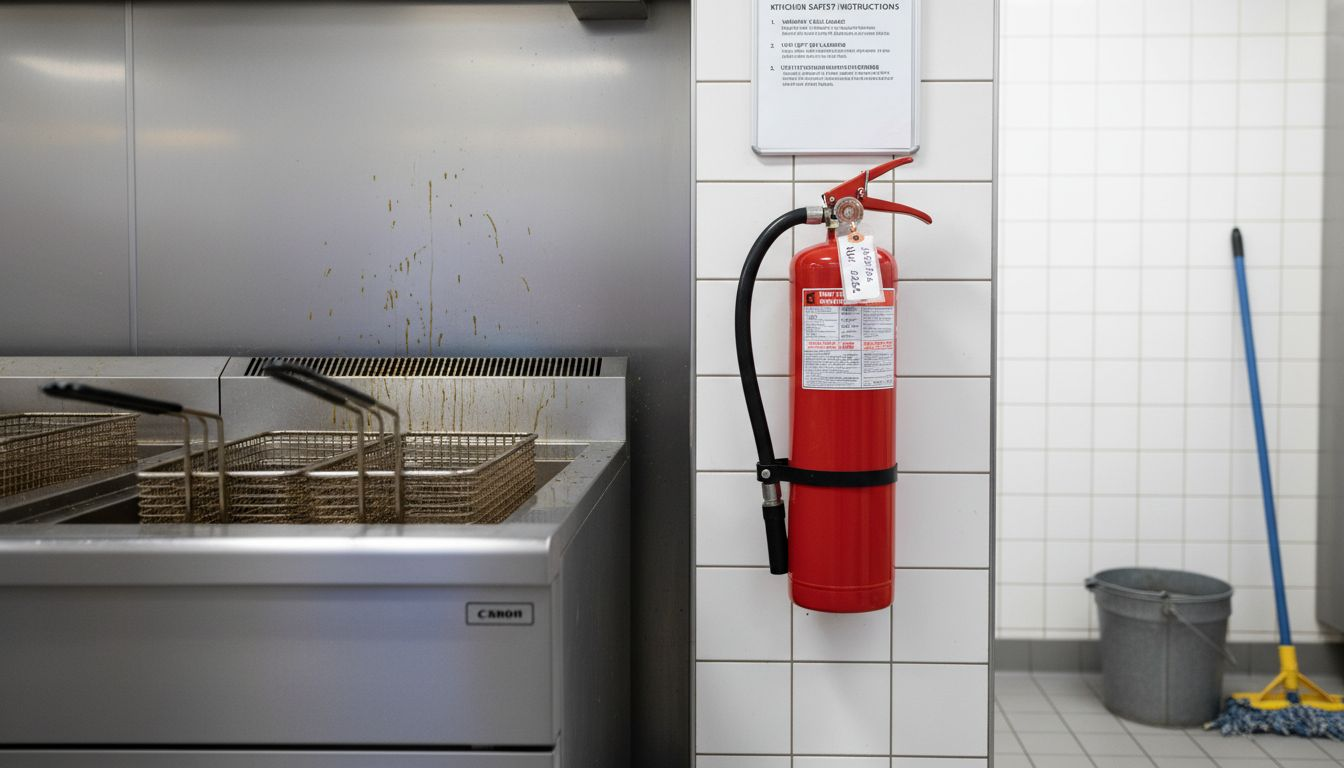
The wet chemical agent in Class K extinguishers works through saponification, a process that converts burning grease into a soap-like substance that smothers flames and cools the fuel below its ignition temperature. This chemical action makes Class K units far superior to any other extinguisher type for kitchen fires.
Key advantages of Class K extinguishers for restaurant kitchens include:
- Superior effectiveness on cooking oil and animal fat fires common in commercial kitchens
- Chemical cooling action that prevents dangerous fire re-ignition after initial suppression
- Required by NFPA and Houston codes for all commercial cooking appliance areas
- Specifically designed for high-temperature grease fires that other extinguishers cannot handle
- Low contamination risk to nearby food preparation surfaces compared to dry chemical agents
Pro Tip: Train kitchen staff on Class K extinguisher operation during onboarding and conduct quarterly refresher drills to ensure everyone can respond confidently during actual grease fire emergencies.
Installing Class K extinguishers without proper staff training wastes their protective value. Your inspection workflow should verify not only equipment condition but also confirm staff can demonstrate correct usage techniques.
ABC dry chemical fire extinguishers
ABC dry chemical extinguishers offer versatile fire suppression for Class A fires involving ordinary combustibles like wood and paper, Class B flammable liquid fires, and Class C electrical fires. This multipurpose capability makes them the standard choice for restaurant dining rooms, offices, storage areas, and other non-kitchen zones.
These units discharge a fine powder that interrupts the chemical reaction of fire, smothering flames across multiple fuel types. The dry chemical agent works quickly and effectively on most common fires found outside commercial kitchens, providing reliable first-response protection for diverse hazards.
However, ABC extinguishers have significant limitations for restaurant environments. The dry chemical residue can damage computers, point-of-sale systems, and other sensitive electronics commonly found in dining and service areas. The powder is also difficult to clean from upholstered furniture, carpets, and decorative surfaces.
Most importantly, ABC extinguishers are not designed for grease or cooking oil fires and should never be installed as the primary fire protection in commercial kitchens. Using an ABC extinguisher on a grease fire can spread burning oil and make the emergency worse.
Best applications for ABC extinguishers in restaurants:
- Dining rooms for protection against table candle fires or electrical hazards
- Storage rooms containing paper goods, packaging, and cleaning supplies
- Office areas with combustible records and standard electrical equipment
- Entryways and hallways as supplemental protection for building structure fires
- Loading docks and outdoor storage areas for general fire protection
- Break rooms and employee areas without commercial cooking equipment
ABC extinguishers typically cost between $50 and $150 in the Houston market, making them an affordable option for broad coverage across non-kitchen restaurant zones. Pairing these units with your fire extinguisher checklist ensures you maintain them properly and replace them before they expire.
CO2 fire extinguishers
Carbon dioxide extinguishers suppress fires by displacing oxygen around the fuel source, effectively suffocating flames without leaving any residue behind. This clean suppression method makes CO2 units ideal for protecting expensive electronic equipment like point-of-sale systems, music equipment, and computer servers in restaurant environments.
CO2 extinguishers excel at handling Class C electrical fires that can occur in dining areas, server stations, or entertainment zones. The gas discharge cools the fire source while eliminating oxygen, stopping electrical fires without the equipment damage that chemical or powder agents cause.
The residue-free discharge is the primary advantage of CO2 extinguishers in restaurants. After using a CO2 unit on an electrical fire, you can resume operations immediately once the hazard is resolved, with no cleanup required and no damage to sensitive electronics or decorative finishes.
However, CO2 extinguishers have critical limitations you must understand. They are not suitable for grease fires and show less than 10% effectiveness on cooking oil fires, making them completely inappropriate for kitchen areas. The gas disperses quickly in open spaces, reducing effectiveness on larger fires or in areas with strong ventilation.
Optimal placement locations for CO2 extinguishers in restaurants:
- Near point-of-sale systems and payment processing equipment in dining areas
- Server stations with electronic ordering tablets and charging equipment
- DJ booths or entertainment areas with sound and lighting equipment
- Back office computer stations and network equipment rooms
- Bar areas with cash registers and refrigeration control panels
CO2 extinguishers are priced comparably to ABC units in the Houston market, typically ranging from $75 to $200 depending on size and capacity. Installing CO2 units as targeted supplements to your primary ABC extinguishers optimizes protection for high-value electronic equipment while maintaining your overall fire safety coverage.
Comparison of fire extinguisher types for restaurants
Understanding how Class K, ABC, and CO2 extinguishers perform across different fire scenarios helps you allocate your fire safety budget effectively and ensure comprehensive protection. Each type offers distinct advantages and limitations that match specific restaurant fire hazards.
| Extinguisher Type | Fire Class Effectiveness | Residue Impact | Typical Houston Pricing | Recommended Restaurant Zones |
|---|---|---|---|---|
| Class K | Grease/oil fires: >90%, Other classes: <20% | Wet chemical foam, food-safe, moderate cleanup | $150-$300 per unit | Commercial kitchens, cooking appliance areas, prep zones |
| ABC Dry Chemical | Class A/B/C fires: 75-85%, Grease fires: <15% | Heavy powder residue, difficult cleanup, damages electronics | $50-$150 per unit | Dining rooms, storage, offices, hallways, break rooms |
| CO2 | Electrical fires: 80-90%, Grease fires: <10%, Class A: 40-50% | Zero residue, equipment-safe, immediate use after discharge | $75-$200 per unit | Point-of-sale areas, server stations, equipment rooms, bars |
Class K extinguishers deliver the highest effectiveness for kitchen grease fires but cost $150 to $300 per unit, reflecting their specialized chemical formulation and commercial kitchen requirements. This higher investment is mandatory for code compliance and justified by their superior performance on your highest-risk fire type.
ABC extinguishers provide the most economical broad-spectrum protection for non-kitchen areas, with pricing between $50 and $150 making them budget-friendly for multiple placement points throughout dining and storage zones. Their versatility across three fire classes delivers good value despite the residue cleanup challenges.
CO2 extinguishers occupy the middle price range while offering unique residue-free protection that preserves expensive electronic equipment and finished surfaces. Their specialized role protecting electrical fires justifies selective placement rather than broad deployment.
Most Houston restaurants need all three extinguisher types to achieve complete fire hazard coverage:
- Class K units mandatory in all commercial cooking areas
- ABC extinguishers throughout dining, storage, and common areas
- CO2 units strategically placed near concentrated electronic equipment
- Adequate quantity to meet NFPA travel distance requirements
- Professional maintenance for all units regardless of type
Pro Tip: Calculate total extinguisher needs by mapping your restaurant layout and identifying every fire hazard zone, then select the most cost-effective type for each specific risk rather than over-investing in premium units where standard protection suffices.
Balancing effectiveness against cost requires understanding which fires pose the greatest risk in each area. Investing heavily in Class K protection for kitchens while using economical ABC units in lower-risk dining areas optimizes both safety and budget. Reviewing extinguisher types for Houston buildings provides additional context for commercial fire protection strategies.
Situational recommendations and best practices
Implementing a comprehensive fire extinguisher strategy for your Houston restaurant requires matching equipment to specific hazards while maintaining strict compliance with NFPA and city fire codes. Start by installing Class K extinguishers within 30 feet of every deep fryer, range, griddle, and commercial oven in your kitchen to meet mandatory code requirements.
Supplement your kitchen Class K units with ABC extinguishers in dining rooms, storage areas, and offices to protect against the wood, paper, and electrical fires common in these zones. Add CO2 extinguishers near point-of-sale systems, computer equipment, and entertainment electronics where residue-free suppression prevents expensive equipment damage.
Proper mounting and accessibility ensure staff can deploy extinguishers quickly during emergencies. NFPA 10 requires mounting extinguishers so the top is no more than 5 feet above the floor for units weighing less than 40 pounds, with clear signage visible from 10 feet away. Never block access with storage, furniture, or equipment.
Regular inspection and maintenance including monthly visual checks and annual professional servicing are required by fire codes to ensure operational readiness. Following a systematic maintenance program protects your investment and maintains compliance.
Follow these five essential steps for extinguisher maintenance and staff training:
- Conduct monthly visual inspections checking pressure gauges, safety seals, and physical condition of all extinguishers.
- Schedule annual professional servicing with certified technicians who verify internal components and recharge units as needed.
- Train all staff on extinguisher location, proper operation technique, and when to evacuate instead of attempting suppression.
- Document every inspection, service event, and training session to demonstrate compliance during fire marshal visits.
- Replace extinguishers immediately after any discharge or when they fail inspection, never waiting until the next scheduled service.
Pro Tip: Partner with a trusted local Houston fire safety service for scheduled inspections and emergency response, ensuring you maintain compliance while building a relationship with experts who understand your specific restaurant layout and needs.
Your fire extinguisher program should integrate with broader safety measures including your complete fire safety equipment inventory, suppression systems, alarm monitoring, and staff emergency training. Regular fire drills that include extinguisher deployment practice help staff respond confidently during actual emergencies.
Maintaining detailed records proves compliance and provides valuable documentation if incidents occur. Your inspection guide should include templates for monthly checks, annual service reports, staff training logs, and equipment replacement tracking.
Protect your Houston restaurant with expert fire extinguisher solutions
Reliable Fire Protection delivers certified fire extinguisher sales, installation, and maintenance services designed specifically for Houston restaurants and commercial kitchens. Our experts ensure your extinguishers meet NFPA standards and Houston fire codes, eliminating compliance risks while optimizing protection for your unique layout and fire hazards.
We provide complete fire extinguisher services including equipment selection guidance, strategic placement planning, professional installation, monthly inspection programs, and annual servicing that keeps your extinguishers ready for emergencies. Our technicians understand restaurant fire risks and recommend the right combination of Class K, ABC, and CO2 units for comprehensive coverage.
Scheduling regular inspections with Houston professionals ensures you never miss required maintenance deadlines or face violations during fire marshal visits. Our proactive service approach includes detailed documentation, automated scheduling reminders, and priority emergency response when you need immediate assistance.
Partner with Reliable Fire Protection to safeguard your staff, customers, and property investment with expert fire safety products and services tailored to restaurant environments. Contact us today for a free consultation and quote on complete fire extinguisher solutions for your Houston restaurant.
Frequently asked questions
What is the best fire extinguisher type for deep fryer grease fires?
Class K fire extinguishers are specifically engineered for commercial kitchen grease and oil fires and are required by fire codes for cooking areas. The wet chemical agent creates a cooling foam that suppresses high-temperature cooking media fires and prevents re-ignition. Never use ABC or CO2 extinguishers on deep fryer fires as they lack the chemical properties needed to safely suppress cooking oil flames.
Can I use an ABC extinguisher for all fire types in my restaurant?
ABC extinguishers handle wood, paper, flammable liquid, and electrical fires effectively but are not suitable for kitchen grease or cooking oil fires. Houston restaurants must install Class K extinguishers in all commercial cooking areas to meet fire code compliance requirements. ABC units work well as supplemental protection in dining rooms, storage areas, and offices where grease fires are not a hazard.
How often should fire extinguishers be inspected and maintained in Houston restaurants?
Perform monthly visual inspections checking pressure gauges, physical condition, and accessibility of all extinguishers. Schedule professional servicing and maintenance annually with certified technicians who verify internal components and ensure operational readiness. Document all inspections and service events to demonstrate compliance during fire marshal audits and maintain continuous certification.
Where should I place CO2 fire extinguishers in my restaurant?
Install CO2 extinguishers near point-of-sale systems, server stations, computer equipment, and entertainment electronics in dining and service areas where electrical fires pose risks. Keep CO2 units away from commercial cooking areas since they are ineffective on grease fires and cannot replace required Class K extinguishers. The residue-free discharge makes CO2 units ideal for protecting expensive electronic equipment without causing cleanup damage.