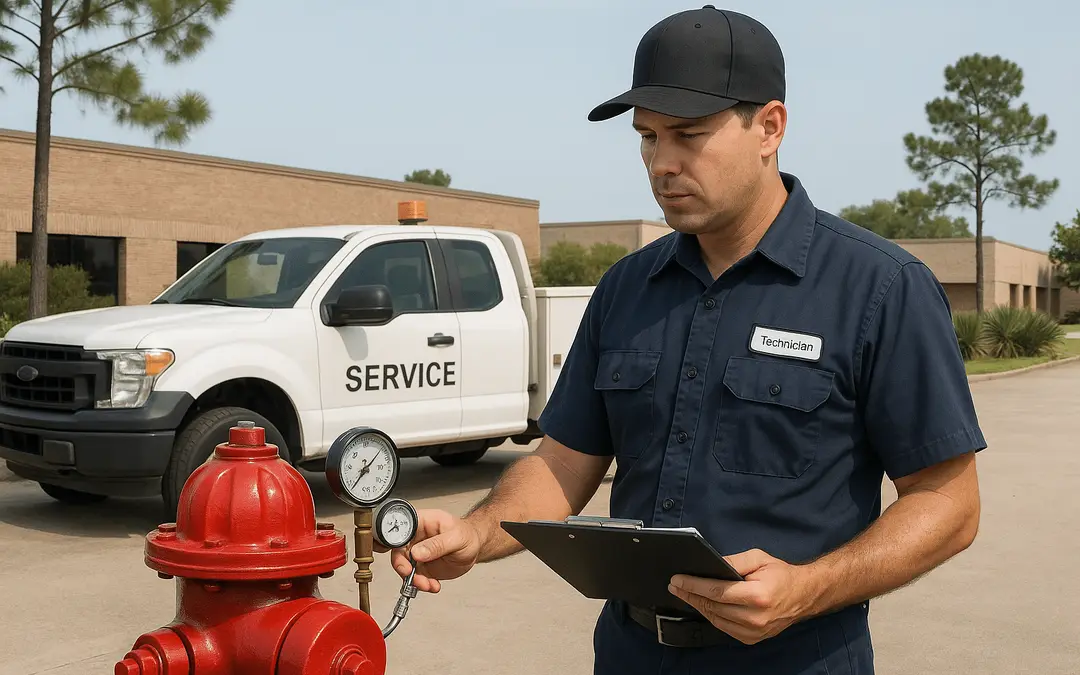
by Sean Ellis | Oct 1, 2026 | Fire Protection
TL;DR: Houston properties with private fire hydrants must have them inspected and flow tested annually by a licensed company, per Houston Fire Code and NFPA 25. This guide explains how the test works, why Houston’s clay soil makes it especially important...
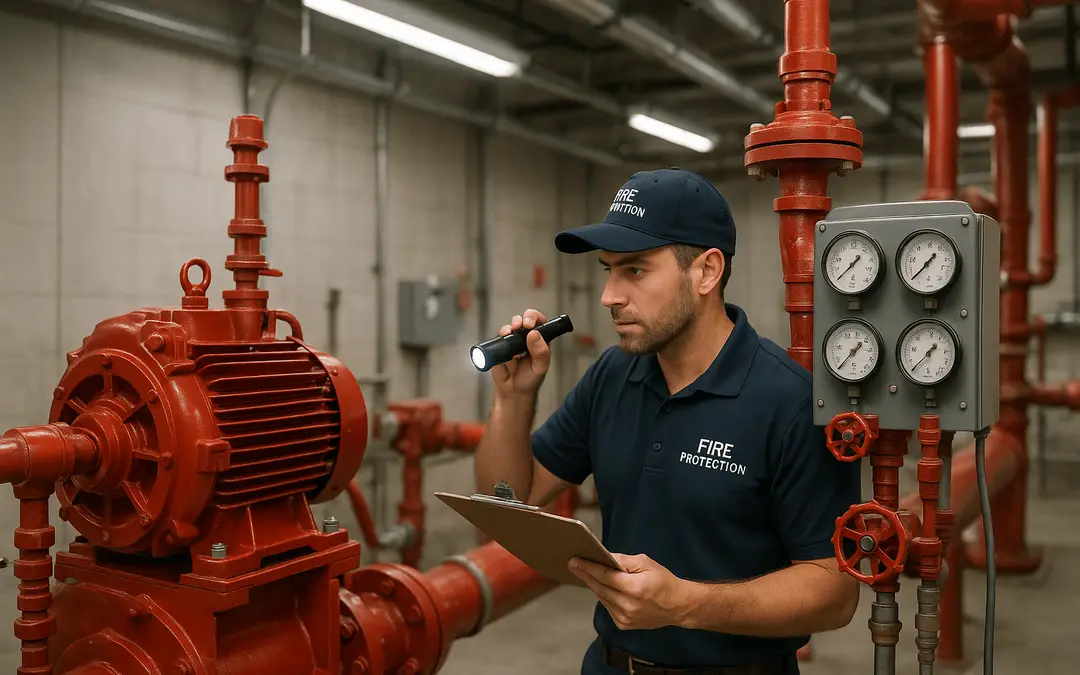
by Sean Ellis | Sep 30, 2026 | Fire Protection
TL;DR: Fire pumps that supply sprinkler systems in Houston need weekly or monthly no-flow churn tests plus a full annual flow test under NFPA 25 and the Houston Fire Code. This guide walks through exactly what happens during each type of test, why Houston’s...
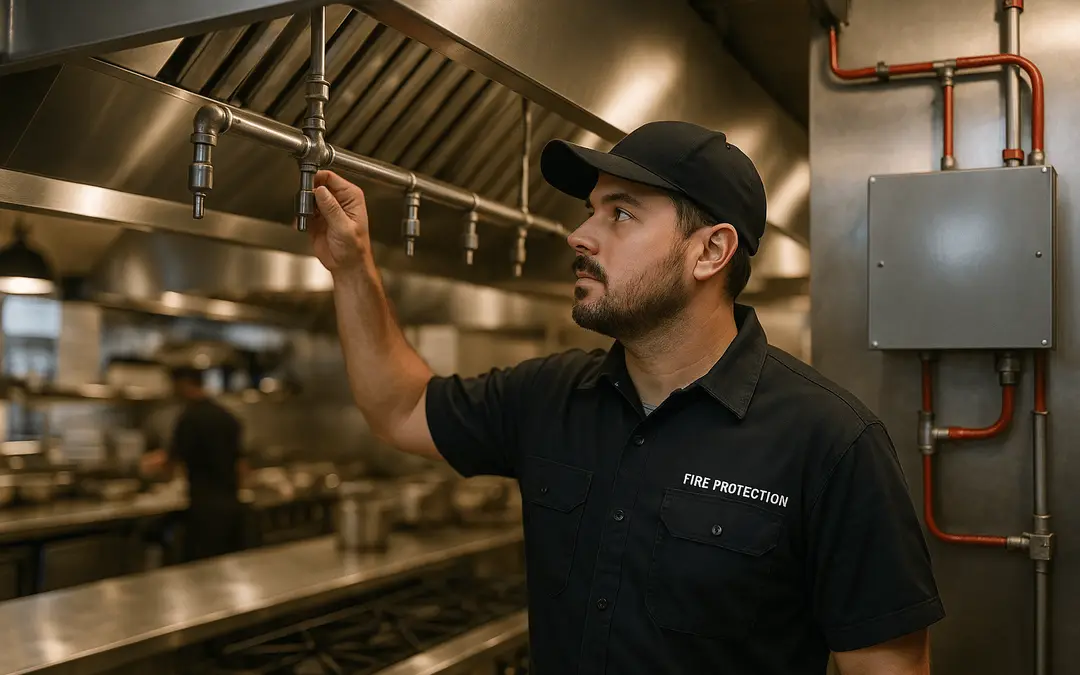
by Sean Ellis | Sep 30, 2026 | Fire Protection
TL;DR: Kitchen hood fire suppression systems use wet chemical agents to instantly detect and knock down grease fires before they spread into ductwork. Houston restaurants must meet NFPA 96 and UL 300 standards with semi-annual inspections, and Reliable Fire Protection...
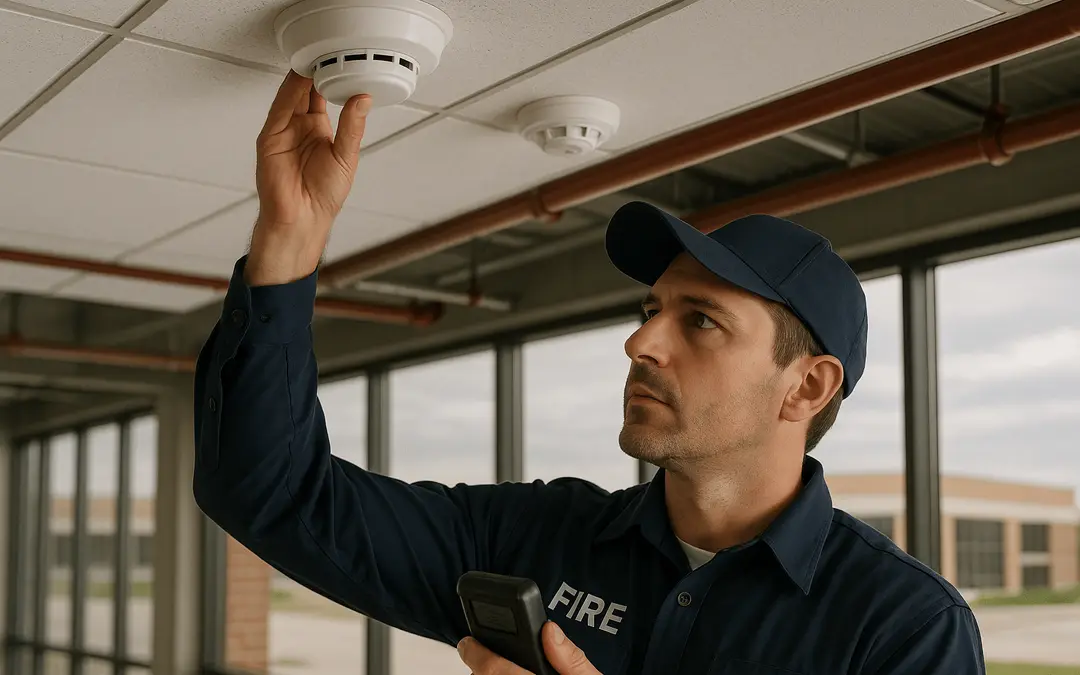
by Sean Ellis | Sep 29, 2026 | Fire Protection
TL;DR: Smoke detectors and heat detectors serve different purposes: smoke detectors catch fires early in occupied spaces, while heat detectors avoid nuisance alarms in kitchens, garages, and dusty industrial areas. Most Houston commercial buildings need a mix of both,...
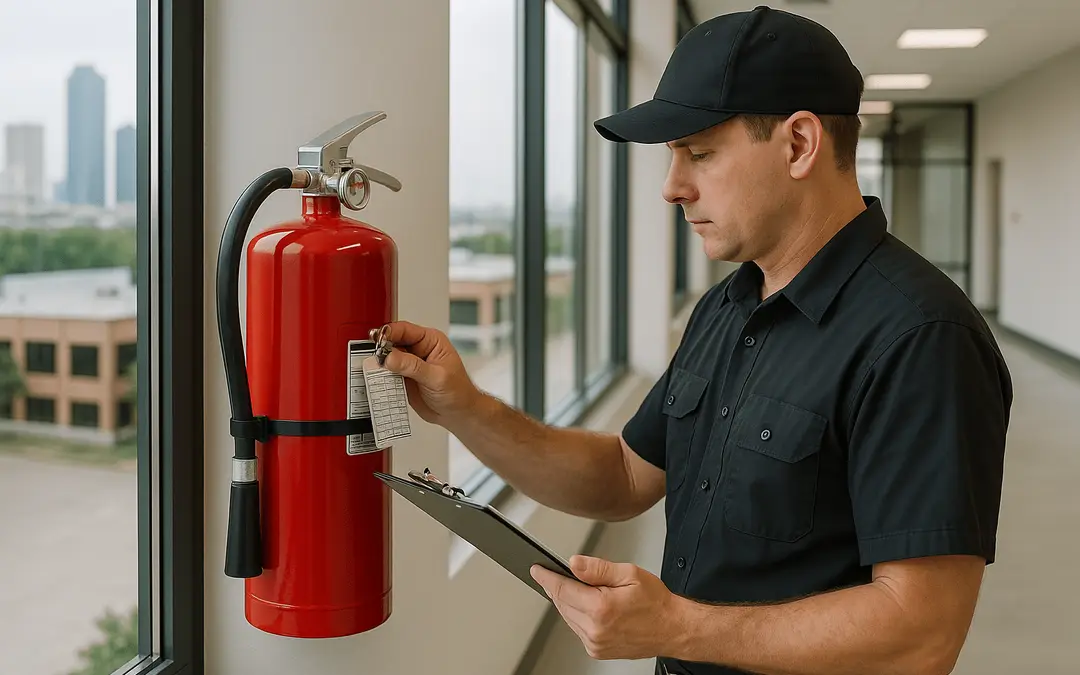
by Sean Ellis | Sep 27, 2026 | Fire Protection
TL;DR: Texas businesses must follow NFPA 10 and OSHA 1910.157 rules for fire extinguisher placement, monthly visual checks, and annual maintenance by a licensed technician, plus periodic 6- and 12-year testing. This checklist breaks down exactly what Houston property...

by Sean Ellis | Sep 26, 2026 | Fire Protection
TL;DR: Water-based sprinklers can destroy server equipment as thoroughly as fire itself. Clean agent suppression systems discharge a gaseous agent within seconds, extinguish fires without residue, and keep servers online — making them the code-preferred choice under...