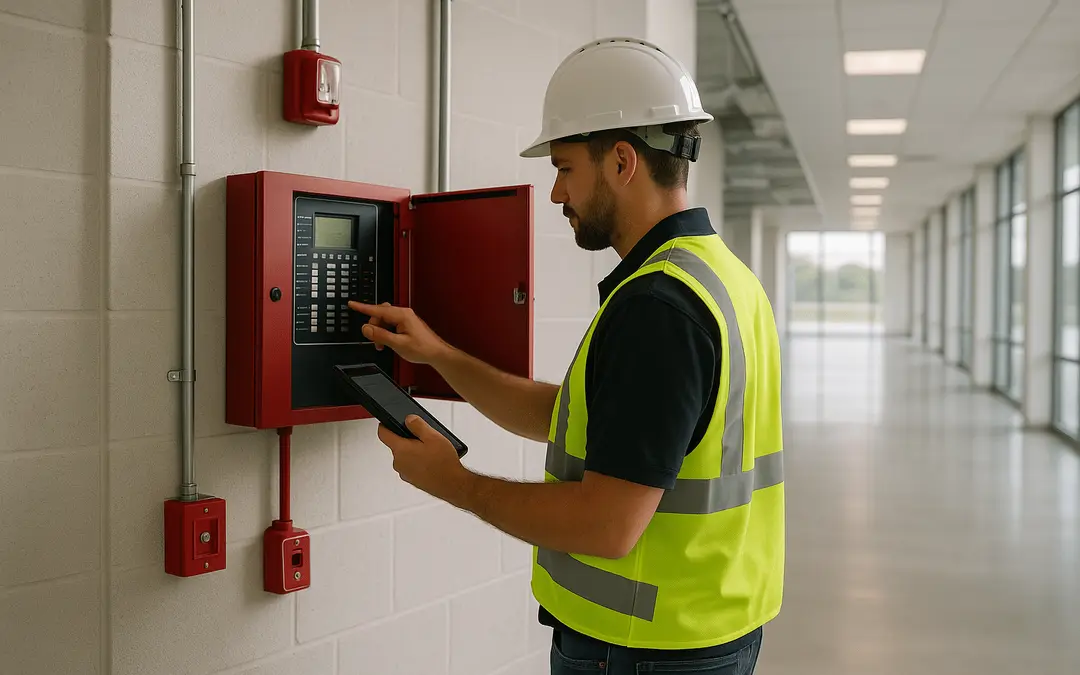
by Sean Ellis | Sep 18, 2026 | Fire Protection
TL;DR: NFPA 72 is the national standard governing fire alarm inspection, testing, and maintenance for commercial buildings, and Texas enforces it through the State Fire Marshal’s Office. Houston property managers must meet specific testing schedules — ranging...
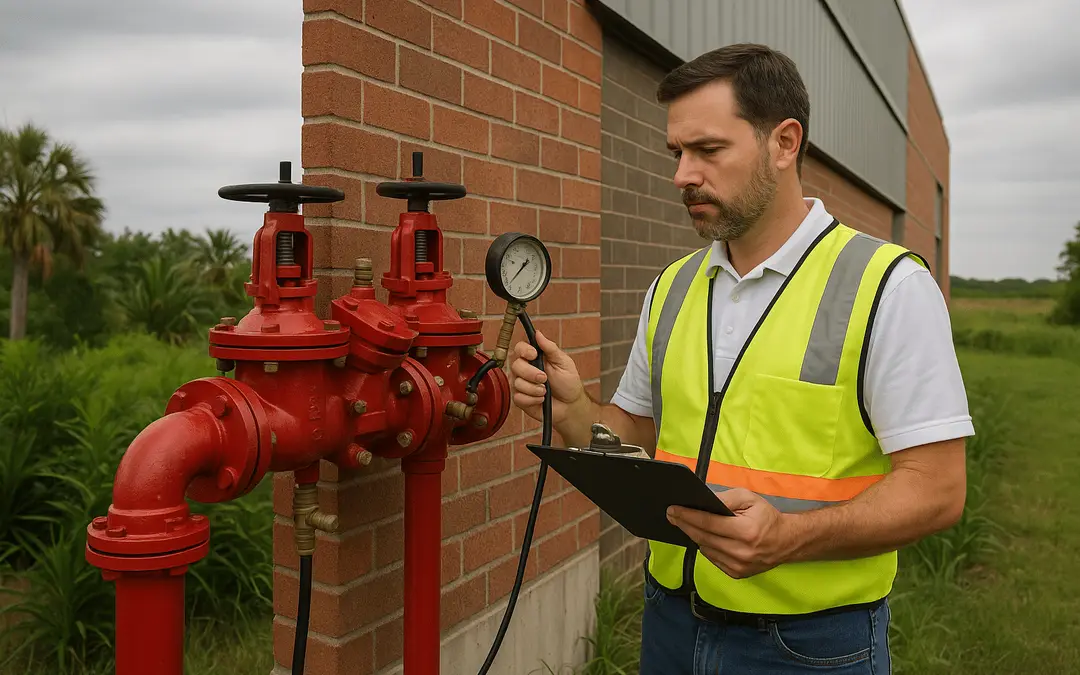
by Sean Ellis | Sep 17, 2026 | Fire Protection
TL;DR: Texas law under 30 TAC §290.44 requires annual backflow preventer certification for most commercial properties. You must hire a TCEQ-licensed Backflow Prevention Assembly Tester (BPAT), complete the TCEQ Form 20700, and file results with your local water...
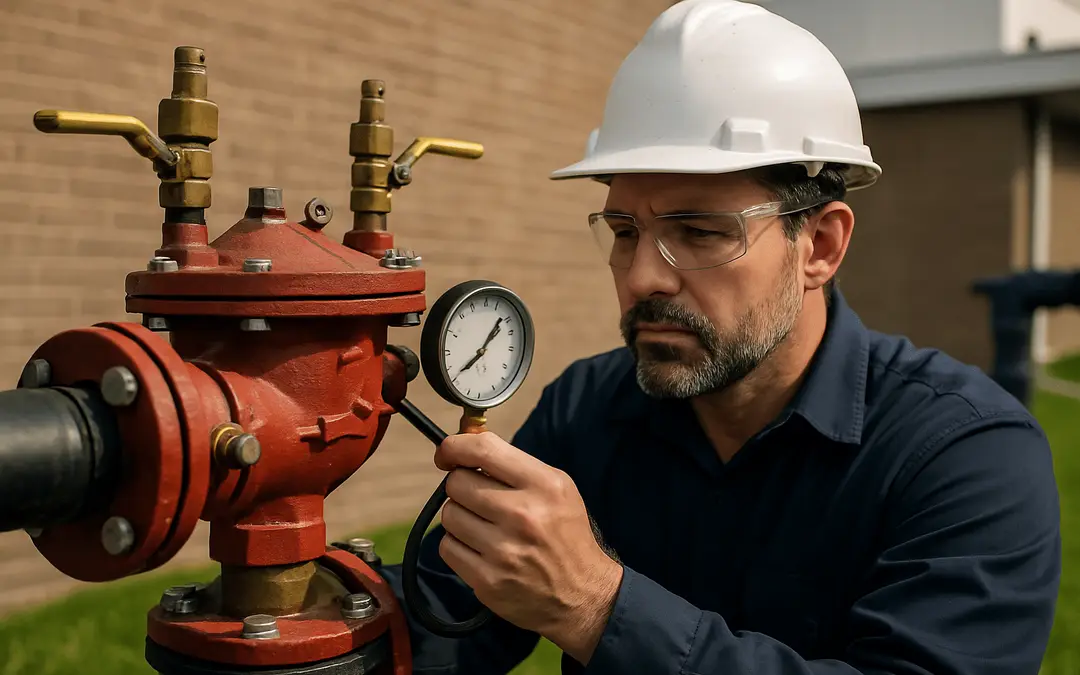
by Sean Ellis | Sep 14, 2026 | Fire Protection
TL;DR: Texas law under 30 TAC Chapter 290 requires all testable backflow prevention assemblies to be tested at installation and at least annually by a TCEQ-licensed tester. In Houston, test reports must be submitted to Houston Public Works, and non-compliance can...
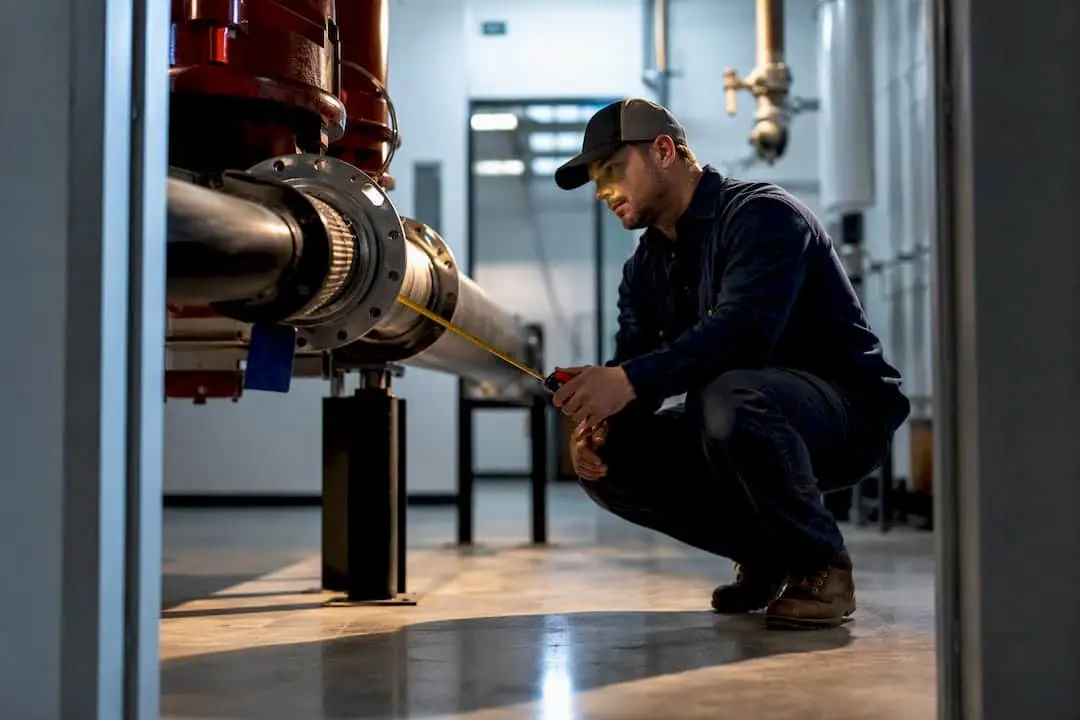
by Sean Ellis | Sep 9, 2026 | Fire Protection
Replacing a commercial fire pump system typically costs from tens of thousands to over one hundred thousand dollars, depending on driver type, capacity, and piping conditions. Small electric units for a mid-size commercial building sit near the low end; packaged...
by Sean Ellis | Sep 8, 2026 | Fire Protection
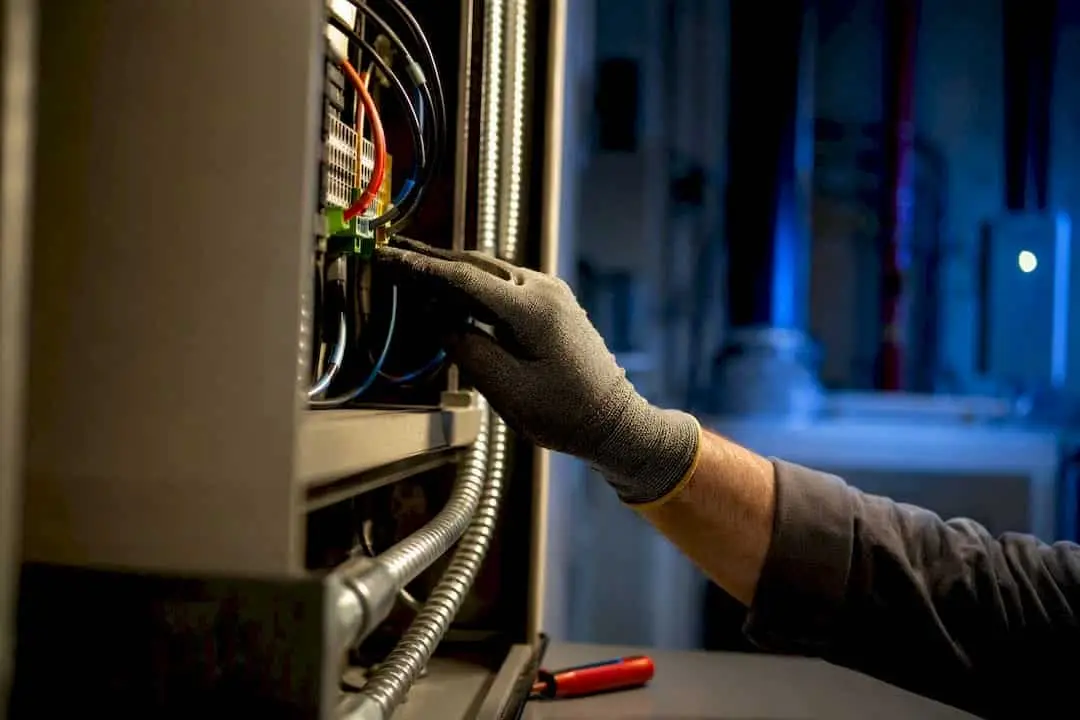
If your building’s occupancy or size requires a fire alarm system under the adopted building or fire code, that system almost always has to be monitored off-site too. IBC Section 907.6.6 sets the trigger, and NFPA 72 spells out how that monitoring has to work. Local...
by Sean Ellis | Sep 7, 2026 | Fire Protection
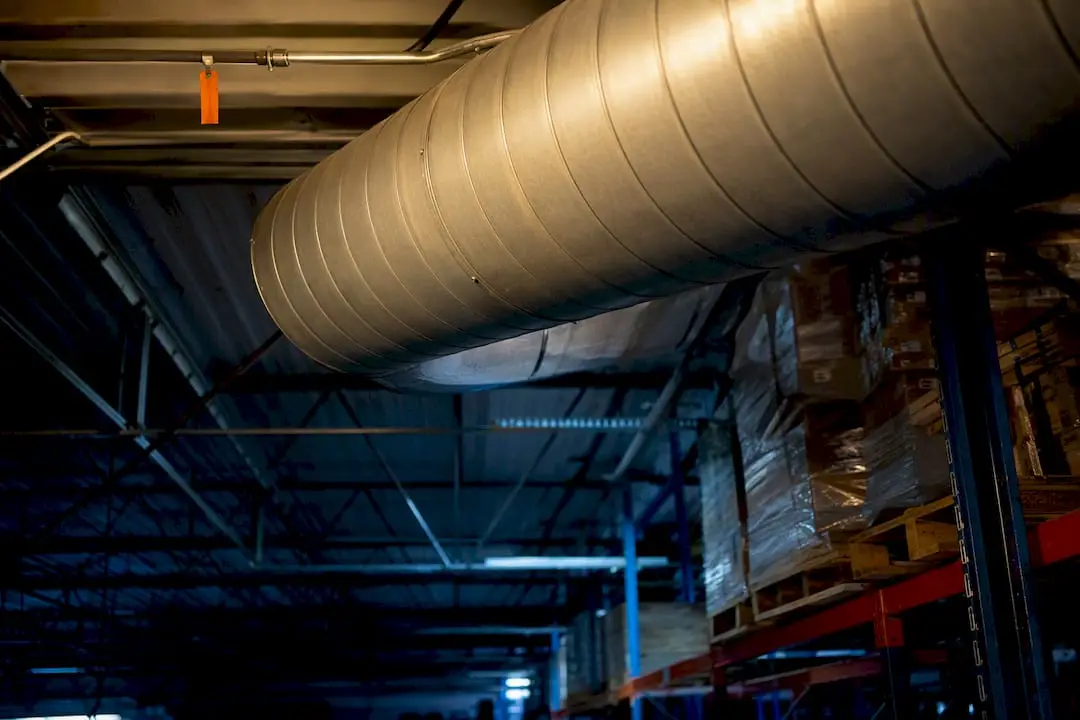
ESFR sprinklers are appropriate for high-piled or rack storage of Group A plastics and comparable commodities when the installation satisfies NFPA 13 clearance and obstruction rules, meets K-factor and discharge requirements, and follows storage-shelf criteria....