
by Sean Ellis | Jun 20, 2026 | Fire Protection
TL;DR: Flame detectors are highly sensitive sensors that detect fires quickly by analyzing UV and IR radiation signatures emitted by flames. They provide the earliest warning in high-risk environments, enabling rapid response or suppression activation before smoke or...

by Sean Ellis | Jun 19, 2026 | Fire Protection
TL;DR: Alarm verification methods confirm whether an alarm signals a real threat before emergency response is dispatched, reducing false alarms and resource waste. Effective verification combines techniques such as video, audio, cross-trip, and mobile app...

by Sean Ellis | Jun 18, 2026 | Fire Protection
TL;DR: Proper placement, correct tools, and regular maintenance of smoke detectors ensure effective fire protection in homes. Interconnected hardwired systems with brand consistency offer optimal safety, while regular testing and replacement extend their...
by Sean Ellis | Jun 17, 2026 | Fire Protection
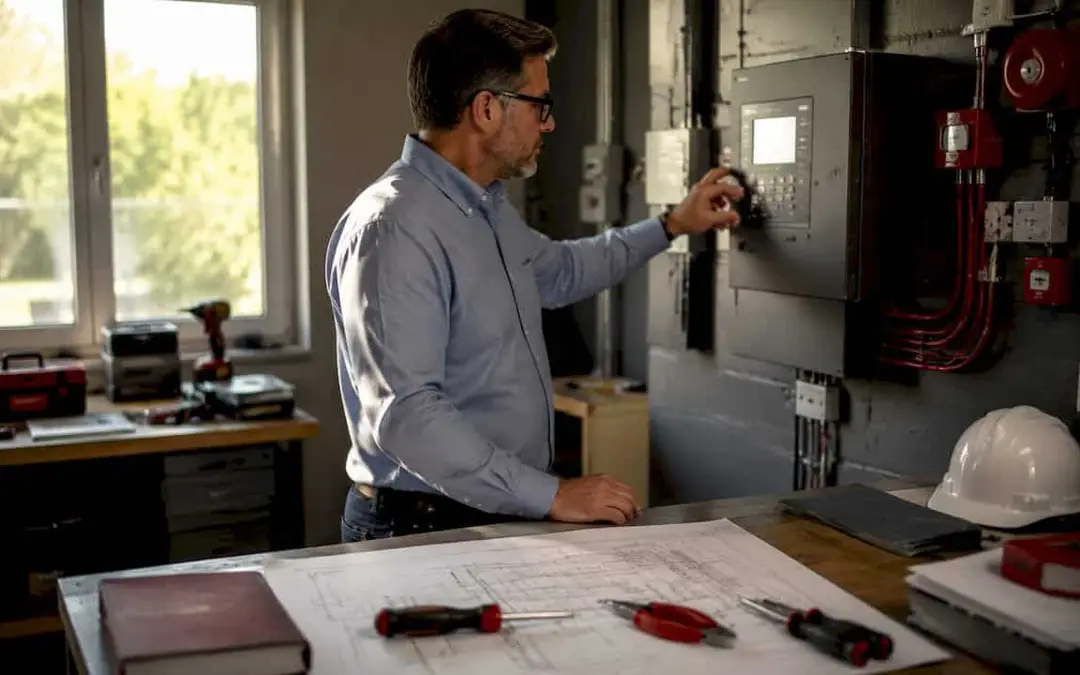
TL;DR: Addressable alarm systems assign a unique digital address to each device, enabling precise and real-time identification during fires. They improve response speed, maintenance efficiency, and compliance documentation compared to conventional zone-based systems....

by Sean Ellis | Jun 16, 2026 | Fire Protection
TL;DR: Fireproof cabling ensures critical safety systems remain operational during fires by maintaining circuit integrity for up to 180 minutes. Proper specification and installation, including matching ratings and correct support, are essential for system performance...

by Sean Ellis | Jun 15, 2026 | Fire Protection
TL;DR: Zoned fire protection divides buildings into specific alarm zones to enable rapid and precise fire location identification. This system improves emergency response, supports phased evacuation, and complies with standards like BS 5839-1, especially in large or...