
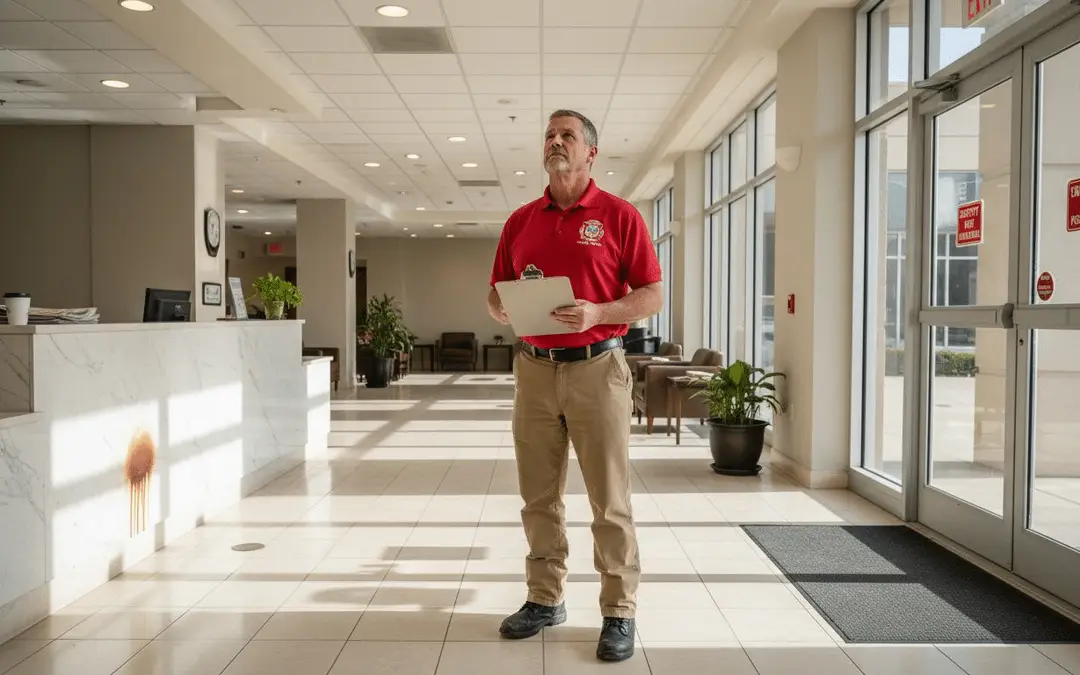
Most American business owners in Houston do not realize that one failed fire inspection can lead to fines, insurance troubles, and even temporary closure. For hospitality and healthcare sectors, staying compliant is not just about ticking boxes, it is about protecting lives and livelihoods. This guide shows exactly what a thorough fire inspection means for your business, helping you stay on the right side of Houston regulations and keep your property safe.
Table of Contents
- Defining Fire Inspections For Houston Businesses
- Types Of Fire Inspections And Their Focus
- Step-By-Step Fire Inspection Process
- Legal Standards And Houston Code Compliance
- Risks Of Skipping Or Failing Inspections
Key Takeaways
| Point | Details |
|---|---|
| Importance of Fire Inspections | Fire inspections are essential for ensuring compliance with safety regulations and reducing fire hazards in commercial properties. |
| Types of Inspections | Various inspection types address specific safety needs, including high-rise assessments and hazardous material reviews. |
| Consequences of Non-Compliance | Failing to complete fire inspections can lead to legal penalties, operational shutdowns, and increased insurance costs. |
| Proactive Management | Maintaining thorough documentation and regular inspections helps businesses stay compliant and demonstrate a commitment to safety. |
Defining Fire Inspections for Houston Businesses
A fire inspection is a systematic examination of commercial properties to verify compliance with local fire safety regulations and prevent potential hazards. For Houston businesses, these comprehensive assessments ensure that buildings meet critical safety standards established by the Houston Fire Department guidelines.
During a typical fire inspection, certified professionals methodically evaluate multiple aspects of a commercial property’s safety infrastructure. This includes examining fire alarm systems, sprinkler mechanisms, emergency exit routes, fire extinguisher placement, electrical systems, and potential hazardous material storage. Inspectors from the Texas Department of Insurance State Fire Marshal’s Office conduct rigorous evaluations to identify potential risks that could compromise occupant safety.
The primary objectives of fire inspections extend far beyond mere regulatory compliance. These assessments serve as proactive measures to protect human life, prevent property damage, and minimize potential financial losses. By identifying and addressing safety vulnerabilities before they escalate, businesses can significantly reduce the likelihood of catastrophic fire-related incidents.
Pro tip: Schedule your fire inspection during slower business periods to minimize operational disruptions and ensure a comprehensive, stress-free evaluation process.
Types of Fire Inspections and Their Focus
The Houston Fire Department categorizes fire inspections into several specialized types, each designed to address unique safety requirements for different business environments. Inspection teams are strategically organized based on occupancy types, hazard levels, and specific operational risks, ensuring comprehensive safety coverage across various commercial settings.
Key types of fire inspections include high-rise building assessments, hazardous material facility evaluations, institutional inspections, and general occupancy reviews. For instance, inspections targeting high-piled storage facilities differ significantly from those focused on hospitality venues like hotels and motels. These specialized inspections cover critical areas such as fire alarm systems, sprinkler mechanisms, emergency exit routes, electrical systems, and potential combustible material storage.
Beyond standard safety checks, Houston’s fire inspection protocols include targeted reviews for specific hazards. Permit-based inspections address unique risks involving aerosol products, open flames, and specialized combustible material storage. These nuanced evaluations help businesses proactively manage potential fire risks by identifying vulnerabilities before they become critical safety concerns.
Pro tip: Maintain a comprehensive digital record of all previous fire inspection reports to streamline future assessments and demonstrate consistent safety commitment.
Here’s a summary of the main types of fire inspections and their unique focus areas for Houston businesses:
| Inspection Type | Primary Focus | Common Locations |
|---|---|---|
| High-Rise Assessment | Emergency exits, alarm systems | Office towers, condos |
| Hazardous Material Review | Chemical storage, containment | Industrial plants, warehouses |
| Institutional Inspection | Occupant safety, suppression | Hospitals, schools |
| General Occupancy Review | Overall code compliance | Retail stores, restaurants |
| Permit-Based Inspection | Specialized activity risks | Events, labs, open flame uses |
Step-by-Step Fire Inspection Process
Businesses in Houston must follow a structured approach when preparing for fire safety inspections. Inspection preparation begins with document submission at the Houston Permitting Center, where companies must compile all necessary paperwork including detailed equipment records, system diagrams, and prior maintenance documentation.
The actual inspection process typically involves several critical stages. First, a fire marshal will schedule a comprehensive site visit, during which they systematically evaluate the entire facility. Inspectors thoroughly examine fire alarm systems, sprinkler mechanisms, emergency exit routes, electrical infrastructure, and potential hazardous material storage areas. They assess both visual conditions and operational functionality of all fire safety equipment, checking for compliance with current fire code standards.

Obtaining fire inspection permits requires businesses to proactively address any identified violations. If inspectors discover deficiencies, they will document these issues and provide a specific timeframe for correction. Businesses must then remediate these concerns, potentially requiring follow-up inspections to verify that all safety standards have been met. This process ensures that commercial properties maintain rigorous fire safety protocols and minimize potential risks to occupants and property.
Pro tip: Create a dedicated digital folder with all fire safety documentation, including previous inspection reports, maintenance records, and equipment certifications, to streamline future inspection processes.
Legal Standards and Houston Code Compliance
Houston’s fire safety regulations are grounded in a comprehensive legal framework that mandates strict adherence to national and local fire protection standards. Houston Fire Code governs inspection requirements, aligning with the International Fire Code to ensure robust life safety measures for businesses across the city. These regulations are not merely suggestions but legally binding requirements that carry significant consequences for non-compliance.
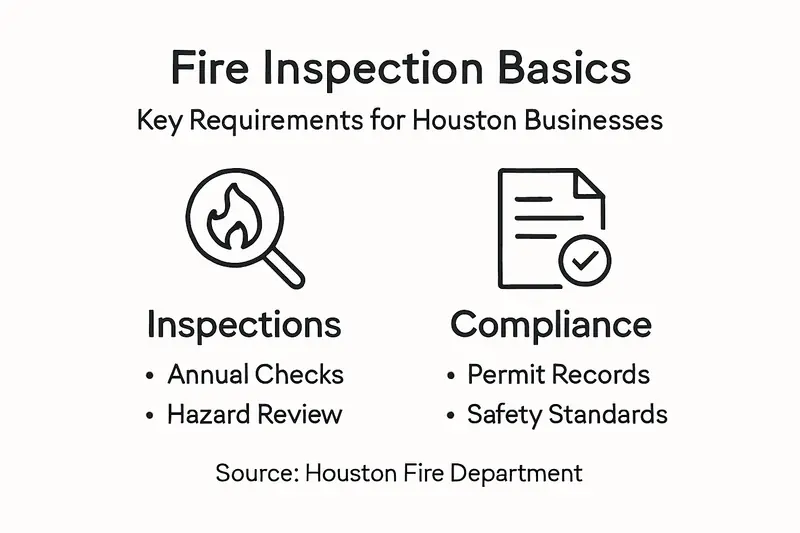
The City of Houston Fire Department’s Life Safety Bureau establishes detailed standards for fire protection equipment inspection, testing, and maintenance. These standards outline specific responsibilities for businesses, including mandatory record keeping, service frequency, and notification protocols. Companies must maintain meticulous documentation of their fire safety systems, demonstrating ongoing commitment to safety and regulatory compliance.
Fire protection equipment standards require businesses to conduct regular inspections, maintain comprehensive maintenance logs, and ensure all life safety systems remain fully operational. Violations can result in substantial financial penalties, potential business closure, and increased liability in the event of a fire-related incident. The comprehensive nature of these regulations underscores the critical importance of proactive fire safety management for Houston businesses.
Pro tip: Develop a standardized internal checklist that mirrors the Houston Fire Department’s inspection criteria to stay consistently prepared and ahead of compliance requirements.
Risks of Skipping or Failing Inspections
Skipping or failing fire inspections in Houston carries serious legal and financial consequences that can devastate businesses. Fire inspection violations trigger immediate penalties, ranging from substantial monetary fines to potential business operation shutdowns. These consequences are designed to ensure that companies take fire safety seriously and maintain rigorous protection standards for employees and customers.
Businesses that neglect fire inspections expose themselves to multiple layers of risk. Insurance companies may increase premiums or even cancel coverage for non-compliant properties, creating significant financial strain. Moreover, in the event of a fire, businesses without current inspection documentation could face catastrophic liability issues, potentially rendering insurance claims invalid and leaving the company vulnerable to extensive legal and financial repercussions.
Unaddressed fire hazards create substantial legal risks beyond immediate financial penalties. The Houston Fire Marshal’s office can mandate immediate business closure for severe safety violations, effectively halting operations and causing potentially irreparable damage to a company’s reputation. These risks extend beyond monetary concerns, directly impacting a business’s ability to operate and maintain public trust in their commitment to safety.
The table below explains the consequences of skipping or failing a fire inspection, contrasting regulatory and business impacts:
| Consequence Type | Example Outcome | Business Impact |
|---|---|---|
| Legal Penalty | Fines or business closure order | Lost revenue, legal costs |
| Insurance Consequence | Premium increases or dropped coverage | Higher expenses, liabilities |
| Operational Disruption | Mandated shutdown for violations | Halted services, lost trust |
| Reputational Damage | Public record of non-compliance | Difficult client retention |
Pro tip: Maintain a dedicated fire safety compliance folder with all inspection records, documenting every inspection, repair, and maintenance action to demonstrate proactive risk management.
Ensure Your Houston Business Meets Fire Inspection Standards with Reliable Fire Protection
Understanding the critical role of fire inspections is the first step toward protecting your business from costly penalties and safety risks. The detailed process of evaluating fire alarm systems, emergency exits, and hazardous material storage outlined in this article highlights the complex challenges Houston businesses face to remain compliant. At Reliable Fire Protection, we specialize in easing that burden by offering expert solutions tailored to meet Houston’s strict fire safety codes and inspection requirements.
Don’t wait until an inspection reveals costly violations or risks endanger lives. Our certified team provides comprehensive fire protection services including fire alarm installation, sprinkler system maintenance, and fire extinguisher service designed specifically for Houston properties. Partner with us for peace of mind and proactive compliance. Visit Reliable Fire Protection, explore our Fire Protection – Reliable Fire Protection services, and contact us today to secure your free quote and keep your business safe and operating without interruption.
Frequently Asked Questions
What is a fire inspection?
A fire inspection is a thorough examination of a commercial property to ensure compliance with fire safety regulations and to identify potential hazards that may compromise safety.
Why do businesses need to conduct fire inspections?
Businesses need to conduct fire inspections to protect human life, prevent property damage, and minimize financial losses by identifying and addressing safety vulnerabilities proactively.
What are the consequences of failing a fire inspection?
Failing a fire inspection can result in significant legal penalties, increased insurance premiums, potential business closure, and damage to a company’s reputation due to non-compliance.
How can businesses prepare for a fire inspection?
Businesses can prepare for a fire inspection by compiling necessary documentation, maintaining their fire safety equipment, and creating an internal checklist based on fire department inspection criteria.
Recommended
- Fire Detection Basics Explained for Houston Businesses
- Fire Extinguisher Inspection Workflow for Houston Compliance
- Fire Alarm Inspection Guide for Safe Houston Properties
- The Importance of Fire Alarms: Ensuring Safety and Protection
- Understanding Part L Compliance 2024 – Complete EPC
- Fire Protection Company Cinco Ranch TX
- Fire Alarm System Services Cinco Ranch TX