TL;DR:
- Backflow preventers stop contaminated water from reversing into drinking supplies, protecting health and ensuring compliance. Regular testing and proper device selection prevent costly contamination events and safeguard community water sources. Maintenance and professional installation are essential for consistent protection and regulatory adherence.
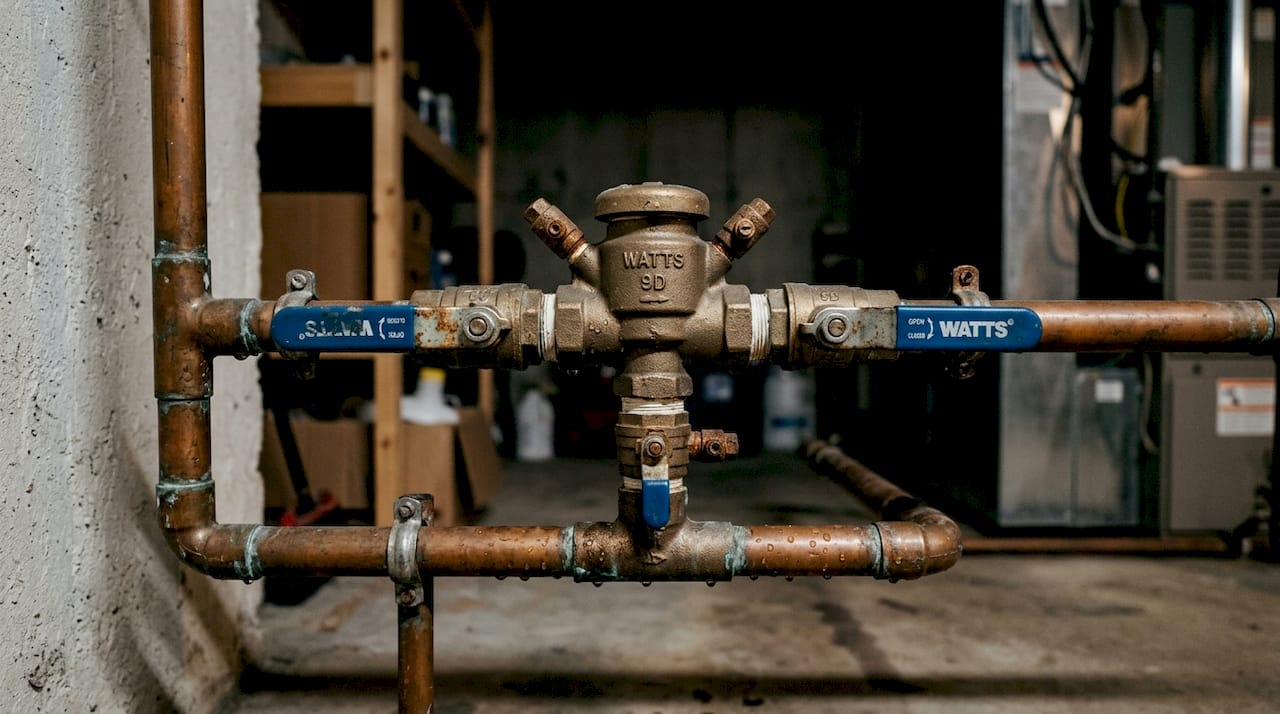
A backflow preventer is a mechanical device that allows water to flow in one direction only, blocking contaminated water from reversing into your clean drinking supply. The advantages of backflow preventers extend well beyond basic plumbing. They protect your family’s health, keep you compliant with local codes, and save you from expensive remediation costs. Standards set by IAPMO and the Safe Drinking Water Act require backflow protection in most residential and commercial settings. Understanding what these devices do, and why they matter, is the first step toward protecting your property and your community.
1. Advantages of backflow preventers: health protection first
The primary benefit of a backflow preventer is keeping contaminants out of your drinking water. When water pressure drops suddenly, such as during a water main break or heavy demand on the municipal system, water can reverse direction through a cross-connection. That reversal pulls in whatever is on the other side, including fertilizers, pesticides, bacteria, and industrial chemicals.
Contaminated water risks include gastrointestinal illness and respiratory problems, and exposure can happen before anyone notices the water looks or smells different. A backflow preventer stops that reversal at the source.
The health risks are not limited to obvious industrial settings. Residential cross-connections are common at garden hose bibs, irrigation systems, and even dishwashers. High-purity equipment like dialysis machines and residential water softeners represent significant cross-connection risks, requiring specialized backflow assemblies.
- Chemicals and pesticides from lawn irrigation systems
- Bacteria and pathogens from submerged hose ends in pools or buckets
- Heavy metals from older plumbing materials under reverse pressure
- Industrial waste in commercial or mixed-use properties
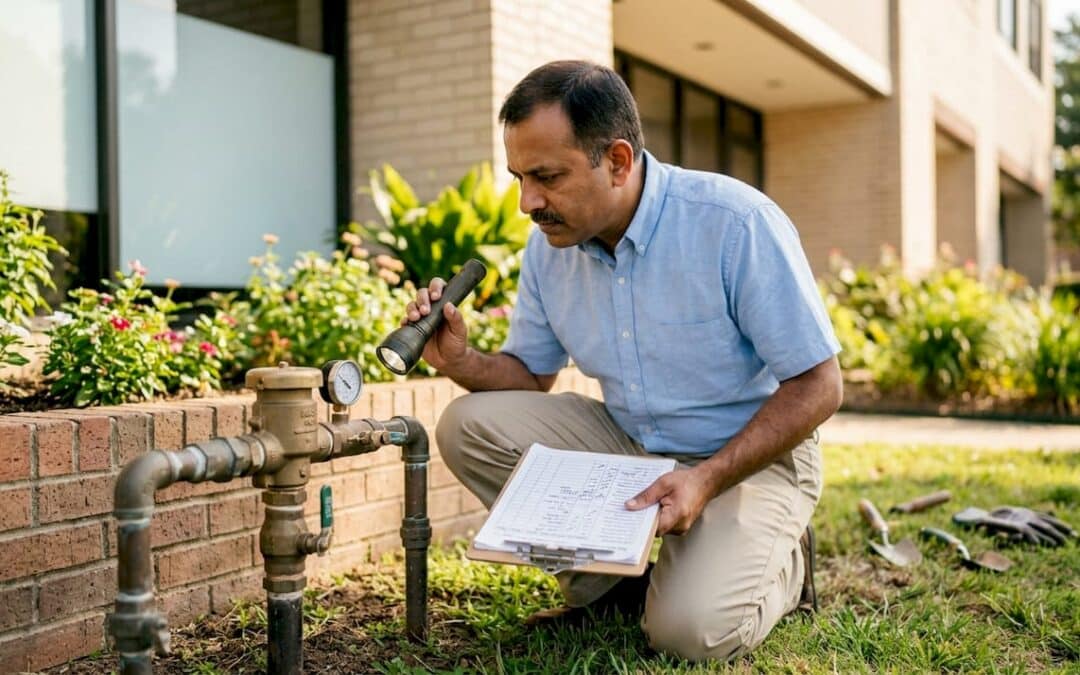
Pro Tip: Check every outdoor hose bib on your property. A hose left submerged in a bucket of soapy water is one of the most common residential backflow hazards.
2. Regulatory compliance and what happens without it
Backflow prevention is not optional in most jurisdictions. Local plumbing codes, state health departments, and municipal water authorities all require installation and annual testing. The IAPMO BPI standards make clear that property owners share responsibility for protecting the public water supply, not just their own tap.
Non-compliance carries real consequences:
- Fines and reinspection fees issued by local code enforcement
- Forced water service interruption until the violation is corrected
- Failed property inspections that delay sales or refinancing
- Liability exposure if contamination from your property affects neighbors
Systems with water pressure above 70 psi often require pressure-reducing valves in addition to backflow preventers to meet code. That detail catches many property owners off guard during inspections. Knowing the pressure at your meter before installation saves time and money.
Annual testing is also a legal requirement in most cities. Skipping it is one of the most common and costly mistakes property owners make. Regulations often mandate annual inspections, and failure leads to fines, water interruptions, or expensive remediation. Staying current with testing keeps your property in good standing and your water service uninterrupted.
3. Financial benefits: testing costs far less than cleanup
The financial case for backflow prevention is straightforward. Testing costs are generally much lower than contamination remediation expenses. A single backflow event that contaminates a building’s plumbing can require full pipe flushing, water quality testing, and in severe cases, pipe replacement.
Beyond direct repair costs, a contamination event affects your property in other ways. Insurance claims related to water contamination often trigger premium increases or coverage reviews. Buyers and tenants treat documented contamination history as a red flag, which depresses property value. Keeping your backflow preventer tested and maintained is one of the lowest-cost ways to protect one of your largest assets.
Pro Tip: Schedule your annual backflow test at the same time each year and keep the inspection certificate on file. That paper trail matters during property sales and insurance renewals.
| Cost scenario | Typical outcome |
|---|---|
| Annual backflow testing | Low, predictable cost; maintains compliance |
| Minor backflow device repair | Moderate cost; avoids larger system damage |
| Contamination remediation | High cost; includes flushing, testing, and possible pipe work |
| Property value impact after contamination event | Significant reduction; difficult to reverse quickly |
Professional installation and regular maintenance preserve property value and prevent the kind of cleanup costs that no annual testing fee comes close to matching.
4. Protecting the broader community water supply
Backflow prevention is a shared public health responsibility involving property owners, utility providers, and code enforcement. Your backflow preventer does not just protect your tap. It protects every connection downstream in the municipal system.
When one property lacks proper backflow protection, a pressure event can push contaminants into the shared water main. That affects neighbors, nearby businesses, and anyone connected to the same distribution line. Municipal water authorities issue boil-water advisories and service shutdowns in response to these events, and tracing the source takes time the public does not have.
Treating your backflow preventer as a community safety device, not just a personal one, changes how you think about maintenance. A device that fails quietly can cause a public health event before anyone realizes there is a problem. Backflow prevention operates behind the scenes, delivering value by preventing contamination events that often go unnoticed until failures occur.
5. Operational benefits and common misconceptions
Many property owners hesitate to install backflow preventers because they worry about reduced water pressure or noisy operation. Both concerns are unfounded with modern equipment. Modern backflow preventers operate quietly and efficiently without noticeable impact on water pressure or daily plumbing performance.
There is one legitimate operational consideration worth knowing. Installing a backflow preventer creates a closed plumbing system. In a closed system, water heated by your water heater expands with nowhere to go. That thermal expansion can cause leaks or trigger pressure relief valve activations if not managed. The solution is straightforward: install a thermal expansion tank alongside the backflow preventer. A licensed plumber handles this as part of a standard installation.
Other benefits that rarely get mentioned:
- Appliance longevity. Backflow events carry debris and contaminants that accelerate wear on water heaters, dishwashers, and washing machines.
- Pipe integrity. Pressure reversals stress pipe joints and fittings over time. A backflow preventer eliminates that repeated stress.
- Water quality consistency. Appliances that require clean water, like ice makers and coffee systems, perform better and last longer when the supply stays uncontaminated.
6. Choosing the right device and keeping it maintained
Different types of backflow preventers suit different property needs. Device selection depends on the hazard level of the cross-connection, the water pressure zone, and the configuration of your plumbing system. A residential irrigation system needs a different assembly than a commercial boiler or a medical facility.
| Device type | Best use case |
|---|---|
| Pressure vacuum breaker (PVB) | Residential irrigation systems; low-hazard applications |
| Double check valve assembly (DCVA) | Commercial buildings; moderate-hazard cross-connections |
| Reduced pressure zone assembly (RPZ) | High-hazard applications; industrial and medical settings |
| Atmospheric vacuum breaker (AVB) | Individual fixture protection; low-cost, non-testable option |
Certified professional installation is not just a recommendation. Many municipalities require it, and an improperly installed device may fail inspection or provide inadequate protection. After installation, annual testing and maintenance keep the device functioning as designed and satisfy local reporting requirements.
Key Takeaways
Backflow preventers are the most cost-effective tool property owners have for protecting drinking water quality, maintaining regulatory compliance, and avoiding expensive contamination events.
| Point | Details |
|---|---|
| Health protection is the core benefit | Backflow preventers block bacteria, chemicals, and debris from entering your drinking water. |
| Compliance is mandatory, not optional | Most jurisdictions require installation, annual testing, and certified documentation. |
| Testing costs far less than remediation | Annual inspections are a small, predictable expense compared to contamination cleanup. |
| Community water safety depends on every property | One unprotected connection can contaminate a shared municipal water line. |
| Device selection requires professional guidance | Hazard level, pressure zone, and plumbing configuration all determine the right assembly. |
What I’ve learned from years of watching property owners skip this step
The properties that end up with the most expensive water problems are almost never the ones that ignored backflow prevention entirely. They are the ones that installed a device once and then forgot about it. A backflow preventer is not a set-and-forget piece of equipment. The internal seals, springs, and check valves wear out. A device that passed inspection three years ago may be sitting fully open right now, providing zero protection.
The other pattern I see consistently is property owners who treat annual testing as a bureaucratic nuisance rather than a diagnostic tool. That annual test tells you whether your device is actually working. It catches failures before a pressure event exposes them. Skipping it is the equivalent of disabling a smoke detector because the beeping is annoying.
Backflow prevention also tends to get siloed as a “plumbing issue” when it is really a safety system. The same mindset that drives property owners to maintain fire alarms and sprinkler systems should apply here. The consequences of failure are just as serious, and the cost of prevention is just as low relative to the risk. If you manage multiple properties, treat Houston water safety compliance as a portfolio-level responsibility, not a property-by-property afterthought.
— Reliable-fire-protection
Reliable-fire-protection: expert backflow and safety services in Houston
Reliable-fire-protection serves residential and commercial property owners across Houston with certified installation, testing, and maintenance for backflow prevention systems.
Whether you need a first-time installation, a failed device replaced, or your annual test completed and documented, the Reliable fire protection team handles it with the same certified expertise applied to fire alarms, sprinkler systems, and suppression systems. The team understands Houston’s local code requirements and keeps your property in full compliance year after year. For backflow preventer services in Houston, contact Reliable-fire-protection to schedule an inspection or get a free quote today.
FAQ
What does a backflow preventer actually do?
A backflow preventer uses a one-way mechanical valve to stop water from reversing direction in your plumbing. It blocks contaminants from entering your potable water supply during pressure drops or cross-connection events.
How often does a backflow preventer need to be tested?
Most jurisdictions require annual testing by a certified professional. Skipping annual inspections can result in fines, water service interruption, or costly remediation if the device has failed.
Will a backflow preventer reduce my water pressure?
Modern backflow preventers are designed to operate without noticeable impact on water pressure or daily plumbing performance. Any pressure concern is typically addressed during professional installation.
What happens if I don’t install a backflow preventer?
Non-compliance can result in fines, forced service interruptions, and failed property inspections. More seriously, an unprotected cross-connection can contaminate your drinking water and the shared municipal supply.
Which type of backflow preventer do I need?
The right device depends on your hazard level, water pressure zone, and plumbing configuration. A certified professional should assess your property and select the appropriate assembly, whether a pressure vacuum breaker, double check valve, or reduced pressure zone device.