by Sean Ellis | Jul 17, 2026 | Fire Protection
TL;DR: Home fire risk increases mainly due to cooking hazards, heating failures, unattended smoking, and electrical faults. Precautionary measures like staying in the kitchen, installing fire extinguishers, and checking alarms can save lives. Home fire risk rises...

by Sean Ellis | Jul 16, 2026 | Fire Protection
TL;DR: Fire marshals are key officials responsible for enforcing fire codes, conducting inspections, and investigating fires to prevent safety hazards. They hold legal authority to order closures and enforce standards like IFC and NFPA during routine building reviews....

by Sean Ellis | Jul 15, 2026 | Fire Protection
TL;DR: Fire system redundancy involves duplicating critical components, power supplies, and pathways to ensure continued operation during failures. NFPA 72 requires documented backup pathways and survivability levels, with emphasis on physical protection and...

by Sean Ellis | Jul 14, 2026 | Fire Protection
TL;DR: Fire detection in healthcare involves sensors, alarms, and controls that identify fire threats before they become life-threatening. Advanced systems like AI-powered detectors and aspirating smoke sensors reduce false alarms and improve response times in...
by Sean Ellis | Jul 13, 2026 | Fire Protection
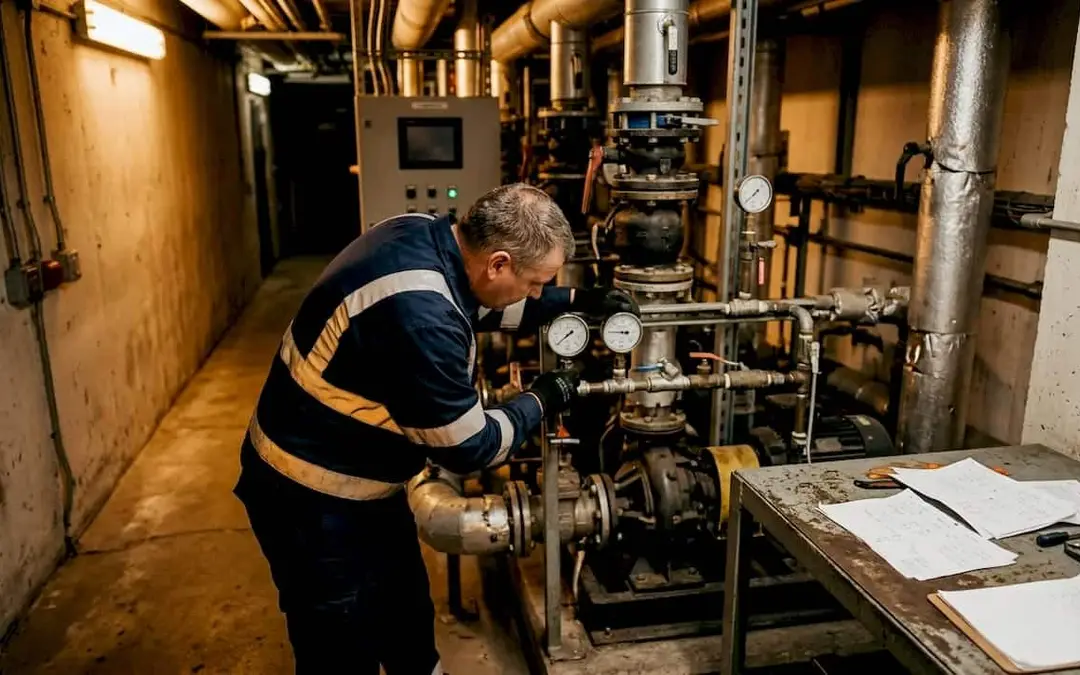
TL;DR: A fire pump boosts water pressure in systems where municipal supply cannot meet demands, especially in tall buildings or those with high fire flow needs. Compliance with NFPA 20 and NFPA 25 standards ensures proper design, installation, and ongoing maintenance,...