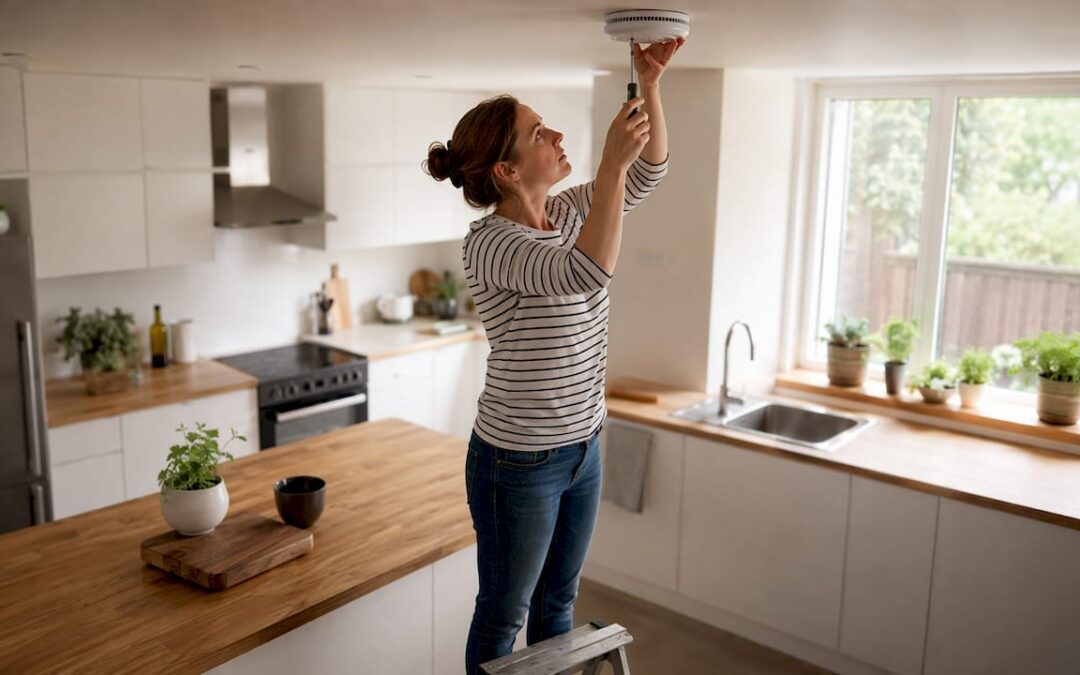
by Sean Ellis | Jul 28, 2026 | Fire Protection
TL;DR: Proper smoke alarm placement involves installing one on every home level, inside each bedroom, and outside sleeping areas. It is essential to test alarms monthly, replace units every 10 years, and ensure all alarms are interconnected for safety. Place a working...
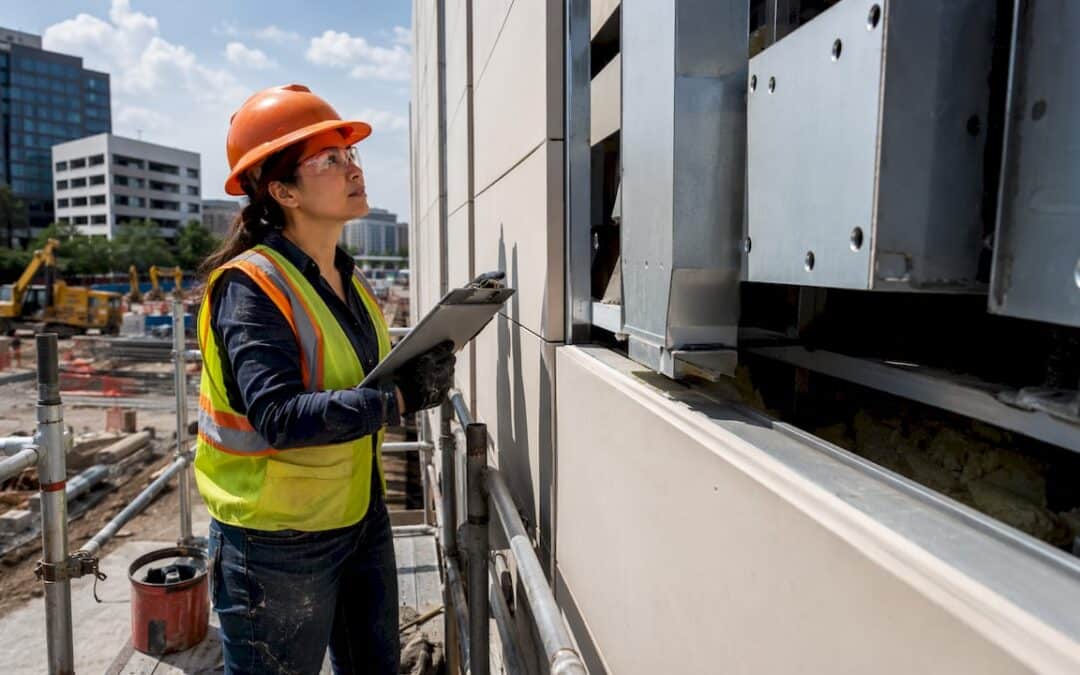
by Sean Ellis | Jul 27, 2026 | Fire Protection
TL;DR: A fire safe building envelope combines walls, roof, and foundation systems to resist fire and prevent spread. Compliance requires documented, tested assemblies with all components working together, especially in high-rise buildings over 40 feet. Regular...
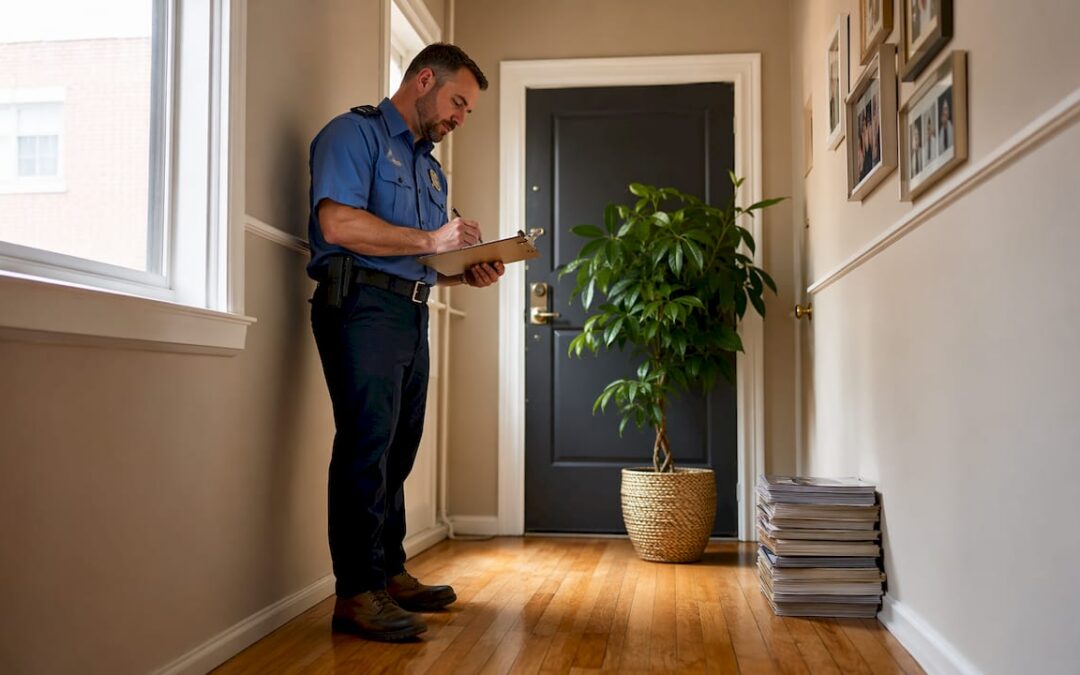
by Sean Ellis | Jul 26, 2026 | Fire Protection
The fire code violations most likely to get your building cited are blocked exits, faulty smoke detectors, improper extension cord use, missing or expired fire extinguishers, obstructed sprinkler heads, failed emergency lighting, and inadequate safety signage. Each...

by Sean Ellis | Jul 25, 2026 | Fire Protection
What are the most common examples of fire hazards? Fire hazards are physical conditions or materials that can ignite or feed a fire. Knowing the specific ones in your home or workplace is the first step toward preventing them. Here is a direct list of the most...

by Sean Ellis | Jul 24, 2026 | Fire Protection
An alarm annunciator is a wall-mounted display panel that shows the real-time status of a fire alarm system using color-coded LEDs, an LCD screen, and push-button controls. Its job is simple but critical: tell occupants and emergency responders exactly where a problem...