by Sean Ellis | Aug 18, 2026 | Fire Protection
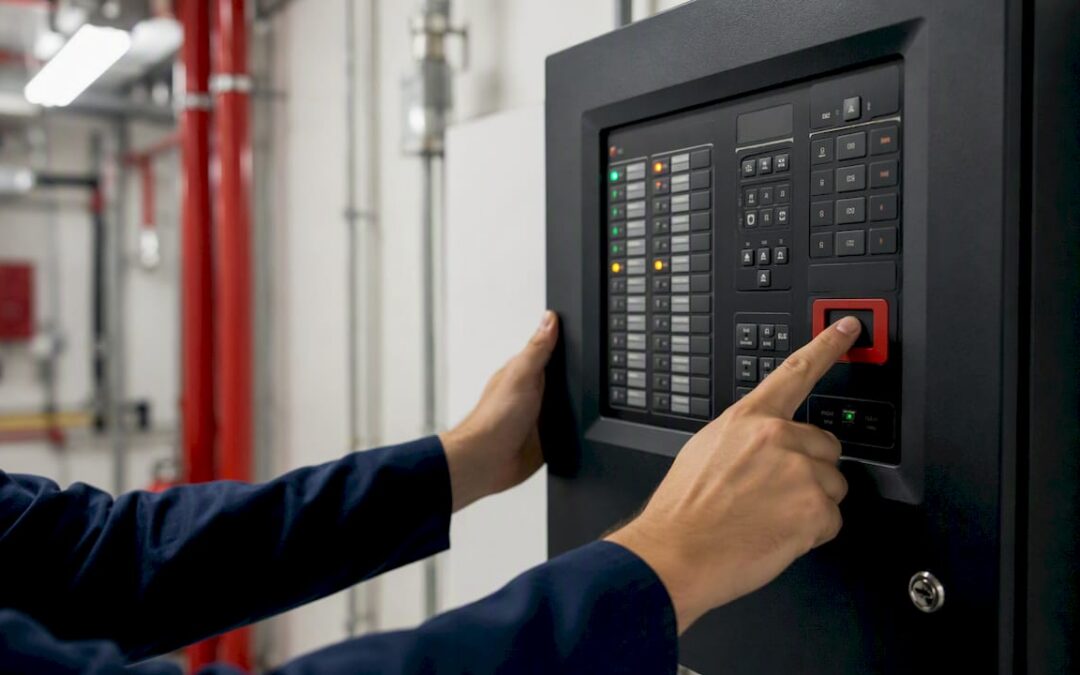
When a fire alarm activates or you confirm a fire, the sequence is this: verify the alarm panel and zone, order evacuation or investigate per your Emergency Action Plan (EAP), call 911, notify your fire-protection contractor, account for every occupant, and document...
by Sean Ellis | Aug 17, 2026 | Fire Protection
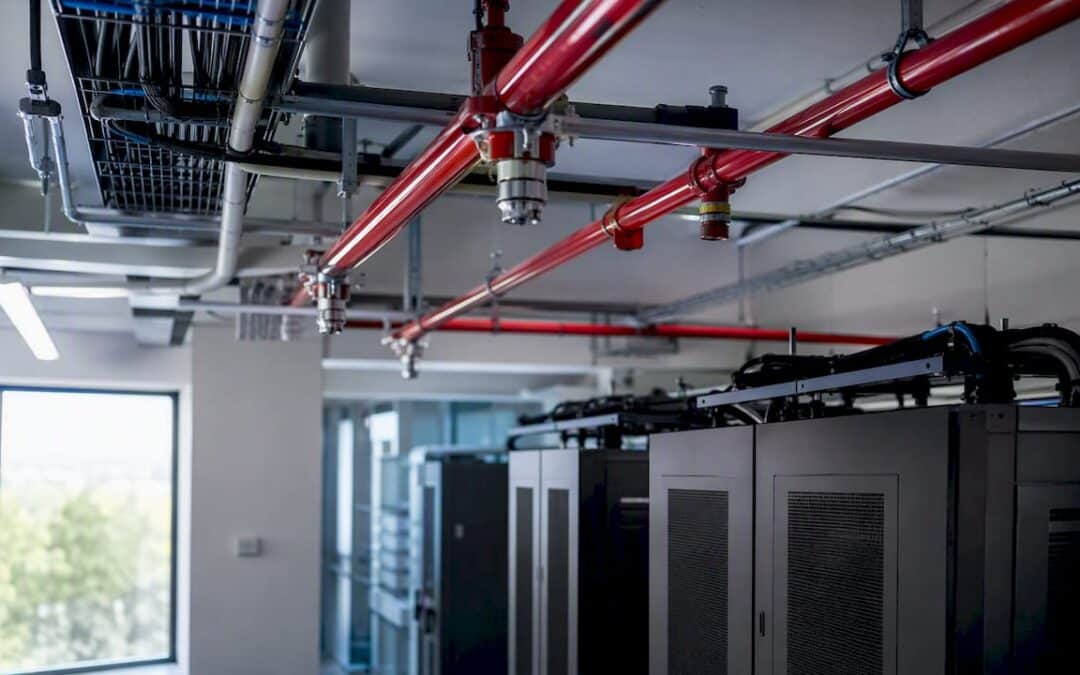
The right answer for most server rooms is a clean-agent or inert-gas total-flood suppression system, engineered to NFPA 2001 design criteria and backed by a documented risk analysis specific to that room. Anything less, a generic sprinkler retrofit, an off-the-shelf...
by Sean Ellis | Aug 16, 2026 | Fire Protection
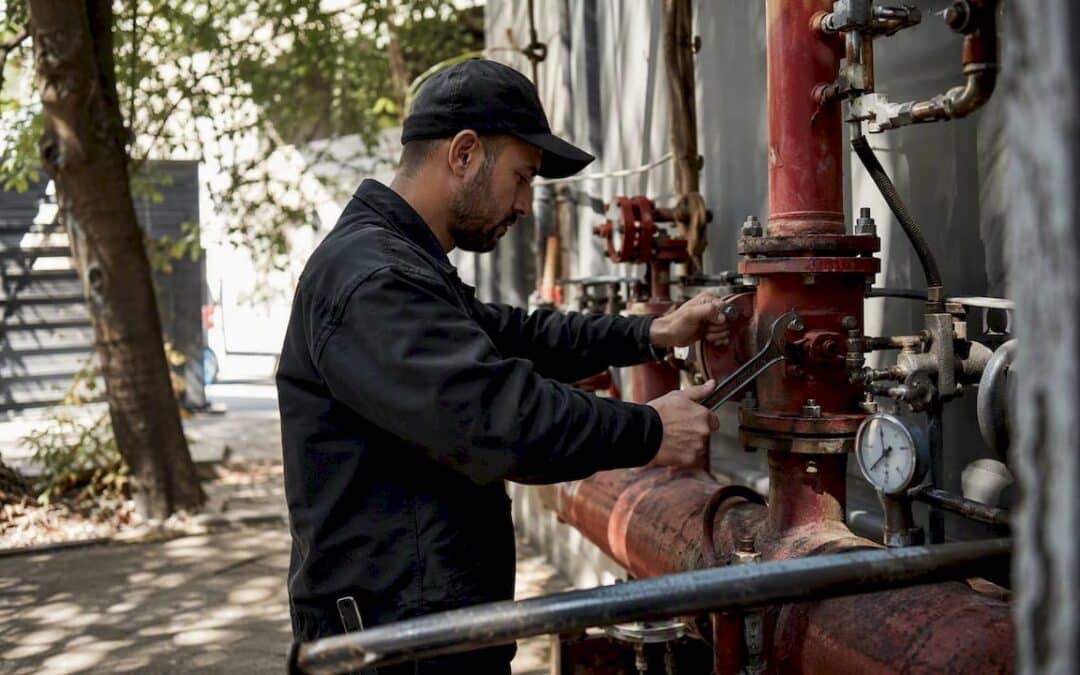
Regular equipment inspections materially reduce safety risk, unplanned downtime, and lifecycle cost while supporting compliance and insurance requirements. That is the short answer. The longer one involves a NIST analysis finding that reactive-maintenance-heavy...
by Sean Ellis | Aug 15, 2026 | Fire Protection
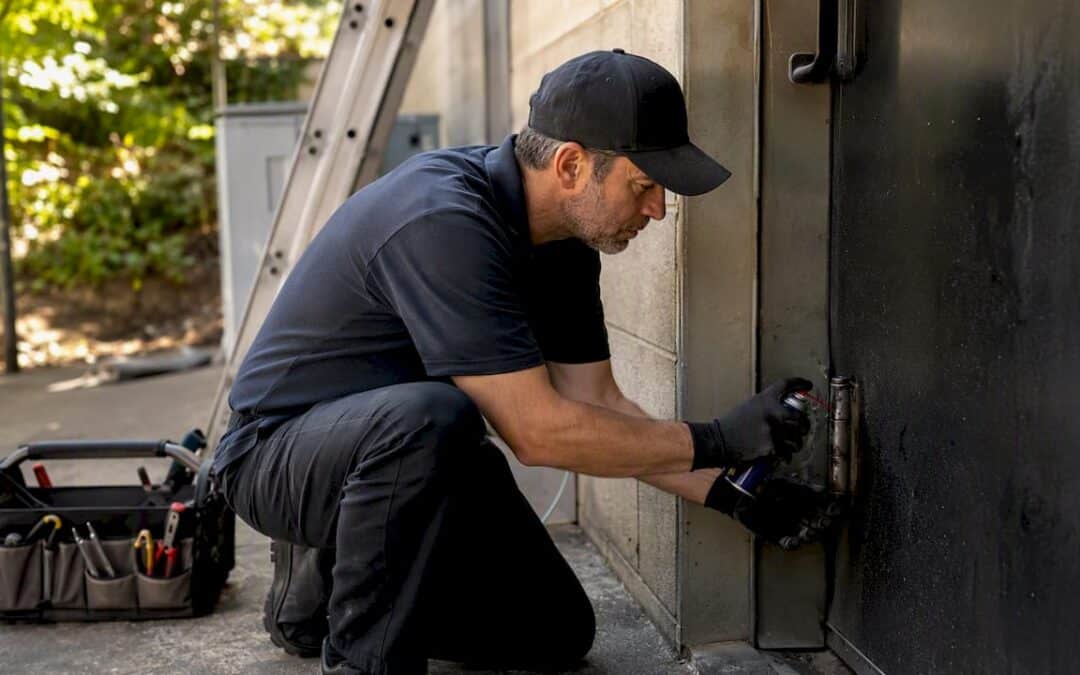
Routine maintenance is the scheduled set of inspections and simple service tasks that protect uptime, reduce cost, and extend asset life. For facility managers, it is the operational foundation that keeps everything else from becoming a crisis. Done consistently, it...
by Sean Ellis | Aug 14, 2026 | Fire Protection
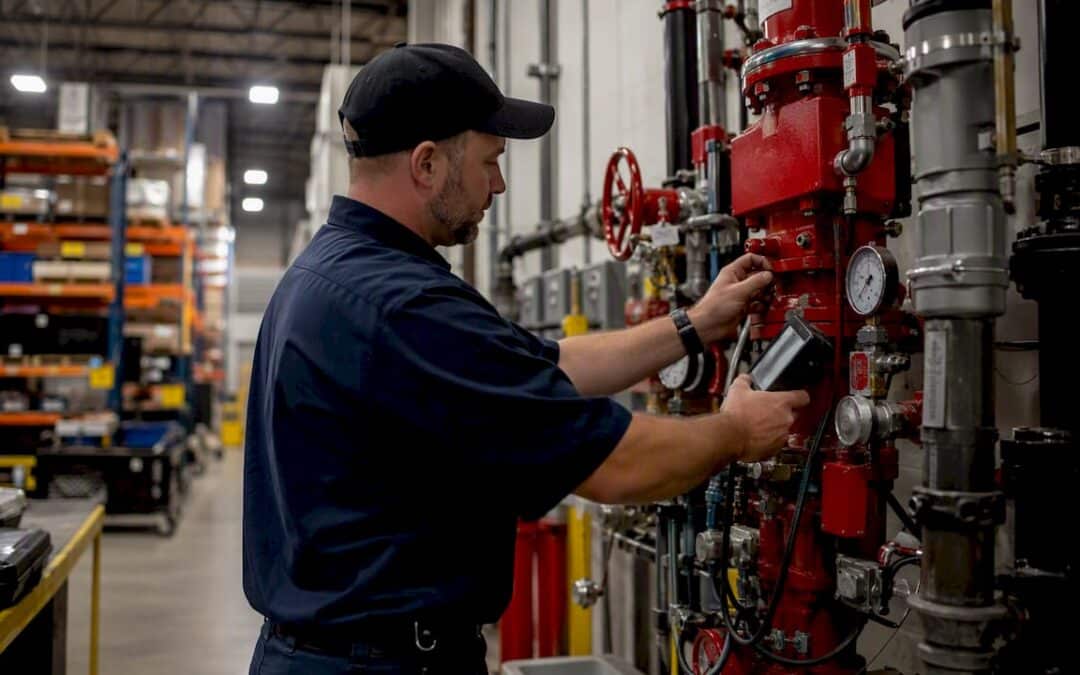
If you manage a building with fire protection equipment, the single most important thing you can do this week is pull your last annual inspection report and confirm it’s signed, dated, and issued by a certified technician. Annual system tests verify that your fire...