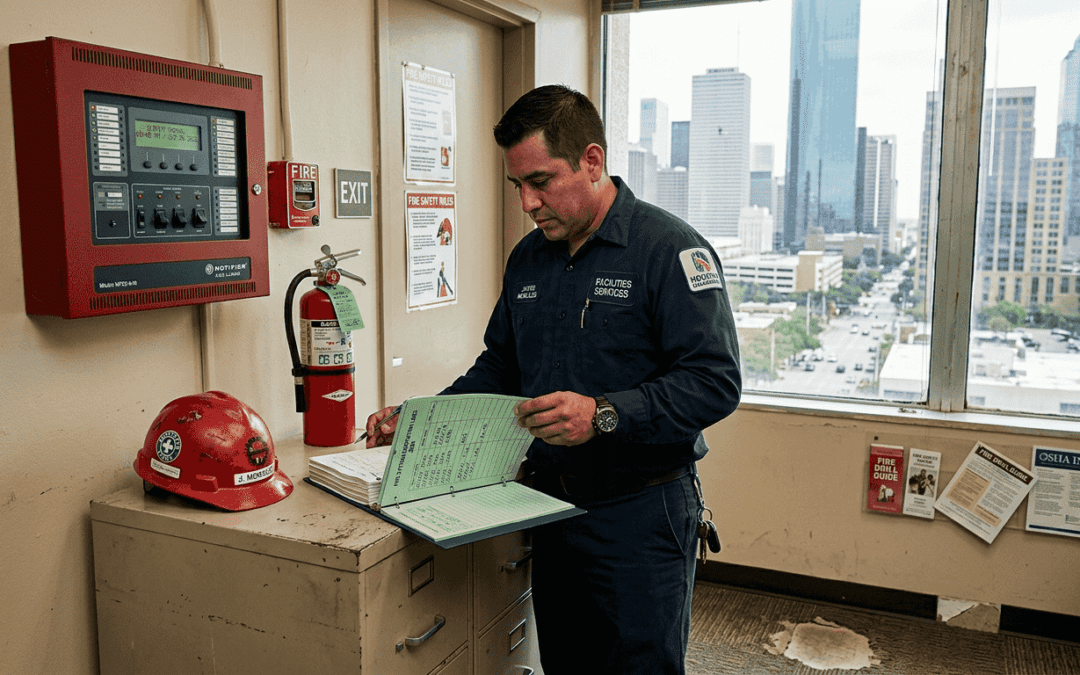
Texas businesses with fire safety certifications see an average 25% reduction in insurance premiums, yet many property managers still view certification as merely a compliance box to check. This guide clarifies how fire safety certifications function as powerful risk management tools, delivering tangible operational advantages while ensuring regulatory compliance. You’ll discover the practical role certifications play in protecting your facilities, reducing costs, and strengthening your safety posture across Texas commercial properties.
Table of Contents
- Understanding Fire Safety Certifications: What They Are And Why They Matter
- Regulatory Landscape In Texas: Compliance Requirements For Fire Safety Certifications
- How Certifications Enhance Risk Mitigation And Facility Safety
- Business Benefits: Insurance, Liability, And Operational Advantages Of Certification
- Common Misconceptions About Fire Safety Certifications
- Comparing Key Fire Safety Certifications: A Practical Framework For Texas Managers
- Maintaining Certification Compliance: Steps To Ensure Ongoing Fire Safety
- Real-World Impact: Case Studies Demonstrating Certification Benefits In Texas Facilities
- Explore Reliable Certified Fire Safety Solutions Tailored For Texas Businesses
Key takeaways
| Point | Details |
|---|---|
| Certification types | Texas mandates fire alarm, sprinkler, and suppression system certifications aligned with NFPA standards for legal compliance. |
| Regulatory enforcement | Texas State Fire Marshal enforces annual inspection and certification requirements with penalties for noncompliance. |
| Business benefits | Certified systems reduce insurance premiums by 25% on average and lower liability exposure through documented compliance. |
| Risk mitigation | Certified technicians significantly reduce system failure rates through proper installation and ongoing maintenance protocols. |
| Ongoing responsibility | Certification requires annual renewals, detailed recordkeeping, and engagement with qualified professionals to maintain validity. |
Understanding fire safety certifications: what they are and why they matter
Fire safety certification is official verification that your fire protection systems and the technicians servicing them meet established safety standards. Think of it as a quality seal confirming that your fire alarm, sprinkler, or suppression system was installed correctly and receives proper maintenance from qualified professionals.
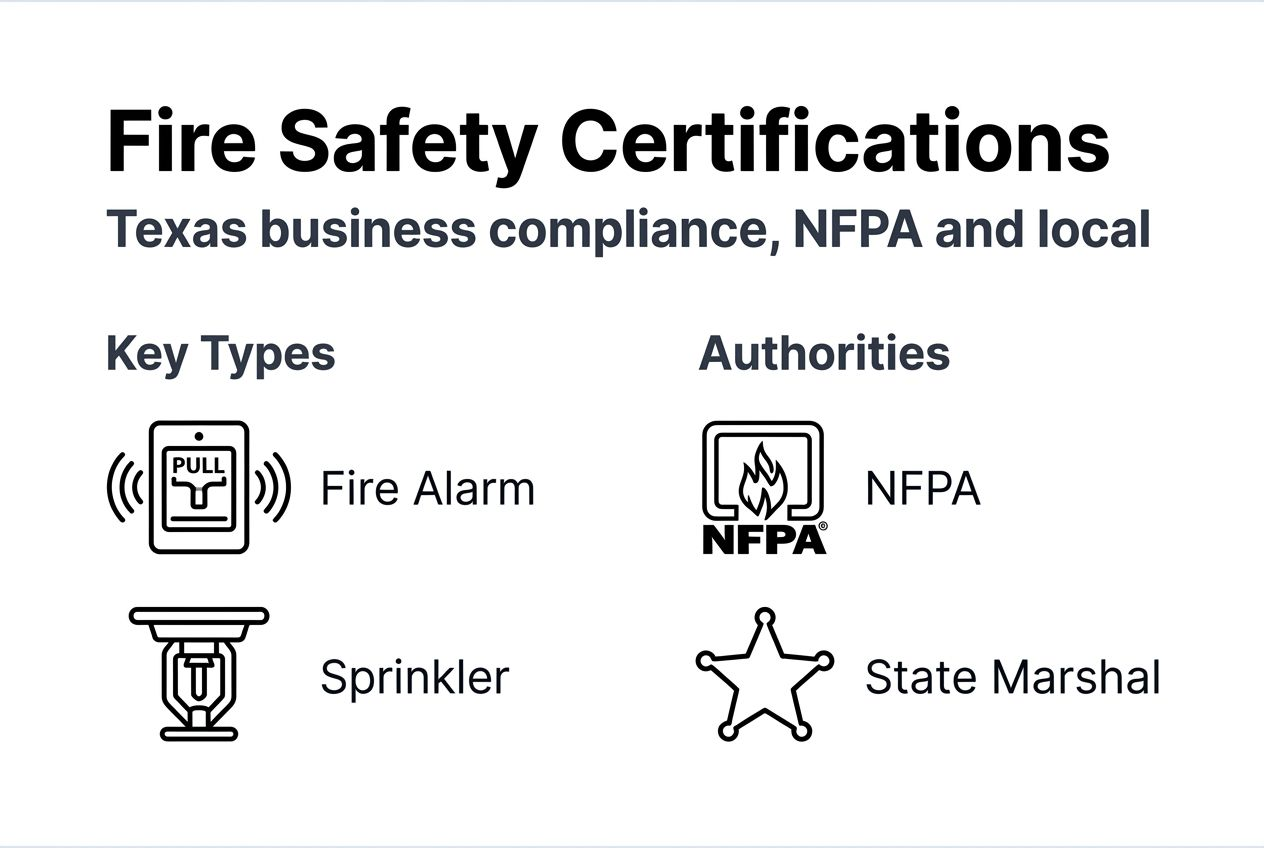
Texas commercial facilities primarily deal with three certification types. Fire alarm system certifications verify that detection and notification equipment operates reliably. Sprinkler system certifications confirm water-based suppression meets performance standards. Fire suppression system certifications validate specialized extinguishing systems for kitchens, server rooms, and industrial spaces. Each certification ties directly to NFPA standards, the national benchmark integrated into Texas regulations governing fire safety equipment and practices.
These certifications serve a purpose far beyond paperwork. They ensure qualified installation, reducing the risk of system failures during emergencies. Regular certification renewals mandate ongoing inspections, catching issues before they compromise safety. Certified technicians receive training on evolving technologies and protocols, keeping your protection systems current with best practices.
When selecting fire protection certification authorities, verify they hold recognized credentials from NFPA or Texas State Fire Marshal. Your facility’s safety depends on legitimate certification, not superficial documentation.
Pro Tip: Request certification documentation from any fire safety provider before engaging their services. Legitimate professionals provide credentials immediately and welcome verification of their qualifications.
Regulatory landscape in Texas: compliance requirements for fire safety certifications
The Texas State Fire Marshal mandates NFPA standard enforcement and certification for fire equipment installation and maintenance across commercial properties. This state authority oversees compliance with the Texas Fire Prevention Code, which incorporates national fire safety standards and adds state-specific requirements tailored to regional risks.
Texas law establishes clear obligations for facility managers:
- Fire protection system installation must be performed by certified technicians authorized by the state
- Annual maintenance inspections require certification and detailed documentation for compliance audits
- System modifications or upgrades trigger recertification requirements to validate proper integration
- Facilities must maintain accessible records proving current certification status for all fire safety equipment
Noncompliance carries significant consequences. Facilities operating without proper certification face penalties, potential closure orders during inspections, and increased liability if fire incidents occur. Insurance companies regularly request certification proof, and gaps in documentation can void coverage or trigger premium increases.
Understanding Texas fire safety regulations helps you navigate these requirements efficiently. The Texas Department of Insurance provides resources outlining specific mandates for different facility types, from office buildings to industrial warehouses. Your certification obligations scale with building size, occupancy levels, and fire risk factors unique to your operations.
Staying ahead of regulatory changes protects your business. Texas updates fire safety codes periodically, and certified professionals keep current with amendments affecting your compliance status.
How certifications enhance risk mitigation and facility safety
Certification directly impacts your facility’s fire safety performance through multiple mechanisms. Certified technicians reduce fire protection system failure rates significantly through proper installation and maintenance, according to NFPA maintenance studies. This expertise translates to reliable performance when emergencies strike.
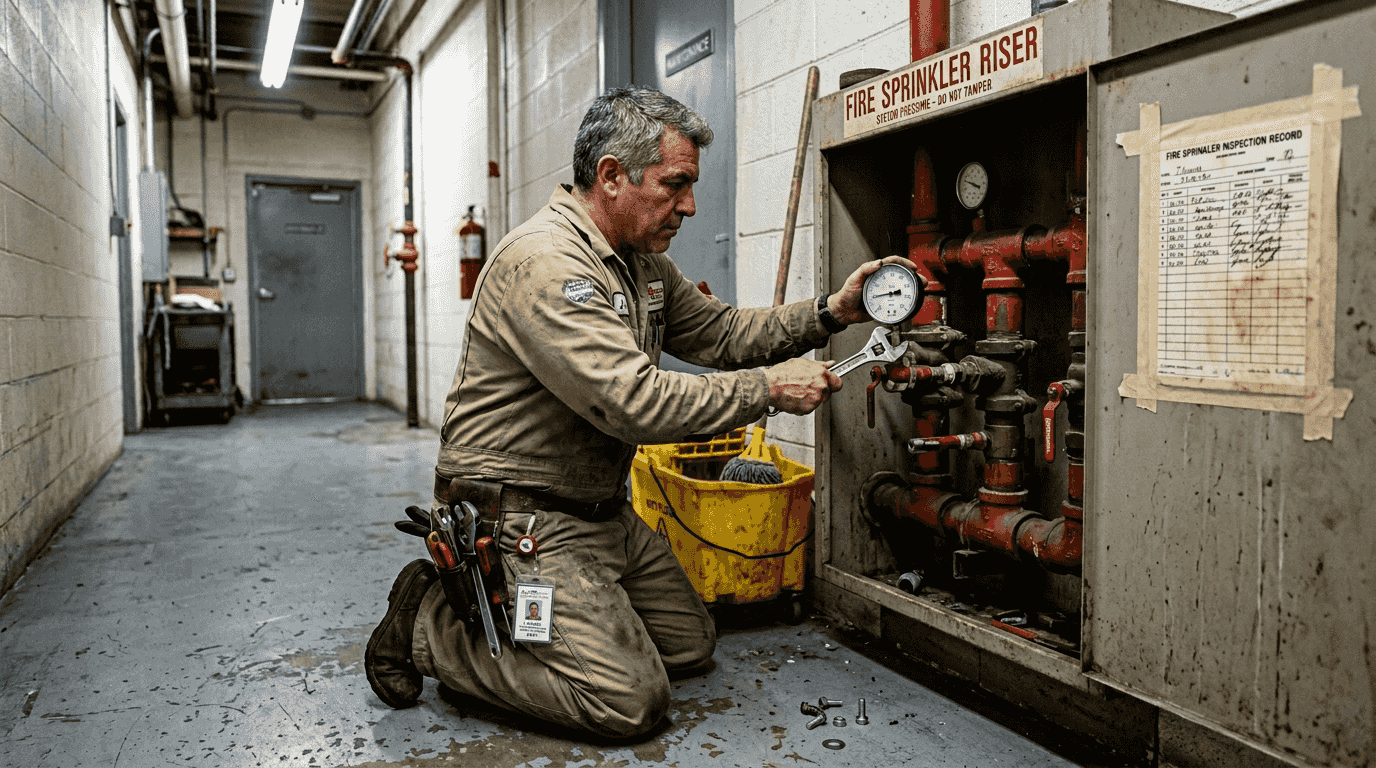
Training requirements for certified professionals cover advanced fire safety technologies and evolving protocols. They learn proper testing procedures, troubleshooting techniques, and integration methods for complex systems. This knowledge prevents common installation errors that compromise system effectiveness.
Regular inspection and certification renewals create accountability structures preventing neglect. Systems receive scheduled maintenance rather than reactive repairs after failures. Technicians document testing results, creating audit trails that identify deteriorating components before they fail. This proactive approach dramatically reduces emergency response time when fires occur.
“Certification fosters consistent maintenance schedules, establishing rhythms that catch problems early. Facilities with certified maintenance contracts experience fewer surprise failures and costly emergency repairs.”
Improved system reliability delivers measurable safety improvements:
- Early detection capabilities increase through properly calibrated sensors and notification devices
- Suppression systems activate reliably when needed, containing fires before they spread
- Emergency egress systems function correctly, protecting occupants during evacuations
- Integration between fire safety components ensures coordinated responses to threats
The connection between certification and fire alarm maintenance benefits becomes clear when you examine failure data. Facilities without certified maintenance experience significantly higher false alarm rates, system malfunctions, and inspection failures.
Pro Tip: Schedule certification inspections during slower business periods to minimize disruption. Certified technicians can often coordinate testing to avoid interfering with critical operations while maintaining compliance schedules.
Business benefits: insurance, liability, and operational advantages of certification
Certified fire safety systems reshape your risk profile in ways insurance companies recognize and reward. Texas businesses with fire safety certifications see 25% average insurance premium reductions because insurers understand that proper certification correlates with lower claim frequency and severity. This financial benefit accumulates annually, offsetting certification costs through premium savings.
Liability protection represents another significant advantage. Proper certification demonstrates due diligence in maintaining safe facilities, strengthening your legal position if incidents occur. Courts and regulatory agencies view certification as evidence of responsible facility management, potentially reducing liability exposure in litigation scenarios.
Operational continuity improves when systems receive certified maintenance:
- Failed inspections that force operational shutdowns become rare with proper certification
- Emergency repairs disrupting business decrease as preventive maintenance catches issues early
- Compliance audits proceed smoothly when documentation proves current certification status
- Employee confidence increases knowing fire safety systems meet professional standards
“Certification supports uninterrupted operations by minimizing shutdowns from system faults or regulatory violations. The cost of downtime typically exceeds certification expenses many times over.”
Workplace safety improvements reduce workers’ compensation claims and protect employee wellbeing. Reliable fire safety systems create confidence that facilities provide adequate protection, supporting recruitment and retention efforts. Many employees now research workplace safety records before accepting positions, making certification a competitive advantage in tight labor markets.
The business case for fire safety business benefits extends beyond direct cost savings. Certification signals professionalism to clients, partners, and stakeholders. Facilities with documented safety commitments attract quality tenants and customers who value risk mitigation.
Common misconceptions about fire safety certifications
Many Texas managers hold misunderstandings about certification that undermine their fire safety strategies. Addressing these misconceptions helps you maximize certification value and avoid compliance gaps.
The most dangerous myth suggests that certification alone guarantees full safety without ongoing maintenance. Certification validates systems at specific points in time, but equipment degrades between inspections. Regular maintenance between certification renewals remains essential for continuous protection. Think of certification as periodic health checkups, while daily care keeps systems functioning reliably.
Another common error assumes non-certified personnel can deliver equivalent safety outcomes at lower costs:
- Uncertified technicians lack training in current codes and best practices
- Their work may void equipment warranties and insurance coverage
- Liability shifts to facility managers when unauthorized personnel service systems
- Hidden costs emerge when improperly maintained systems fail inspections or emergencies
Some managers treat certification as a one-time achievement rather than an ongoing process. Texas mandates annual renewals with updated testing and documentation. Letting certifications lapse creates compliance gaps that expose facilities to penalties and increased risks. Renewal schedules exist because fire safety technology and standards evolve continuously.
Cost-cutting by bypassing certified technicians backfires when considering total expenses. Initial savings disappear when systems fail inspections, require emergency repairs, or contribute to preventable fire damage. Insurance companies may deny claims if investigations reveal maintenance was performed by uncertified personnel.
Pro Tip: Budget for certification as a fixed operational expense rather than a discretionary cost. This approach ensures consistent compliance and prevents the false economy of deferred maintenance.
Understanding proper inspection and maintenance guidance helps you establish realistic expectations for certification requirements and avoid these common pitfalls that compromise facility safety.
Comparing key fire safety certifications: a practical framework for Texas managers
NFPA certifications set national technical standards, while Texas State Fire Marshal certifications focus on legal compliance, creating a certification landscape with distinct but complementary credentials. Understanding differences helps you engage the right professionals and meet all applicable requirements.
| Certification Type | Primary Authority | Scope | Renewal Frequency | Compliance Impact |
|---|---|---|---|---|
| NFPA Technician Certification | National Fire Protection Association | Technical competency in system installation, testing, and maintenance | Varies by credential level (typically 3-5 years) | Establishes professional qualifications recognized across states |
| Texas State Fire Marshal License | Texas Department of Insurance | Legal authorization to perform fire safety work in Texas | Annual renewal with continuing education | Mandatory for legal compliance in Texas commercial facilities |
| Insurance Company Certifications | Individual insurers | Risk assessment focused on premium calculations | Varies by insurer policy | Directly affects insurance costs and coverage terms |
| Manufacturer Certifications | Equipment manufacturers | Product-specific installation and service training | Varies by manufacturer and product line | Often required to maintain equipment warranties |
NFPA certification demonstrates technical expertise through rigorous testing of knowledge and skills. Technicians holding NFPA credentials understand system design principles, testing protocols, and troubleshooting methods applicable across equipment brands. These nationally recognized certifications provide portability as professionals move between states or companies.
Texas State Fire Marshal certification addresses state-specific legal requirements:
- Authorizes individuals to perform fire safety work within Texas jurisdiction
- Requires knowledge of Texas Fire Prevention Code and local amendments
| Mandates continuing education to maintain current authorization - Creates legal accountability through state oversight and enforcement
Insurance company certifications focus on risk factors affecting premium calculations. Insurers may require specific testing frequencies, documentation formats, or inspection protocols beyond minimum legal requirements. Meeting these standards unlocks premium discounts and favorable coverage terms.
Manufacturer certifications ensure technicians understand proper installation and maintenance for specific equipment brands. Complex systems like advanced detection technology or specialized suppression equipment often require manufacturer training for warranty validity.
Your facility likely needs multiple certification types covering different aspects of fire safety. Working with certification authority comparison resources helps identify which credentials your service providers must hold for comprehensive compliance and optimal system performance.
Maintaining certification compliance: steps to ensure ongoing fire safety
Achieving and maintaining fire safety certification requires systematic processes that integrate into your facility management practices. These practical steps establish sustainable compliance protecting your Texas business.
- Identify all fire safety certifications your facility requires based on building type, occupancy, and installed systems. Review Texas State Fire Marshal requirements and consult with certified professionals to ensure complete understanding of obligations.
- Engage qualified fire safety professionals holding appropriate certifications for your systems. Verify credentials before signing service contracts and confirm coverage includes all equipment requiring certification.
- Schedule annual inspections and testing aligned with Texas mandated annual certification inspections and renewals requiring documented testing and recordkeeping. Book these appointments well in advance to avoid scheduling conflicts during busy periods.
- Maintain organized records proving current certification status for all fire protection equipment. Create digital and physical backups, ensuring accessibility during audits or insurance reviews. Documentation should include inspection reports, testing results, and certification renewal confirmations.
- Implement automated reminders tracking certification expiration dates and inspection schedules. Many facilities use calendar systems or facility management software to alert managers 60-90 days before renewals come due, preventing lapses.
- Conduct quarterly internal reviews confirming systems remain operational between certified inspections. While these reviews don’t replace professional certification, they catch obvious issues requiring immediate attention.
- Budget adequately for certification expenses as recurring operational costs rather than unexpected charges. Include provisions for potential repairs or upgrades identified during inspections.
- Establish relationships with certified providers offering emergency services if systems fail between scheduled inspections. Quick response capabilities minimize downtime and maintain continuous protection.
Pro Tip: Partner with certified providers offering comprehensive service contracts covering routine inspections, emergency repairs, and compliance documentation. These arrangements simplify certification management while ensuring consistent professional oversight.
Understanding the certification renewal process helps you anticipate requirements and avoid last-minute compliance scrambles. Proactive management transforms certification from a burden into a routine aspect of responsible facility operations.
Real-world impact: case studies demonstrating certification benefits in Texas facilities
Texas commercial facilities implementing comprehensive certification programs demonstrate measurable improvements in safety performance, operational efficiency, and cost management. These real-world outcomes validate the business case for proper fire safety certification.
A Houston office complex reduced fire-related equipment downtime by 40% after transitioning to certified maintenance providers. Previous uncertified service resulted in frequent false alarms, failed inspections, and emergency repairs disrupting tenant operations. Certified technicians identified deteriorating components during routine inspections, replacing them before failures occurred.
A Dallas warehouse facility avoided $50,000 in penalties by maintaining current certifications during a surprise state inspection. The facility manager’s organized documentation and certified maintenance records demonstrated compliance, while neighboring facilities without proper certification received violation notices requiring immediate remediation.
Certified facilities consistently report smoother insurance claim processes following fire incidents:
- Insurance adjusters expedite claims when certification documentation proves proper maintenance
- Premium increases after claims remain lower for facilities demonstrating ongoing compliance
- Some insurers waive deductibles for certified facilities meeting enhanced safety standards
- Liability settlements favor facilities showing certification and maintenance due diligence
A San Antonio manufacturing plant achieved ISO certification partly through documented fire safety compliance. The certification audit team noted comprehensive fire protection records as evidence of operational excellence, strengthening the facility’s competitive position for major contracts requiring ISO credentials.
Employee safety perceptions improved at facilities implementing visible certification programs. Annual safety surveys showed increased confidence in emergency preparedness, contributing to higher retention rates in competitive labor markets. Several facilities reported that emphasizing certified fire safety during recruitment attracted higher-quality candidates prioritizing workplace safety.
These examples from fire safety case studies texas demonstrate that certification delivers returns exceeding initial investment through multiple channels. The combination of reduced insurance costs, avoided penalties, operational continuity, and liability protection creates compelling financial justification for comprehensive certification programs.
Explore reliable certified fire safety solutions tailored for Texas businesses
Now that you understand certification’s critical role in protecting your Texas facilities, exploring professional fire safety solutions helps you implement these insights effectively. Certified systems and expert maintenance transform compliance obligations into competitive advantages through reduced risks and operational costs.
Learn how fire alarm systems overview technology integrates with certification requirements to deliver reliable detection and notification. Understanding system components helps you make informed decisions about equipment selection and maintenance priorities.
Discover comprehensive guidance on fire sprinkler system compliance workflows ensuring your suppression systems meet Texas standards while optimizing performance. Proper sprinkler certification protects occupants and property while satisfying regulatory mandates.
Explore detailed fire safety inspection guide resources clarifying what certified inspections entail and how to prepare your facilities for successful compliance reviews. Preparation reduces inspection time and ensures thoroughness.
Professional certified fire safety services provide expertise maintaining compliance while freeing your team to focus on core business operations. Partnering with qualified providers transforms certification from a regulatory burden into a strategic asset enhancing safety, reducing costs, and protecting your Texas business interests.
FAQ
What types of fire safety certifications are mandatory in Texas?
Texas mandates certification for fire alarm, sprinkler, and suppression system installers and maintenance aligned with NFPA standards. Certified technicians and annual inspections are legally required under Texas fire safety requirements enforced by the State Fire Marshal. Facilities must maintain documentation proving current certification status for compliance audits.
How often must fire safety certifications be renewed in Texas?
Texas requires annual fire safety certification inspections and renewals with detailed testing and documentation. Maintaining timely renewals is essential to avoid penalties and compliance gaps. Review certification renewal procedures to understand specific testing requirements and documentation standards your facility must meet.
Can uncertified personnel legally perform fire safety maintenance in Texas?
Only certified technicians authorized by Texas State Fire Marshal can legally install and maintain fire safety systems. Uncertified personnel performing such work risks noncompliance and potential fines. Using unauthorized service providers may also void equipment warranties and insurance coverage, increasing your liability exposure.
How do fire safety certifications impact insurance premiums for Texas businesses?
Certified fire safety systems lower risk profiles, leading insurers to offer reduced premiums to compliant businesses. Fire safety certifications correlate with an average 25% reduction in insurance premiums. This benefit incentivizes maintaining up-to-date certifications and demonstrates tangible financial returns on certification investments. Explore insurance savings from certification to maximize these benefits.