Selecting the right fire safety measures for your Texas business is complex. Thousands of Texas businesses face preventable fire incidents annually with significant losses, yet many struggle to implement compliant, effective protection strategies. This guide delivers actionable best practices covering equipment standards, employee training protocols, hazard prevention tactics, and regulatory compliance to help you safeguard your property and occupants while meeting Texas legal requirements.
Table of Contents
- Selection Criteria For Effective Fire Safety Practices
- Essential Fire Safety Equipment And Maintenance Best Practices
- Employee Fire Safety Training And Fire Drill Protocols
- Hazard Prevention Strategies And Fire Risk Reduction
- Inspection, Compliance, And Fire Safety Regulation In Texas
- Comparison Of Fire Suppression And Detection Systems
- Situational Recommendations For Implementing Fire Safety Best Practices
- Enhance Your Texas Business Fire Safety With Reliable Solutions
Key takeaways
| Point | Details |
|---|---|
| Compliance is mandatory | NFPA 101 and Texas Fire Marshal codes govern all commercial fire safety requirements. |
| Equipment maintenance prevents failures | Regular inspection schedules and proper installation ensure operational readiness during emergencies. |
| Employee training saves lives | Documented fire prevention plans and quarterly drills with designated wardens improve evacuation outcomes. |
| Hazard prevention reduces risk | Electrical cord management, flammable storage controls, and housekeeping eliminate common ignition sources. |
| Tailored solutions vary by property | Small offices, warehouses, and high rises require different combinations of alarms, sprinklers, and suppression systems. |
Selection criteria for effective fire safety practices
Choosing fire safety measures for your Texas business requires evaluating multiple factors beyond basic equipment installation. The right combination protects lives, satisfies legal obligations, and fits your operational budget.
Compliance with Texas fire safety regulations is your first non-negotiable criterion. The Texas State Fire Marshal’s Office uses NFPA 101 Life Safety Code for inspections, making adherence crucial for avoiding penalties and maintaining occupancy permits. Review Texas State Fire Marshal codes specific to your property classification before purchasing any equipment.
Effectiveness in hazard prevention and fire suppression determines real-world outcomes. Systems must detect fires early, alert occupants immediately, and either suppress flames or facilitate safe evacuation. Consider your property’s unique risks like cooking equipment, flammable storage, or high occupancy areas when evaluating detection and suppression capabilities.
Maintenance ease and inspection frequency directly impact long-term costs and reliability. Equipment requiring monthly checks versus annual reviews affects staffing needs and contractor expenses. Systems with complex components may need specialized technicians, while simpler solutions allow in-house maintenance.
Integration with employee training programs improves overall safety performance. Equipment is only effective when your team knows how to use it correctly during emergencies. Choose systems that align with your training capacity and staff expertise levels.
Cost and scalability must match your business size and growth plans. Initial installation expenses, ongoing maintenance contracts, and potential expansion needs all factor into total ownership costs. Budget-conscious businesses can phase implementation, starting with essential alarms and extinguishers before adding advanced suppression systems.
Pro Tip: Document your selection criteria and decision rationale to demonstrate due diligence during inspections and insurance reviews.
Essential fire safety equipment and maintenance best practices
Proper equipment installation and maintenance form the foundation of Texas business fire safety compliance. Understanding mandatory standards ensures your systems function reliably when needed most.
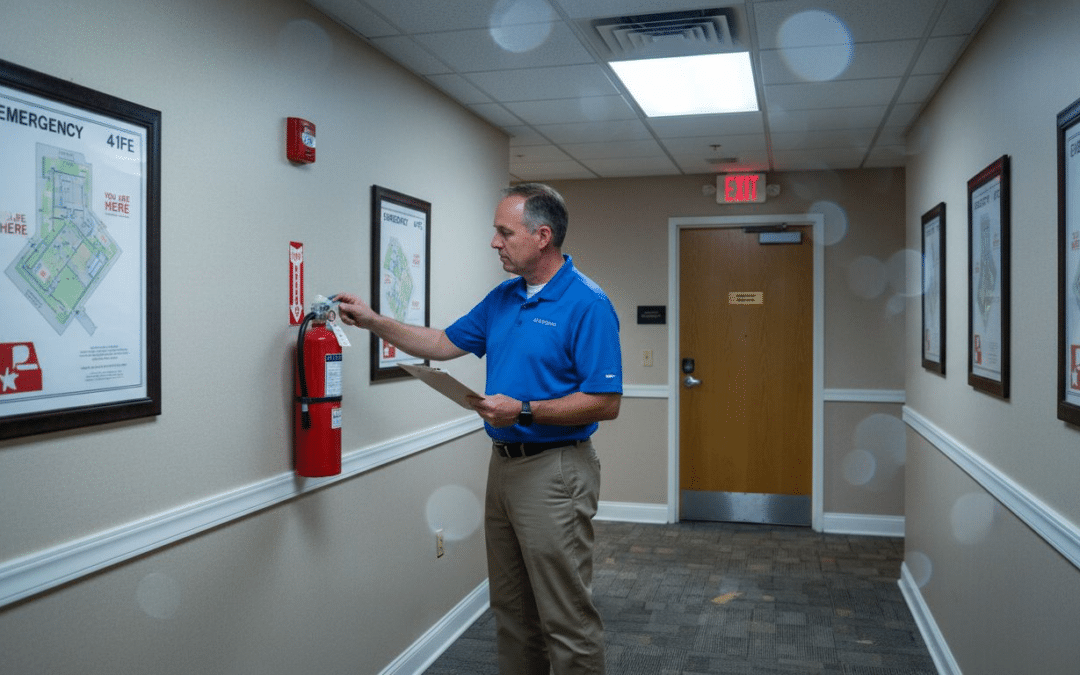
Fire extinguishers serve as your first line of defense for small fires. Fire extinguishers require annual inspection and clear placement within 36-inch radius without obstruction, with visible date tags confirming service completion. Mount units at accessible heights, typically 3.5 to 5 feet from the floor, and ensure employees know locations and operation procedures. Follow fire extinguisher inspection guidelines for monthly visual checks and annual professional servicing.
Sprinkler systems provide automatic suppression but require proper clearance to function effectively. Sprinkler heads must maintain 18 inches clearance from storage and ceiling obstructions to distribute water properly during activation. Inspect heads quarterly for corrosion, paint, or physical damage that could impair operation. Schedule annual flow tests and backflow preventer certification to verify system pressure and prevent contamination.
Fire alarm systems need regular testing to ensure reliable detection and notification. Test smoke detectors monthly using manufacturer-approved methods, and replace batteries or units per code requirements. Verify alarm audibility throughout your facility, especially in noisy work areas or multi-story buildings. Maintain detailed logs of all tests and repairs for inspection documentation.
Flammable material storage requires approved containers and separation from ignition sources. Store liquids in clearly labeled metal cabinets with self-closing doors, positioned away from electrical panels and heat-producing equipment. Limit quantities to operational needs, and ensure adequate ventilation in storage areas.
Routine maintenance schedules prevent equipment failures during critical moments. Implementing fire system maintenance best practices through scheduled inspections catches problems before they compromise safety. Create maintenance calendars that track all equipment service dates, test results, and corrective actions.
Pro Tip: Color-code equipment inspection tags by quarter to quickly identify overdue maintenance during walk-throughs.
Employee fire safety training and fire drill protocols
Equipment alone cannot prevent fire losses without trained employees who know how to respond effectively. Texas regulations mandate specific training requirements that improve outcomes during actual emergencies.
Employers with 11+ employees must maintain a written fire prevention plan per OSHA standard 29 CFR 1910.39, documenting hazards, prevention procedures, and emergency response protocols. Your plan should identify fire hazards specific to your operations, outline control measures, and assign responsibilities for equipment maintenance and emergency coordination.
Regularly scheduled fire drills build muscle memory for evacuation procedures. Regular fire drills with trained fire wardens improve evacuation speed and safety; monthly or quarterly recommended in Texas workplaces, creating opportunities to identify bottlenecks and refine procedures. Time each drill, document participation, and address problems like blocked exits or confused employees.

Clearly defined roles such as fire wardens facilitate organized evacuation during high-stress situations. Designate wardens for each floor or department, training them to sweep areas, assist mobility-impaired occupants, and account for all personnel at assembly points. Rotate responsibilities to ensure coverage during absences.
Comprehensive training covers hazard recognition, equipment use, and emergency communication protocols. Employees should identify potential fire risks in their work areas, operate extinguishers correctly for small fires, and know when to evacuate instead of fighting flames. Teach proper 911 communication, including building address, fire location, and occupant status.
Documentation of training sessions and drill results maintains compliance and identifies improvement areas. Use employee fire safety training checklists to track attendance, topics covered, and employee acknowledgment. Store records for inspection review and insurance verification.
Review OSHA fire prevention plan requirements annually and update your plan when operations change, new hazards emerge, or employees raise safety concerns.
Hazard prevention strategies and fire risk reduction
Proactive hazard control eliminates fire sources before ignition occurs, providing the most cost-effective risk reduction strategy for Texas businesses.
Electrical system management prevents one of the most common workplace fire causes. Electrical issues cause many workplace fires; managing cords, outlets, and equipment maintenance is key to prevention. Inspect power cords monthly for fraying, cracking, or exposed wires, replacing damaged items immediately. Avoid daisy-chaining extension cords or overloading outlets, and ensure proper grounding for all equipment.
Flammable liquid storage requires approved containers and strategic placement away from heat sources. Flammable materials should be stored in approved cabinets 36 inches from heat sources to reduce ignition risk. Limit storage quantities to operational needs, maintain clear labeling with hazard warnings, and ensure adequate ventilation in storage areas. Never store chemicals near electrical panels or emergency equipment.
Good housekeeping practices prevent combustible waste accumulation that fuels rapid fire spread. Empty trash daily, especially containers with oily rags, paper, or packaging materials. Keep work areas clear of clutter, maintaining separation between stored materials and potential ignition sources like heaters or machinery.
Heat-producing machinery requires scheduled maintenance to prevent malfunction fires. Clean lint from dryers, grease from cooking equipment, and dust from motors following manufacturer intervals. Monitor equipment for unusual heat, smells, or sounds that indicate developing problems.
Formal hazard identification programs engage employees in spotting and reporting fire risks. Conduct quarterly walk-throughs using standardized checklists, document findings, and implement corrective actions promptly. Review hazard prevention protocols for systematic risk assessment methods.
Consult resources on managing electrical fire hazards for detailed prevention strategies specific to your industry and equipment types.
Inspection, compliance, and fire safety regulation in Texas
Texas fire safety inspections verify your compliance with equipment standards, exit requirements, and hazard controls, making preparation essential for maintaining legal standing.
Inspections by Texas State Fire Marshal or local authorities are required before occupancy and for ongoing compliance, with frequency varying by jurisdiction and property classification. High-risk occupancies like restaurants or manufacturing facilities may face quarterly reviews, while low-risk offices receive annual inspections. Contact your local fire marshal for specific schedules.
Inspectors verify multiple compliance areas during reviews. Equipment functionality checks confirm fire extinguishers, alarms, and sprinklers operate correctly with current service dates. Exit assessments ensure doors swing properly, paths remain clear, and signage is visible. Hazard evaluations examine flammable storage, electrical systems, and housekeeping practices.
Common violations include blocked exits and emergency equipment, missing or expired inspection tags, and inadequate documentation of maintenance activities. Obstructed exit doors, locked emergency hardware, and storage in exit corridors frequently trigger citations. Undocumented equipment maintenance raises questions about system reliability.
Maintaining clear records proves compliance and demonstrates due diligence. Organize inspection reports, equipment service logs, training records, and drill documentation in accessible files. Digital systems with automatic reminders help track upcoming deadlines.
Corrective actions must be implemented promptly to avoid penalties and protect occupants. Inspectors typically provide written findings with deadlines for fixes. Address critical violations immediately, and schedule follow-up inspections to verify completion. Understanding the Texas fire inspection process helps you prepare effectively.
Review detailed inspection requirements in Texas for your specific occupancy classification and local jurisdiction before your next scheduled inspection.
Comparison of fire suppression and detection systems
Selecting the optimal combination of fire protection systems requires understanding how different technologies perform across key criteria important to Texas businesses.
| System Type | Effectiveness | Installation Cost | Maintenance | Best Use Case |
|---|---|---|---|---|
| Sprinkler Systems | Reduce injury risk by 55% and property loss by 68% through automatic suppression | High initial investment, $3-$7 per sq ft | Quarterly inspections, annual flow tests | Large warehouses, manufacturing, multi-story buildings |
| Fire Alarm Systems | Early detection and occupant notification, no suppression capability | Moderate cost, $1-$3 per sq ft | Monthly detector tests, annual panel inspection | Small offices, retail, supplementing sprinklers |
| Fire Extinguishers | Initial fire control for small blazes before spreading | Low cost, $40-$150 per unit | Annual professional inspection, monthly visual checks | All occupancies, portable first response |
| Suppression Systems | Specialized protection for kitchens, server rooms, and chemical storage | High for specific applications, $2,000-$10,000+ | Semi-annual professional service | Commercial kitchens, data centers, special hazards |
Sprinkler systems provide the most comprehensive protection but require significant upfront investment and ongoing maintenance. The substantial reduction in injuries and property damage justifies costs for high-value properties or high-occupancy buildings where life safety is paramount.
Fire alarms offer cost-effective early warning but depend on human response for fire suppression. They work best when paired with trained employees, clear evacuation plans, and either sprinklers or strategically placed extinguishers for fire control.
Portable fire extinguishers are essential regardless of other systems installed, providing immediate response capability for small fires. Their low cost and simple maintenance make them suitable for every business type, though they require employee training for effective use.
Combination approaches provide layered protection addressing detection, suppression, and human response. Most Texas businesses benefit from alarms plus extinguishers as a baseline, adding sprinklers or specialized suppression systems based on occupancy risks and property value.
Learn more about fire suppression and detection system comparison to determine the right combination for your specific property and budget.
Situational recommendations for implementing fire safety best practices
Tailoring fire protection strategies to your specific property type, size, and operational needs maximizes safety while optimizing costs for Texas businesses.
Small retail stores and offices (under 5,000 sq ft) should prioritize fire alarm systems, portable extinguishers, and employee training as core protection. Install interconnected smoke detectors throughout the space, place ABC-rated extinguishers near exits and high-risk areas, and conduct quarterly evacuation drills. This baseline approach provides effective protection at manageable costs while meeting most code requirements.
Large warehouses and distribution centers need integrated sprinkler systems with fire alarms and professional maintenance contracts. The combination of automatic suppression, early detection, and expert servicing addresses the high property values and combustible inventory typical in these facilities. Implement clear aisle marking, maintain proper sprinkler clearances, and train material handlers on equipment locations.
High-rise office buildings require advanced sprinkler systems, voice evacuation alarms, and detailed emergency action plans coordinated with local fire departments. Multi-floor egress creates complex evacuation challenges that demand regular drills, designated floor wardens, and clear communication systems. Invest in annual third-party inspections to ensure all systems integrate properly.
Budget-conscious businesses can optimize safety through well-maintained alarms, strategic extinguisher placement, and frequent employee drills. Focus spending on code-required equipment first, then phase in additional protection as cash flow allows. Document all maintenance and training to demonstrate compliance during inspections.
Coordination with local fire departments enhances emergency response effectiveness. Invite fire officials for facility tours, share building layouts and hazard information, and participate in community safety programs. This relationship building improves response times and outcomes during actual emergencies.
Explore fire safety recommendations by business type for detailed guidance matching your specific property classification and operational risks.
Enhance your Texas business fire safety with reliable solutions
Implementing the fire safety best practices outlined in this guide requires expert equipment installation, ongoing maintenance, and compliance verification to protect your Texas business effectively.
Professional installation and maintenance of fire alarms and sprinklers ensure Texas compliance while maximizing system reliability during emergencies. Understanding how fire alarm systems work helps you make informed decisions about protection levels appropriate for your property. Following a proven fire sprinkler system workflow guarantees installations meet all code requirements.
Reliable Fire Protection offers expert guidance tailored to your business needs, from initial system design through ongoing inspection support. Our Houston-based team specializes in commercial fire safety solutions that balance compliance obligations with operational budgets. We help you select the right combination of alarms, sprinklers, extinguishers, and suppression systems for your specific property type and risks. Partner with experienced professionals who understand Texas fire codes and maintain the inspection readiness that protects your occupants and investment.
Frequently asked questions
What fire safety codes must Texas businesses follow?
Texas businesses must comply with NFPA 101 Life Safety Code as adopted by the Texas State Fire Marshal, plus local amendments specific to your jurisdiction. Requirements vary based on occupancy classification, building size, and operational hazards. Contact your local fire marshal for property-specific code applications.
How often should fire extinguishers be inspected in Texas businesses?
Annual professional inspections with dated service tags are mandatory for all fire extinguishers in Texas commercial properties. Additionally, conduct monthly visual checks to ensure extinguishers remain accessible, properly mounted, and show adequate pressure. Follow this fire extinguisher inspection guide for detailed monthly and annual procedures.
What are best practices for employee fire safety training?
Businesses with 11 or more employees must maintain written fire prevention plans documenting hazards, procedures, and responsibilities. Conduct quarterly or monthly fire drills with designated wardens who sweep areas and account for occupants. Use employee fire safety training best practices checklists to document all training sessions and drill results.
How can businesses prepare for Texas fire safety inspections?
Maintain organized records of all equipment inspections, maintenance activities, employee training sessions, and fire drill results in accessible files. Ensure exit paths and fire equipment remain unobstructed, with all systems functional and service tags current. Review this guide on preparing for fire safety inspections for comprehensive preparation strategies.