
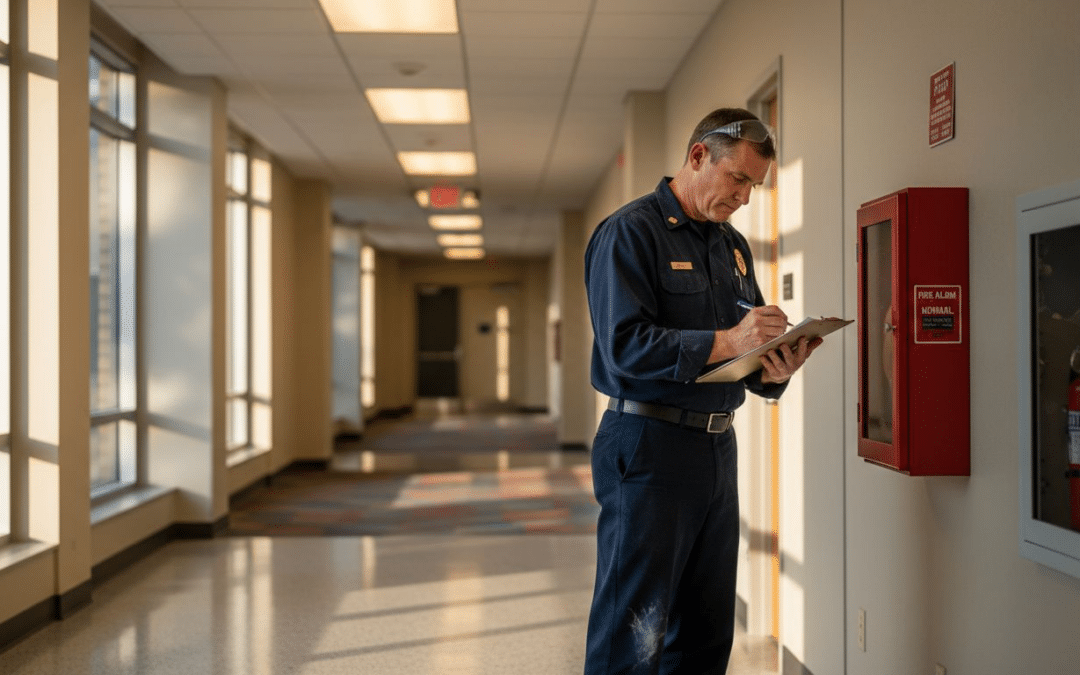
Navigating fire safety inspections in Texas can feel overwhelming. Between detailed state regulations, multiple equipment checks, and strict documentation requirements, property managers often struggle to ensure full compliance. This guide breaks down the entire process into clear, actionable steps that protect your property and reduce legal risks while keeping your tenants safe.
Table of Contents
- Prerequisites And Regulatory Requirements For Texas Fire Safety Inspections
- Step-By-Step Fire Safety Inspection Procedures In Texas
- Documentation And Reporting Best Practices For Compliance
- Troubleshooting Common Mistakes And How To Avoid Them
- Expected Outcomes, Timelines, And Benefits Of Regular Inspections
- How Reliable Fire Protection Can Support Your Texas Property Inspections
Key takeaways
| Point | Details |
|---|---|
| Preparation is essential | Gather tools, review Texas regulations, and understand your property’s fire risk classification before starting |
| Follow sequential inspections | Check extinguishers, alarms, exits, and sprinklers in order to avoid missing critical hazards |
| Document thoroughly | Use digital tools with timestamps and photos to create compliance-ready audit trails |
| Avoid common mistakes | Hidden risks and documentation gaps cause most inspection failures in Texas properties |
| Regular inspections pay off | Consistent checks reduce fire risks by measurable percentages and minimize legal penalties |
Prerequisites and regulatory requirements for Texas fire safety inspections
Before you start inspecting, you need the right foundation. Proper preparation saves time and ensures you meet every requirement.
Start by reviewing your previous inspection reports and current fire safety plans. These documents reveal patterns, recurring issues, and baseline conditions. Texas Administrative Code Title 28 Chapter 34 sets specific fire safety mandates for commercial property inspections that you must follow. Missing these requirements can result in penalties ranging from fines to business interruptions.
Gather all required permits and approvals before your inspection begins. Check that your fire alarm permits, sprinkler system certifications, and occupancy permits are current. Expired documentation flags your property for immediate violations during official inspections.
You’ll need specific tools for effective inspections. Essential equipment includes:
- Pressure gauge for checking extinguisher readiness
- High-powered flashlight for dark areas and ceiling spaces
- Digital camera or smartphone for photographic evidence
- Clipboard or tablet with digital inspection forms
- Measuring tape for clearance verification
Understanding your property’s fire risk classification shapes your inspection focus. High-risk properties like restaurants or manufacturing facilities require more frequent checks of suppression systems. Office buildings need thorough alarm system testing. Knowing your classification helps you allocate inspection time where it matters most. For detailed requirements by property type, review Texas fire safety testing requirements to ensure you’re meeting all mandated intervals.
Step-by-step fire safety inspection procedures in Texas
With preparation complete, you’re ready to conduct systematic inspections. Following this sequence ensures nothing gets missed.
Start by collecting all documentation and laying out your tools in an organized workspace. This prevents interruptions and keeps your inspection flowing smoothly. Create a zone map if you’re inspecting a large property so you can track your progress.
Fire extinguisher inspections
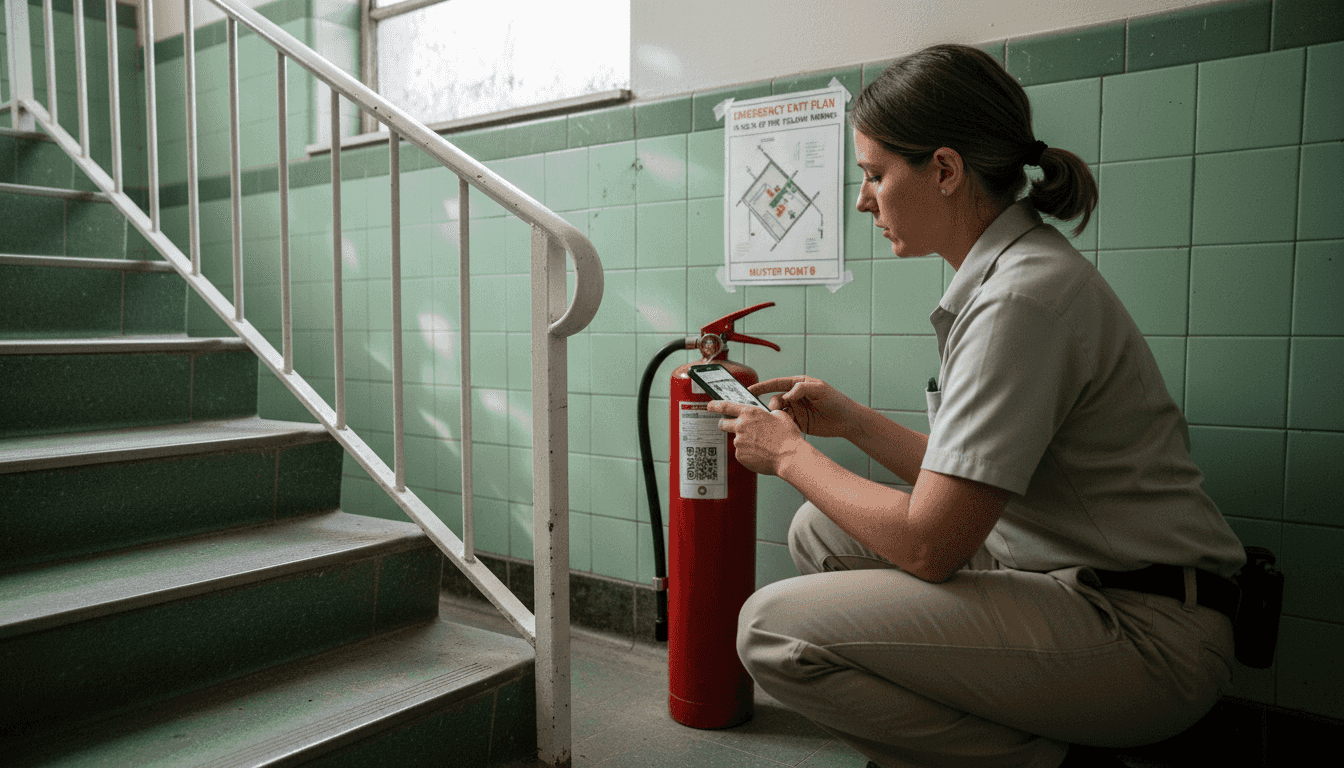
Inspect fire extinguishers by checking pressure gauge readings, condition, accessibility, and classification markings monthly visually and annually professionally per NFPA 10. Walk through your property and verify each extinguisher:
- Check the pressure gauge needle sits in the green zone
- Inspect the pin and tamper seal for damage or removal
- Examine the hose and nozzle for cracks or blockages
- Verify mounting height between 3.5 and 5 feet from the floor
- Confirm the inspection tag shows the last service date
- Ensure no obstructions block access within 3 feet
Document each extinguisher’s location, type, and condition. Take photos of any issues you find. For comprehensive guidance, follow this extinguisher inspection guide tailored for Texas businesses.
Fire alarm and detection system testing
Test fire alarms and detection systems quarterly to reduce false alarms and meet regulations. Begin at your main control panel and work outward:
- Verify the panel shows no trouble signals or errors
- Test smoke detectors using approved aerosol test spray
- Activate pull stations to confirm signal transmission
- Check audible alarms reach minimum 75 decibels throughout
- Test visual strobes in all areas for proper synchronization
- Document response times and any weak signal zones
Pro Tip: Test alarms during low-occupancy hours to minimize disruption. Always notify occupants 24 hours in advance and coordinate with your monitoring company to prevent unnecessary emergency dispatches.
Review the fire alarm inspection guide for detailed testing protocols that meet Houston’s specific requirements.
Emergency exit route verification
Check emergency exit routes for obstruction, proper signage, and lighting. Walk every potential evacuation path:
- Verify all exit doors open easily from the inside without keys
- Confirm exit signs illuminate properly with battery backup
- Check that egress paths maintain minimum 44-inch width
- Remove or relocate any storage blocking exit access
- Test emergency lighting activates when main power cuts
- Verify stairwell doors close and latch automatically
Sprinkler system and backflow preventer checks
Inspect sprinkler systems and backflow preventers for accessibility and maintenance. These systems often get neglected but remain critical:
- Verify sprinkler heads are free from paint, corrosion, or damage
- Check that minimum 18-inch clearance exists below all heads
- Inspect control valves are open and accessible
- Test water flow alarms at the riser
- Examine backflow preventers for leaks or test valve functionality
- Confirm inspection tags show current annual testing dates
Multi-zone building procedures
For large or multi-zone buildings, sequential zone inspections improve hazard detection rates by 18% compared to random inspection patterns. Divide your property into logical zones such as floors, wings, or tenant spaces. Inspect one complete zone before moving to the next. This methodical approach prevents you from missing areas and helps you track progress accurately.
Use this comparison table to organize your multi-zone approach:
| Building Type | Recommended Zones | Inspection Sequence | Time per Zone |
|---|---|---|---|
| Office building | By floor | Bottom to top | 45-60 minutes |
| Shopping center | By tenant suite | Perimeter to interior | 30-45 minutes |
| Warehouse | By functional area | Receiving to shipping | 60-90 minutes |
| Apartment complex | By building or stack | Building 1 to N | 90-120 minutes |
Learn more about creating effective inspection workflows at fire safety checklist creation. For deeper understanding of extinguisher standards, reference NFPA 10 extinguisher standards directly.
Documentation and reporting best practices for compliance
Accurate documentation transforms your inspection from a task into a compliance asset. Texas authorities require detailed records that prove your diligence.
Use digital inspection forms with automatic timestamping for accuracy and compliance. Paper forms get lost, damaged, or disputed. Digital platforms create tamper-proof records that sync to cloud storage immediately. Many insurance companies now require digital documentation for claims processing.
Take clear photographic evidence of both issues and compliant conditions. Photos serve multiple purposes:
- Visual proof for dispute resolution
- Before and after documentation for repairs
- Training material for staff
- Evidence of due diligence in liability cases
Keep all records organized and accessible for audits and follow-ups. Create a filing system that sorts documents by date, location, and equipment type. Store digital files with consistent naming conventions like PropertyName_InspectionType_YYYYMMDD. This organization saves hours when auditors request specific documentation.
Submit reports to local fire authorities promptly after inspection completion. Texas jurisdictions typically require submission within 10 business days. Late submissions trigger penalties even if your property passes inspection. Set calendar reminders for submission deadlines.
Pro Tip: Create a master tracking spreadsheet that logs every inspection date, findings, corrective actions, and submission confirmations. This single document becomes your compliance dashboard and early warning system for upcoming deadlines.
Regularly update documentation to avoid penalties and support accountability. Review and update your fire safety plan annually even if no changes occurred. Document staff training sessions, evacuation drills, and system modifications. For comprehensive documentation strategies, explore annual fire safety inspection documentation best practices.
Troubleshooting common mistakes and how to avoid them
Even experienced property managers make inspection errors that compromise safety and compliance. Recognizing these patterns helps you avoid them.
Avoid missing hidden risks like overloaded electrical panels or attic sprinkler heads by thoroughly checking less visible areas. Many violations hide in mechanical rooms, above suspended ceilings, and inside electrical closets. Schedule extra time to inspect these spaces with proper lighting. Bring a ladder to check ceiling-level equipment personally rather than relying on visual estimates from the floor.
Regularly update and double-check inspection documentation to prevent errors and omissions. Common documentation mistakes include:
- Recording wrong equipment serial numbers
- Missing signature or date fields
- Incomplete corrective action descriptions
- Failure to note temporary conditions
- Skipping photographic evidence for deficiencies
Schedule and document quarterly fire alarm testing to maintain compliance and reduce false alarms. Many properties skip quarterly tests hoping annual inspections suffice. This gamble often fails when alarms malfunction during emergencies or authorities conduct surprise checks. Quarterly testing also identifies failing components before they cause system-wide problems.
Follow sequential zone inspections especially in complex buildings to ensure no area gets overlooked. Random inspection patterns cause repeatability problems. If you inspect zones A, C, and B one month, then C, B, and A the next, you’ll eventually skip entire areas without realizing it. Sequential patterns create muscle memory and systematic coverage.
Use checklists and digital tools to reduce human error and improve consistency. Relying on memory guarantees missed items. Checklists standardize your process across different inspectors and property types. Digital checklists prevent skipped items by requiring completion before moving forward. Review Texas best practices to avoid inspection mistakes for current guidance specific to 2026 regulations.
Expected outcomes, timelines, and benefits of regular inspections
Understanding what to expect from inspections helps you plan resources and justify the investment to stakeholders.
Typical fire safety inspections take 1 to 3 hours depending on property size and complexity. A small office suite might require only 60 minutes while a multi-floor retail complex demands 4 hours or more. Factor in additional time for documentation and report preparation. Your first inspection always takes longer as you establish baseline conditions and photography.
Regular inspections reduce non-compliance penalties and improve safety through measurable improvements. Properties conducting quarterly inspections show significant advantages:
| Metric | Properties with Quarterly Inspections | Properties with Annual Only | Improvement |
|---|---|---|---|
| Equipment functionality rate | 96% | 78% | 23% better |
| Violation citations per year | 1.2 | 4.7 | 75% fewer |
| Fire incident rate | 0.3 per 100 units | 1.1 per 100 units | 73% lower |
| Average penalty costs | $850 annually | $4,200 annually | 80% savings |
Budgeting for inspections requires planning for multiple cost categories:
- Inspection labor or contractor fees
- Replacement equipment and parts
- Report submission and filing fees
- Corrective action implementation
- Staff training and certification updates
Expected compliance improvements include higher functionality rates of alarms and extinguishers verified through systematic testing. You’ll also see properly maintained suppression systems, clear evacuation routes, and current documentation that satisfies auditors. These improvements compound over time as your inspection process matures.
Timely inspections contribute to safer evacuation routes and properly maintained suppression systems that function correctly during emergencies. Properties with consistent inspection records also negotiate better insurance rates and attract quality tenants who value safety. Learn about recommended timing at inspection frequency guidelines.
How Reliable Fire Protection can support your Texas property inspections
Managing fire safety inspections takes expertise and time that many property managers simply don’t have. That’s where professional support makes the difference.
Reliable Fire Protection offers tailored fire alarm systems designed specifically for Houston and Texas compliance standards. Their systems integrate with your existing infrastructure while meeting every local code requirement. You’ll gain 24/7 monitoring and rapid response that keeps your property protected.
Professional sprinkler inspection and maintenance services minimize your fire risks through expert evaluation and timely repairs. Their certified technicians identify issues before they become emergencies and ensure your systems perform correctly under pressure. Complete fire extinguisher inspection solutions help ensure timely compliance and readiness with monthly visual checks and annual professional servicing. Partnering with experts streamlines inspections, reduces your workload, and provides peace of mind that your property meets every Texas fire safety requirement.
FAQ
How often must fire extinguishers be inspected in Texas?
Extinguishers require monthly visual checks and an annual detailed inspection to comply with Texas regulations. Monthly checks verify pressure, accessibility, and visible condition while annual inspections involve professional servicing. Keeping up with this schedule prevents compliance violations and ensures equipment functions during emergencies.
What tools do I need for a comprehensive fire safety inspection?
You need a pressure gauge for extinguisher checks, a flashlight for dark or hidden areas, and a digital camera or smartphone for photographic documentation. Access to inspection forms or digital software completes your toolkit. These basic tools enable thorough inspections without expensive specialized equipment.
How can I avoid common fire safety inspection mistakes?
Use checklists and digital documentation tools to standardize your process. Perform thorough checks including less visible areas like attics and mechanical rooms. Schedule regular quarterly testing of alarms as regulations require and keep records updated with prompt submission. Sequential zone inspections prevent missed areas in complex buildings.
What are the benefits of regular fire safety inspections?
Regular inspections reduce fire hazards and enhance occupant safety through early detection of equipment failures. You’ll meet Texas legal requirements to avoid penalties while ensuring timely maintenance keeps all equipment ready. Lower liability and improved insurance standing provide additional financial benefits that offset inspection costs.
How long does a typical fire safety inspection take?
Most inspections require 1 to 3 hours depending on your property’s size and complexity. Small properties with basic systems finish quickly while large multi-zone buildings need several hours. Plan additional time for documentation, photography, and report preparation to complete the process thoroughly.