
Few responsibilities feel as urgent for Houston property managers as making sure every resident sleeps safe from fire. The choices you face in fire sprinkler system compliance can mean the difference between smooth approvals and costly code problems. Whether you manage new builds or older multifamily complexes, you need clear steps to assess each property, compare solution types, and work with certified experts to protect your people and your bottom line.
Table of Contents
- Step 1: Assess Property Hazards And Code Requirements
- Step 2: Compare Sprinkler System Options
- Step 3: Consult Certified Fire Protection Experts
- Step 4: Verify Installation And Performance
Quick Summary
| Important Insight | Clarification |
|---|---|
| 1. Assess property hazards first | Start by identifying risk factors like occupancy type and materials before selecting a fire sprinkler system. |
| 2. Understand local code requirements | Research fire safety standards applicable to your property in Houston, including the IBC and IFC codes. |
| 3. Select suitable sprinkler systems | Choose a system type based on your property’s unique needs—consider options like wet, dry, pre-action, and deluge systems. |
| 4. Consult certified contractors | Engage experienced fire protection experts to ensure compliant design and installation tailored to your building. |
| 5. Schedule regular inspections | Establish a maintenance plan per NFPA 25 standards to ensure the sprinkler system remains effective and compliant. |
Step 1: Assess property hazards and code requirements
You’re starting with the foundation of any compliant fire sprinkler system. Before you select equipment or contact installers, you need to understand what your specific property faces and what your local codes demand. This assessment shapes every decision that follows.
Begin by identifying the hazard classification of your property. Multifamily residential complexes fall into different risk categories based on their occupancy type, contents, and operational characteristics. A 200-unit apartment building with standard furnishings carries different requirements than a complex with commercial spaces, storage areas, or higher-density populations.
You’ll want to walk your property systematically. Note the following:
- Building layout, floor plans, and square footage
- Occupancy types in each area (residential units, common areas, mechanical rooms)
- Ceiling heights and construction materials
- Existing water supply locations and pressure capabilities
- Obstructions that might affect sprinkler coverage
- Any hazardous materials or processes on site
Next, understand NFPA 25 requirements for proper system maintenance. This standard governs inspection, testing, and maintenance of water-based fire protection systems, and it directly influences your design choices. Your Authority Having Jurisdiction (AHJ), typically the Houston Fire Marshal’s office, enforces this standard and others.
Research your local code requirements thoroughly. Houston properties must comply with the International Building Code (IBC), International Fire Code (IFC), and potentially amendments adopted by the city. These codes specify what systems you need based on hazard assessment. Consider reviewing fire safety regulations impacting Houston property managers to understand how local amendments affect your compliance obligations.
Your property’s hazard assessment and local code compliance form the blueprint for your entire sprinkler system selection.
Document everything you find. Create a summary that lists your property’s hazard classification, applicable code sections, required system types, and any special considerations. This document becomes your guide when evaluating system options and communicating with fire protection contractors.
Pro tip: Contact your local Houston fire marshal’s office early in this process—they can clarify which codes apply to your specific property type and hazard classification, preventing costly design mistakes later.
Step 2: Compare sprinkler system options
Now that you understand your property’s hazards and code requirements, it’s time to evaluate which sprinkler system type fits your needs. Different system types operate under different conditions and offer distinct advantages based on your building’s environment and operational profile.
You have four primary system types to consider. Understanding operational differences among sprinkler system types helps you match the right solution to your property’s specific circumstances.
Wet pipe systems are the most common choice for Houston multifamily properties. Water continuously fills the pipes under pressure, ready to flow instantly when a sprinkler head activates. They’re reliable, affordable, and require minimal maintenance. The downside: they won’t work in spaces exposed to freezing temperatures.
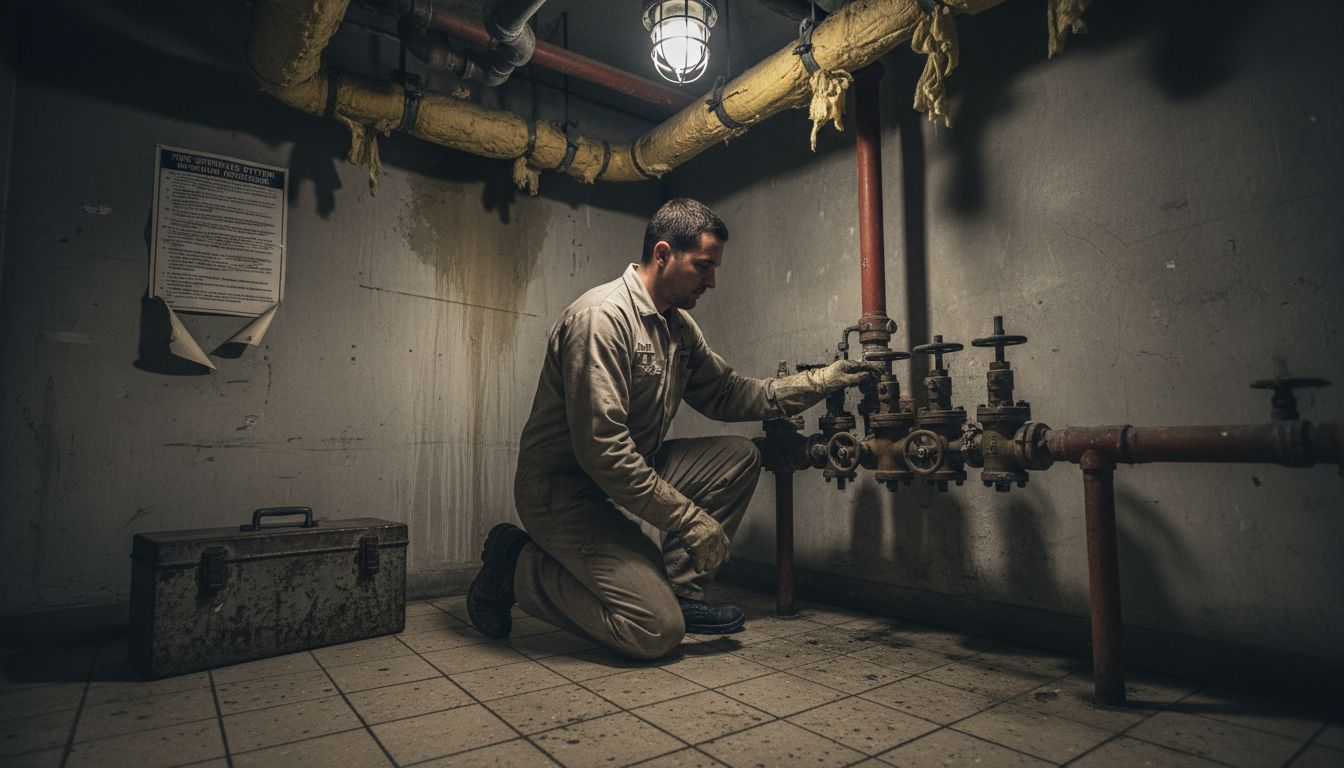
Dry pipe systems reverse that logic. Air or nitrogen pressurizes the pipes instead of water, which stays in a valve chamber above. When a sprinkler head activates, air pressure drops, triggering the valve to release water. These systems excel in freezing environments but cost more and respond slightly slower than wet systems.
Pre-action systems add a control layer between detection and water discharge. An alarm must trigger before water enters the pipes. This design prevents accidental flooding in sensitive areas like data centers, archives, or high-value storage rooms within your complex.
Deluge systems open all sprinkler heads simultaneously when activated. They’re rarely needed in residential complexes but may apply if you have hazardous material storage areas requiring rapid, comprehensive water coverage.
Here’s a quick overview of key differences among fire sprinkler system types:
| System Type | Ideal Application | Benefits | Limitations |
|---|---|---|---|
| Wet Pipe | Multifamily, temperate climate | Reliable, low maintenance | Not for freezing areas |
| Dry Pipe | Unheated, cold storage | Freeze protection | Higher costs, slower flow |
| Pre-action | Sensitive or high-value locations | Prevents accidental damage | Complex controls needed |
| Deluge | Hazardous material storage | Rapid, full coverage | Rare in residential, costly |
Consider these factors for your comparison:
- Environmental conditions (freezing exposure, humidity levels)
- Property layout and occupancy mix (residential units versus storage)
- Response time requirements
- Water supply capacity and pressure available
- Maintenance accessibility and cost tolerance
- Insurance or lender requirements
Your hazard assessment from Step 1 directly informs this decision. A property with mixed occupancies might benefit from combining system types in different zones. Document your comparison findings alongside code compliance requirements you identified earlier.
The system you select must balance your property’s environmental realities with code mandates and budget constraints.
Pro tip: Request quotes from multiple certified fire protection contractors and ask them to recommend system types specifically for your property’s hazard profile—experienced installers often identify cost-saving combinations you might miss reviewing specifications alone.
Step 3: Consult certified fire protection experts
You’ve assessed your property and compared system options. Now bring in the professionals who design and install these systems for a living. Certified fire protection experts translate your requirements into a compliant, functional system that actually works when needed.
Start by verifying credentials. Look for designers and installers certified by recognized organizations in the fire protection industry. Professional fire sprinkler associations provide training and certification programs ensuring contractors understand hydraulic calculations, code requirements, and maintenance protocols.
When evaluating potential contractors, ask specific questions about their experience with your property type. A firm experienced in Houston multifamily complexes understands local code amendments, water supply variations across neighborhoods, and common installation challenges in your area.
Request the following from each expert you consult:
- System design proposals tailored to your property’s hazard profile
- Detailed cost breakdowns for equipment, labor, and testing
- Timeline for design approval, installation, and inspection
- References from similar properties they’ve completed
- Confirmation of all required licenses and insurance coverage
- Written warranty terms and maintenance support agreements
During consultations, experts should ask detailed questions about your property rather than offering cookie-cutter solutions. They’ll conduct site visits, review your hazard assessment findings, and identify factors that affect system performance and cost.
Discuss maintenance and testing expectations openly. A quality expert explains what inspection and testing requirements apply to your chosen system type and what ongoing costs you’ll face annually.
Compare proposals side by side, but don’t select solely on price. The cheapest option often cuts corners on design quality or uses contractors less familiar with your local environment. Balance cost with experience, responsiveness, and proposed warranty coverage.
Certified experts shoulder responsibility for code compliance and system performance, so choose professionals who stand behind their work.
Pro tip: Ask each contractor directly about their track record with Houston Fire Marshal inspections and whether systems they installed have passed first-time approvals—this reveals who truly understands local compliance standards.
Step 4: Verify installation and performance
Once your fire sprinkler system is installed, verification isn’t a one-time checkbox. You need to confirm the installation meets code requirements and establish a testing schedule that keeps the system reliable for years to come.
Before final approval, the contractor should conduct a system acceptance test in your presence. This involves pressurizing the system, running water through each zone, and verifying proper flow and coverage. The Houston Fire Marshal’s office will also conduct an official inspection before issuing a compliance certificate.
During acceptance testing, observe these key elements:
Below is a summary of common fire sprinkler system performance checks and their importance:
| Item Checked | Purpose | Business Impact |
|---|---|---|
| Water Pressure | Confirms proper system operation | Prevents malfunction, code compliance |
| Valve Functionality | Ensures water delivery on demand | Supports rapid fire suppression |
| Alarm Activation | Promotes occupant safety | Enables timely emergency response |
| Sprinkler Coverage | Guarantees protection everywhere | Reduces risk of property loss |
- Water pressure readings at different points in the system
- Sprinkler head activation and spray patterns
- Valve operation and pressure relief mechanisms
- Alarm system functionality and audible notification
- Backflow preventer operation if applicable
Understanding NFPA 25 inspection and testing standards is critical for your ongoing responsibility as property manager. This standard specifies required inspection frequencies, testing intervals, and maintenance procedures based on your system type.
Document everything in writing. Retain copies of inspection reports, test results, and approval letters from the Fire Marshal. These records prove compliance if ever questioned and help contractors understand your system’s history during future maintenance.
Establish a maintenance schedule aligned with NFPA 25 requirements. Different components need attention at different intervals: annual inspections of the entire system, periodic testing of sprinkler heads, and regular checks of water supply and pressure.
Your contractor should explain what fire sprinkler testing protocols apply specifically to your system. Sample testing of sprinkler heads verifies their activation responsiveness and ensures components haven’t degraded over time.
Proper verification at installation and consistent testing afterward transforms your system from a code requirement into a genuinely protective asset.
Assign responsibility clearly. Designate a staff member or contractor to handle scheduled maintenance and keep records updated. This prevents gaps in testing and demonstrates due diligence to your insurance carrier and regulatory authorities.
Pro tip: Schedule your first annual inspection with your contractor before they leave the site, and set calendar reminders well before deadlines—missing NFPA 25 compliance windows can result in system deactivation orders from the Fire Marshal.
Ensure Your Fire Sprinkler System Meets Houston Compliance with Expert Help
Choosing the right fire sprinkler system is critical to protect your multifamily property while staying compliant with Houston codes and NFPA 25 standards. Dealing with complex hazard classifications, local code requirements, and system maintenance schedules can quickly become overwhelming. You need a trusted partner who understands the nuances of wet pipe, dry pipe, pre-action, and deluge systems and can tailor solutions to your building’s unique needs.
Reliable Fire Protection specializes in helping Houston property managers navigate these exact challenges. With certified expertise in fire sprinkler installation and maintenance, we ensure your system meets all regulatory demands and performs flawlessly when it matters most. Take the first step toward peace of mind and compliance by requesting a free consultation today. Visit our fire protection services overview or contact us now at Reliable Fire Protection for personalized recommendations that save time, reduce risk, and protect your investment.
Frequently Asked Questions
What factors should I consider when assessing property hazards for a fire sprinkler system?
Understanding your property’s hazards involves evaluating occupancy types, contents, building layout, and existing water supply. Systematically walk through your property to note ceiling heights, obstructions, and any hazardous materials present. Document these findings to inform your fire sprinkler selection.
How do local codes affect my fire sprinkler system choice?
Local codes dictate the requirements for fire sprinkler systems based on your property’s hazard classification. Research your area’s code requirements thoroughly and create a summary of applicable codes to ensure compliance in your system design and installation process.
What are the main types of fire sprinkler systems and their uses?
The main fire sprinkler system types include wet pipe, dry pipe, pre-action, and deluge systems. Choose a wet pipe system for typical residential complexes, while dry pipe systems are better for environments at risk of freezing. Assess your specific property conditions to select the most suitable system type.
How can I ensure that my fire sprinkler system installation meets safety standards?
To ensure compliance, verify that your contractors are certified and experienced in local codes. Request a system acceptance test after installation and document all testing results to confirm that the system functions correctly and complies with safety regulations.
What ongoing maintenance is required for fire sprinkler systems?
Fire sprinkler systems require regular inspections and testing based on established guidelines. Schedule annual inspections for the entire system, with periodic testing of specific components, to maintain compliance and ensure the system’s functionality over time.
How do I choose a qualified fire protection contractor for my sprinkler system?
Search for contractors who are certified and experienced with properties similar to yours. Request design proposals, cost breakdowns, and references to compare their expertise, and ensure they understand local compliance regulations to make the best choice for your fire sprinkler installation.
Recommended
- Master Fire Sprinkler System Workflow for Compliance
- How to Install Fire Sprinklers for Safe Commercial Spaces
- Role of Sprinkler Systems in Houston Safety Compliance
- How to Choose Fire Alarm System for Houston Properties
- Brandwerende Kozijnen: Veiligheid en Wetgeving in België en Nederland
- Fire Alarm System University Place TX
- Fire Alarm System Bellaire TX