by Sean Ellis | May 28, 2026 | Fire Protection
TL;DR: Kitchen fires involving oils require specialized wet chemical suppression systems to prevent reflash and contain damage. Regular maintenance, staff training, and proper system installation are essential for effective fire protection in commercial kitchens....

by Sean Ellis | May 27, 2026 | Fire Protection
TL;DR: Offices often underestimate fire risks because they appear safe, but hazards like overloaded power strips, trapped cables, and clutter can cause fires. Regular inspections, proper maintenance, and strict enforcement of safety policies can significantly reduce...
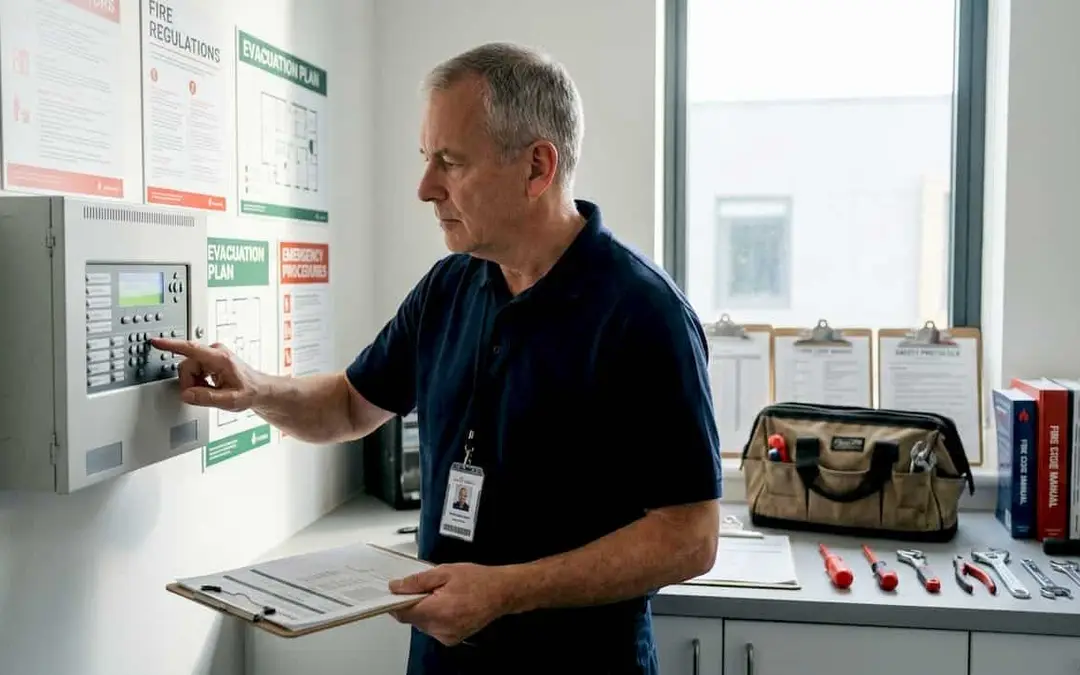
by Sean Ellis | May 26, 2026 | Fire Protection
TL;DR: Many building managers mistakenly believe a green light indicates complete fire alarm supervision. Proper supervision continuously monitors all wiring and connected devices, detecting faults before system failure occurs. Effective, comprehensive supervision...
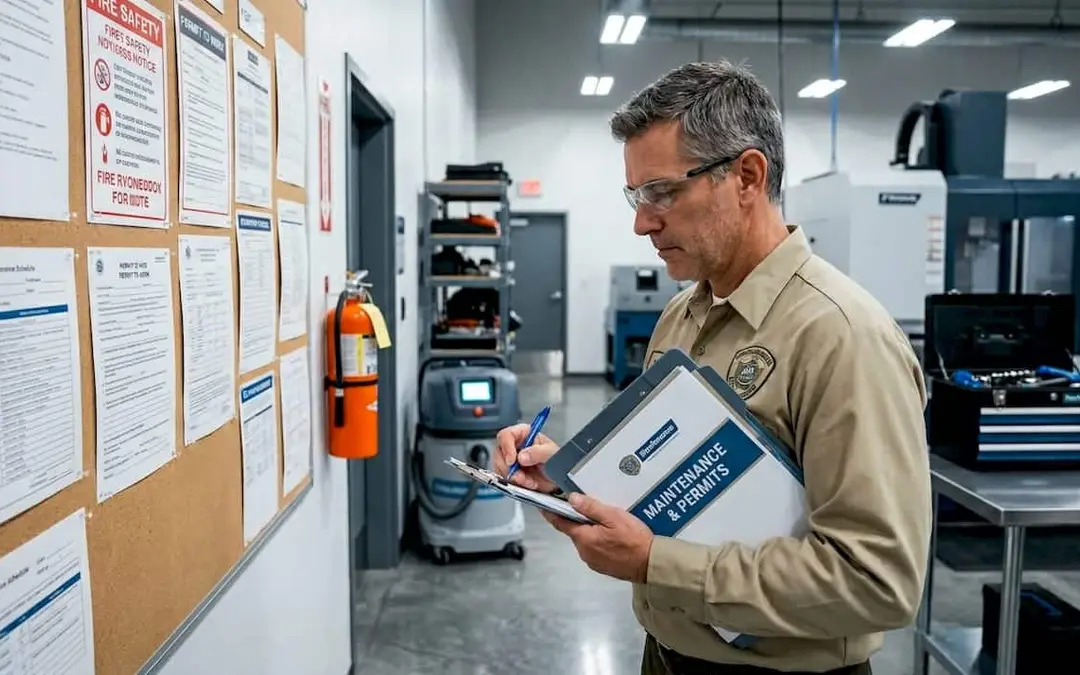
by Sean Ellis | May 25, 2026 | Fire Protection
TL;DR: Industrial fire risks stem from combustible dust, welding, and dense equipment, requiring strict safety controls. Proper permit systems, hazard analysis, firefighter training, realistic emergency drills, and ongoing risk assessments are essential for...

by Sean Ellis | May 24, 2026 | Fire Protection
TL;DR: Understanding fire panel alerts is essential for property managers to ensure quick responses and compliance. Properly distinguishing between alarm, trouble, and supervisory signals prevents delays, system failures, and safety risks. When a light flashes or a...