
by Sean Ellis | May 14, 2026 | Fire Protection
TL;DR: Property managers must treat fire classifications as dynamic elements, not just construction-phase paperwork, to ensure ongoing compliance and safety. Accurate classification affects wall materials, sprinkler design, and insurance coverage, requiring regular...

by Sean Ellis | May 13, 2026 | Fire Protection
TL;DR: Skipping a fire suppression permit in Texas risks failed inspections, voided insurance, and legal liabilities. Permits are required before work begins for systems like sprinklers, kitchen hoods, and alarm-integrated suppression devices, and they ensure code...

by Sean Ellis | May 12, 2026 | Fire Protection
TL;DR: Houston homes face unique fire risks from aging wiring, extreme heat, and storm damage that can cause rapid fires. Preparing with essential safety equipment, developing escape plans, and practicing regular drills can significantly improve family safety. Ongoing...
by Sean Ellis | May 11, 2026 | Fire Protection
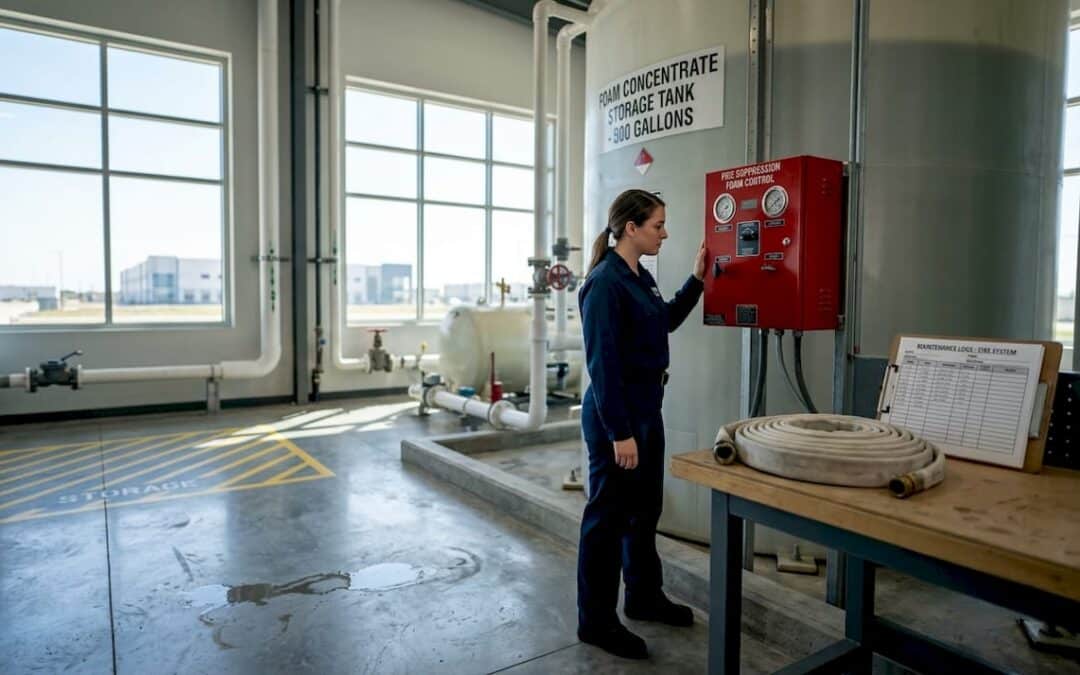
TL;DR: Not all firefighting foams operate the same way, and selecting the correct type is crucial for fire control and property protection. Understanding foam mechanisms—such as blanket formation and film creation—helps Houston businesses prevent re-ignition and meet...

by Sean Ellis | May 10, 2026 | Fire Protection
TL;DR: Proper hazard classification is crucial for designing effective fire protection systems, especially considering Houston’s local regulations. Mistakes in classification, particularly in storage environments, can lead to undersized sprinkler systems that fail...