by Sean Ellis | Aug 13, 2026 | Fire Protection
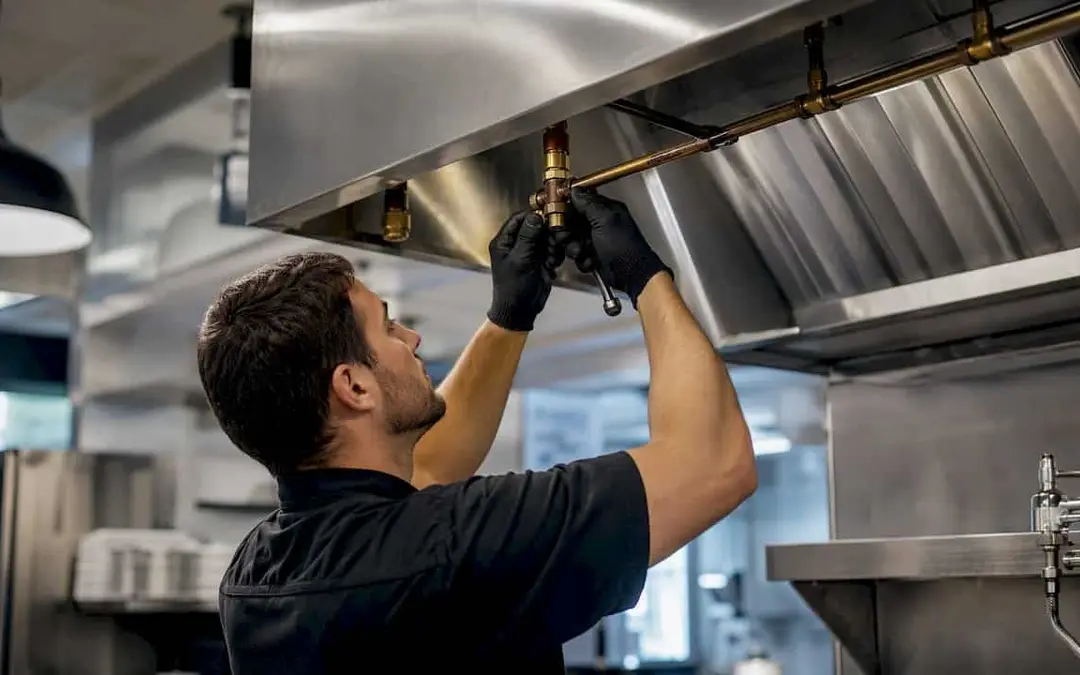
A typical installed commercial kitchen hood suppression system in the United States generally costs several thousand dollars for most restaurants, with small single-hood setups at the lower end and multi-hood or complex retrofits costing substantially more. That...
by Sean Ellis | Aug 12, 2026 | Fire Protection
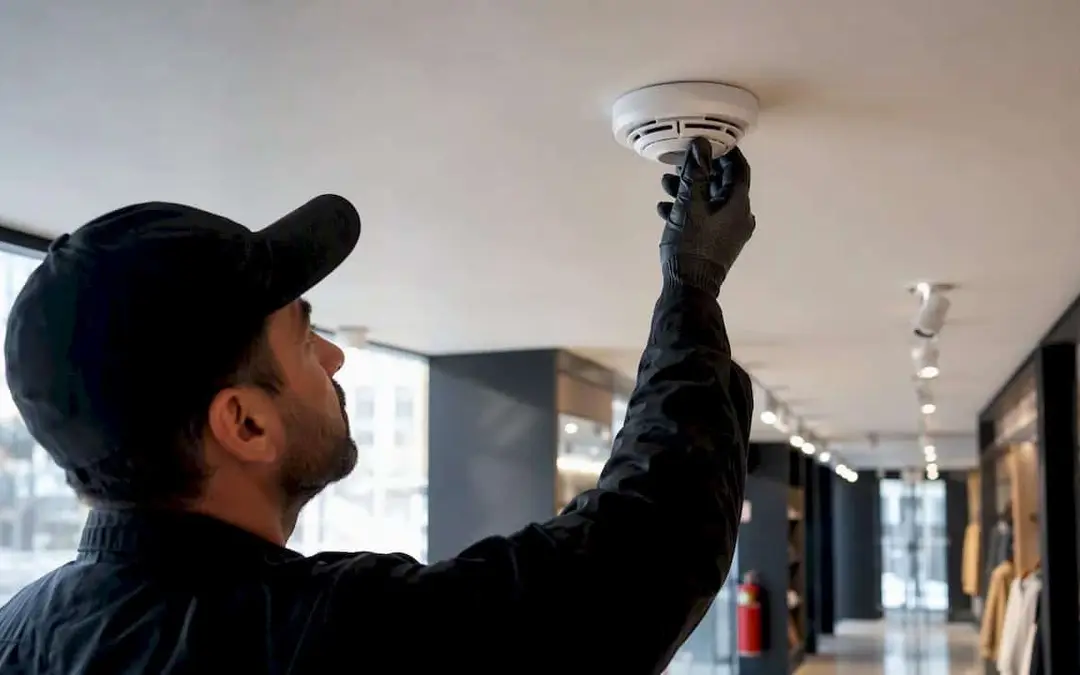
Early detection of fires is the single most effective life-safety measure available to building owners, facility managers, and homeowners. NFPA data shows that roughly 3 out of 5 home fire deaths occur in homes with no working smoke alarms or alarms that failed to...
by Sean Ellis | Aug 11, 2026 | Fire Protection
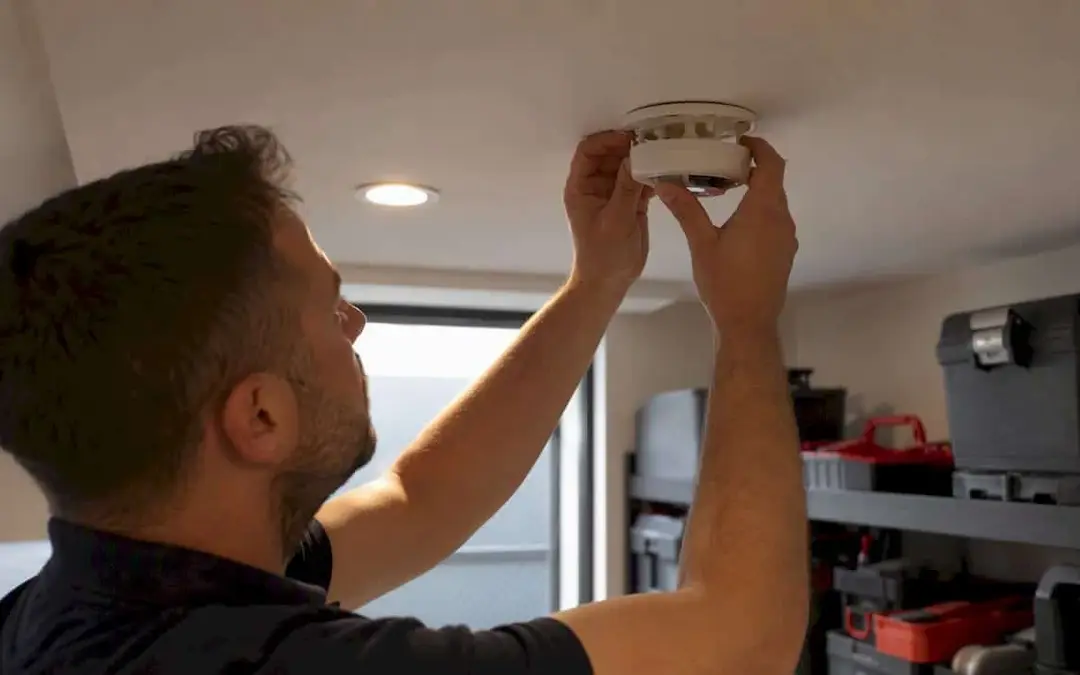
Certified fire-protection technicians are the credentialed specialists who perform system layout, shop drawings, inspection, testing, maintenance (ITM), installation support, and emergency repairs on life-safety systems. Under NFPA 72 and the guidance of the Authority...
by Sean Ellis | Aug 10, 2026 | Fire Protection
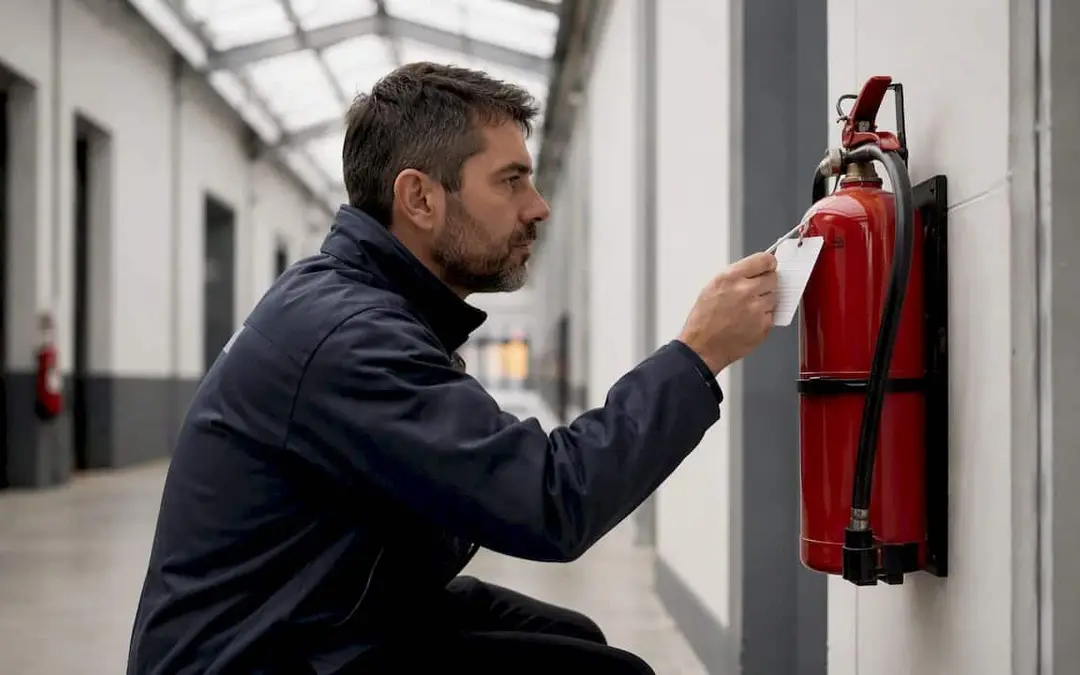
Under 29 CFR 1910.157, employers who provide portable fire extinguishers for employee use must select, place, inspect, maintain, test, train employees on, and document every unit. That obligation covers general industry. Construction sites fall under 29 CFR 1926.150,...
by Sean Ellis | Aug 9, 2026 | Fire Protection
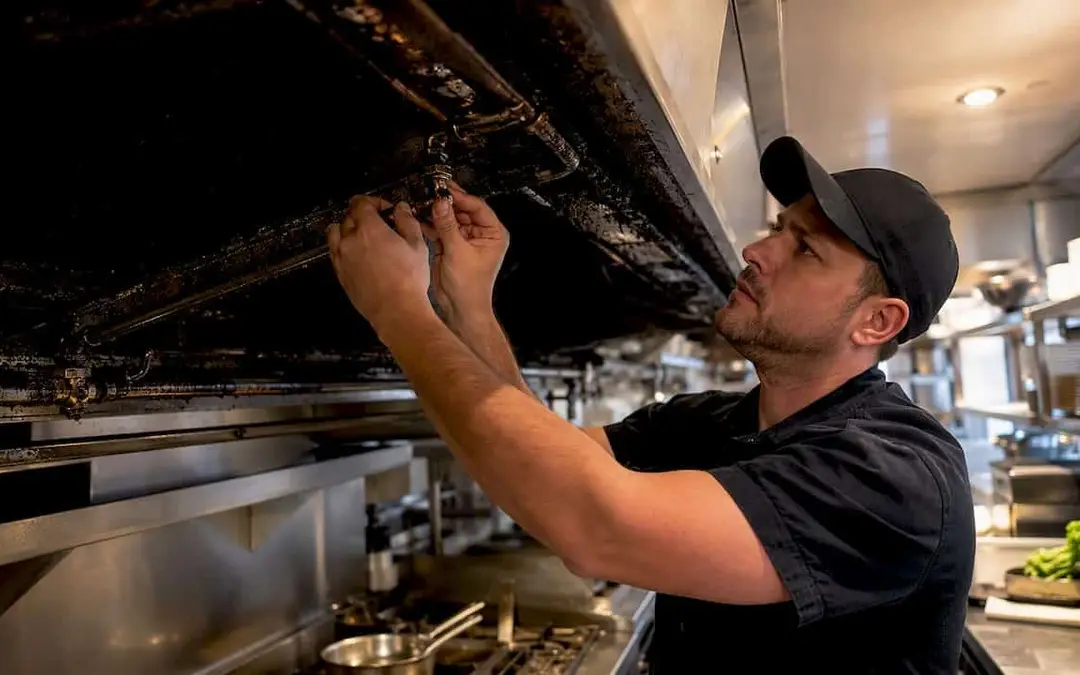
The most common causes of commercial fires are cooking incidents, electrical malfunctions, heating and powered-equipment failures, careless or unintentional actions, and intentional fires (arson). Every one of them is preventable with focused building controls,...
by Sean Ellis | Aug 8, 2026 | Fire Protection
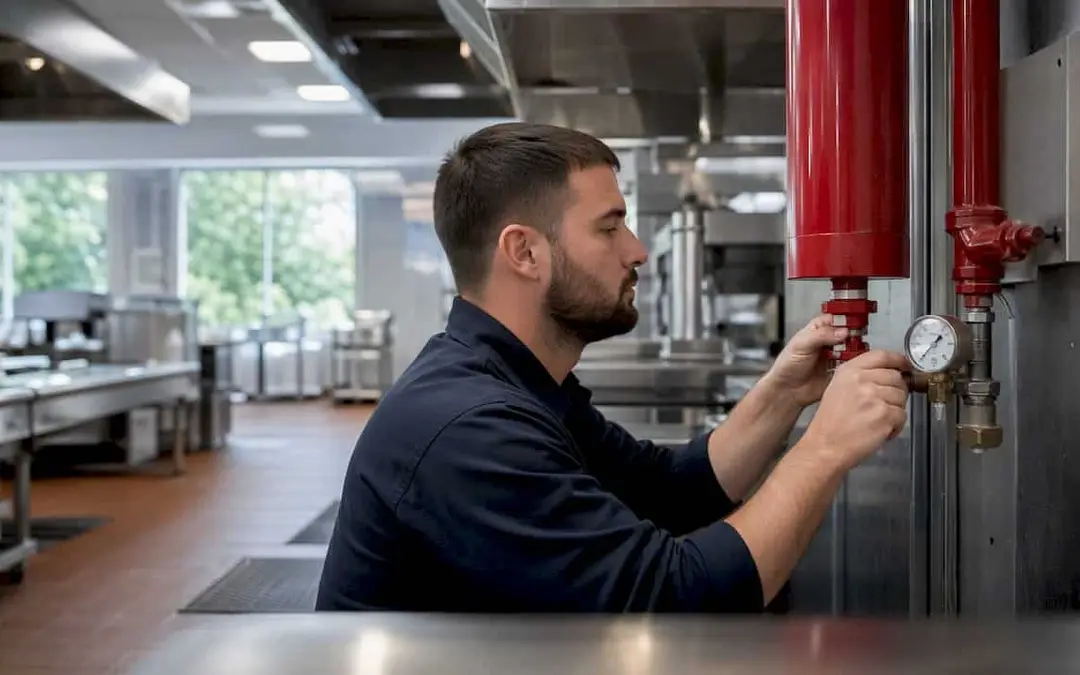
For most industrial facilities, the right suppression approach starts with one question: are people present when a fire could start? If yes, a clean agent system (FM-200, Novec 1230, or an inert gas blend) protects occupied control rooms, data rooms, and sensitive...