
by Sean Ellis | Aug 1, 2026 | Fire Protection
TL;DR: Most enclosed storage buildings require sprinklers where code triggers apply, plus detection, extinguishers, and water access. Early AHJ consultation helps ensure compliance with local standards and avoids costly redesigns during construction. For most enclosed...
by Sean Ellis | Jul 31, 2026 | Fire Protection
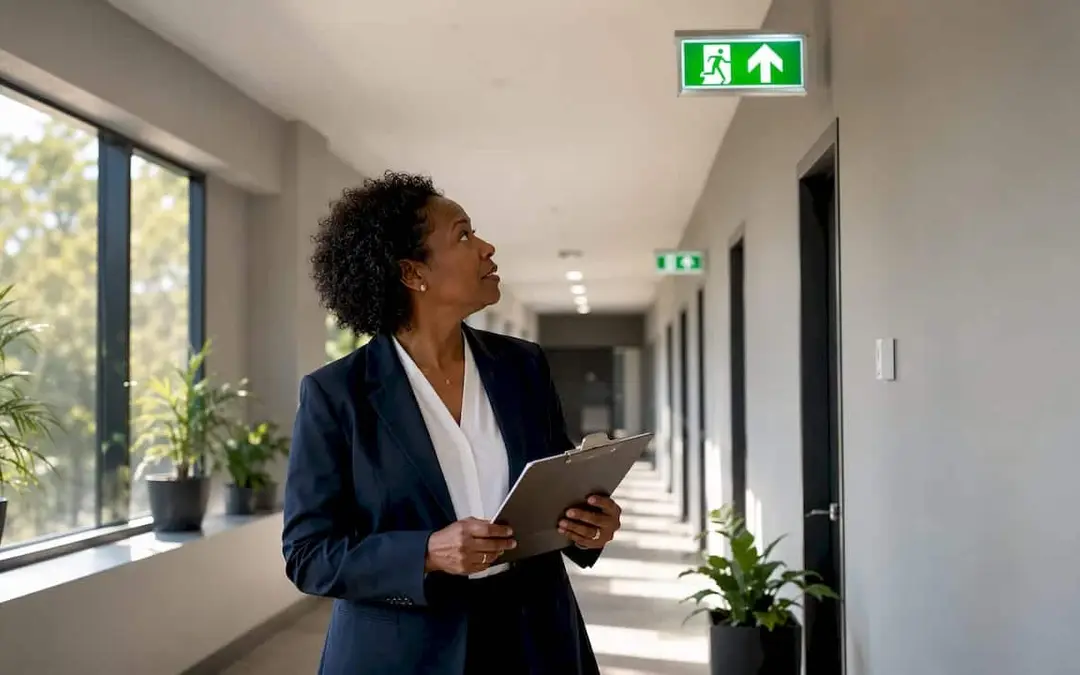
Fire escape routes are the immediate, unobstructed, clearly marked paths that move every occupant from any point in a building to a safe public way outside. Under U.S. standards, every exit route consists of three connected parts: Exit access — the path from a...
by Sean Ellis | Jul 30, 2026 | Fire Protection
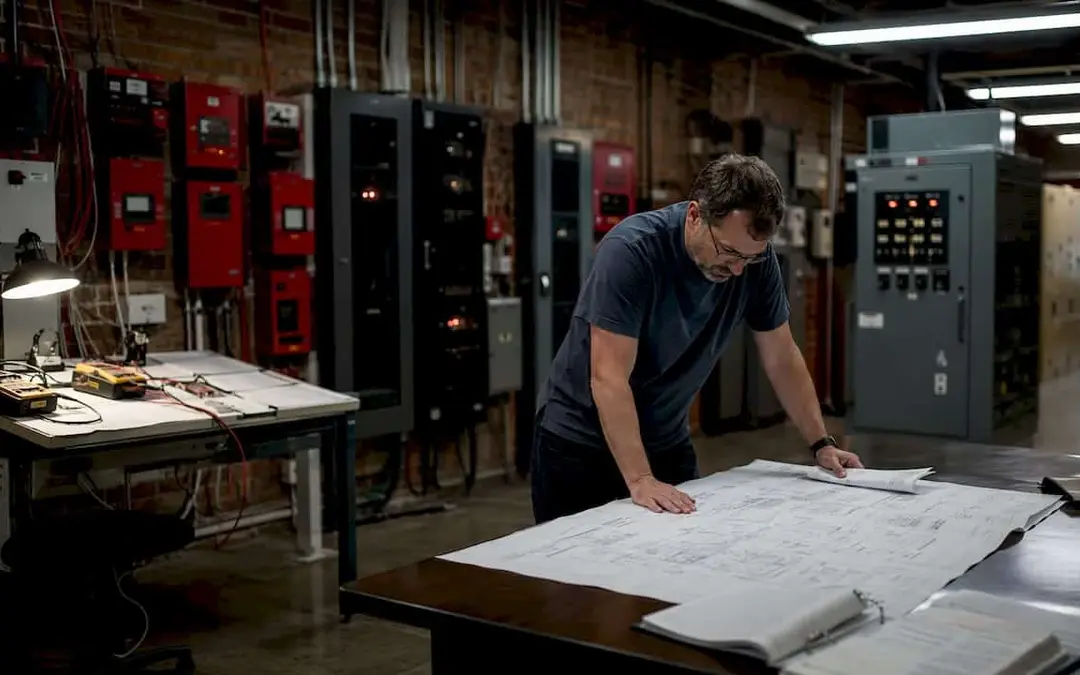
TL;DR: Integrating fire alarms with building management systems enhances operational monitoring but must maintain fire alarm autonomy. All interfaces require UL 864-listed components approved by AHJ, with the fire alarm system remaining the primary life-safety...

by Sean Ellis | Jul 29, 2026 | Fire Protection
Start with a site audit. Walk every egress path in your hotel and check it against IBC, NFPA 101, OSHA, and ADA requirements before you buy a single sign. That one step catches the gaps that cause inspection failures and, more critically, the conditions that slow...
by Sean Ellis | Jul 28, 2026 | Fire Protection
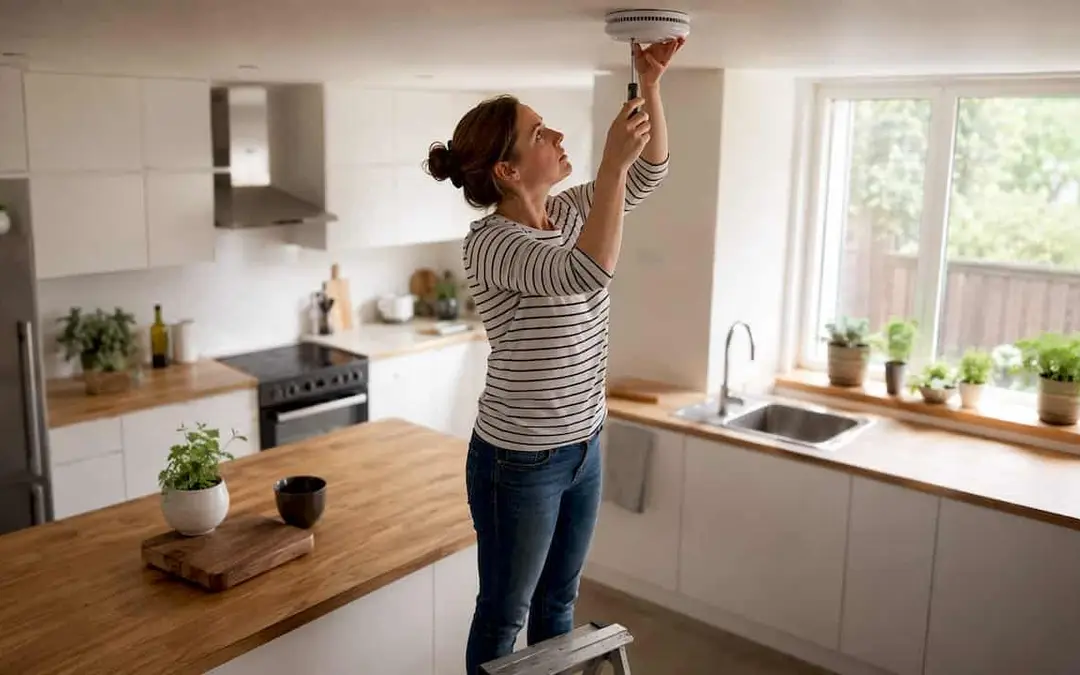
TL;DR: Proper smoke alarm placement involves installing one on every home level, inside each bedroom, and outside sleeping areas. It is essential to test alarms monthly, replace units every 10 years, and ensure all alarms are interconnected for safety. Place a working...
by Sean Ellis | Jul 27, 2026 | Fire Protection
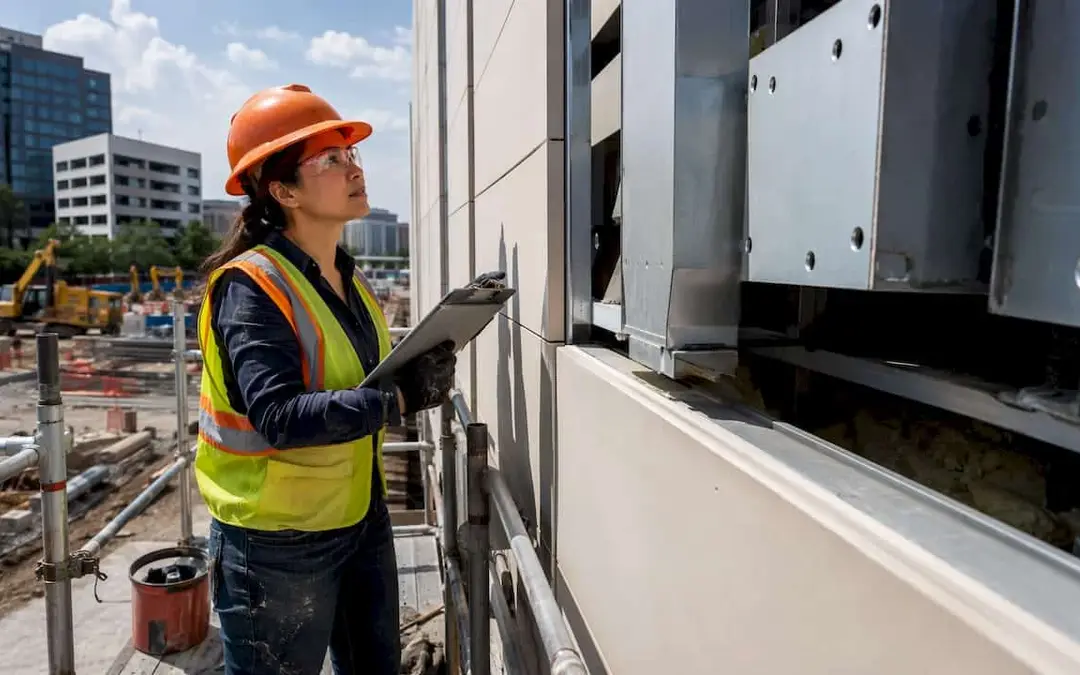
TL;DR: A fire safe building envelope combines walls, roof, and foundation systems to resist fire and prevent spread. Compliance requires documented, tested assemblies with all components working together, especially in high-rise buildings over 40 feet. Regular...