Navigating fire safety compliance in Texas can feel overwhelming for business owners and property managers. With evolving regulations, local amendments to the International Fire Code, and multiple inspection requirements, many struggle to understand where to start and how to maintain compliance efficiently. This guide breaks down the fire safety compliance process into clear, actionable steps, helping you meet 2026 regulatory requirements while enhancing property safety and protecting your investment.
Table of Contents
- Understanding Fire Safety Regulations And Codes In Texas
- Preparing Your Property And Team For Fire Safety Compliance
- Executing The Fire Safety Compliance Process: Inspections, Permits, And Maintenance
- Verifying Ongoing Compliance And Managing Updates In Texas Fire Safety Regulations
- Ensure Your Property Meets Fire Safety Compliance With Our Expert Services
- Frequently Asked Questions
Key takeaways
| Point | Details |
|---|---|
| Texas adopts IFC with local amendments | The City of McKinney adopted the 2024 International Fire Code with appendices, requiring businesses to follow both state and local standards. |
| Preparation reduces compliance delays | Early inventory of fire safety equipment and engagement with local authorities streamlines the inspection process significantly. |
| Inspections involve multiple authorities | Local fire departments handle most inspections, though the State Fire Marshal’s Office may conduct them in certain cases. |
| Ongoing maintenance is mandatory | Regular professional inspections are required annually for most fire safety equipment to maintain compliance. |
| New reporting systems are coming | The State Fire Marshal’s Office is introducing NERIS to replace NFIRS soon, requiring updated reporting procedures. |
Understanding fire safety regulations and codes in Texas
Texas fire safety compliance starts with understanding the regulatory framework governing your property. The 2018 International Fire Code is adopted in 42 states including Texas, with revisions occurring every three years. This means you need to stay current with the latest edition applicable in your jurisdiction.
Local jurisdictions across Texas adopt the IFC but frequently add amendments tailored to regional firefighting capabilities and infrastructure. For example, the City of McKinney adopted the 2024 International Fire Code with specific appendices addressing local needs. These amendments can significantly impact your compliance requirements, so checking your city’s specific adoption ordinance is essential before planning any fire safety upgrades.
Beyond the IFC, Texas Administrative Code chapter 34 establishes technical fire safety standards specific to alarm systems, sprinkler installations, and fire extinguisher requirements. These state level regulations provide detailed specifications for equipment installation, testing, and maintenance that complement the broader IFC framework.
Knowing these regulations before starting your compliance journey prevents costly violations and rework. Many property managers discover mid project that their jurisdiction has unique requirements for sprinkler spacing or alarm notification methods. Understanding both state and local code adoption status upfront saves time and ensures proper planning.
Pro Tip: Visit your local fire marshal’s office or city website to download the specific IFC edition and amendments applicable to your property before consulting with contractors or planning upgrades.
The regulatory landscape also includes specific licensing requirements for fire safety professionals who install and maintain systems. This ensures that only qualified technicians work on your critical fire protection equipment, giving you confidence that installations meet code standards from the start. Familiarizing yourself with fire safety regulations houston specific requirements helps you verify contractor credentials and understand what inspectors will evaluate.
Preparing your property and team for fire safety compliance
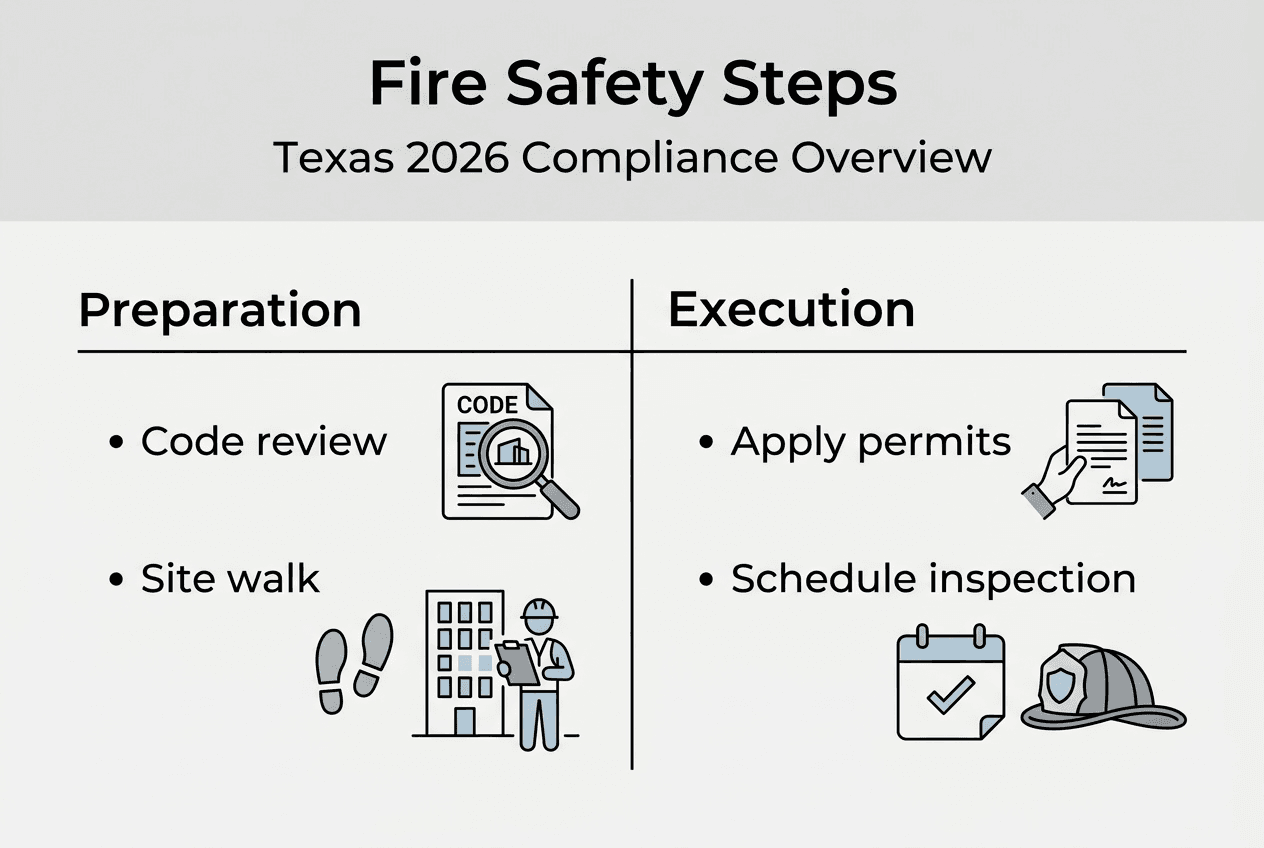
Preparation sets the foundation for smooth compliance execution. Start by reviewing the local fire code amendments that apply to your specific jurisdiction. Jurisdictions should consult Code Council for assistance with adoption and sample ordinances, which can clarify how your city has modified the base IFC.
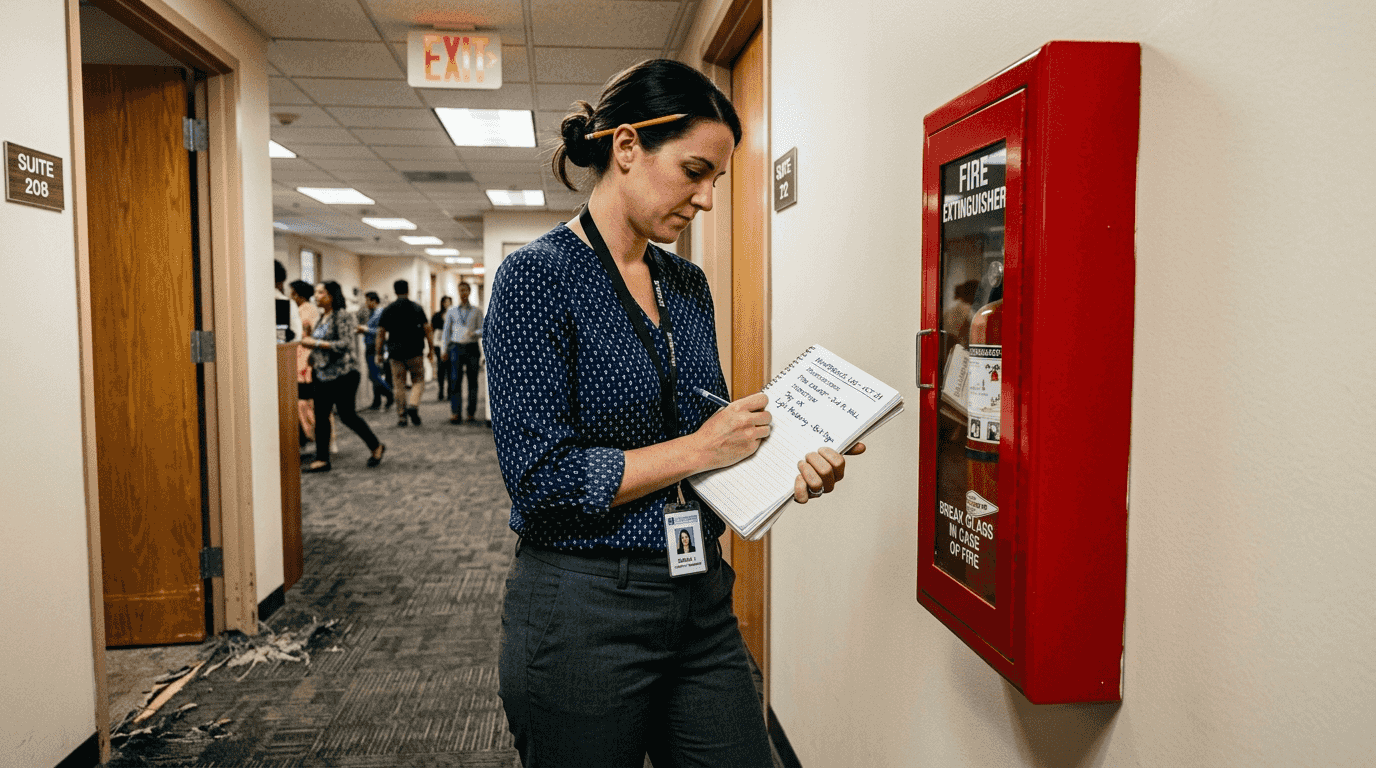
Next, conduct a thorough inventory of your existing fire safety equipment and documentation. Walk through your property and catalog every fire alarm panel, sprinkler system, fire extinguisher, emergency exit sign, and suppression system. Document the age, last inspection date, and current condition of each component. This inventory reveals gaps in coverage and identifies equipment nearing the end of its service life.
Assigning clear responsibilities for fire safety oversight prevents compliance tasks from falling through the cracks. Designate a team member as your fire safety coordinator, or engage professional fire protection services if you lack in house expertise. This person becomes your point of contact with inspectors and manages the compliance timeline.
Create a compliance checklist tailored to your property type and local regulations:
- Identify applicable fire code edition and local amendments for your jurisdiction
- Inventory all existing fire safety equipment with installation dates and last inspection records
- Review occupancy classification and any special use permits affecting fire safety requirements
- Gather building plans, previous inspection reports, and equipment maintenance logs
- Schedule preliminary walkthroughs with local fire department or State Fire Marshal’s Office
- Obtain quotes from licensed fire protection contractors for needed upgrades or repairs
- Budget for inspection fees, permit costs, and potential equipment replacements
- Establish a timeline working backward from your target compliance date
Scheduling preliminary inspections or consultations with local authorities before formal compliance inspections provides invaluable guidance. Fire inspectors can identify potential issues early, allowing you to address them proactively rather than discovering violations during official inspections. This collaborative approach demonstrates good faith effort and often results in more constructive inspector relationships.
Pro Tip: Early engagement with local fire departments can clarify expectations and avoid costly rework, especially for complex properties with mixed use occupancies or unique architectural features.
Developing a fire safety checklist houston specific to your property type ensures you address all requirements systematically. Commercial kitchens face different requirements than office buildings, and healthcare facilities have more stringent standards than retail spaces. Tailoring your checklist to your specific situation prevents overlooking critical compliance elements.
Documentation organization is equally important during preparation. Create both physical and digital files containing building permits, occupancy certificates, previous inspection reports, equipment warranties, contractor licenses, and maintenance records. Inspectors frequently request this documentation, and having it readily accessible speeds the inspection process and demonstrates professional property management.
Executing the fire safety compliance process: inspections, permits, and maintenance
With preparation complete, you’re ready to execute the active compliance steps. Fire safety inspections in Texas are often handled by local fire departments, though the State Fire Marshal’s Office can also conduct them depending on property type and jurisdiction. Contact your local fire department to schedule inspections well in advance, as many departments have waiting periods of several weeks during busy seasons.
Understanding permit requirements prevents delays and ensures legal operation of fire safety systems. Most jurisdictions require permits for:
- Installation of new fire alarm systems or significant modifications to existing systems
- Sprinkler system installations, alterations, or repairs affecting system capacity
- Fire extinguisher servicing by licensed technicians
- Suppression system installations in commercial kitchens or specialized environments
- Annual or periodic operating permits for certain occupancy types
Apply for permits early in your compliance timeline, as processing can take days to weeks depending on jurisdiction workload. Include detailed plans, equipment specifications, and contractor licensing information with permit applications to avoid rejections or requests for additional information.
Maintaining fire safety equipment regularly is not optional but mandated by both state and local codes. Professional inspections and certifications must occur on schedules determined by equipment type and manufacturer specifications. Fire alarm systems typically require annual inspections, while sprinkler systems need quarterly visual checks and annual comprehensive testing. Fire extinguishers must be inspected monthly by property staff and annually by certified technicians.
An important procedural update affects how you receive compliance documentation. Fire industry licenses and registrations are sent by email to the registered email address only. Keep your contact information current with the State Fire Marshal’s Office to avoid missing critical renewal notices or compliance updates.
Following a stepwise compliance workflow helps avoid common missteps:
- Submit permit applications with complete documentation and fees
- Schedule installation or repair work with licensed contractors only
- Coordinate preliminary inspections during installation to catch issues early
- Request final inspections once all work is complete and systems are operational
- Address any deficiencies identified during inspections promptly
- Obtain final approval and compliance certificates
- Establish ongoing maintenance schedules with service providers
- Document all inspections, maintenance, and repairs in a centralized system
The following table outlines key inspection steps, responsible authorities, and required documentation:
| Inspection Step | Responsible Authority | Documentation Required |
|---|---|---|
| Initial plan review | Local fire marshal or building department | Building plans, equipment specifications, contractor licenses |
| Installation inspection | Local fire department or licensed inspector | Permit approval, installation progress photos, test results |
| Final system testing | Certified technician and fire department | Commissioning reports, flow tests, alarm verification |
| Occupancy approval | Fire marshal and building official | All previous inspection approvals, occupancy application |
| Annual maintenance | Licensed service provider | Previous inspection reports, maintenance logs, equipment certifications |
Pro Tip: Keep a digital record of all inspections, permits, and maintenance to streamline future audits and demonstrate compliance history if questions arise.
Navigating the fire safety inspection step by step guide texas 2026 process becomes easier when you understand inspector priorities. They focus on system functionality, proper installation according to manufacturer specifications, adequate coverage for the occupancy type, and clear documentation of testing and maintenance. Addressing these areas proactively increases first time approval rates.
Establishing relationships with qualified fire system maintenance houston providers ensures you have reliable support for ongoing compliance. Look for contractors with proper state licensing, insurance coverage, manufacturer certifications, and experience with your specific property type. Regular maintenance contracts often include automatic scheduling, priority emergency response, and documentation management that simplifies your compliance responsibilities.
Verifying ongoing compliance and managing updates in Texas fire safety regulations
Achieving initial compliance is just the beginning. Sustained compliance requires continuous monitoring and adaptation to regulatory changes. Regularly review your fire safety systems and documentation to ensure nothing has lapsed or degraded. Set calendar reminders for inspection due dates, permit renewals, and equipment testing schedules to prevent accidental non compliance.
Staying informed of regulatory updates is critical in 2026. The State Fire Marshal’s Office is introducing NERIS to replace NFIRS soon, changing how fire incidents and inspections are reported. This new National Emergency Response Information System will require updated reporting procedures and potentially new software or training for your team. Begin preparing now by reviewing NERIS documentation and understanding how it will affect your compliance reporting obligations.
Supply chain challenges continue affecting fire protection equipment availability in 2026. The SFMO provides guidance on fire protection supply chain shortages affecting licensees, offering temporary compliance leniency in some situations. Understanding these provisions helps you navigate equipment delays without falling out of compliance.
The following table compares NFIRS and NERIS reporting features:
| Feature | NFIRS | NERIS |
|---|---|---|
| Data collection method | Manual entry with limited validation | Automated with real time validation |
| Incident reporting timeline | Monthly batch submissions | Near real time incident reporting |
| Integration capabilities | Limited third party integration | Enhanced API access for software integration |
| Compliance tracking | Separate manual tracking required | Built in compliance monitoring tools |
| Training requirements | Basic data entry training | Comprehensive system training needed |
Be proactive about license and permit updates. Many jurisdictions now require annual operating permits for certain occupancy types, and renewal deadlines vary by city. Missing a renewal deadline can result in fines, operational restrictions, or even temporary closure orders until compliance is restored. Communicate any changes in property ownership, use, or contact information to authorities promptly to ensure you receive all necessary notices.
Developing strategies to mitigate supply chain impacts protects your compliance status:
- Order replacement equipment well before current components reach end of service life
- Maintain relationships with multiple suppliers to increase sourcing options
- Consider alternative approved equipment models when primary choices are unavailable
- Document all efforts to obtain required equipment if delays occur
- Communicate proactively with fire marshals about supply challenges affecting your property
Pro Tip: Join local fire safety seminars or subscribe to SFMO updates to keep ahead of changes and network with other property managers facing similar compliance challenges.
Implementing fire safety compliance tips houston buildings specific best practices helps you maintain compliance efficiently. Create a compliance calendar that tracks all inspection due dates, permit renewals, training requirements, and equipment replacement schedules. Assign backup personnel who can manage fire safety responsibilities when your primary coordinator is unavailable. Conduct quarterly internal audits of your fire safety systems to identify and address issues before official inspections.
Technology can simplify ongoing compliance management. Many fire alarm and sprinkler systems now offer remote monitoring capabilities that alert you to system faults, low water pressure, or component failures in real time. These early warnings allow you to address problems before they become compliance violations or safety hazards. Cloud based maintenance tracking software can automate inspection scheduling, store digital copies of all compliance documentation, and generate reports for inspector review.
Regulatory changes sometimes require retroactive upgrades to existing systems. When new code editions are adopted, grandfather provisions may protect existing compliant installations, but major renovations or occupancy changes often trigger requirements to upgrade to current standards. Budget for potential upgrades and consult with fire safety professionals when planning significant property modifications to understand compliance implications.
Ensure your property meets fire safety compliance with our expert services
Navigating Texas fire safety compliance doesn’t have to be overwhelming when you have the right partner. Reliable Fire Protection specializes in helping Houston area businesses and property managers achieve and maintain full compliance with state and local fire codes. Our team understands the complexities of how fire alarm systems work and can design, install, and maintain systems tailored to your specific property needs.
We guide you through every step of the compliance process, from initial assessments and permit applications to final inspections and ongoing maintenance. Our expertise covers the complete fire sprinkler system compliance workflow, ensuring your systems meet all regulatory requirements while providing reliable protection. We also help you understand types of fire extinguishers and proper placement for your occupancy type. Contact us today for a free consultation and let us handle the technical details while you focus on running your business.
Frequently asked questions
What is the typical timeline for completing the fire safety compliance process in Texas?
The timeline varies from several weeks to a few months depending on property size, complexity, and local jurisdiction workload. Smaller properties with straightforward requirements may achieve compliance in four to six weeks, while larger commercial buildings with multiple systems can take three to four months. Early preparation and scheduling inspections during less busy periods can significantly reduce delays.
Who is responsible for conducting fire safety inspections in Texas?
Local fire departments handle most inspections, particularly for routine compliance checks and occupancy approvals. The State Fire Marshal’s Office may conduct inspections for certain property types, state owned facilities, or in jurisdictions without local fire departments. Some specialized inspections require certified third party inspectors approved by the authority having jurisdiction.
How often must fire safety equipment be inspected and maintained?
Inspection frequency depends on equipment type, with most systems requiring annual professional inspections. Regular professional inspections and maintenance are mandated for fire safety equipment under Texas Administrative Code standards. Fire alarm systems need annual testing, sprinklers require quarterly checks and annual flow tests, and fire extinguishers must be inspected monthly by property staff and annually by certified technicians. Some high risk occupancies may require more frequent inspections.
What should I do if there are supply chain delays affecting fire safety equipment?
Consult the State Fire Marshal’s Office guidance on supply chain shortages to understand available compliance leniency options. Document all efforts to obtain required equipment, including purchase orders, supplier communications, and alternative sourcing attempts. Contact your local fire marshal proactively to discuss the situation and explore temporary solutions or extended compliance timelines. Maintain existing equipment meticulously while waiting for replacements to demonstrate good faith effort.