
Protecting a commercial property in Houston goes beyond just locks and alarms—it requires a layered defense against fire dangers. Property managers face strict city codes that demand tailored solutions for each building type, from sprinkler systems to emergency responder radio coverage. A strong commercial fire protection plan means more than compliance—it is the foundation for occupant safety and business continuity. This guide shows how integrated fire protection systems offer reliable, code-approved security that Houston property managers can trust.
Table of Contents
- What Is Commercial Fire Protection?
- Key System Types For Houston Businesses
- How Commercial Fire Protection Works
- Legal Compliance And Houston Fire Codes
- Risks, Costs, And Common Pitfalls
Key Takeaways
| Point | Details |
|---|---|
| Comprehensive Approach | Commercial fire protection combines active and passive systems to ensure safety from fire hazards. Understanding the layers of protection is crucial for effective planning and response. |
| Legal Compliance | Adhering to the Houston Fire Code is mandatory for safety and avoiding legal liabilities. Regular inspections and compliance audits are essential to maintain standards. |
| Maintenance Importance | Regular maintenance of fire protection systems is vital to ensure operational effectiveness. Schedule annual inspections to prevent system failures during emergencies. |
| Employee Training | Proper training for staff on fire safety procedures is essential for safe evacuations. Regular fire drills enhance readiness and response during actual emergencies. |
What Is Commercial Fire Protection?
Commercial fire protection is a comprehensive approach to safeguarding buildings, occupants, and assets from fire hazards through integrated systems and strategies. Rather than relying on a single solution, this involves multiple layers of defense working together. Active fire protection systems like sprinkler systems, fire alarms, and fire pumps detect and suppress fires automatically. Passive fire protection includes fire-rated walls, doors, and structural elements that slow fire spread and provide escape routes. The combination creates a complete safety ecosystem designed to detect threats early, respond immediately, and minimize damage when incidents occur.
For Houston property managers, understanding what comprises commercial fire protection helps you make informed decisions about your building’s safety. The systems typically include fire alarm and detection solutions that identify fires in their earliest stages, giving occupants critical time to evacuate. Sprinkler systems then work automatically to suppress flames before they can spread to other areas. Fire pumps ensure adequate water pressure throughout your property, and suppression systems provide targeted protection for high-risk areas like server rooms or kitchens. Beyond the hardware, commercial fire protection also encompasses proper maintenance schedules, regular inspections, and staff training to ensure every component functions when needed.
What makes commercial fire protection different from residential systems is the scale and complexity required. Your Houston office building, warehouse, or retail space likely has specific code requirements based on its occupancy type, square footage, and intended use. A data center needs different protection than a manufacturing facility, which needs different solutions than a medical office. Local Houston fire codes mandate certain systems depending on these factors, and property managers must ensure compliance. This is where working with specialists becomes valuable, as they understand both the technical requirements and the local regulatory landscape that affects your specific property.
The financial and legal implications of proper fire protection extend beyond regulatory compliance. Inadequate systems expose your property to significant liability, potential lawsuits, and insurance complications. More importantly, they put lives at risk. When commercial fire protection systems function properly, they save occupants, protect your building from catastrophic damage, and provide insurance companies confidence in your risk management practices. This often translates to better insurance rates and fewer underwriting complications.
Pro tip: Schedule a comprehensive fire safety audit with your local fire protection provider to identify any gaps in your current systems and ensure your Houston property meets all current codes and standards.
Key System Types for Houston Businesses
Your Houston business relies on multiple fire protection systems working in concert, each handling a specific part of the defense strategy. Understanding what these systems do helps you appreciate why your property needs all of them, not just one. The main categories include fire alarm systems, sprinkler systems, fire pumps, and suppression systems designed for specialized hazards. Each operates on different principles and timing. Some detect threats before they become dangerous. Others respond automatically when heat or smoke triggers them. A few require human intervention or work in tandem with emergency responders.
Fire alarm systems form your first line of detection, alerting occupants and emergency services the moment a fire starts. These systems use smoke detectors, heat sensors, and manual pull stations spread throughout your building. When activated, they sound audible alarms, trigger visual signals, and notify your local fire department. The 2021 Houston Fire Code requires specific fire command centers in larger commercial buildings where firefighters can coordinate response efforts. Sprinkler systems automatically discharge water over affected areas, suppressing flames before fire can spread to adjacent spaces. These systems follow design standards like NFPA 13 that specify pipe sizing, sprinkler head placement, and water pressure requirements tailored to your building’s layout and occupancy type.
Fire pumps ensure consistent water pressure throughout your sprinkler and standpipe systems, even in tall buildings where gravity alone cannot deliver adequate flow. Your Houston property may also need suppression systems for high-risk areas. A commercial kitchen needs wet chemical suppression systems that extinguish grease fires without water damage. A server room or electrical equipment area might use clean agent suppression that leaves no residue. Manufacturing facilities with flammable liquids need foam suppression systems. The specific systems your business requires depend entirely on what you do there and what fire hazards exist. A retail store faces different risks than a warehouse storing combustible materials.
Beyond these core systems, Houston fire codes mandate infrastructure that supports emergency response. This includes fire apparatus access roads wide enough for fire trucks, adequate water supplies dedicated to fire protection, and emergency responder radio coverage inside your building. Your property also needs clear fire lanes, properly marked exits, and maintained access to fire command centers. Many businesses overlook these requirements because they seem like building features rather than fire protection systems. In reality, they are critical components that ensure firefighters can reach your building quickly and operate effectively inside it. When all these systems work together, they create redundancy and layered protection that saves lives and minimizes property damage.
Here’s how the main commercial fire protection systems differ in purpose and ideal application:
| System Type | Primary Purpose | Best Used In |
|---|---|---|
| Sprinkler Systems | Automatic fire suppression | Offices, warehouses |
| Fire Alarm Systems | Early detection and notification | All commercial buildings |
| Fire Pumps | Boost water pressure | High-rise, large structures |
| Special Suppression | Suppress targeted hazards | Kitchens, server rooms |
Pro tip: Work with a fire protection specialist to conduct a system assessment of your specific building to ensure you have the right type and capacity of systems for your Houston location and business operations.
How Commercial Fire Protection Works
Commercial fire protection operates through a coordinated sequence of detection, notification, and suppression that activates the moment a fire starts. Think of it as a three-stage response system. First, sensors detect heat or smoke. Second, the system alerts occupants and emergency services. Third, automated suppression kicks in while people evacuate. What makes this effective is that all three stages happen simultaneously. You do not need to manually activate anything. The systems respond instantly, giving occupants precious time to leave safely while firefighters are already en route.
The detection phase relies on specialized sensors positioned throughout your building. Smoke detectors identify visible smoke particles in the air. Heat detectors trigger when temperatures reach specific thresholds. Manual pull stations give occupants a way to sound alarms if they spot fire before sensors do. These sensors are strategically placed based on your building’s layout, occupancy type, and fire code requirements. Once triggered, fire alarm systems work by transmitting signals to a central monitoring station or directly to the Houston Fire Department, depending on your setup. Some systems send signals to your building’s control center where staff can coordinate evacuation. Others bypass your building entirely and notify firefighters immediately. The notification phase ensures that whether people are at their desks, in meetings, or working in remote areas of your facility, they hear the alarm and know to evacuate immediately.
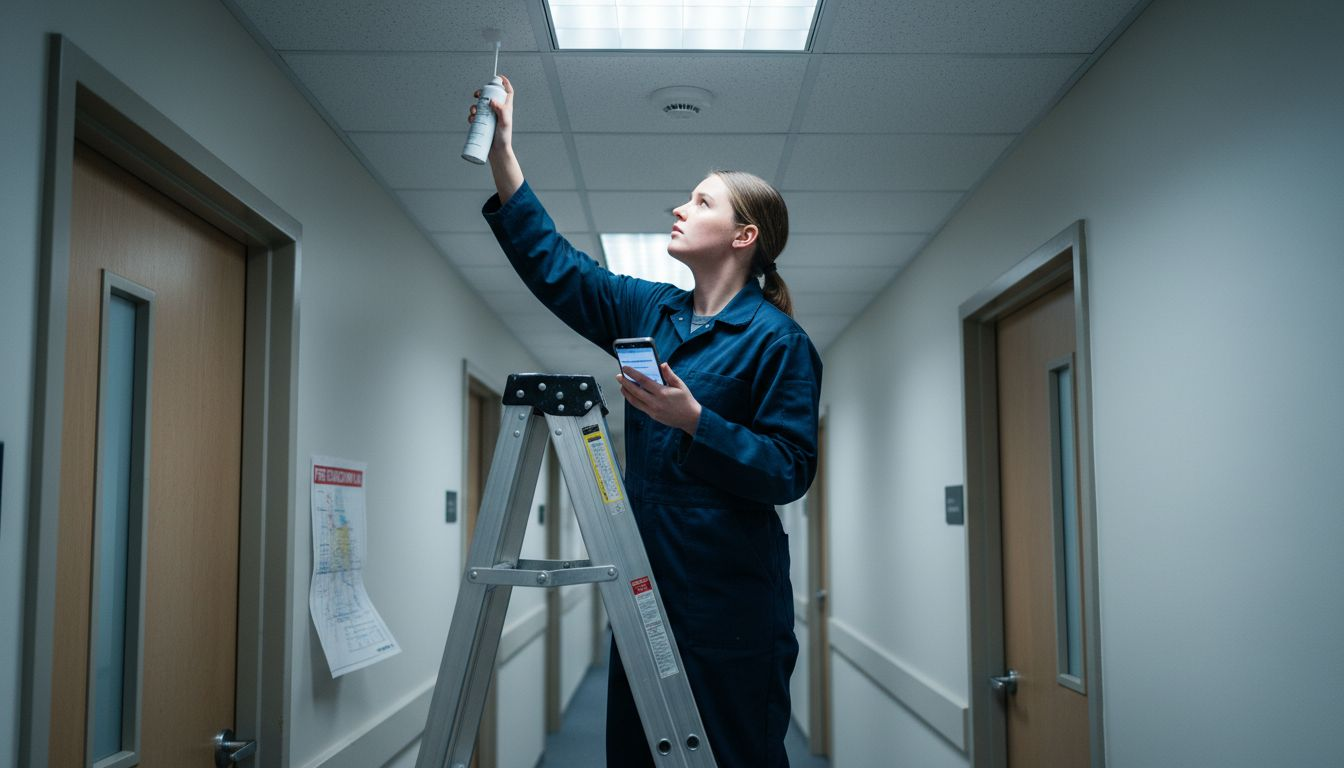
Simultaneously with alarm activation, your suppression systems spring into action. Sprinkler heads fuse at specific temperatures, typically around 155 to 165 degrees. When heat reaches that threshold, the sprinkler activates and begins discharging water over the fire area. Unlike movies depicting entire rooms flooding, modern sprinkler systems are precisely engineered. Only sprinklers directly over the fire activate. Neighboring sprinklers remain dormant. This targeted approach suppresses fire while minimizing water damage to unaffected areas. For specialized hazards like server rooms or electrical equipment, building codes require suppression systems using clean agents or foam that extinguish flames without water damage or residue. Your building may also have standpipes that provide firefighters with immediate water access for manual firefighting efforts once they arrive.
The integration of all these components creates a comprehensive defense strategy. Detection happens within seconds. Notification reaches occupants and first responders almost instantly. Suppression begins before flames can spread significantly. This layered approach means even if one component fails, others continue protecting your building and occupants. NFPA codes and standards ensure that fire protection components work together cohesively, with each system complementing the others rather than operating in isolation. Your property must also maintain these systems through regular inspections, testing, and maintenance. A sprinkler system that has not been inspected in years may not function when needed. Fire alarm batteries need replacement. Valves require testing. The systems only work effectively when properly maintained. This is why Houston fire codes mandate annual inspections and regular testing protocols. When everything works as designed, commercial fire protection transforms a potentially catastrophic event into a controlled situation where occupants escape safely and property damage stays minimal.
Pro tip: Establish a regular maintenance schedule documenting all inspections, tests, and repairs of your fire protection systems, keeping records readily available for fire department inspections and insurance audits.
Legal Compliance and Houston Fire Codes
Houston does not allow you to decide which fire protection systems to install based on preference or budget alone. The City enforces specific legal requirements through the Houston Fire Code, which is based on the International Fire Code with amendments tailored to local conditions. These codes are not suggestions or best practices. They are legal mandates backed by inspection authority and enforcement power. Non-compliance can result in citations, fines, work stoppages, and denial of occupancy permits. More importantly, inadequate fire protection exposes your property to catastrophic liability if a fire occurs and causes injury or death. Insurance companies may refuse claims if your building violated applicable codes.
The Houston Fire Code establishes mandatory infrastructure and system requirements that vary based on your building’s occupancy classification, size, and use. All commercial properties must provide fire apparatus access roads that allow fire trucks to reach your building quickly. You must maintain clear fire lanes that firefighters can navigate. Water supplies dedicated to fire protection must meet specific volume and pressure requirements so firefighters have immediate access to water for manual suppression efforts. If your building exceeds certain heights or square footage, you need fire command centers where firefighters can coordinate operations. Emergency responder radio coverage must reach inside your building so crews can communicate. These requirements exist because firefighter effectiveness depends entirely on being able to reach your building, access water, and coordinate their response. A perfectly installed sprinkler system becomes useless if fire trucks cannot reach your property or cannot access the water main connection.
When you renovate, expand, or change the use of your Houston commercial property, you must submit construction documents for review by the City’s permitting center. They examine your plans to verify that fire protection systems meet current code requirements for the proposed use. This review process catches problems before installation, saving you money and preventing costly corrections after construction. You cannot obtain a certificate of occupancy without passing final fire safety inspections. For existing buildings, Houston fire codes require periodic inspection and testing of all fire protection systems. Your sprinklers must be tested and certified annually. Fire alarm systems need professional monitoring and regular testing. Suppression systems for specialized hazards require specialized inspections. These requirements exist because systems degrade over time. Sprinkler pipes corrode. Fire alarm batteries die. Suppression agent canisters leak. Without mandatory testing, you might discover your protection is inadequate only when a fire starts.
The liability implications of code non-compliance are severe. If your property experiences a fire and investigations reveal that you knowingly violated fire codes, your building’s insurance may deny coverage. You could face personal liability for injuries or deaths. The fire department can issue citations and fines. The City can order your building closed until violations are corrected. Most critically, people could die due to inadequate protection. Compliance is not burdensome when approached proactively. Working with qualified fire protection specialists ensures your systems meet all Houston Fire Code requirements from the start. They understand fire system maintenance schedules and testing protocols that keep your property compliant continuously. They handle the paperwork and inspections, giving you confidence that your building meets every legal requirement.
Pro tip: Contact the Houston Fire Department or a certified fire protection contractor to conduct a code compliance audit of your building, identifying any gaps between your current systems and current legal requirements before fire inspections occur.
Risks, Costs, and Common Pitfalls
Ignoring or postponing commercial fire protection investments creates a dangerous gap between your property’s actual safety and what you think it provides. Many Houston property managers discover this gap only when a fire occurs, at which point the consequences become irreversible. The risks fall into three categories: safety risks to occupants, financial risks to your property, and legal risks to you personally. A fire in an unprotected building kills people. It destroys irreplaceable assets. It exposes you to lawsuits, criminal charges, and financial ruin. These are not theoretical concerns. They happen regularly to businesses that prioritize short-term savings over long-term protection.
The financial impact of fire protection failures extends far beyond the immediate property damage. Commercial structure fires cause devastating financial losses including property destruction, equipment loss, inventory loss, and extended business interruption. A warehouse fire does not just destroy the current contents. It halts your operations for months or years while rebuilding. You lose revenue. Customers find alternatives. Employees find other jobs. Insurance may deny coverage if your systems were inadequate. Even when insurance pays, deductibles and coverage limits often leave significant losses on your shoulders. The financial recovery timeline extends far beyond initial fire suppression. One major fire can bankrupt a business that seemed financially solid before the incident.
Common pitfalls that Houston property managers face reveal predictable patterns. The first mistake is underestimating system complexity. Owners think sprinkler systems are simple water pipes. They are not. Proper systems require specific pipe sizing, correct sprinkler head spacing, adequate water pressure, and backup power for the pump. Fire alarm systems need professional design, proper sensor placement, reliable monitoring, and regular testing. Many property managers inherit systems installed years ago and assume they still meet current codes. Building codes change. Your old system may violate current requirements. The second mistake is deferring maintenance to save money. A sprinkler system that has not been inspected in three years may have corroded pipes or blocked heads. Fire alarm systems with dead batteries fail silently. Backup power systems lose capacity over time. Maintenance costs are predictable and manageable. Emergency repairs after system failures are expensive and often impossible to complete before occupancy requirements are enforced.
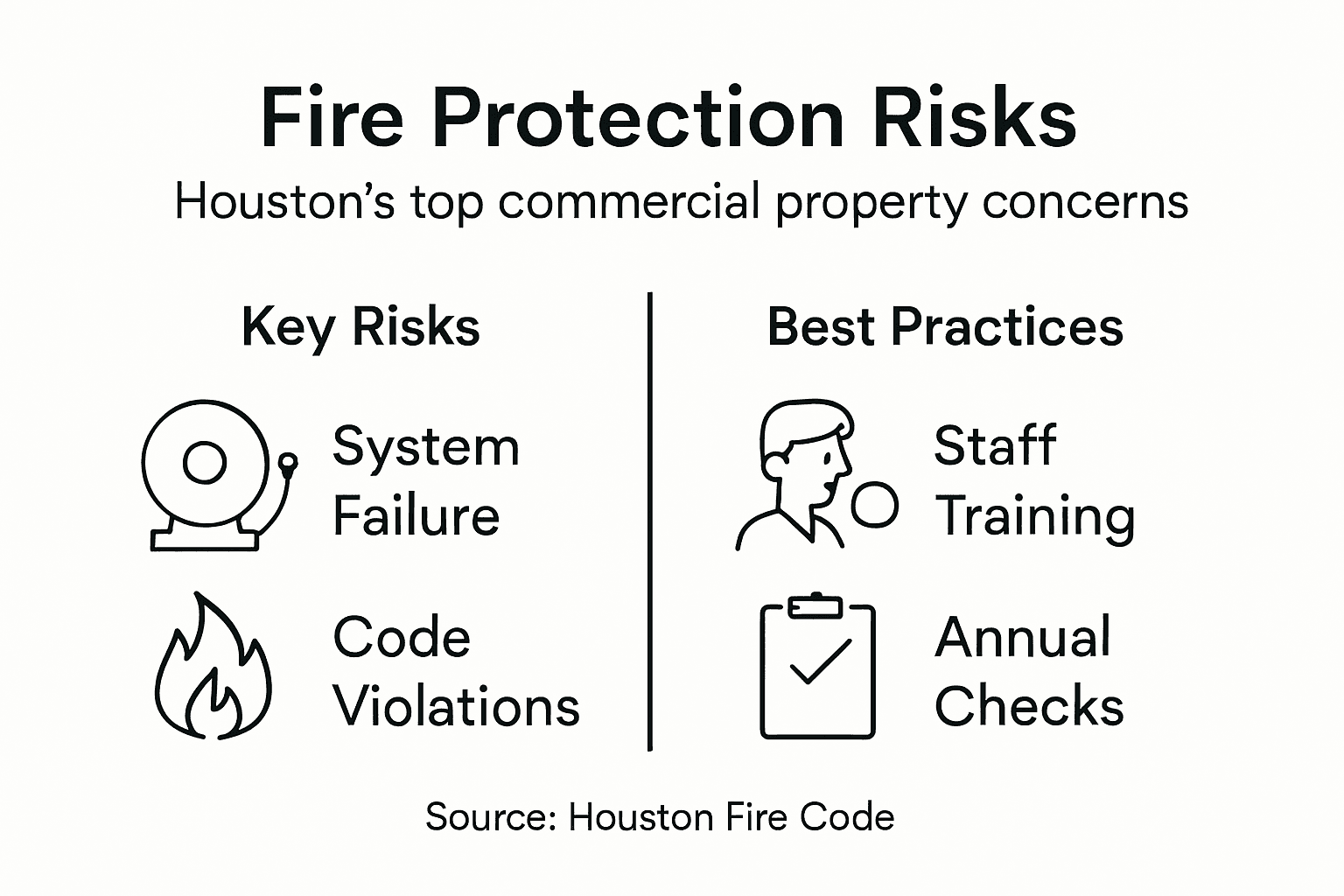
The third pitfall is inadequate staff training. Your employees need to know where fire exits are, how to use fire extinguishers, and how to evacuate safely. They need to understand that fire alarm systems are not false alarms to ignore. During an actual fire, panic and confusion cause injuries. Trained staff moves people efficiently and calmly. The fourth mistake is failing to update systems when building use changes. Your warehouse converted to office space? Your old suppression system may not provide adequate protection for the new occupancy. Your retail space added a new restaurant? That kitchen needs specialized suppression systems. Inadequate system design and poor maintenance cause devastating failures that could have been prevented through proper planning and regular updates. The fifth pitfall is assuming that code compliance happened once during initial construction and requires no further attention. Fire codes update. Buildings age. Equipment fails. Compliance is not a one-time event. It requires continuous attention and testing.
This table summarizes common pitfalls and proactive solutions for commercial fire protection in Houston:
| Common Pitfall | Risk Created | Proactive Solution |
|---|---|---|
| Skipping maintenance | System failure during fires | Schedule annual inspections |
| Outdated codes | Non-compliance penalties | Regular code compliance audits |
| Inadequate training | Unsafe evacuations | Routine staff fire drills |
| Ignored upgrades | Liability for new hazards | Update systems with renovations |
Pro tip: Schedule a comprehensive fire safety assessment with a qualified professional to identify existing system deficiencies, maintenance gaps, and code violations before they become liabilities during a fire or inspection.
Protect Your Houston Property With Trusted Commercial Fire Protection Solutions
Commercial fire protection involves complex systems like sprinklers, fire alarms, and suppression units designed to keep your building and occupants safe from devastating fires. If you manage a Houston property, you understand the critical need to comply with local fire codes and maintain these systems through regular inspection and professional maintenance. Facing risks like system failure, outdated equipment, and potentially severe legal consequences can be overwhelming. That is why partnering with experienced professionals committed to comprehensive fire safety is essential to secure your business and peace of mind.
At Reliable Fire Protection, we specialize in tailored commercial fire protection services that meet Houston’s stringent code requirements. Our expertise covers fire alarm systems, sprinkler installations, fire pumps, and specialized suppression solutions designed around your specific risks and business needs. Whether you need a new system, ongoing maintenance, or a thorough code compliance audit, our certified team supports your safety goals with prompt, reliable service. Do not wait until the next inspection or emergency. Visit our Fire Protection category page to learn more about how we can safeguard your property, or get started today at Reliable Fire Protection. Take action now to protect lives, secure assets, and maintain regulatory compliance with trusted Houston fire safety experts.
Frequently Asked Questions
What is commercial fire protection?
Commercial fire protection is a comprehensive strategy that combines active and passive systems to safeguard buildings, occupants, and assets from fire hazards. This includes fire alarms, sprinkler systems, fire pumps, and specialized suppression systems designed for various risks.
How do active fire protection systems work?
Active fire protection systems, like sprinkler systems and fire alarms, detect and suppress fires automatically. They activate as soon as heat or smoke is detected, alerting occupants and emergency services while working to control the fire simultaneously.
Why is regular maintenance important for fire protection systems?
Regular maintenance ensures that fire protection systems function correctly when needed. It includes inspections, testing, and repairs to maintain compliance with fire codes and enhance the systems’ reliability, preventing potential failures in emergencies.
What are the legal requirements for fire protection in commercial properties?
Legal requirements for fire protection are dictated by local fire codes, which mandate specific systems based on the building’s occupancy type, size, and use. Non-compliance can lead to fines, citations, and increased liability in case of fire incidents.
Recommended
- Fire Protection Explained: Safeguarding Houston Properties
- Commercial Fire Safety Basics: Protecting Houston Properties
- Commercial Fire Safety: Protecting Houston Businesses
- 7 Must-Have Fire Safety Equipment Tips for Houston Managers
- Fire Alarm System University Place TX
- Fire Alarm System Bellaire TX