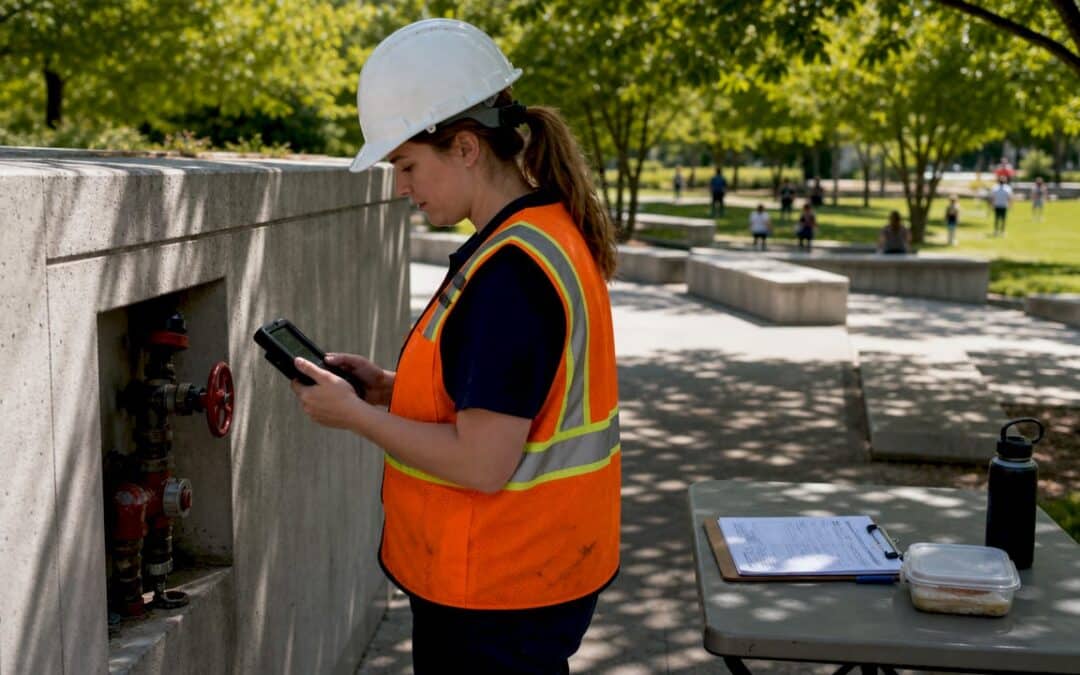
by Sean Ellis | Jul 3, 2026 | Fire Protection
TL;DR: A hospitality fire safety workflow integrates inspections, staff training, and emergency communication to ensure compliance and guest safety. Using digital platforms and role-specific training enhances safety management and reduces audit risks in hotels....
by Sean Ellis | Jul 2, 2026 | Fire Protection
Finding fire protection services that combine reliable emergency response with a clear record of local code expertise challenges property managers in Houston. Many providers restrict coverage to specific areas, rely on custom quotes instead of published pricing, or...
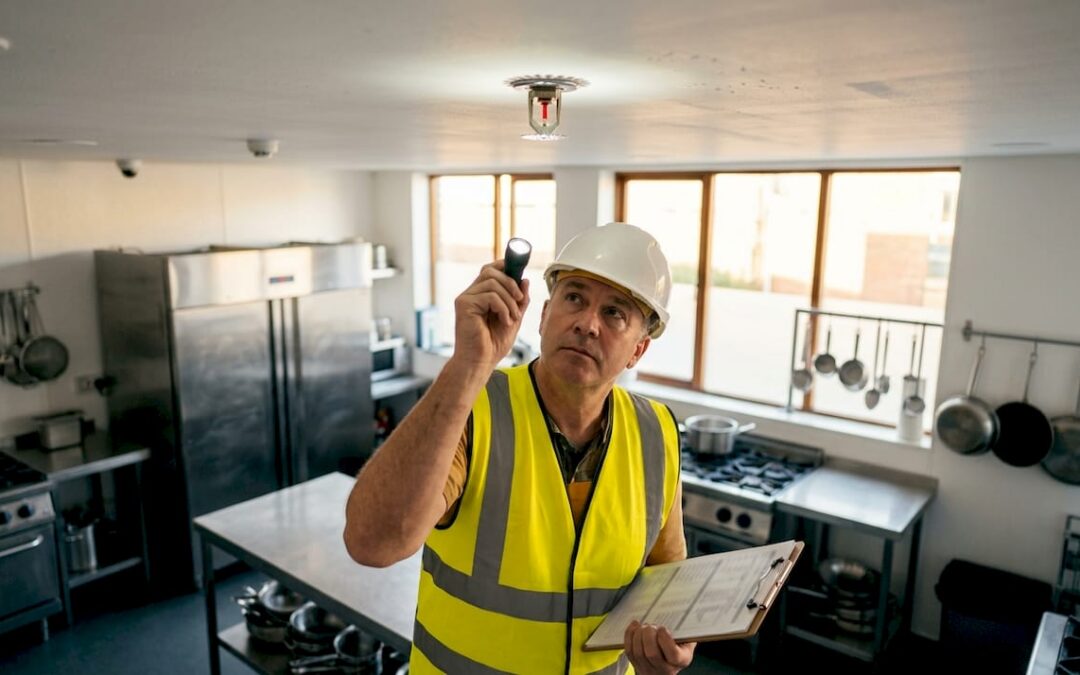
by Sean Ellis | Jul 1, 2026 | Fire Protection
TL;DR: Automatic sprinkler systems respond without human intervention, reducing fire fatalities by 90% and property damage by 70%. Properly maintained systems also save water, lower insurance premiums, and enhance property value and safety compliance. Regular...

by Sean Ellis | Jun 30, 2026 | Fire Protection
TL;DR: The fire incident reporting process involves documenting, classifying, and submitting fire events accurately and promptly. The 2026 transition to NERIS requires real-time reporting, shift-level training, and compliance with both federal and local mandates....
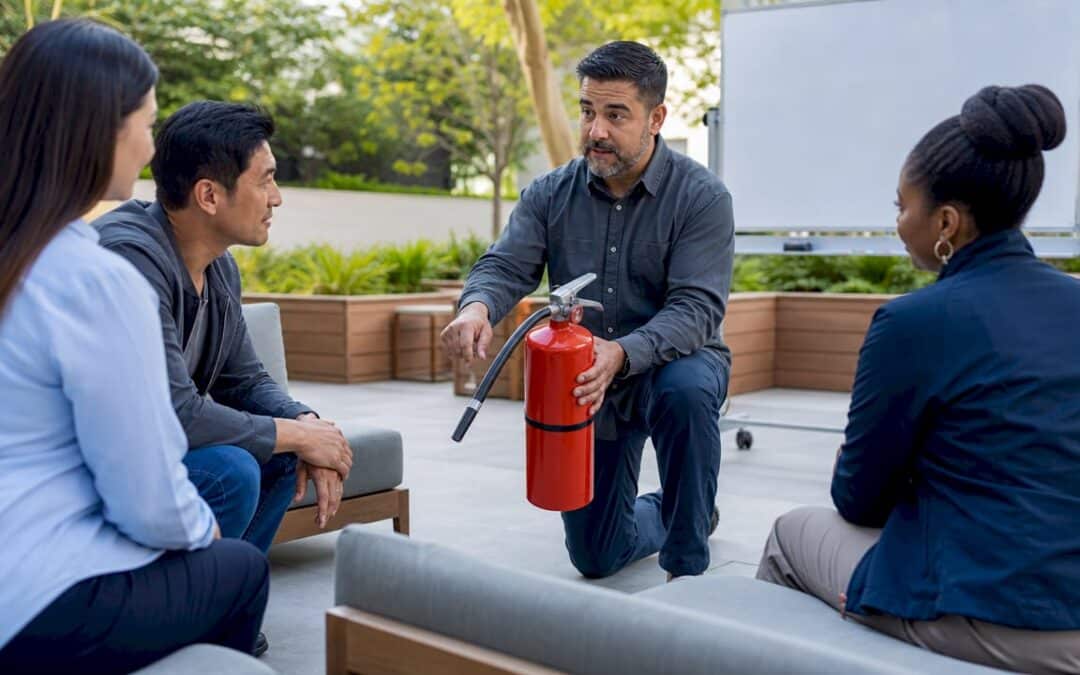
by Sean Ellis | Jun 29, 2026 | Fire Protection
TL;DR: Fire safety training teaches employees to prevent, detect, and respond to workplace fires, reducing damages significantly. It is a legal requirement, emphasizing role-specific instruction, hands-on practice, and thorough documentation to ensure real...

by Sean Ellis | Jun 28, 2026 | Fire Protection
TL;DR: Tenant fire safety involves maintaining safe conditions inside units, such as testing alarms and keeping exit paths clear. It is a legal responsibility that requires cooperation with inspections and proper daily habits to prevent fire hazards in buildings....
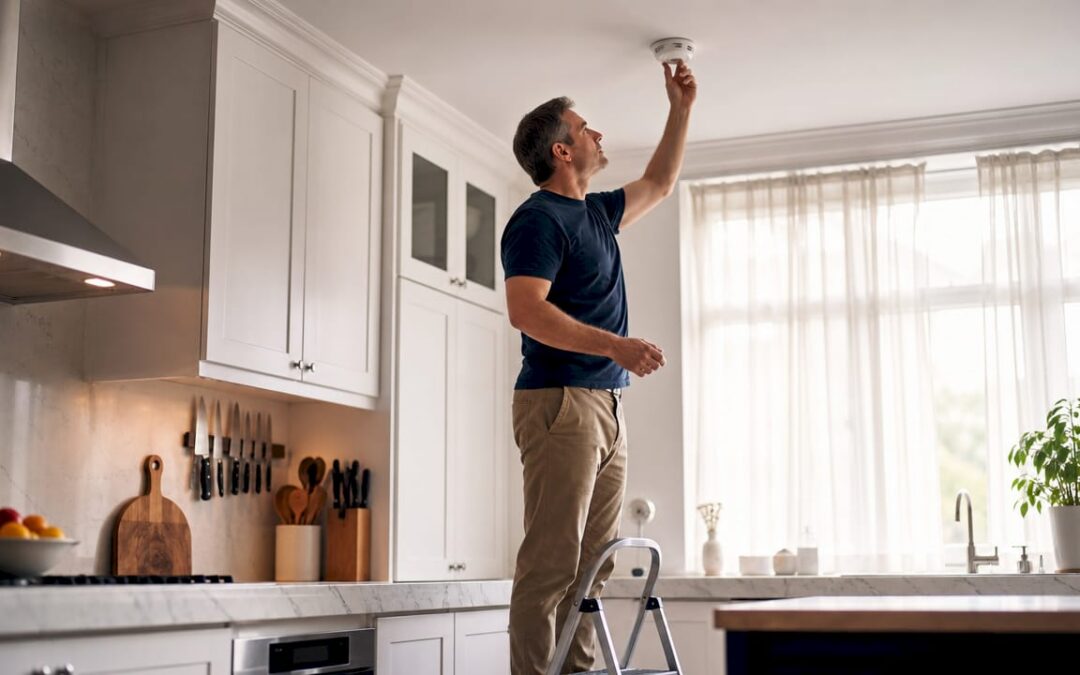
by Sean Ellis | Jun 27, 2026 | Fire Protection
TL;DR: A working smoke detector can reduce the risk of dying in a home fire by 50 percent. The best detectors in 2025 feature dual sensors, sealed 10-year batteries, and carbon monoxide detection to maximize safety. Proper placement, regular testing, and replacement...
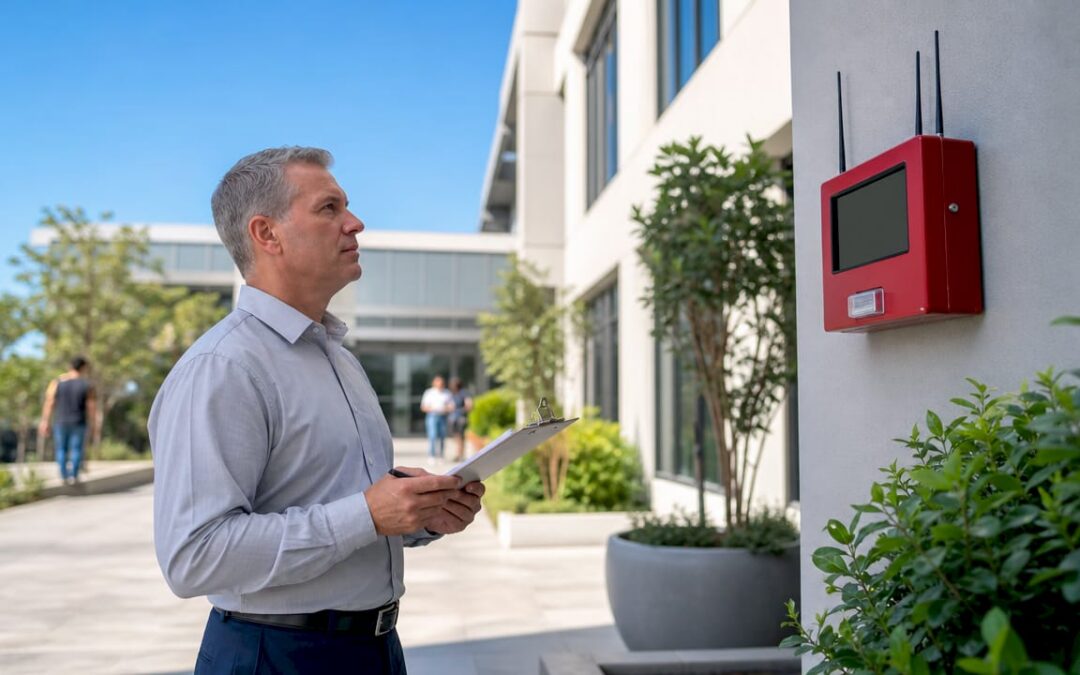
by Sean Ellis | Jun 26, 2026 | Fire Protection
TL;DR: Wireless fire detection systems use radio signals to communicate smoke, heat, and alarm devices without cables. They meet same standards as wired systems and are ideal for retrofit, heritage, and occupied buildings where quick installation is needed....

by Sean Ellis | Jun 25, 2026 | Fire Protection
TL;DR: Backflow preventers stop contaminated water from flowing back into drinking water supplies, with device selection based on hazard level. Proper installation and annual testing by certified professionals ensure compliance and protect public health. The type of...

by Sean Ellis | Jun 24, 2026 | Fire Protection
TL;DR: Fire codes are essential safety standards that help prevent fires and protect lives and property. They are enforced through regular inspections, and non-compliance can lead to costly fines, legal liability, and building closures. Maintaining ongoing compliance...