by Reliable Fire Protection | Aug 9, 2026 | Fire Protection
The most common causes of commercial fires are cooking incidents, electrical malfunctions, heating and powered-equipment failures, careless or unintentional actions, and intentional fires (arson). Every one of them is preventable with focused building controls,...

by Reliable Fire Protection | Aug 8, 2026 | Fire Protection
For most industrial facilities, the right suppression approach starts with one question: are people present when a fire could start? If yes, a clean agent system (FM-200, Novec 1230, or an inert gas blend) protects occupied control rooms, data rooms, and sensitive...
by Reliable Fire Protection | Aug 7, 2026 | Fire Protection
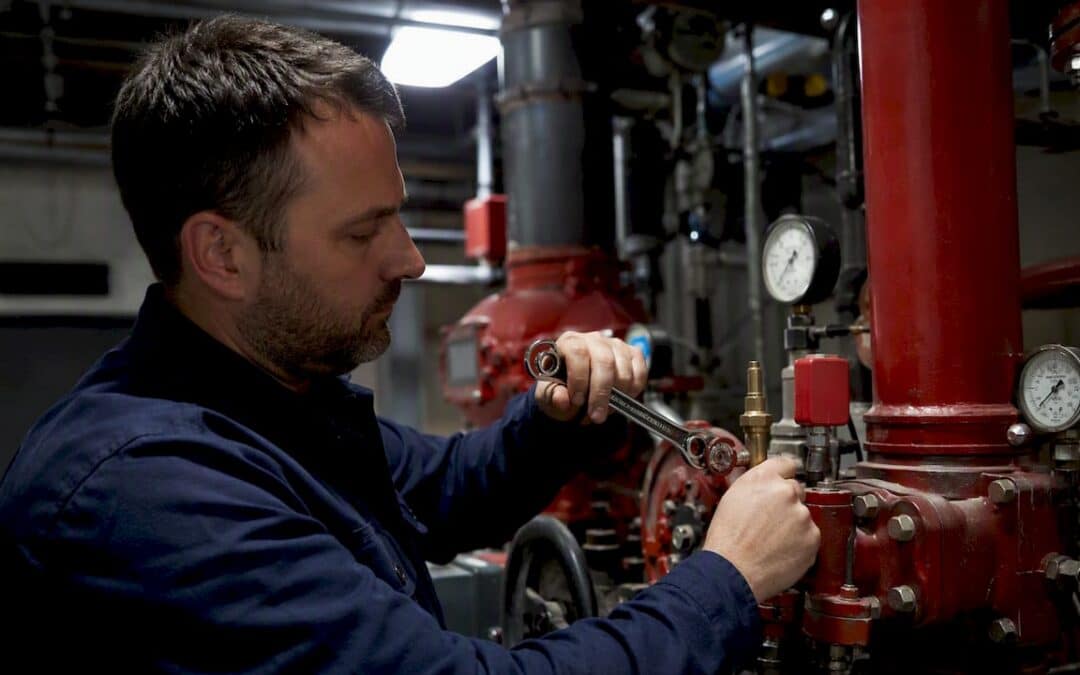
NFPA standards are consensus-based technical documents that become enforceable law only when a government body adopts them by reference. Once adopted, the Authority Having Jurisdiction (AHJ) enforces them with the same force as any local statute. That distinction...
by Reliable Fire Protection | Aug 6, 2026 | Fire Protection
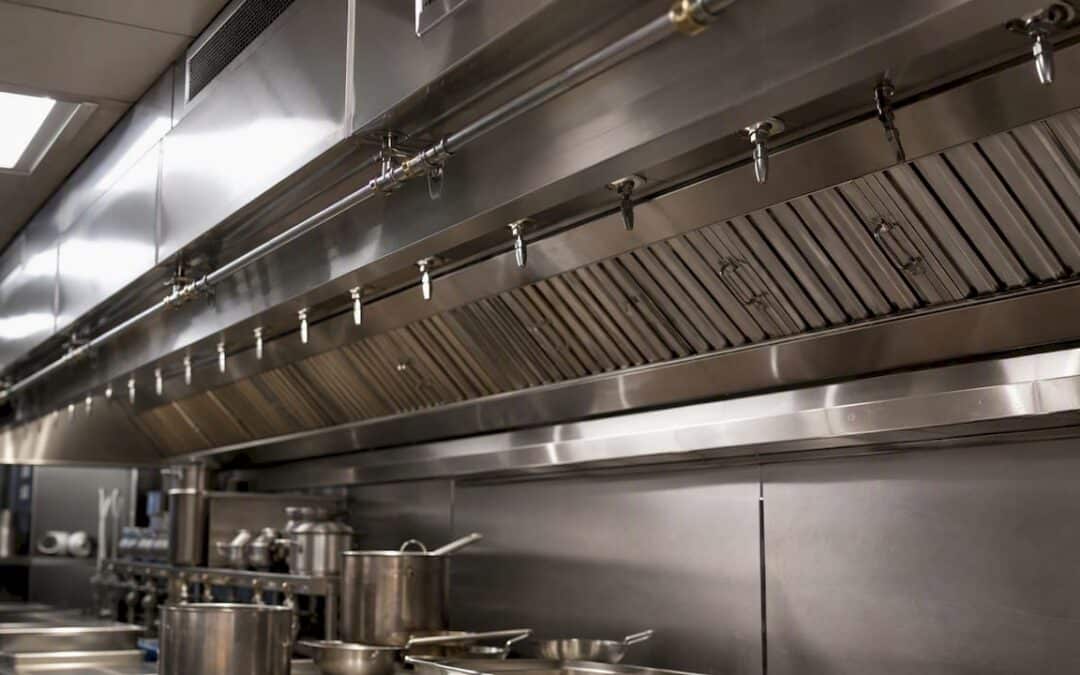
TL;DR: Hospital fire hazards include electrical faults, cooking operations, oxygen-enriched environments, chemical storage, and compromised smoke barriers. Maintaining life-safety systems and smoke compartmentation is crucial because smoke inhalation causes most...

by Reliable Fire Protection | Aug 5, 2026 | Fire Protection
An effective evacuation drill process moves every occupant to a designated assembly point, verifies full accountability, and produces documented corrective actions before the next drill cycle. Every drill that earns its compliance value covers these non-negotiables:...

by Reliable Fire Protection | Aug 4, 2026 | Fire Protection
TL;DR: Advanced fire detection systems provide earlier warnings and reduce false alarms in high-hazard environments. They utilize technologies like aspirating smoke, multi-criteria sensors, flame, gas, and linear heat detection, all compliant with NFPA 72 standards....