TL;DR:
- Fire sprinklers reduce residential fire deaths by over 90%, saving lives and injuries.
- Sprinklers confine fires, lower property damage by 70%, and enable faster business recovery.
- Regular maintenance and code compliance are essential for system reliability and legal protection.
Fire sprinklers are one of the most undervalued safety investments a Houston property owner can make. Most people think of them as a code checkbox, but the numbers tell a different story. Fire sprinklers reduce civilian fire death rates by over 90% compared to unsprinklered buildings. That is not a marginal improvement. That is a near-total elimination of the deadliest outcome. If you own or manage residential or commercial property in Houston, understanding the full scope of what sprinklers do for your safety, your assets, your legal standing, and your bottom line is not optional. It is essential.
Table of Contents
- Life safety: Saving lives and reducing injuries
- Asset protection: Limiting property damage and business interruption
- Houston fire code compliance: Meeting legal requirements and reducing liability
- System reliability and long-term value
- A smarter approach: What most Houston property owners miss about fire sprinklers
- Next steps: Protect your Houston property with expert sprinkler solutions
- Frequently asked questions
Key Takeaways
| Point | Details |
|---|---|
| Saves lives | Fire sprinkler systems reduce fire fatalities in Houston by over 90% compared to properties without them. |
| Protects property | Sprinklers confine fires to the origin and cut average property damage by 70%, minimizing business interruptions and repair costs. |
| Ensures compliance | Houston codes mandate sprinklers in many property types, helping owners stay legally protected and avoid costly fines. |
| Delivers long-term value | With over 92% operational reliability, fire sprinklers offer lower insurance rates and peace of mind. |
Life safety: Saving lives and reducing injuries
When a fire starts, every second counts. Smoke alarms alert people to danger, but they do nothing to stop the fire itself. Fire sprinklers are different. They respond to heat, activate within seconds, and begin suppressing the fire before it spreads. That early action is what saves lives.
NFPA data shows a 92.6% reduction in residential fire deaths in buildings equipped with sprinklers. Civilian injuries also drop by roughly 32%. Those are not just statistics. They represent real people in Houston homes and apartment buildings who make it out safely because the system worked.
Sprinklers and alarms work best together, but they serve different functions. Alarms detect and warn. Sprinklers suppress. As research on proactive suppression with sprinklers confirms, the two systems provide additive benefits. An alarm gives people time to evacuate. A sprinkler gives them even more time by slowing or stopping the fire entirely.
Here is what makes sprinkler systems so effective for life safety:
- They activate within the first minute of a fire reaching dangerous temperatures
- Only the heads nearest the fire activate, limiting collateral water exposure
- They suppress fires at the earliest stage, before toxic smoke fills a building
- They work around the clock, even when no one is present to respond
Understanding why Houston properties need sprinklers goes beyond meeting code. It is about giving occupants the best possible chance in a worst-case scenario. For apartment managers, hotel operators, and office building owners, that responsibility is not abstract. It is legal, moral, and financial.
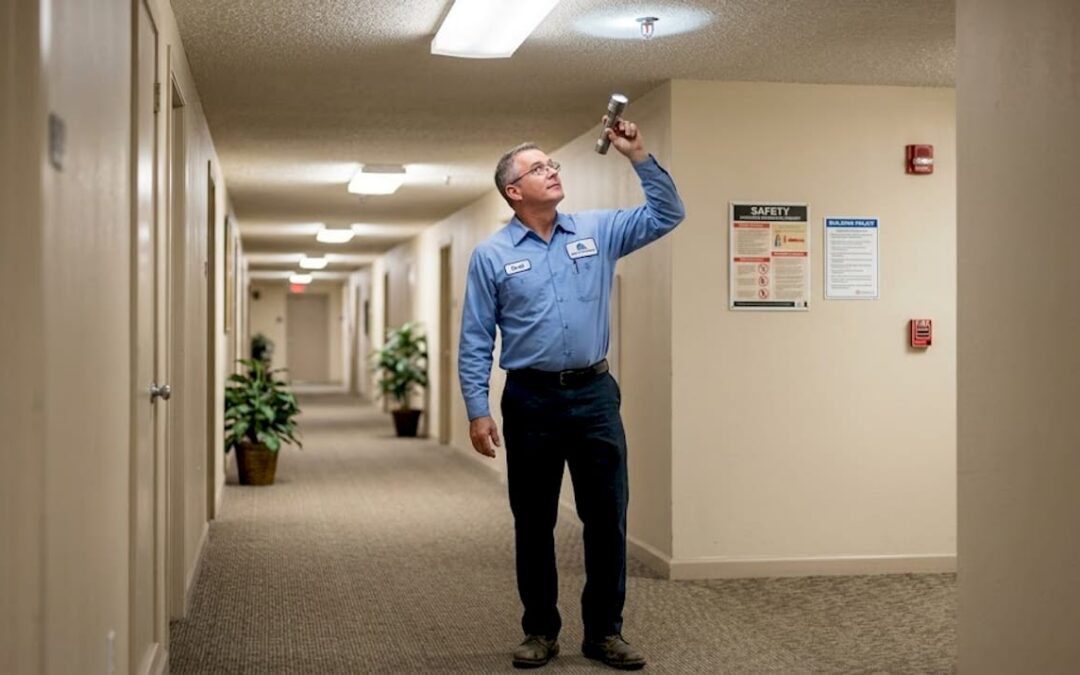
Pro Tip: Schedule annual sprinkler inspections to confirm every head, pipe, and valve is in working order. A system that has not been tested recently may not perform when it matters most. Maintenance is the single biggest factor in whether your system delivers on its life-safety promise.
For a deeper look at how these systems work mechanically, fire sprinkler systems explained covers the key components and design principles behind modern installations.
Asset protection: Limiting property damage and business interruption
Fires do not just kill. They destroy buildings, equipment, inventory, and livelihoods. For Houston property owners and business operators, the financial consequences of a major fire can be catastrophic even when everyone escapes safely.
The data here is striking. Sprinklers confine fires to the room or object of origin in 88 to 94% of cases, reducing average property damage by 70% compared to unsprinklered buildings. That means a fire that might have gutted an entire floor is instead contained to a single room. The structural difference between those two outcomes is enormous.
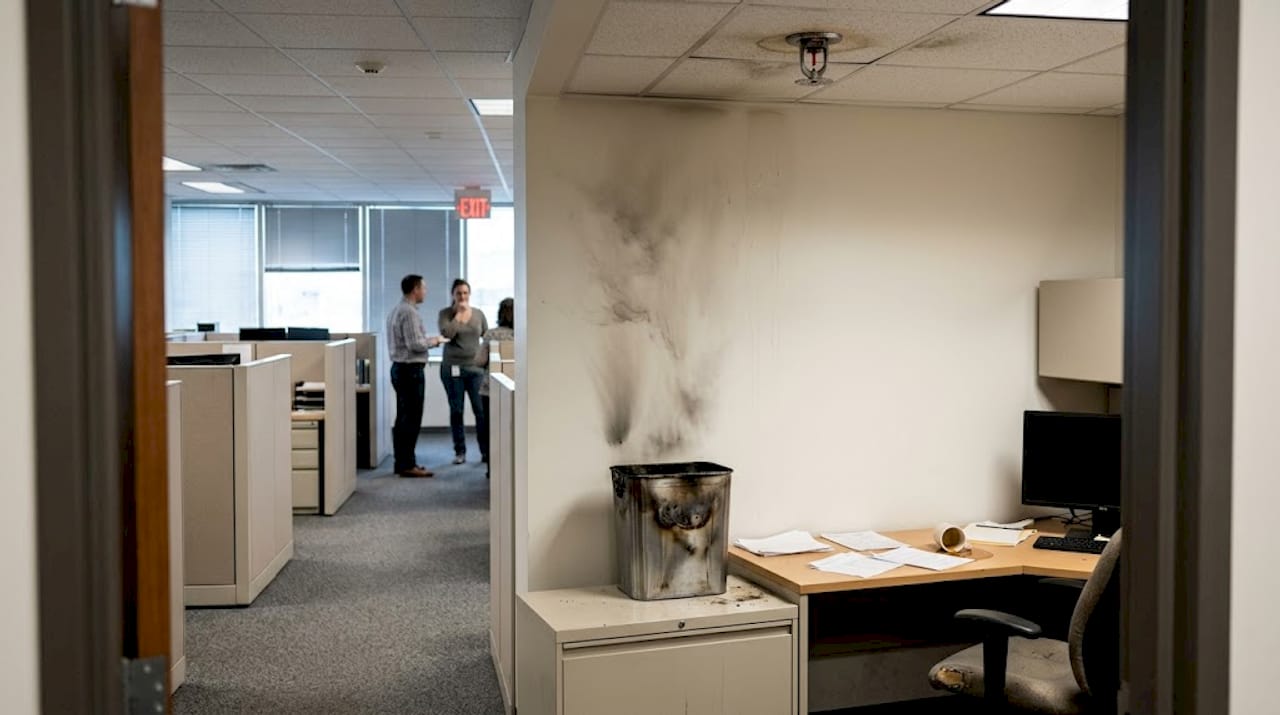
For businesses, it is not just about physical damage. It is about downtime. Every day a restaurant, warehouse, or office is closed for fire restoration is a day of lost revenue. Sprinklers dramatically shorten recovery time because they limit how much of the building is affected.
| Scenario | With sprinklers | Without sprinklers |
|---|---|---|
| Fire confined to room of origin | 88 to 94% of cases | Much less likely |
| Average property damage | 70% lower | Baseline |
| Business downtime after fire | Significantly reduced | Weeks to months |
| Insurance claim severity | Lower | Higher |
Here is what that means practically for Houston property owners:
- Retail spaces and restaurants can reopen faster after a contained fire
- Multifamily buildings avoid mass displacement of tenants
- Warehouses protect inventory and equipment from total loss
- Office buildings maintain lease obligations and tenant confidence
Understanding the importance for Houston assets is especially relevant given Houston’s dense commercial corridors and large multifamily developments. The financial case for sprinklers is not theoretical. It is backed by decades of loss data.
If you already have a system installed, reviewing the sprinkler inspection guide will help you confirm it is still positioned to deliver that 70% damage reduction when it counts.
Houston fire code compliance: Meeting legal requirements and reducing liability
Houston takes fire safety seriously, and the code requirements reflect that. If you are building, renovating, or expanding a property, you need to understand exactly where sprinkler mandates apply and what happens if you miss them.
The 2021 IFC adopted with amendments mandates sprinklers in new and renovated multifamily residential properties and certain commercial buildings. This is not a suggestion. It is a legal requirement with real consequences for non-compliance.
Common triggers that require sprinkler installation in Houston include:
- New construction of multifamily residential buildings with three or more units
- Commercial spaces exceeding specific square footage thresholds
- Buildings with high occupant loads such as assembly spaces, hotels, and healthcare facilities
- Renovations that change the occupancy classification of an existing structure
- Buildings with hazardous materials or processes that elevate fire risk
| Compliance factor | With sprinklers | Without sprinklers |
|---|---|---|
| Code violation risk | Minimal | High |
| Permit approval | Streamlined | Potential delays |
| Liability in fire event | Reduced | Significantly elevated |
| Insurance coverage terms | More favorable | Stricter or denied |
Beyond fines, the liability exposure for non-compliant property owners is serious. If a fire injures a tenant or destroys a neighboring business and your building lacked required sprinklers, legal consequences can be severe. Compliance is not just about avoiding penalties. It is about protecting yourself from lawsuits that can follow a fire for years.
Pro Tip: Keep a documented record of every inspection, test, and repair performed on your sprinkler system. In the event of a fire or a code audit, that paper trail demonstrates due diligence and can make a significant difference in both legal and insurance outcomes.
For a full breakdown of Houston code triggers and how to navigate them, and for guidance on choosing compliant systems for your specific property type, both resources are worth reviewing before your next project.
System reliability and long-term value
One of the most common objections to fire sprinkler investment is the assumption that the systems are unreliable or prone to accidental activation. The data does not support that concern.
Modern fire sprinkler systems operate effectively 92 to 97% of the time when activated, provided they are properly maintained. That is a higher reliability rate than most people expect, and it far exceeds what smoke alarms alone can deliver. Alarms detect. Sprinklers act.
“NFPA and NIST data consistently affirm that sprinkler systems, when maintained per NFPA 25 standards, deliver 92% or greater operational reliability and produce measurable long-term reductions in fatalities, injuries, and property damage.” Source: NIST Economic Impacts of Sprinklers
The long-term return on investment extends well beyond fire suppression. Property owners who install and maintain compliant sprinkler systems often see:
- Lower commercial property insurance premiums, sometimes 5 to 15% annually
- Stronger tenant retention because occupants feel safer in protected buildings
- Higher property valuations, especially in competitive Houston submarkets
- Reduced risk of catastrophic loss that could wipe out years of equity
The key phrase in all of this is “when maintained.” A sprinkler system that has not been inspected in three years is not a 97% reliable system. Maintenance per NFPA 25 (the industry standard for sprinkler inspection and testing) is what keeps reliability in that top range. Reviewing sprinkler inspection best practices gives you a clear picture of what a proper maintenance schedule looks like and what to ask your service provider.
For Houston property owners managing multiple buildings or large commercial spaces, the cumulative ROI of a well-maintained sprinkler program is substantial. The upfront cost of installation is typically recovered through insurance savings, avoided losses, and reduced liability exposure over a relatively short period.
A smarter approach: What most Houston property owners miss about fire sprinklers
Here is what we see consistently in this industry: property owners treat fire sprinklers as a compliance cost rather than a strategic asset. They install the minimum required system, skip routine maintenance, and move on. That mindset costs them more in the long run.
The value of a sprinkler system is not static. It grows as Houston’s building codes tighten, as insurers update their underwriting criteria, and as tenants and buyers become more safety-conscious. A building with a well-documented, fully maintained sprinkler system is a more competitive asset today than it was five years ago, and that gap will widen.
Forward-thinking owners are already using sprinkler upgrades as a differentiator when marketing to commercial tenants and multifamily residents. Safety sells. It reduces vacancy, supports premium pricing, and signals professional management.
The owners who wait for a code mandate to force their hand will always be playing catch-up. Understanding sprinkler systems’ true value means recognizing that the best time to invest is before you are required to, not after a fire forces the conversation.
Next steps: Protect your Houston property with expert sprinkler solutions
Knowing the benefits is only the first step. Turning that knowledge into a properly installed, code-compliant, and reliably maintained system requires working with a team that understands Houston’s specific requirements and property types.

At Reliable Fire Protection, we design, install, and maintain fire sprinkler systems for residential and commercial properties across Houston and surrounding neighborhoods. Whether you need to understand the sprinkler workflow for compliance, schedule a full inspection guide review, or start the fire sprinkler installation process for a new project, our certified team is ready to help. Contact us today for a free quote and take the next step toward a safer, more protected property.
Frequently asked questions
How effective are fire sprinklers compared to smoke alarms?
Smoke alarms detect smoke and alert occupants, but fire sprinklers both detect heat and actively suppress the fire, operating successfully in 92 to 97% of incidents and dramatically reducing fatalities and property damage.
Do all sprinklers activate in a fire?
No, only the heads closest to the heat source activate. In fact, 77% of fires are controlled by a single sprinkler head, which means widespread water damage from accidental activation is far less common than most people assume.
What Houston properties require fire sprinklers by code?
Houston’s adopted 2021 IFC mandates sprinklers in new or renovated multifamily residential buildings, large commercial spaces, and properties with high occupant loads or elevated hazard classifications.
How often does a fire sprinkler need maintenance?
Annual inspections and testing per NFPA 25 standards are recommended to maintain 92% or greater operational reliability and ensure your system meets Houston code requirements year after year.
Recommended
- Why sprinkler systems matter for Houston property safety
- Why install sprinklers in Houston properties in 2026
- Fire Sprinkler Systems Explained: Protecting Houston Properties
- Fire prevention checklist for Houston properties 2026
- Fire Alarm System University Place TX
- Fire Alarm System Services in Bellaire, TX