by Sean Ellis | Aug 12, 2026 | Fire Protection
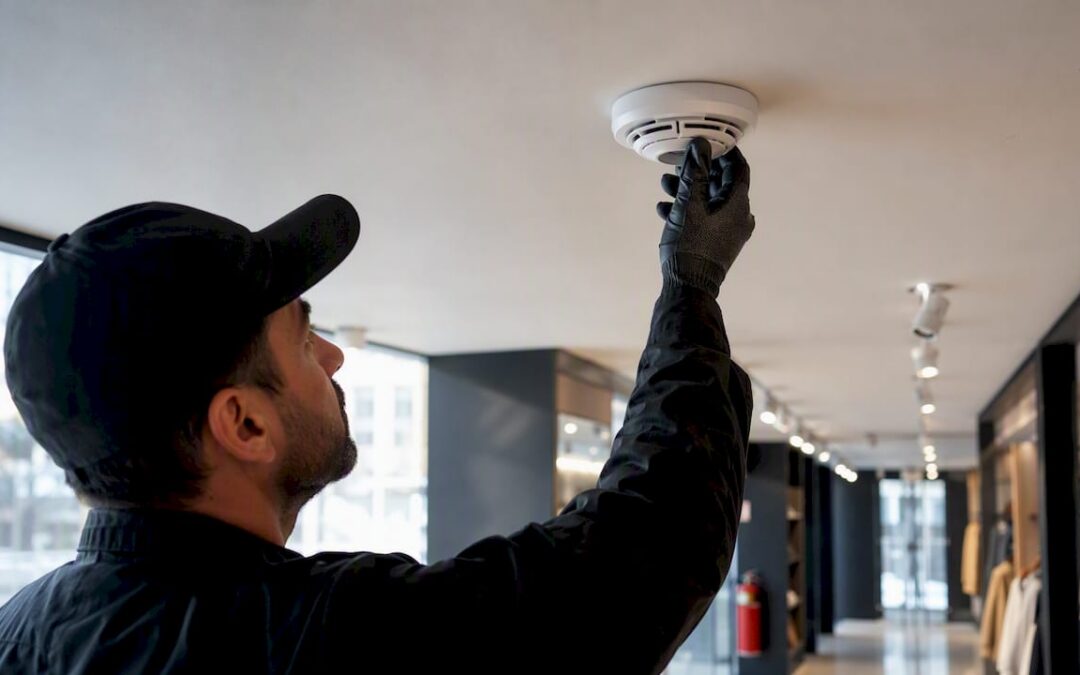
Early detection of fires is the single most effective life-safety measure available to building owners, facility managers, and homeowners. NFPA data shows that roughly 3 out of 5 home fire deaths occur in homes with no working smoke alarms or alarms that failed to...
by Sean Ellis | Aug 11, 2026 | Fire Protection
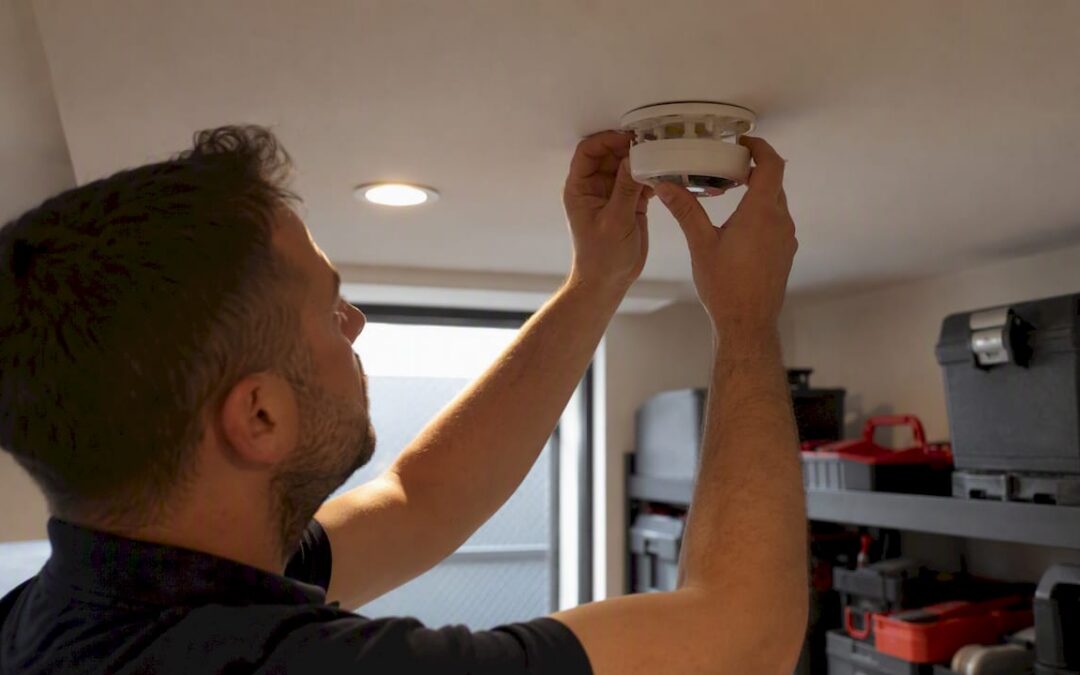
Certified fire-protection technicians are the credentialed specialists who perform system layout, shop drawings, inspection, testing, maintenance (ITM), installation support, and emergency repairs on life-safety systems. Under NFPA 72 and the guidance of the Authority...

by Sean Ellis | Aug 10, 2026 | Fire Protection
Under 29 CFR 1910.157, employers who provide portable fire extinguishers for employee use must select, place, inspect, maintain, test, train employees on, and document every unit. That obligation covers general industry. Construction sites fall under 29 CFR 1926.150,...

by Sean Ellis | Aug 9, 2026 | Fire Protection
The most common causes of commercial fires are cooking incidents, electrical malfunctions, heating and powered-equipment failures, careless or unintentional actions, and intentional fires (arson). Every one of them is preventable with focused building controls,...

by Sean Ellis | Aug 8, 2026 | Fire Protection
For most industrial facilities, the right suppression approach starts with one question: are people present when a fire could start? If yes, a clean agent system (FM-200, Novec 1230, or an inert gas blend) protects occupied control rooms, data rooms, and sensitive...
by Sean Ellis | Aug 7, 2026 | Fire Protection
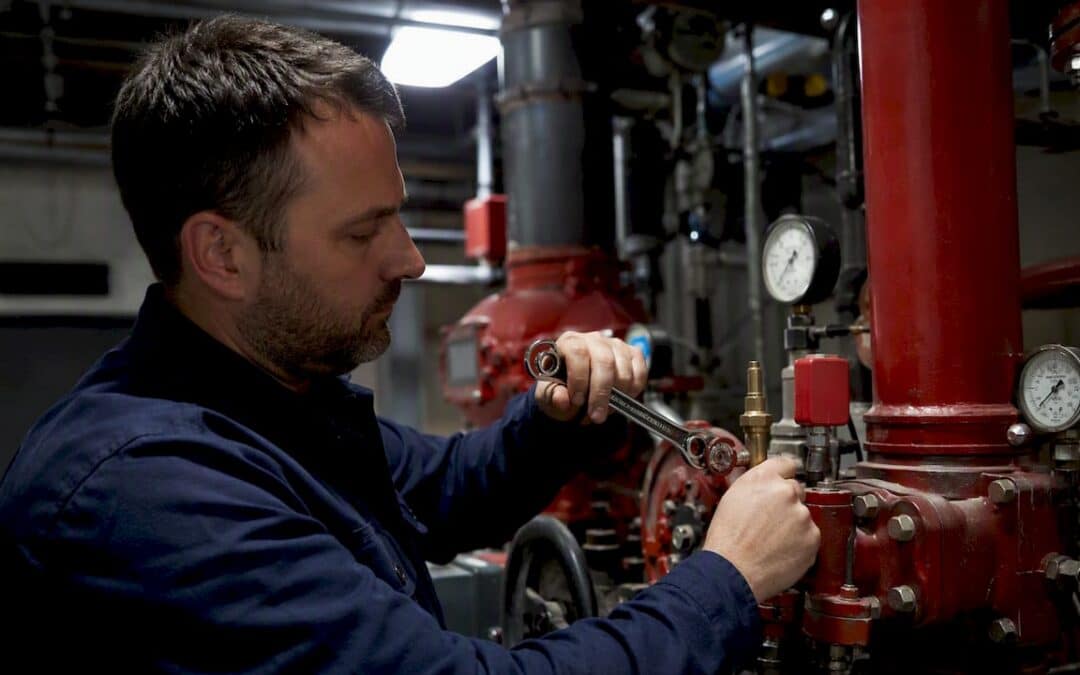
NFPA standards are consensus-based technical documents that become enforceable law only when a government body adopts them by reference. Once adopted, the Authority Having Jurisdiction (AHJ) enforces them with the same force as any local statute. That distinction...

by Sean Ellis | Aug 6, 2026 | Fire Protection
TL;DR: Hospital fire hazards include electrical faults, cooking operations, oxygen-enriched environments, chemical storage, and compromised smoke barriers. Maintaining life-safety systems and smoke compartmentation is crucial because smoke inhalation causes most...

by Sean Ellis | Aug 5, 2026 | Fire Protection
An effective evacuation drill process moves every occupant to a designated assembly point, verifies full accountability, and produces documented corrective actions before the next drill cycle. Every drill that earns its compliance value covers these non-negotiables:...

by Sean Ellis | Aug 4, 2026 | Fire Protection
TL;DR: Advanced fire detection systems provide earlier warnings and reduce false alarms in high-hazard environments. They utilize technologies like aspirating smoke, multi-criteria sensors, flame, gas, and linear heat detection, all compliant with NFPA 72 standards....

by Sean Ellis | Aug 3, 2026 | Fire Protection
TL;DR: NFPA compliance ensures your fire safety systems meet local standards, but enforcement depends on jurisdiction adoption. Property managers should verify AHJ-adopted editions, keep inspection records, and schedule all required tests to avoid violations. NFPA...