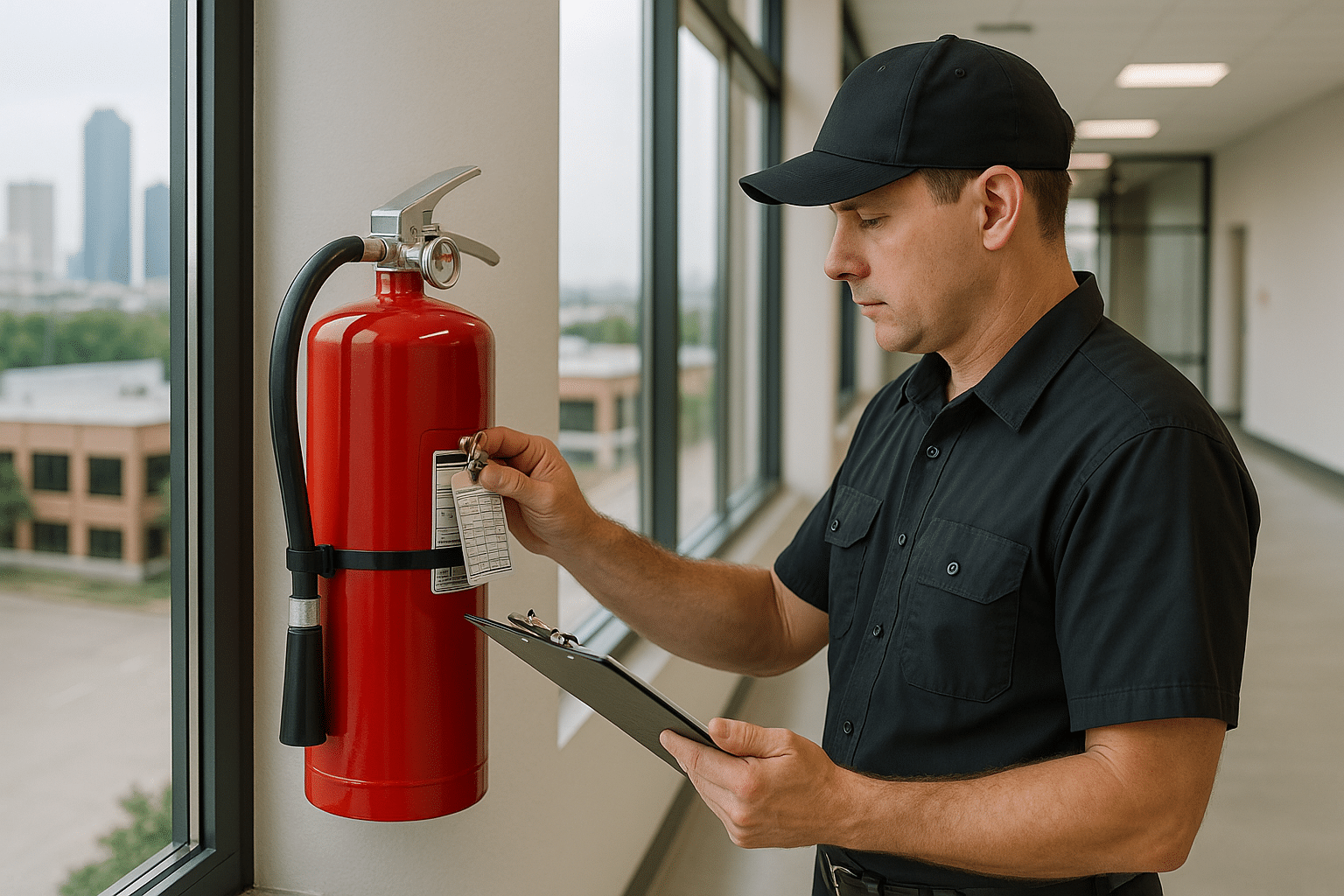
by Sean Ellis | Sep 27, 2026 | Fire Protection
TL;DR: Texas businesses must follow NFPA 10 and OSHA 1910.157 rules for fire extinguisher placement, monthly visual checks, and annual maintenance by a licensed technician, plus periodic 6- and 12-year testing. This checklist breaks down exactly what Houston property...

by Sean Ellis | Sep 26, 2026 | Fire Protection
TL;DR: Water-based sprinklers can destroy server equipment as thoroughly as fire itself. Clean agent suppression systems discharge a gaseous agent within seconds, extinguish fires without residue, and keep servers online — making them the code-preferred choice under...
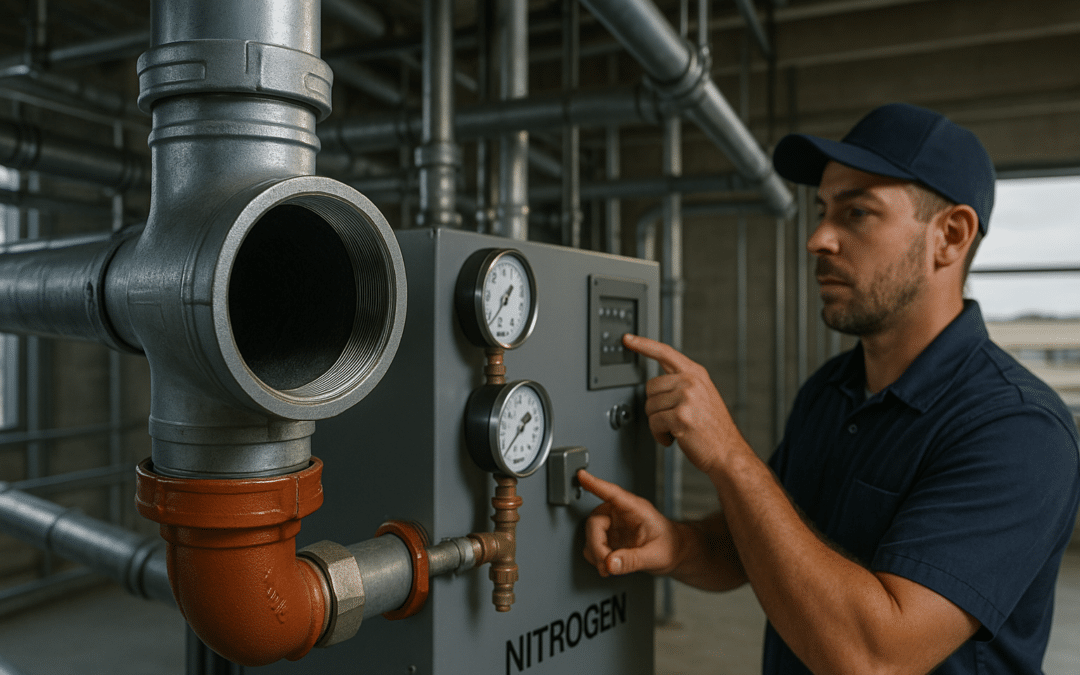
by Sean Ellis | Sep 24, 2026 | Fire Protection
TL;DR: Oxygen trapped inside fire sprinkler pipes is the primary driver of internal corrosion, causing pinhole leaks and premature pipe failure — a particular risk in Houston’s high-humidity environment. Nitrogen inerting replaces that oxygen with inert nitrogen...
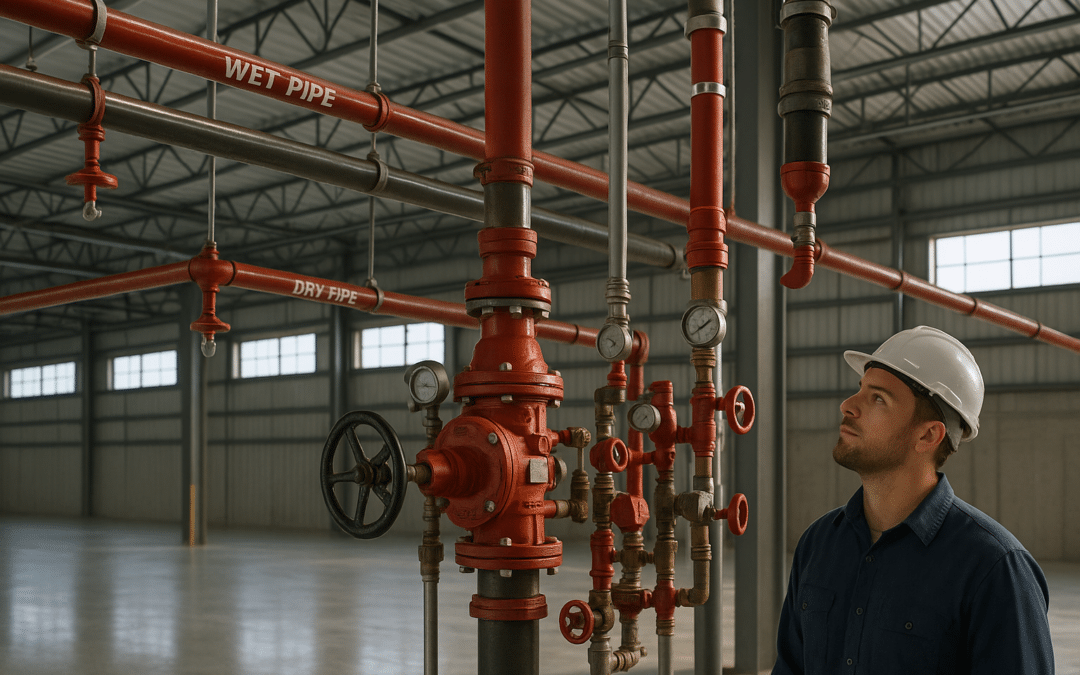
by Sean Ellis | Sep 23, 2026 | Fire Protection
TL;DR: Wet pipe systems deliver water instantly and cost less to install, making them the right choice for most heated Houston commercial spaces. Dry pipe systems keep pressurized air in the pipes instead of water, making them essential for unheated warehouses,...
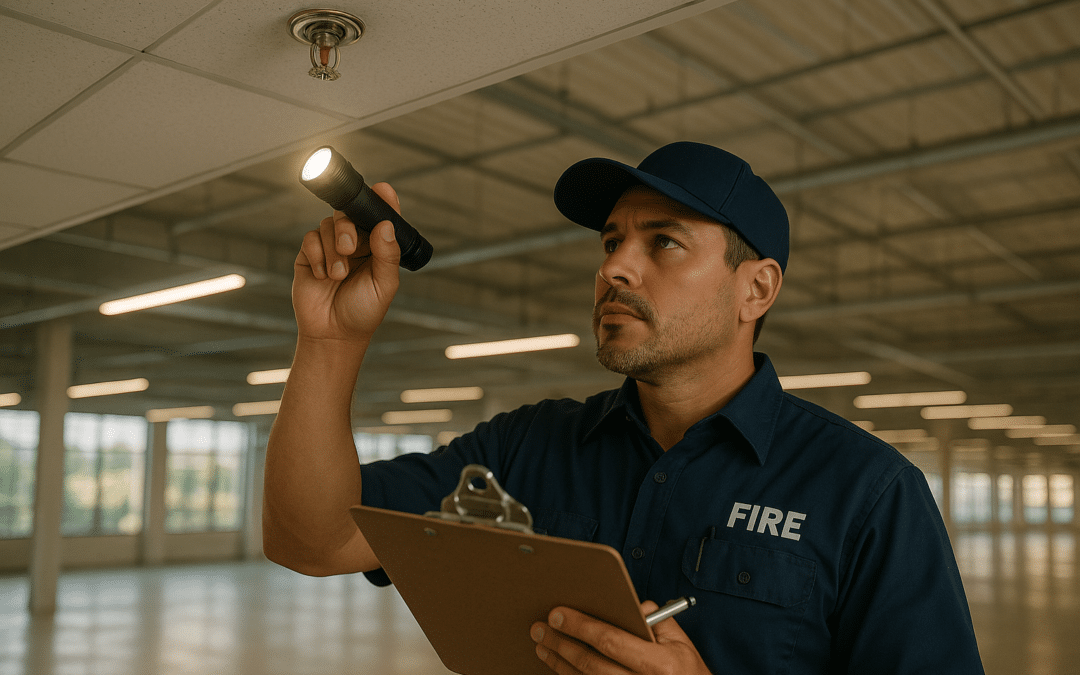
by Sean Ellis | Sep 22, 2026 | Fire Protection
TL;DR: NFPA 25 requires fire sprinkler inspections on a tiered schedule ranging from weekly gauge checks to five-year internal pipe assessments — and an annual visit alone does not meet the standard. In Houston, commercial property owners bear full legal...
by Sean Ellis | Sep 21, 2026 | Fire Protection
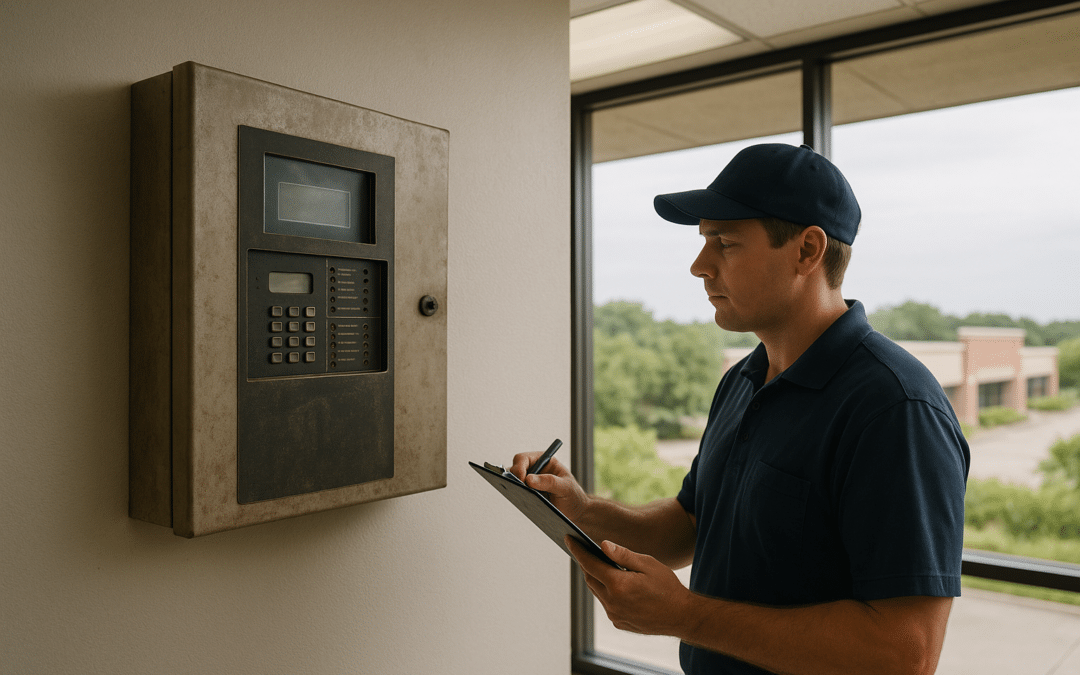
TL;DR: Most commercial fire alarm control panels have a useful lifespan of 10–15 years. If your Houston business is seeing chronic false alarms, recurring trouble signals, discontinued parts, failed inspections, or a building renovation that changes occupancy,...
by Sean Ellis | Sep 20, 2026 | Fire Protection
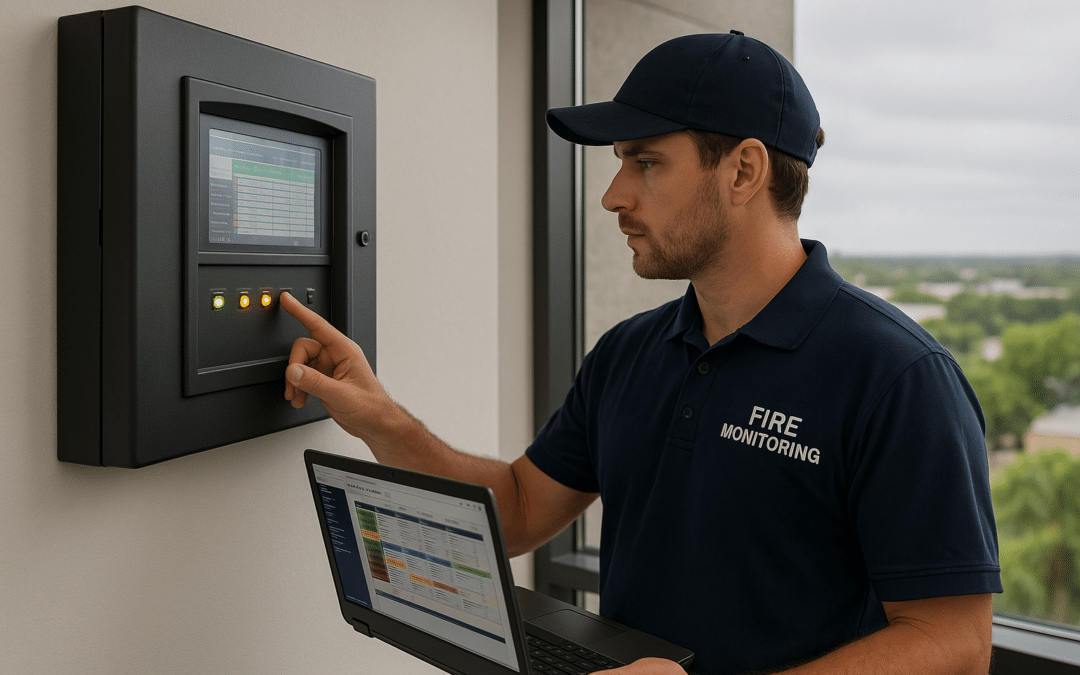
TL;DR: Central station fire alarm monitoring connects your building’s fire alarm control panel to a staffed, UL-listed facility that operates 24/7 and automatically dispatches the fire department when a verified alarm signal arrives. Houston’s IFC-based...
by Sean Ellis | Sep 19, 2026 | Fire Protection
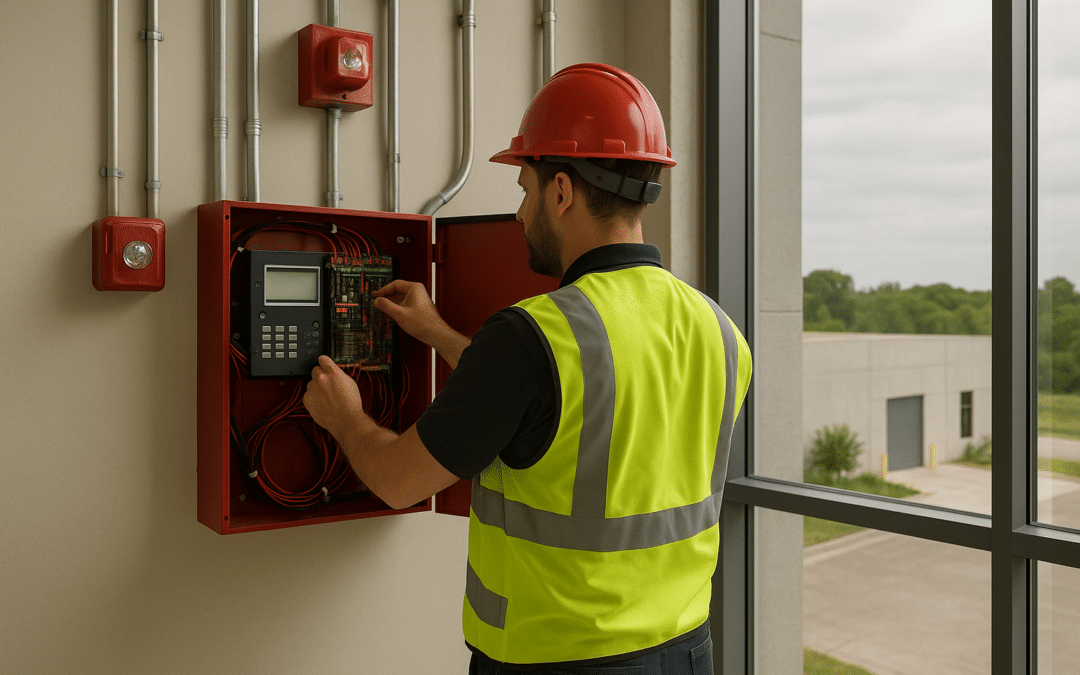
TL;DR: Commercial fire alarm installation in Houston typically runs $1–$7 per square foot for standard new-construction systems, rising to $4–$12 per square foot for retrofits in older buildings. Total project cost ranges from roughly $2,000 for small suites to well...
by Sean Ellis | Sep 18, 2026 | Fire Protection
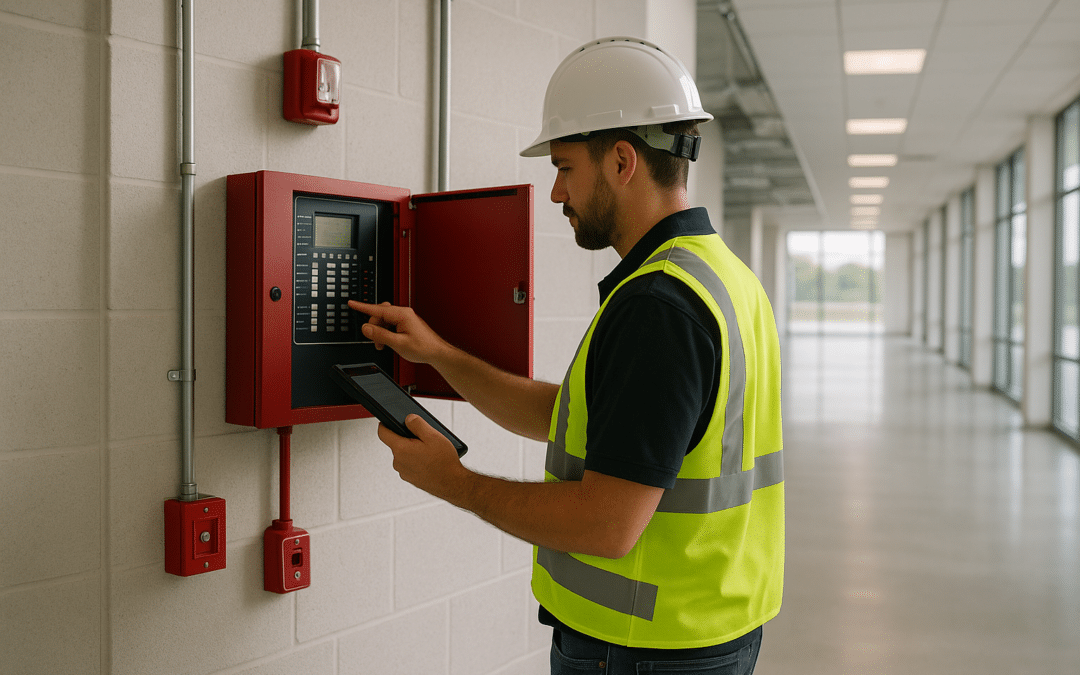
TL;DR: NFPA 72 is the national standard governing fire alarm inspection, testing, and maintenance for commercial buildings, and Texas enforces it through the State Fire Marshal’s Office. Houston property managers must meet specific testing schedules — ranging...
by Sean Ellis | Sep 17, 2026 | Fire Protection
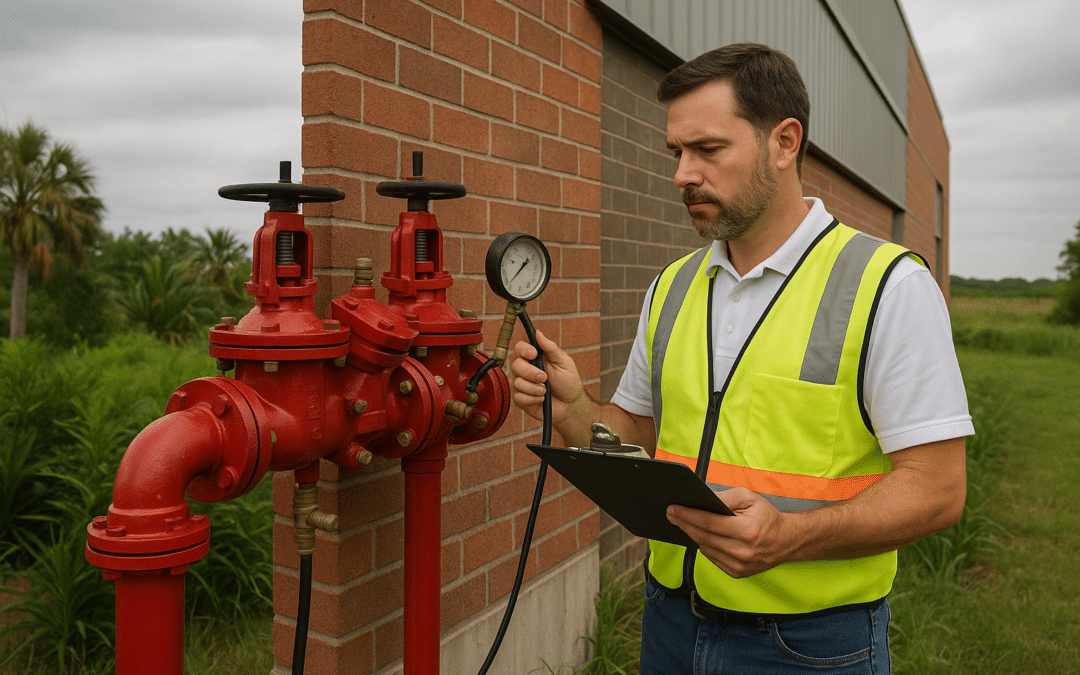
TL;DR: Texas law under 30 TAC §290.44 requires annual backflow preventer certification for most commercial properties. You must hire a TCEQ-licensed Backflow Prevention Assembly Tester (BPAT), complete the TCEQ Form 20700, and file results with your local water...