by Sean Ellis | Aug 22, 2026 | Fire Protection
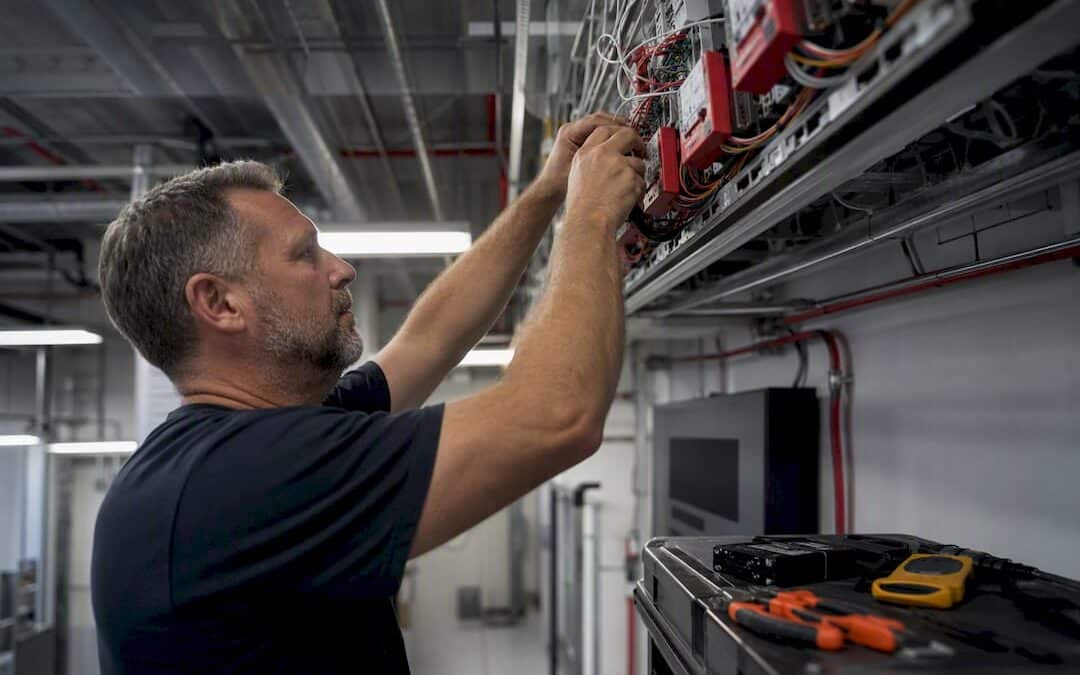
Yes, if your alarm system can automatically notify the Houston Fire Department, you need a permit under city ordinance. City Code Chapter 11, Sec. 11-12 makes it unlawful to operate such a system without one. Single-family homes are exempt, but monitored commercial,...
by Sean Ellis | Aug 21, 2026 | Fire Protection
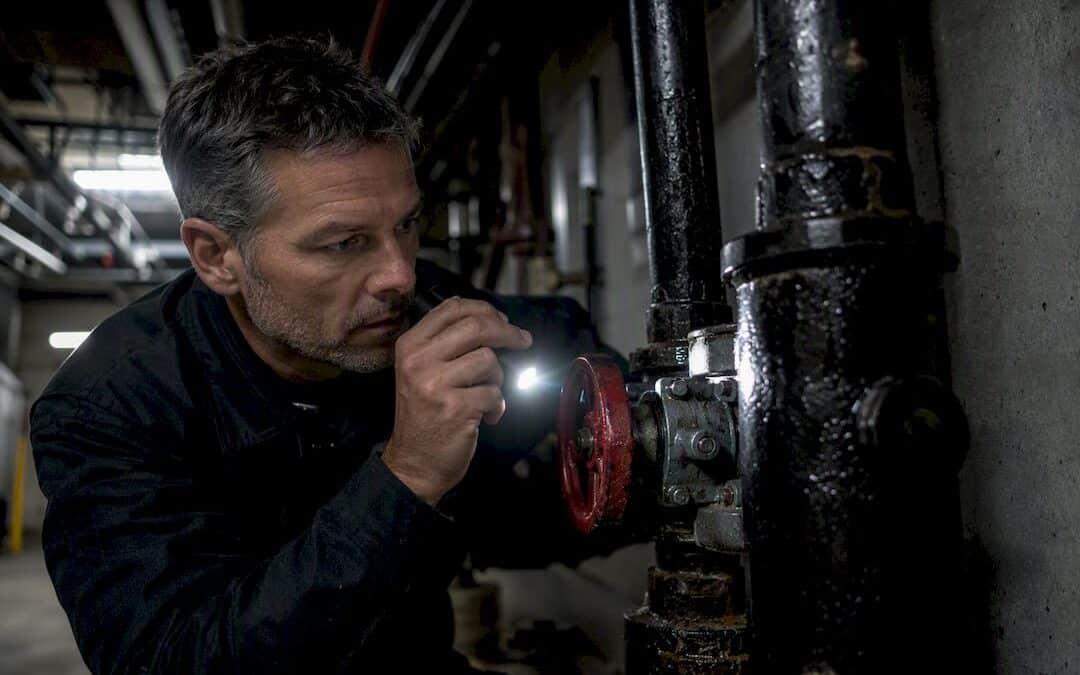
If you find a sprinkler pipe leak, isolate the affected riser or control valve immediately, only if it can be done without disabling protection to occupied areas, start an NFPA 25 impairment procedure, and notify your monitoring company or authority having...
by Sean Ellis | Aug 20, 2026 | Fire Protection
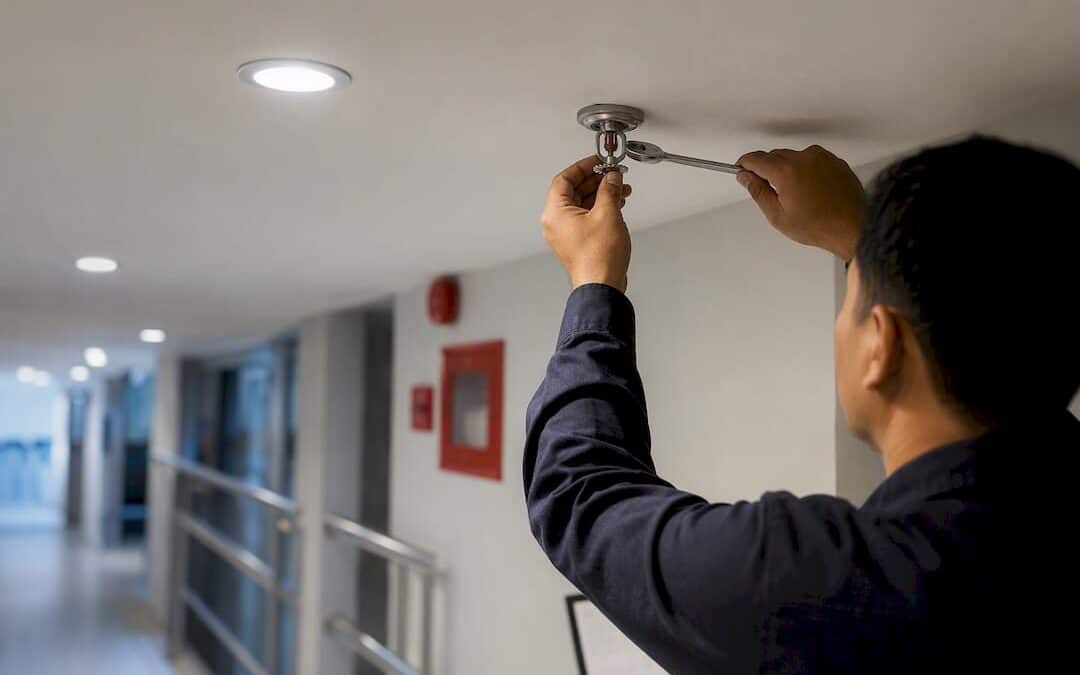
Local fire codes are the legally enforceable minimum standards that dictate how a building prevents fires, detects them, suppresses them, and gets people out alive. They aren’t suggestions or best-practice guides. They’re law, and the local Authority Having...
by Sean Ellis | Aug 19, 2026 | Fire Protection
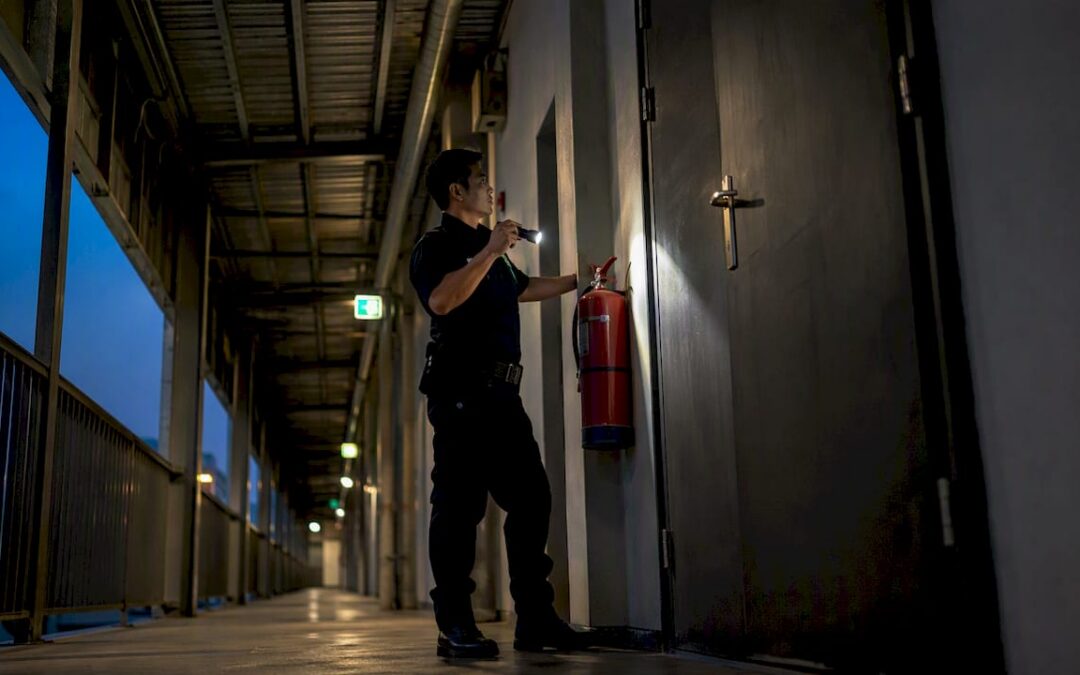
In Texas, a fire watch is required whenever a required fire protection system is out of service or hot work creates an elevated ignition risk, and the authority having jurisdiction can order one immediately. The owner or property manager is responsible for putting it...
by Sean Ellis | Aug 18, 2026 | Fire Protection
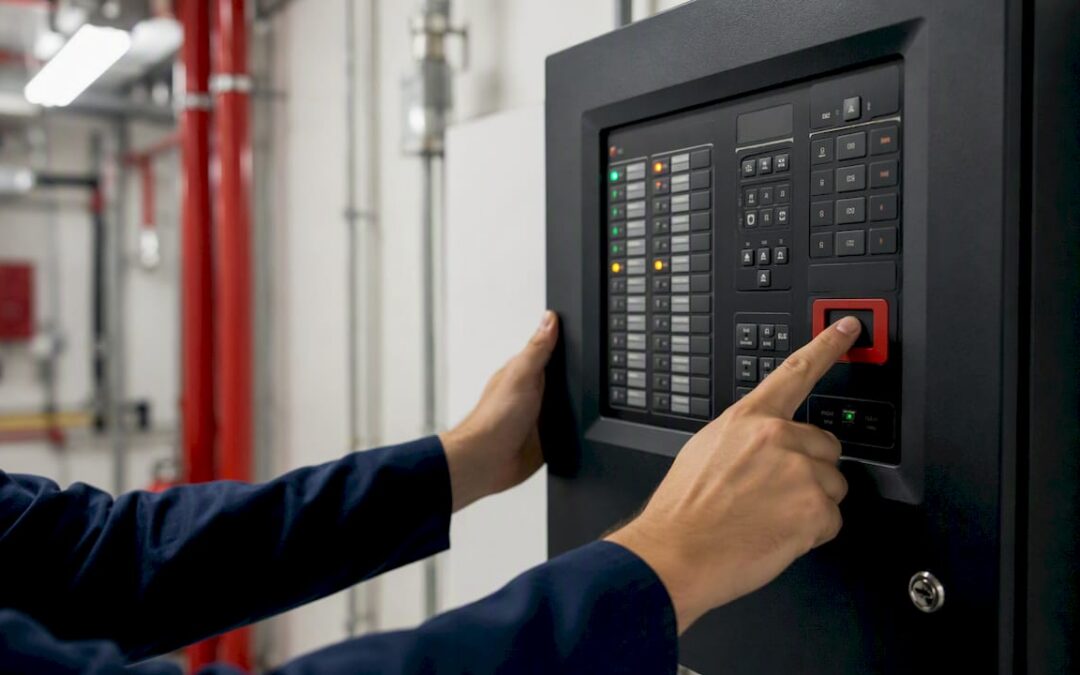
When a fire alarm activates or you confirm a fire, the sequence is this: verify the alarm panel and zone, order evacuation or investigate per your Emergency Action Plan (EAP), call 911, notify your fire-protection contractor, account for every occupant, and document...
by Sean Ellis | Aug 17, 2026 | Fire Protection
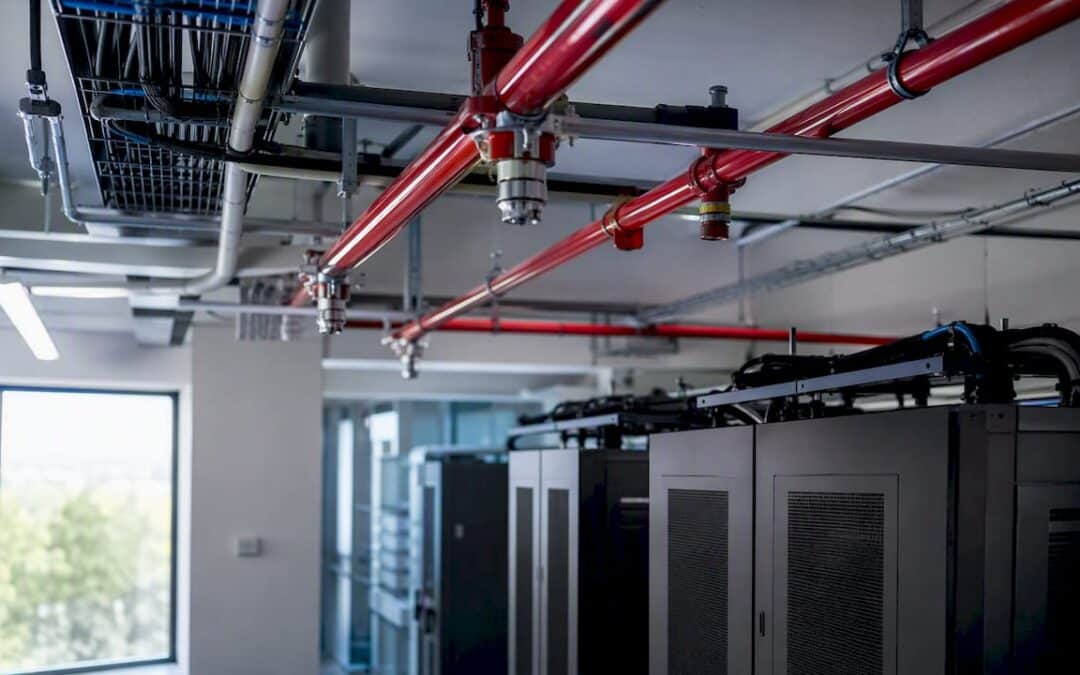
The right answer for most server rooms is a clean-agent or inert-gas total-flood suppression system, engineered to NFPA 2001 design criteria and backed by a documented risk analysis specific to that room. Anything less, a generic sprinkler retrofit, an off-the-shelf...
by Sean Ellis | Aug 16, 2026 | Fire Protection
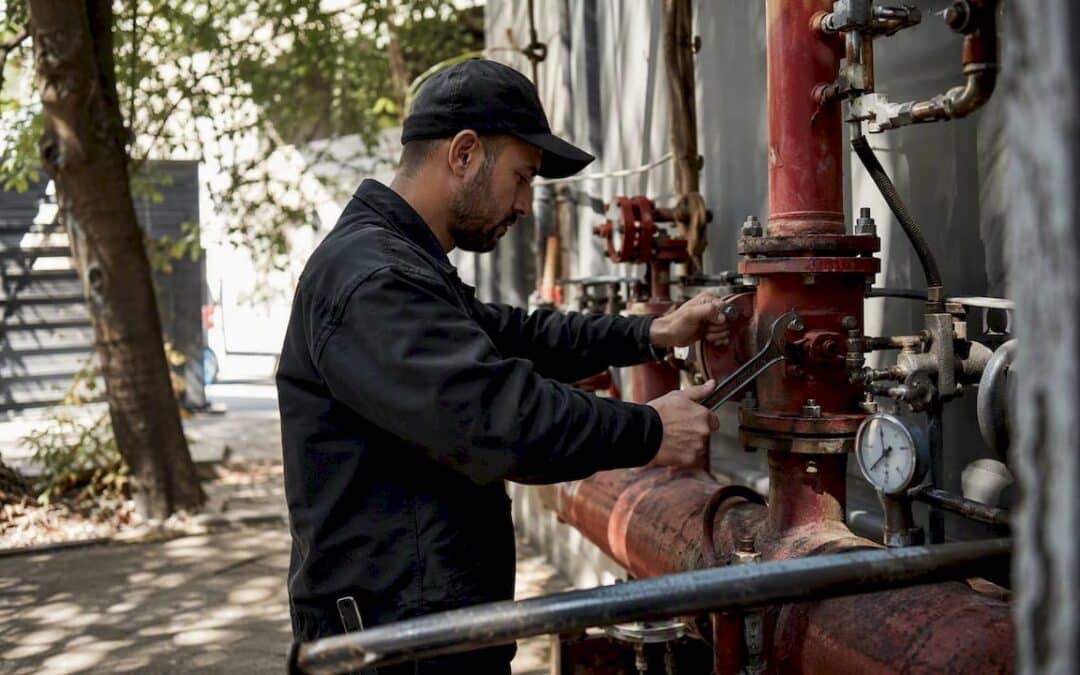
Regular equipment inspections materially reduce safety risk, unplanned downtime, and lifecycle cost while supporting compliance and insurance requirements. That is the short answer. The longer one involves a NIST analysis finding that reactive-maintenance-heavy...
by Sean Ellis | Aug 15, 2026 | Fire Protection
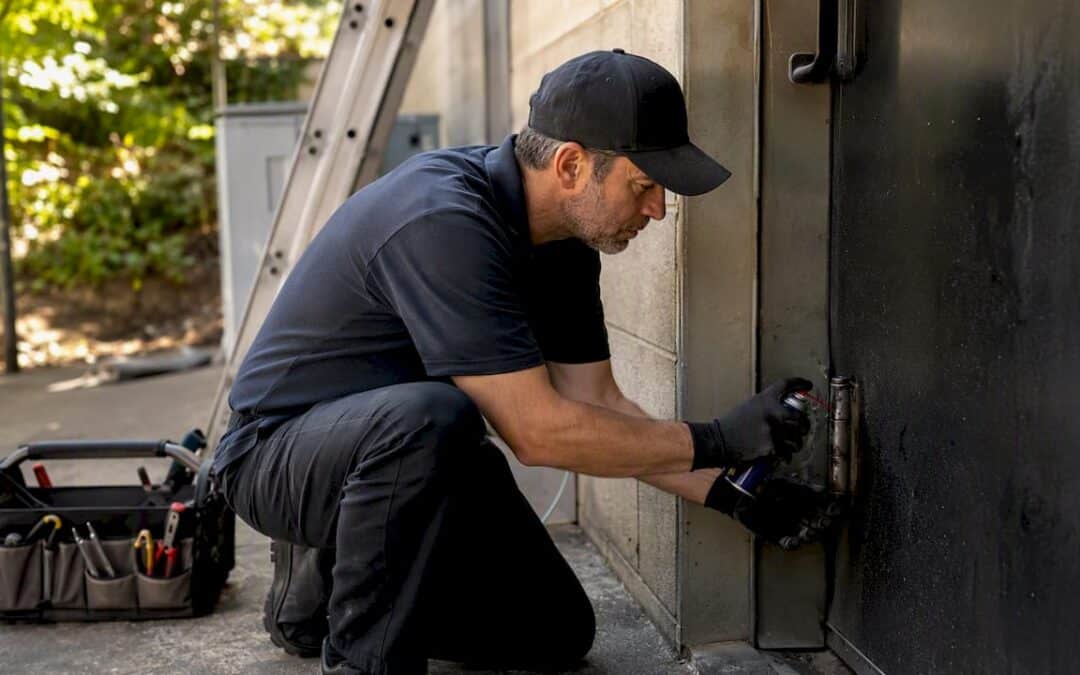
Routine maintenance is the scheduled set of inspections and simple service tasks that protect uptime, reduce cost, and extend asset life. For facility managers, it is the operational foundation that keeps everything else from becoming a crisis. Done consistently, it...
by Sean Ellis | Aug 14, 2026 | Fire Protection
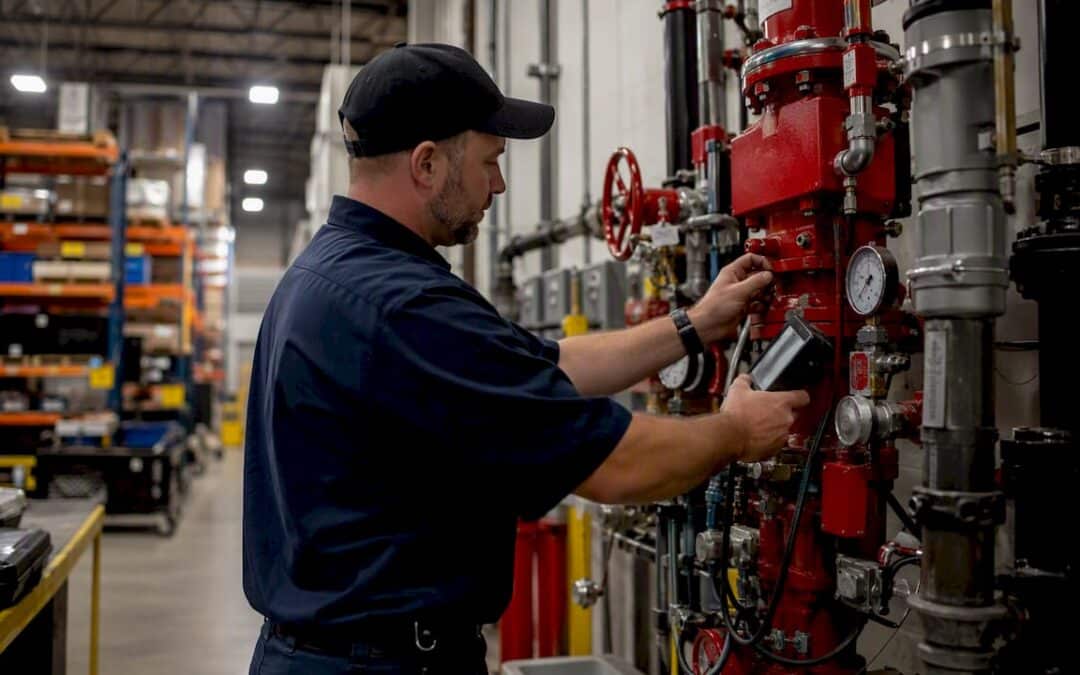
If you manage a building with fire protection equipment, the single most important thing you can do this week is pull your last annual inspection report and confirm it’s signed, dated, and issued by a certified technician. Annual system tests verify that your fire...

by Sean Ellis | Aug 13, 2026 | Fire Protection
A typical installed commercial kitchen hood suppression system in the United States generally costs several thousand dollars for most restaurants, with small single-hood setups at the lower end and multi-hood or complex retrofits costing substantially more. That...