
Many business owners believe fire extinguishers provide adequate protection. That’s a dangerous misconception. Fire suppression systems detect and control fires automatically, reducing property damage by 91% compared to properties without them. For Houston commercial properties facing strict fire codes and real liability, these systems aren’t optional luxuries. They’re essential investments that protect lives, preserve property, and keep your business operational when fires strike.
Table of Contents
- Understanding Fire Suppression Systems And Houston Regulations
- How Fire Suppression Systems Protect Your Property And Save Lives
- Common Pitfalls And Ensuring Your System Works When It Matters
- Choosing And Applying The Right Fire Suppression System For Your Houston Property
- Protect Your Houston Business With Expert Fire Suppression Solutions
- FAQ
Key takeaways
| Point | Details |
|——-|———||
| Fire suppression reduces damage | Systems control fires in 91% of incidents, drastically cutting property loss and injury risks. |
| Houston Fire Code mandates compliance | Many commercial occupancies require suppression systems to operate legally and avoid fines. |
| Automatic activation saves time | Systems deploy instantly without human intervention, minimizing fire spread and business downtime. |
| Proper maintenance ensures reliability | Regular inspections per NFPA 25 standards prevent system failures when emergencies occur. |
Understanding fire suppression systems and Houston regulations
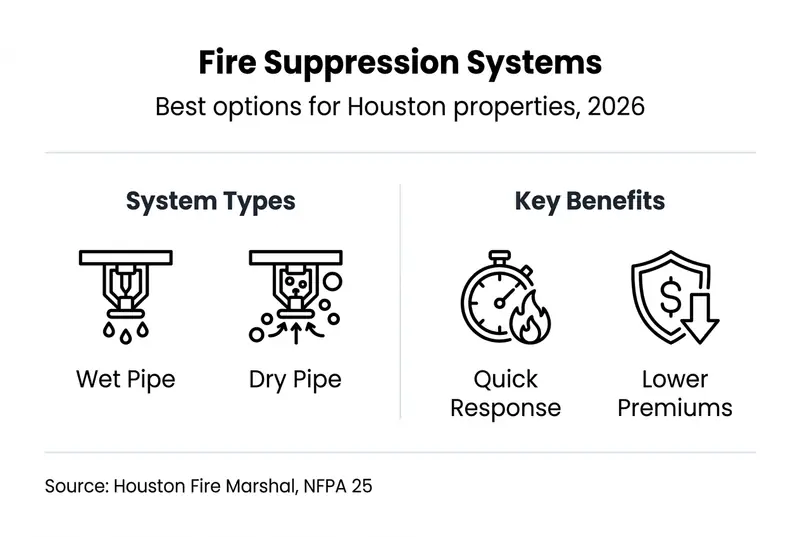
Fire suppression systems include any equipment designed to detect and control fires automatically. Common types include wet and dry pipe sprinklers, chemical suppression systems for kitchens, clean agent systems for server rooms, and foam systems for industrial facilities. Each serves specific hazards and activates without human intervention when fire is detected.
Houston has adopted the International Fire Code with local amendments. The Houston Fire Code mandates installation and maintenance of fire suppression systems for life safety in commercial buildings. The International Fire Code standards specify requirements based on occupancy type, building height, and hazard classifications.
Certain occupancies must have suppression systems under Houston regulations:
- Commercial kitchens with cooking equipment producing grease vapors
- High-rise buildings over 75 feet requiring comprehensive sprinkler coverage
- Facilities storing or handling hazardous materials above threshold quantities
- Assembly spaces with occupant loads exceeding code thresholds
- Healthcare facilities and residential care occupancies for vulnerable populations
Non-compliance carries serious consequences. The Houston Fire Marshal can issue citations, impose fines, and even shut down operations until violations are corrected. Insurance companies may deny claims if fires occur in buildings lacking required suppression systems. Beyond penalties, you face enormous liability exposure if fires cause injuries or deaths when proper systems weren’t installed.
Local amendments modify international standards for Houston’s climate and building practices. Consulting the Houston Fire Marshal’s office early in planning ensures your sprinkler systems meet Houston compliance requirements. Understanding how to choose fire sprinkler systems appropriate for your occupancy prevents costly redesigns during permitting. Getting fire sprinkler systems explained by professionals clarifies obligations and options specific to your property.
How fire suppression systems protect your property and save lives
The effectiveness data is compelling. Fire sprinkler systems controlled or extinguished fires in 91% of non-residential incidents where they operated. Average property damage drops dramatically when suppression systems activate compared to fires in unprotected buildings. The difference isn’t marginal; it’s the gap between minor repairs and total loss.
Early detection changes everything. Rapid activation minimizes fire spread and reduces structural damage, smoke contamination, and collapse risks. Suppression systems detect fires in initial stages, often before occupants notice smoke. They deploy water, chemicals, or gases precisely where needed, containing flames before they engulf entire rooms or floors.
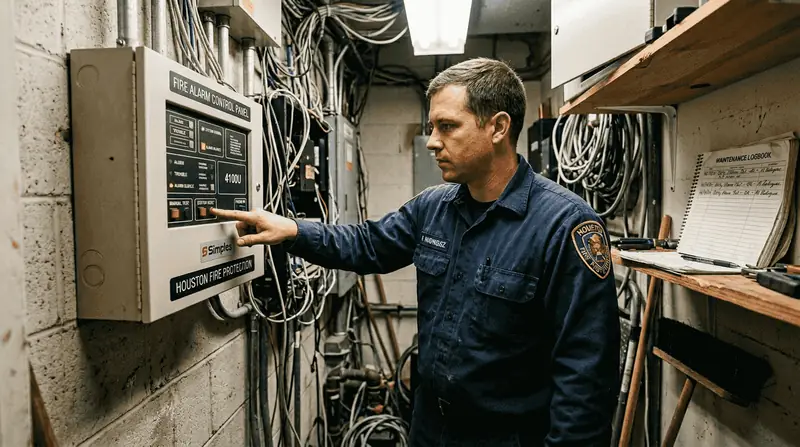
This speed directly translates to fewer injuries and fatalities. People have more time to evacuate safely when fires are suppressed early. Emergency responders face less dangerous conditions. The system has already started firefighting work before crews arrive, improving outcomes substantially.
Business continuity matters as much as safety. Fire-related downtime destroys companies. When fires spread unchecked, businesses face months of closure for rebuilding, losing customers, revenue, and market position. Suppression systems limit damage to small areas, enabling faster repairs and reopening. Some businesses resume operations within days instead of shutting down permanently.
Comparing suppression systems to fire extinguishers alone reveals the gap:
- Extinguishers require someone present, trained, and willing to fight the fire
- Suppression systems activate automatically 24/7 without human intervention
- Extinguishers handle small, localized fires but fail against spreading flames
- Systems protect entire buildings with coordinated coverage across all spaces
- Relying solely on extinguishers violates code for most commercial occupancies
The financial advantages extend beyond damage reduction. Insurance premiums drop significantly for properties with compliant systems. Claims get processed faster with less dispute when proper protection was installed. Your investment in fire sprinkler systems explained professionally pays returns through lower ongoing costs and preserved business value.
Pro Tip: Document your suppression system’s performance capacity and maintenance records. Insurance adjusters often reduce payouts if they find deferred maintenance contributed to fire damage, even partially.
Common pitfalls and ensuring your system works when it matters
Installation quality determines whether systems protect or fail. Incorrect installation causes about 20% of suppression system failures during actual fires. Misaligned sprinkler heads create dead zones without coverage. Improperly positioned detectors miss fires until they’ve grown large. Wrong pipe sizing reduces water flow below effective levels. These mistakes only become apparent during emergencies when it’s too late.
Regular inspection and maintenance per NFPA standards are essential for reliable operation. NFPA 25 establishes mandatory schedules for testing and servicing all suppression system components. Skipping inspections leads to corrosion, blockages, valve failures, and detector malfunctions that prevent activation when fires occur.
Legal liability from system failure is severe. If fires cause injuries or deaths and investigations reveal neglected maintenance or improper installation, property owners face substantial lawsuits and potential criminal charges. Courts show little sympathy when basic safety obligations were ignored. Your insurance may refuse coverage entirely if violations contributed to losses.
Essential maintenance actions protect system reliability:
- Conduct quarterly visual inspections of all accessible components for damage or obstruction
- Perform annual flow tests verifying water pressure and volume meet design specifications
- Test all detectors, alarms, and automatic activation mechanisms yearly
- Inspect and service control valves, ensuring they open fully and respond correctly
- Clear sprinkler heads of paint, debris, or objects that could block water distribution
- Document all inspections, tests, and repairs with dated records for code compliance
Following a sprinkler system inspection guide Houston properties require ensures nothing gets overlooked. Understanding Houston fire safety testing requirements keeps you ahead of mandatory deadlines. Missing inspection windows can trigger code violations even if your system would function properly.
Pro Tip: Partner with certified professionals for installation and ongoing service to maximize protection. Unlicensed contractors may offer lower bids but lack the expertise and accountability needed for life safety systems. The savings aren’t worth the risks.
Choosing and applying the right fire suppression system for your Houston property
Selecting appropriate suppression systems requires systematic analysis. Detailed hazard assessment and professional consultation identify risks specific to your operations, materials, and building characteristics. Generic solutions often fail to address unique vulnerabilities or waste money on unnecessary capacity.
Follow this process for optimal system selection and implementation:
- Conduct comprehensive hazard analysis identifying fire risks, fuel sources, and occupancy factors throughout your property.
- Determine applicable Houston Fire Code requirements based on your building’s use, size, height, and occupant load.
- Evaluate system options matching your hazards with appropriate suppression agents and activation methods.
- Engage licensed fire protection engineers to design systems meeting codes and optimizing coverage.
- Select qualified, certified contractors for installation with proven Houston commercial project experience.
- Schedule inspections during and after installation verifying compliance with approved plans and specifications.
- Establish maintenance contracts ensuring ongoing testing, servicing, and documentation per NFPA 25 schedules.
- Train staff on system operation, manual activation procedures, and emergency response protocols.
Different system types suit specific applications. This comparison helps match systems to your needs:
| System Type | Best For | Advantages | Considerations |
|---|---|---|---|
| Wet Pipe Sprinklers | General commercial spaces, offices, retail | Simple, reliable, lowest cost, fastest activation | Risk of freeze damage, water damage from leaks |
| Dry Pipe Sprinklers | Unheated areas, cold storage, parking garages | No freezing risk, suitable for cold environments | Slower activation, higher maintenance, air pressure monitoring |
| Clean Agent Systems | Server rooms, museums, electronics, archives | No water damage, safe for sensitive equipment | Higher cost, requires sealed rooms, limited to smaller areas |
| Foam Systems | Flammable liquid storage, aircraft hangars, chemical plants | Suppresses fuel fires effectively, covers large areas | Specialized maintenance, environmental considerations, cleanup complexity |
Aligning system choices with local code and insurance requirements prevents future problems. Some insurers mandate specific system types or coverage levels for favorable rates. Houston amendments may require capabilities beyond base code minimums. Clarifying these expectations upfront avoids costly retrofits later.
Understanding the fire suppression systems workflow from assessment through maintenance streamlines implementation. Learning specifics about installing fire sprinklers Houston properties face helps set realistic timelines and budgets. Professional guidance ensures you invest appropriately without overpaying for unnecessary features.
Long-term benefits like lower insurance premiums offset initial costs substantially. Insurers recognize suppression systems reduce their claim exposure and reward property owners with premium discounts often reaching 15 to 30 percent annually. Over a system’s 30 to 50 year lifespan, these savings exceed installation expenses while providing invaluable life safety protection.
Pro Tip: Early consultation with fire safety engineers ensures code compliance and optimal protection. Bringing experts into project planning before construction starts prevents design conflicts and identifies cost-effective solutions that retrofit projects can’t achieve.
Protect your Houston business with expert fire suppression solutions
You’ve learned how suppression systems reduce fire damage, meet Houston Fire Code mandates, and protect your business from devastating losses. Implementing this knowledge requires experienced partners who understand local regulations and deliver reliable installations.
Reliable Fire Protection specializes in tailored fire suppression design and installation for Houston commercial properties. Our certified technicians assess your specific hazards and recommend systems that optimize protection while meeting all code requirements. We handle permitting, installation, testing, and ongoing maintenance, ensuring your systems perform when fires occur.
Our expert inspection and maintenance plans align with Houston Fire Code requirements and NFPA 25 standards. Regular servicing prevents system failures and documents compliance for insurance and regulatory purposes. We help you realize cost savings through optimized system performance, lower insurance premiums, and avoided penalties for violations.
Understanding the fire suppression systems workflow we follow gives you confidence in our process. Our sprinkler system inspection guide Houston properties need ensures nothing gets overlooked during service visits. When you’re ready for new installations, our expertise in installing fire sprinklers Houston businesses trust delivers systems that work reliably for decades.
Contact Reliable Fire Protection today for a consultation. We’ll assess your property, explain your options, and provide clear recommendations that enhance safety while meeting all regulatory requirements. Protect your investment, your employees, and your business continuity with professional fire suppression solutions.
FAQ
How often must fire suppression systems be inspected in Houston?
Fire suppression systems in Houston must follow NFPA 25 standards, requiring quarterly visual inspections and annual full testing to ensure reliability. Inspection ensures compliance with Houston Fire Code and prevents system failure during emergencies.
What types of fire suppression systems are best for different Houston commercial buildings?
Wet pipe sprinklers work well for general commercial spaces like offices and retail. Clean agent systems suit sensitive electronics areas such as server rooms. Industrial sites may require foam or specialized suppression depending on hazards. Consulting professionals helps identify the best fit per local codes.
How do fire suppression systems affect insurance premiums for Houston businesses?
Most insurance providers offer lower premiums for commercial properties with compliant fire suppression systems. Savings arise from reduced risk of severe fire damage and business interruption, often reaching 15 to 30 percent annually. Maintaining systems per code keeps these benefits valid.
Can I use just fire extinguishers instead of a fire suppression system?
Fire extinguishers alone do not control larger fires or activate automatically when buildings are unoccupied. Suppression systems detect and control fires rapidly, minimizing damage and injuries. Codes in Houston require systems in many occupancies, not just extinguishers, making them legally mandatory for most commercial properties.